
-
 Email:news@peweldingmachine.com, sales2@peweldingmachine.com
-
 +86-137 3974 5191
-
 เพิ่ม:
เลขที่ 355 ถนน Youyi เขต Qiaoxi ฉือเจียจวง เหอเป่ย ประเทศจีน



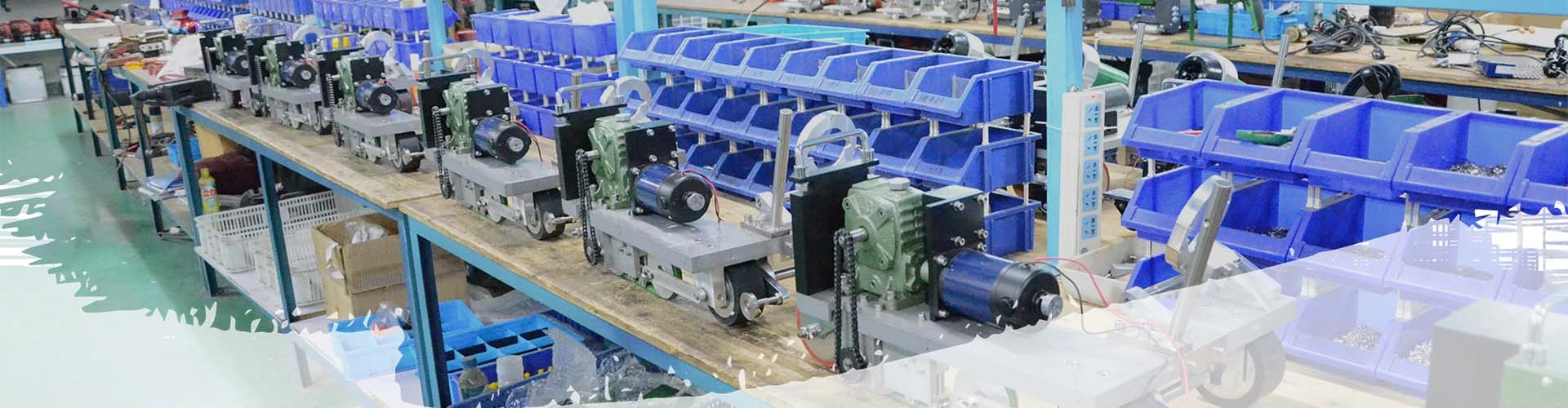
ปืนเชื่อมพลาสติกแบบอัดรีด แผ่นกันซึมเชื่อม

ปืนเชื่อมพลาสติกแบบอัดรีด แผ่นกันซึมเชื่อม
ม.ค. . 16, 2025 18:14
มีวิธีการเชื่อมแผ่นกันซึม HDPE สองวิธี ได้แก่ การเชื่อมด้วยกาวร้อนแบบสองรางและการเชื่อมด้วยกาวอัดรีดแบบตะเข็บเดียว ในการก่อสร้างแผ่นกันซึม HDPE มักพบบางพื้นที่ที่ไม่สามารถเชื่อมด้วยเครื่องเชื่อมแบบสองรางได้ เช่น บริเวณที่ต่อท่อและคอนกรีตซีเมนต์ ในกรณีดังกล่าวจำเป็นต้องใช้ปืนเชื่อมแบบกาวอัดรีดแบบตะเข็บเดียว
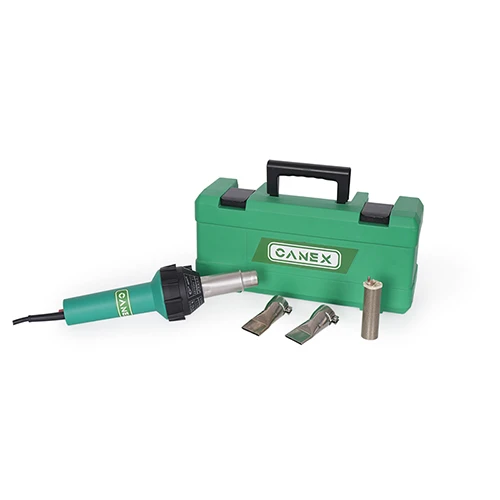
ปืนเชื่อมรีดแบบตะเข็บเดียว หรือที่เรียกอีกอย่างว่าเครื่องเชื่อมรีดพลาสติก PP/PE เป็นอุปกรณ์ที่เชื่อมแผ่นกันซึมด้วยแท่งเชื่อมพลาสติก ความเร็วในการเชื่อมอยู่ที่ 1.6 - 3.5 กิโลกรัมของแท่งเชื่อมต่อชั่วโมง สามารถทำงานได้อย่างต่อเนื่องหลายชั่วโมงและสามารถให้รูปแบบการเชื่อมครั้งเดียวที่สมบูรณ์แบบสำหรับช่องว่างขนาดใหญ่ เป็นอุปกรณ์ที่ใช้กันทั่วไปในการเชื่อมแผ่นกันซึม ส่วนใหญ่ใช้ในการเชื่อมชิ้นส่วนบางส่วนที่ไม่สามารถเชื่อมได้ด้วยเครื่องเชื่อมแบบละลายด้วยความร้อนแบบรางคู่ และเพื่อซ่อมแซมชิ้นส่วนที่ชำรุดและเสียหายของรอยเชื่อม
- ข้อกำหนดในการกำหนดโครงสร้างการเชื่อมด้วยการอัดรีดมีดังนี้:
- ตรวจสอบว่าฐานที่รอยต่อนั้นเรียบและแข็งแรงหรือไม่ หากมีสิ่งแปลกปลอมใดๆ ควรจัดการอย่างเหมาะสมล่วงหน้า ตรวจสอบว่าความกว้างของการทับซ้อนที่รอยเชื่อมนั้นเหมาะสมหรือไม่ (≥ 60 มม.) แผ่นเมมเบรนที่รอยต่อควรเรียบ มีความแน่นปานกลาง และไม่มีลักษณะเป็น "ปากปลา"
- การวางตำแหน่งและการยึดติด: ใช้ปืนลมร้อนยึดติดส่วนที่ทับซ้อนกันของเมมเบรนทั้งสองแผ่น ระยะห่างระหว่างจุดยึดติดไม่ควรเกิน 60 - 80 มม. ควรควบคุมอุณหภูมิของอากาศร้อนเพื่อไม่ให้จีโอเมมเบรน HDPE ไหม้และไม่ฉีกขาดได้ง่าย
- การขัดหยาบ: ใช้เครื่องขัดหยาบเพื่อขัดพื้นผิวเมมเบรนให้หยาบภายในช่วงความกว้าง 30 - 40 มม. บริเวณรอยเชื่อม เพื่อทำความสะอาดอย่างทั่วถึงและสร้างพื้นผิวที่หยาบเพื่อเพิ่มพื้นที่สัมผัส แต่ความลึกไม่ควรเกิน 10% ของความหนาของเมมเบรน เมื่อขัดหยาบ ให้ทำงานอย่างเบามือและพยายามลดความเสียหายต่อพื้นผิวเมมเบรนให้เหลือน้อยที่สุด สำหรับเมมเบรนที่มีความหนาเท่ากับหรือมากกว่า 2 มม. ควรทำร่อง 45°
- การเชื่อมทดลอง: ก่อนการเชื่อมอย่างเป็นทางการ ให้นำชิ้นงานขนาดเล็กไม่น้อยกว่า 300 × 600 มม. มาวัดค่าพารามิเตอร์ของอุปกรณ์ตามประสบการณ์ในการเชื่อมทดลอง จากนั้นจึงตัดชิ้นงานทดสอบและทดสอบแรงเฉือนและแรงลอกบนเครื่องดึง หากผลการทดสอบตรงตามข้อกำหนด ให้ล็อกค่าพารามิเตอร์ของอุปกรณ์และเชื่อมตามนั้น มิฉะนั้น ให้ปรับเครื่องใหม่ ทดสอบการเชื่อมทดลองและทดสอบจนกว่าจะผ่านคุณสมบัติ
เกณฑ์การประเมินสำหรับการทดลองเชื่อมที่ประสบความสำเร็จหรือล้มเหลว ได้แก่:
เมื่อทำการทดสอบการเฉือนและการลอกบนรอยเชื่อมที่ยึดติด จะมีเพียงเมมเบรนเท่านั้นที่จะฉีกขาดได้ และจะต้องไม่มีความเสียหายเกิดขึ้นกับรอยเชื่อม (เช่น FTB)
- ข้อกำหนดของกระบวนการดำเนินการเชื่อมของเครื่องเชื่อมแบบอัดรีดมีดังนี้:
- ขณะทำการเชื่อม หัวเชื่อมจะต้องอยู่ในแนวเดียวกับข้อต่อโดยไม่เบี่ยงเบน และไม่อนุญาตให้เกิดการเชื่อมลื่นไถลหรือข้ามเส้น
- ความหนาบริเวณกึ่งกลางของรอยเชื่อมโดยทั่วไปควรมีความหนา 2.5 เท่าของความหนาของแผ่นป้องกันการรั่วซึม และไม่น้อยกว่า 3 มม.
- หากไม่สามารถเชื่อมข้อต่อได้อย่างต่อเนื่อง ควรทำให้ส่วนที่เชื่อมของข้อต่อมีความหยาบอย่างน้อย 50 มม. แล้วจึงเชื่อมทับ
- ต้องรักษาแท่งเชื่อมที่ใช้ให้สะอาดและแห้งก่อนเข้าเครื่อง ห้ามเช็ดแท่งเชื่อมด้วยถุงมือ ผ้าสกปรก เส้นด้ายฝ้าย ฯลฯ ที่มีคราบน้ำมันและสิ่งสกปรก
- ดำเนินการบำบัดความเย็นบริเวณเชื่อมทันทีตามอุณหภูมิ
- เมื่อการเชื่อมแบบอัดรีดหยุดชะงักด้วยเหตุผลบางประการ ปริมาณการอัดรีดของแท่งเชื่อมจะต้องลดลงทีละน้อย อย่าหยุดการเชื่อมกะทันหัน เมื่อเริ่มการก่อสร้างใหม่ ให้ทำให้ชิ้นส่วนจากจุดที่หยุดชะงักนั้นหยาบขึ้น จากนั้นจึงทำการเชื่อม
- ทีมงานปฏิบัติการเชื่อมแบบอัดรีดโดยทั่วไปประกอบด้วยคน 3-4 คน กระบวนการทำให้หยาบควรดำเนินการล่วงหน้าหนึ่งขั้นตอนอย่างเหมาะสม แต่ไม่ควรล่วงหน้ามากเกินไป ผู้ที่รับผิดชอบในการระบายความร้อนต้องมาตรงเวลา ผู้ที่รับผิดชอบแท่งเชื่อมต้องปรับตัวให้เข้ากับความเร็วในการเชื่อม
- การตรวจจับและซ่อมแซมข้อบกพร่อง
ควรตรวจจับข้อบกพร่องในทุกพื้นที่ที่มีและไม่มีการเชื่อม
การทำเครื่องหมายข้อบกพร่อง 3 ขั้นตอน:
- ความเสียหายใดๆ ที่เกิดกับรอยเชื่อมหรือชิ้นส่วนอื่นๆ ควรวงกลมไว้ และทำเครื่องหมาย "P" ไว้ในวงกลมเพื่อระบุว่าชิ้นส่วนนี้จำเป็นต้องได้รับการซ่อมแซม
- หากความเสียหายไม่ร้ายแรงเท่ากับรูจริง ให้วงกลมรอบ ๆ เพื่อระบุว่าสามารถซ่อมแซมด้วยการเชื่อมด้วยการอัดขึ้นรูปได้
- หลังจากการซ่อมแซมทั้งหมดแล้ว ควรดำเนินการทดสอบแบบไม่ทำลาย และสุดท้าย หัวหน้างานควรดำเนินการตรวจสอบอย่างครอบคลุม
ขั้นตอนการซ่อมแซม:
- ใช้เพียงวิธีเดียวหรือใช้ร่วมกันดังต่อไปนี้:
รู รอยฉีกขาด การกระจายตัวที่ไม่สม่ำเสมอของวัตถุดิบแผ่นกันซึม HDPE - ซ่อมแซมด้วยการเชื่อมด้วยการอัดขึ้นรูป
งานซ่อมแซมขนาดเล็กที่เกิดจากการเชื่อมด้วยการอัดรีด - เชื่อมซ้ำหลังจากการเจียร
รอยเชื่อมที่ไม่ผ่านคุณสมบัติ - เชื่อมซ้ำหลังจากคลุมด้วยชั้น HDPE geomembrane
- ควรใส่ใจรักษาสถานที่ให้สะอาดและแห้งในระหว่างการซ่อมแซม เพื่อให้มั่นใจว่าอุปกรณ์อยู่ในสภาพปกติและไม่เสียหาย
- การซ่อมแซมหรือการปกปิดทั้งหมดต้องขยายออกไปอย่างน้อย 120ซม. เกินส่วนที่เสียหายและต้องโค้งมน
การป้องกันแผ่น Geomembrane สำเร็จรูป:
- เมื่อเดินบนพื้น Geomembrane ที่ปูด้วยหินและเชื่อม ห้ามสวมรองเท้าพื้นแข็ง และไม่ควรมีตะปู พื้นรองเท้าเหล็ก หรือสิ่งอื่นใดที่อาจทำให้ Geomembrane บนรองเท้าได้รับความเสียหายได้
- ในระหว่างดำเนินการติดตั้ง และหลังจากการปูและเชื่อมแผ่นกันซึม ห้ามสูบบุหรี่หรือใช้ไม้ขีดไฟ ไฟแช็ก ตัวทำละลายสารเคมี หรือสิ่งของที่คล้ายคลึงกันในสถานที่โดยเด็ดขาด
- เมื่อขนส่งบนเมมเบรน ขาโลหะของรถเข็นควรหุ้มด้วยวัสดุยางอ่อน เมื่อขนส่งวัสดุด้วยรถยนต์ พยายามหลีกเลี่ยงไม่ให้รถวิ่งบนเมมเบรน หากจำเป็นต้องขับรถบนเมมเบรนจริงๆ ควรใช้มาตรการป้องกันที่จำเป็นตามสถานการณ์ของฐานใต้เมมเบรน เมื่อฐานใต้เมมเบรนเป็นชั้นดินเหนียวหนาแน่นที่ไม่ใช่หินที่ผ่านการรับรอง รถสามารถขับตรงได้ มิฉะนั้น ควรเพิ่มเมมเบรนดินหรือผ้าใยสังเคราะห์บนเมมเบรน และห้ามรถเลี้ยวโค้งกะทันหัน
- ในการขนถ่ายวัสดุลงบนเมมเบรน แม้ว่าจะมีชั้นป้องกันด้วยสิ่งทอทางภูมิศาสตร์ก็ตาม ก็ไม่ควรทิ้งสิ่งของหนักและแข็งจากที่สูง เพราะจะทำให้ชั้นป้องกันการรั่วซึมได้รับผลกระทบโดยตรง
- เตรียมกระสอบทรายชั่วคราวให้เพียงพอในระหว่างการก่อสร้าง เพื่อป้องกันไม่ให้แผ่นกันซึมที่ถูกลมแรงพัดปลิวไป ในกรณีที่มีลมแรง ควรยึดแผ่นกันซึมไว้ชั่วคราว

สินค้าที่เกี่ยวข้อง

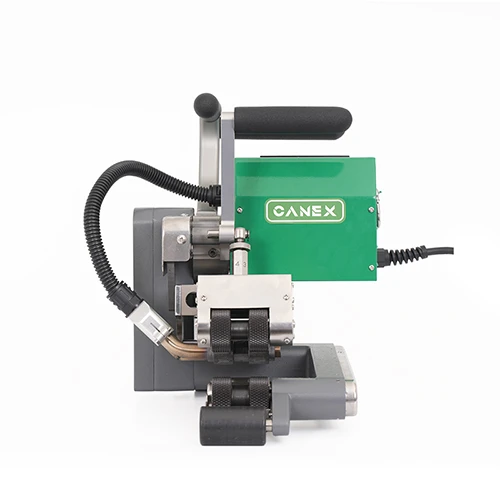
วีดีโอที่เกี่ยวข้อง
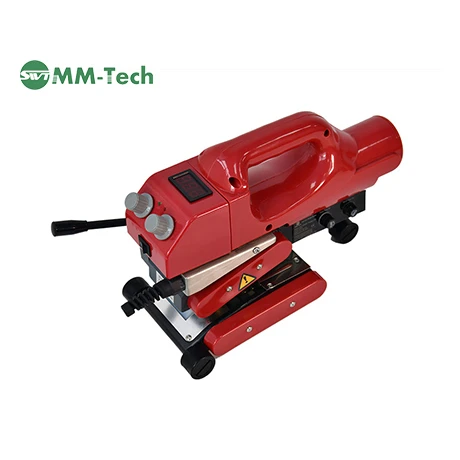

เครื่องเชื่อม Geo Hot Wedge พร้อมจอแสดงผลแบบดิจิตอล คู่มือการใช้งาน SWT NS800D
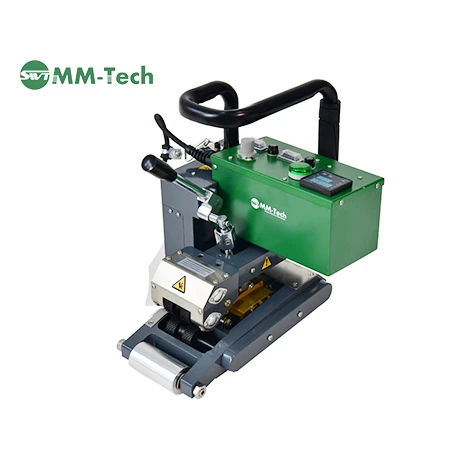
คู่มือการทำงานของเครื่องเชื่อมแบบ Geo Hot Wedge สำหรับงานหนัก รุ่น SWT-NS900
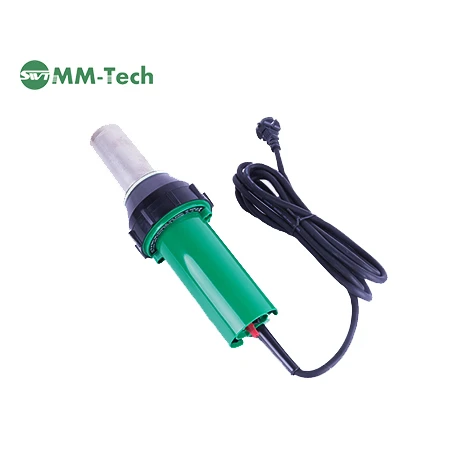
คู่มือการใช้งานเครื่องเป่าลมร้อนระดับมืออาชีพที่ทรงพลัง SWT-NS3400A
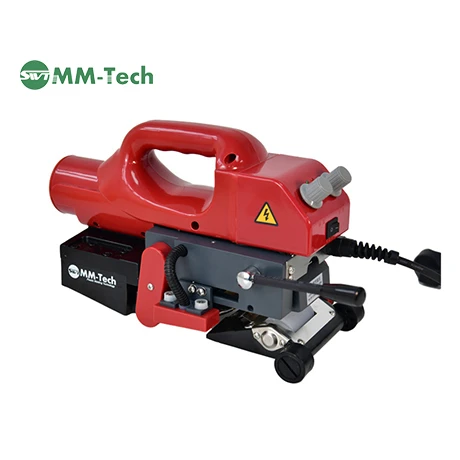
คู่มือการทำงานของเครื่องเชื่อม Geo Hot Wedge รุ่น SWT NS800
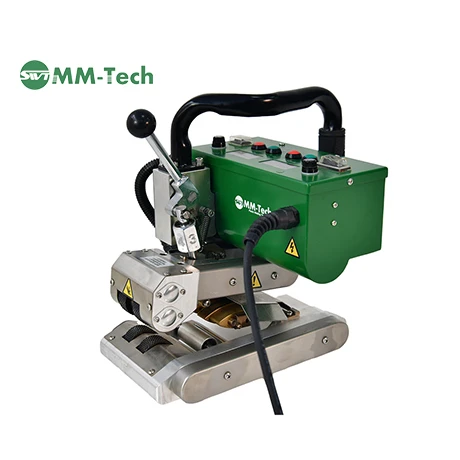
คู่มือการใช้งานเครื่องเชื่อม HDPE แบบเวดจ์ร้อนขนาดกะทัดรัด SWT-NSGM1
ข่าวที่เกี่ยวข้อง
2026-02-24 11:15:19
Comprehensive Guide to Plastic Extrusion Welding Machine Technology and Applications
Plastic extrusion welding machines are vital tools in numerous industries, facilitating the joining of thermoplastic materials with precision and efficiency. From constructing large tanks and vessels to fabricating pipelines and specialized components, these machines offer a robust and reliable solution. Understanding the different types, applications, and key features is crucial for making informed investment decisions. At MMTech Weld, we specialize in delivering high-quality plastic extrusion welding solutions tailored to diverse industrial needs. Choosing the right machine can significantly impact your production efficiency and the quality of your finished products. Plastic extrusion welding is a process where thermoplastic materials are melted and fused together using heat and pressure. The machine precisely controls the temperature, feed rate, and welding speed to create strong, leak-proof joints. These machines typically consist of a heating element, feed roller, welding shoe, and control panel. Different types of machines cater to specific applications and materials, ranging from portable units for smaller projects to automated systems for large-scale production. The key to a successful weld is ensuring consistent heat distribution and proper material compatibility.
2026-02-11 02:45:23
Comprehensive Guide to Plastic Extrusion Welding Techniques and Equipment Selection
Plastic extrusion welding is a versatile and efficient process used to join thermoplastic materials. This technique is widely employed across various industries, from automotive and construction to marine and chemical processing. At MM Tech Weld, we specialize in providing high-quality plastic extrusion welders and related solutions. This article delves into the intricacies of plastic extrusion welding, its applications, benefits, and key considerations for choosing the right equipment. Understanding this process can significantly improve your project efficiency and product quality. Plastic extrusion welding is a process where a thermoplastic welding material, typically a rod or wire, is melted and fed into the joint between two thermoplastic workpieces. The welding material is melted using a heated shoe, and as it cools, it fuses the two pieces together, creating a strong, leak-proof bond. Unlike other welding methods, extrusion welding doesn’t require the base materials to be completely melted, making it ideal for thicker sections and on-site repairs.
2026-01-30 14:55:50
Comprehensive Guide to Hand Extrusion Welder Applications and Selection
A hand extrusion welder is a portable and versatile tool used for joining thermoplastic materials. It’s a crucial piece of equipment in various industries, from plastic fabrication to pipeline repair. This article provides a comprehensive guide to hand extrusion welders, exploring their applications, benefits, key considerations when choosing one, and how MM Tech Weld delivers high-quality solutions. Understanding this technology allows professionals to optimize welding processes and achieve durable, reliable results. A hand extrusion welder operates by melting thermoplastic welding rods and extruding the molten material into the joint to be welded. The welder consists of a heating element, a feed mechanism for the welding rods, and a shoe or nozzle that guides the molten plastic.
2026-01-28 11:20:05
Comprehensive Guide to Pressure Leak Detectors for Enhanced Safety and Efficiency
In industries dealing with gases, vacuum systems, and pressurized environments, identifying leaks quickly and accurately is paramount for safety, efficiency, and cost control. A pressure leak detector is a critical tool for these applications, offering a non-destructive method to pinpoint even the smallest breaches in containment. This article will explore the different types of pressure leak detectors, their applications, advantages, and considerations for choosing the right detector for your specific needs. Efficient leak detection translates directly to minimized product loss, reduced energy consumption, and a safer working environment. Several technologies are employed in pressure leak detectors, each with its strengths and weaknesses. Some common types include: Bubble leak detectors, using a soap solution to reveal leaks as bubbles; Halogen leak detectors, sensitive to halogen-containing refrigerants; Ultrasonic leak detectors, detecting the high-frequency sound generated by escaping gas; and Mass spectrometer leak detectors (helium leak detectors), offering extremely high sensitivity by identifying helium molecules.
2026-01-27 22:55:02
Comprehensive Guide to Vacuum Leak Detection and Repair Techniques
Detecting and repairing vacuum leaks is crucial for maintaining optimal performance in various systems, from automotive engines to industrial processes. A seemingly small leak can lead to significant inefficiencies, reduced power, and even system failure. This article will provide a detailed look into understanding vacuum leaks, the tools used to find them – specifically, vacuum leak finders – troubleshooting techniques, and preventative measures. We’ll cover common causes, best practices, and how to choose the right equipment for your needs. Addressing vacuum leaks promptly can save you time, money, and potential headaches. Several methods can be used to locate vacuum leaks. The most basic involves a visual inspection of hoses, gaskets, and connections. However, many leaks are small and difficult to detect with the naked eye.
2026-01-27 19:55:20
Bullseye Leak Detector A Comprehensive Guide for Efficient Leak Detection
Maintaining the integrity of pressurized systems is critical in numerous industries, from HVAC and refrigeration to automotive and plumbing. A seemingly small leak can lead to significant inefficiencies, costly repairs, and even safety hazards. The Bullseye leak detector is a powerful tool designed to quickly and accurately pinpoint leaks in a variety of applications. This article will delve into the features, benefits, and applications of this versatile detector, ensuring you can effectively identify and address leaks before they escalate. Accurate leak detection is paramount for ensuring system efficiency and safety, and the Bullseye provides a reliable solution for professionals across various trades.
2026-01-27 18:25:14
Wegener Extrusion Welder Technology for Robust Thermoplastic Joining Solutions
When it comes to reliable and efficient solutions for joining thermoplastic materials, a Wegener Extrusion Welder stands as a leading choice. Known for its precision and durability, Wegener technology is trusted by professionals in diverse industries. This article delves into the features, applications, and benefits of Wegener Extrusion Welders, providing a thorough overview for those seeking a robust welding solution. Choosing the right equipment can significantly impact project quality and efficiency, and Wegener consistently delivers. Wegener extrusion welding utilizes a specialized machine that melts thermoplastic material and precisely extrudes it onto the joint area. This process creates a strong, homogenous weld, free from the weaknesses often associated with other joining methods. The controlled heat input minimizes distortion and stress on the materials. Unlike traditional welding techniques, it is exceptionally well-suited for large diameter pipe and complex geometries. MM Tech Weld’s Wegener machines offer unparalleled control and consistency for critical applications.
2026-01-25 02:10:06
Extrusion Welding HDPE Liner: A Guide
Learn about extrusion welding HDPE liner for industrial applications. Material specs, vendor comparison & why it’s a top choice for containment.
สมัครรับจดหมายข่าว
Dear customer, thank you for your attention! We provide high-quality machinery and equipment and look forward to your orders. Please inform us of your needs and we will respond quickly!






 Thai
 Arabic
 Bengali
 Czech
 Dutch
 English
 Finnish
 French
 German
 Hungarian
 Italian
 Japanese
 Korean
 Latin
 Norwegian
 Polish
 Portuguese
 Russian
 Spanish
 Vietnamese