
-
 Email:news@peweldingmachine.com, sales2@peweldingmachine.com
-
 +86-137 3974 5191
-
 追加:
中国河北省石家荘市橋西区友誼街355号。



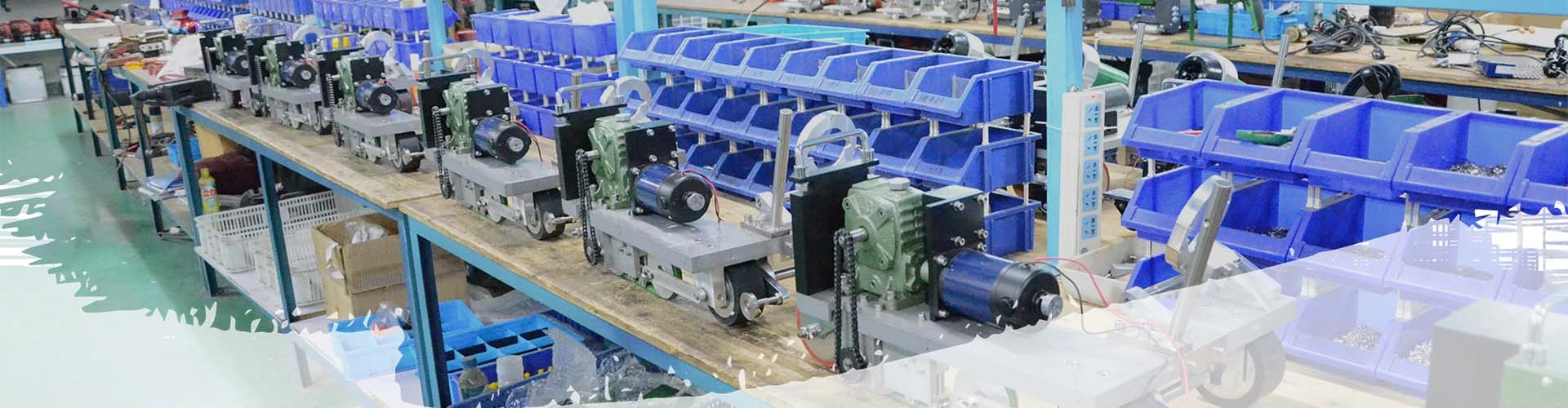
押し出しプラスチック溶接ガン溶接ジオメンブレン

押し出しプラスチック溶接ガン溶接ジオメンブレン
2025年1月16日 18:14
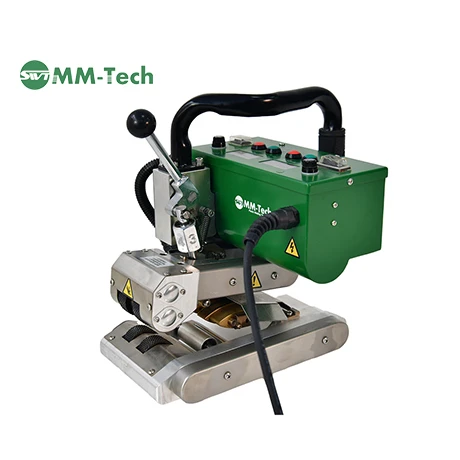
HDPE ジオメンブレンの溶接方法には、ダブルトラックホットメルト溶接とシングルシーム押し出し溶接の 2 種類があります。HDPE ジオメンブレンの施工では、パイプとセメントコンクリートの接続部など、ダブルトラック溶接機では溶接できない箇所がよくあります。このような場合には、シングルシーム押し出し溶接ガンが必要です。
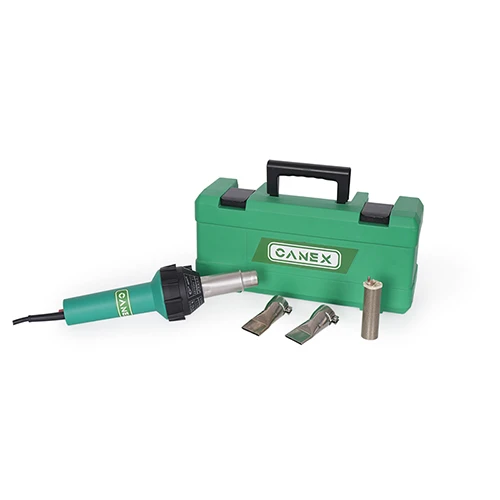
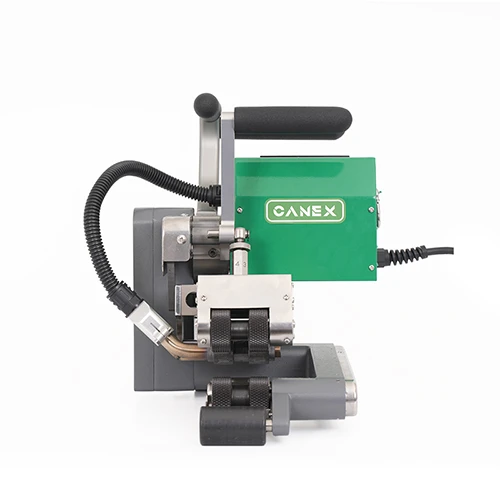
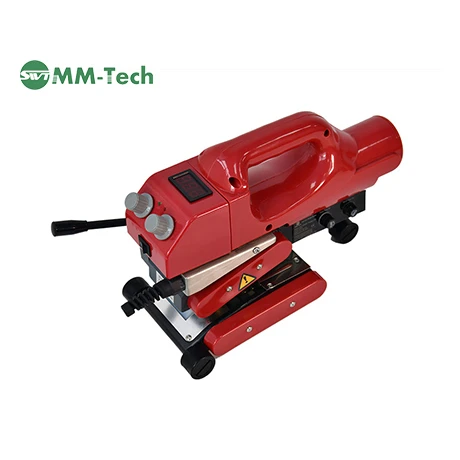
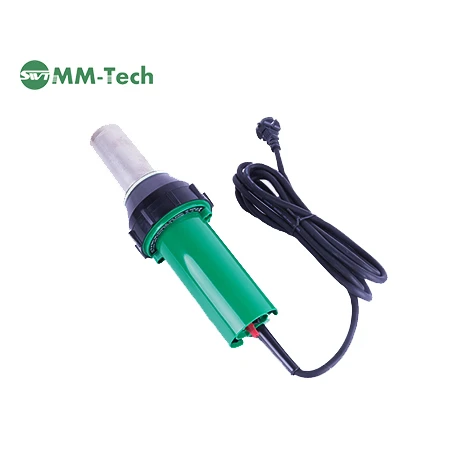
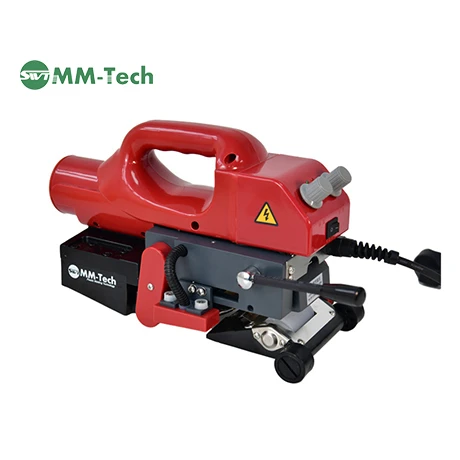
シングルシーム押し出し溶接ガンは、PP / PEプラスチック押し出し溶接機とも呼ばれ、プラスチック溶接棒でジオメンブレンを溶接する装置です。溶接速度は、1時間あたり1.6〜3.5キログラムの溶接棒です。数時間連続して作業でき、大きなギャップに対して完璧な1回の溶接形成を実現できます。ジオメンブレン溶接でよく使用される装置です。主に、ダブルトラックホットメルト溶接機で溶接できない一部の部品を溶接したり、溶接部の欠陥や損傷部分を修復したりするために使用されます。
- 押し出し溶接施工仕様の要件は次のとおりです。
- 接合部のベースが平らでしっかりしているかどうかを確認します。異物がある場合は、事前に適切に処理する必要があります。溶接部の重ね幅が適切かどうかを確認します(≥ 60mm)。接合部の膜は平らで、適度な締め付けがあり、「魚の口」を形成してはなりません。
- 位置決めと接着: 熱風ガンを使用して、2 つの膜の重なり合う部分を接着します。接着点間の距離は 60 ~ 80 mm を超えないようにしてください。熱風の温度は、HDPE ジオメンブレンが燃えたり、簡単に破れたりしないように制御する必要があります。
- 粗面化:粗面化機を使用して、溶接部の幅 30 ~ 40 mm の範囲内で膜表面を粗面化して、徹底的な洗浄を実現し、接触面積を増やすために粗面を形成しますが、深さは膜の厚さの 10% を超えてはなりません。粗面化を行うときは、膜表面への損傷を最小限に抑えるように慎重に操作してください。厚さが 2 mm 以上の膜の場合は、45° の溝を作成する必要があります。
- 試溶接:正式な溶接の前に、300×600mm以上の小さなサンプルを採取し、経験に基づいて試溶接の設備パラメータを予備的に決定します。次に、試験片を切断し、引張機でせん断および剥離テストを実行します。テスト結果が要件を満たしている場合は、設備パラメータをロックし、それに従って溶接します。そうでない場合は、機械を再調整し、合格するまで試溶接とテストを実行します。
試し溶接の成功または失敗の評価基準は次のとおりです。
接着溶接部に対してせん断および剥離試験を実施する場合、膜のみが破れ、溶接接合部 (FTB) に損傷は発生しません。
- 押し出し溶接機の溶接作業工程の要件は次のとおりです。
- 溶接の際は、溶接ヘッドがジョイントに対してずれることなく一直線になるようにし、滑り溶接や飛び溶接は行わないでください。
- 溶接部の中心部分の厚さは、一般的に防漏膜の厚さの 2.5 倍、3 mm 以上である必要があります。
- 継手を連続溶接できない場合は、継手の溶接部分を少なくとも50mm粗面化してから重ね溶接する必要があります。
- 使用する溶接棒は、機械に入れる前に清潔で乾燥した状態に保たなければなりません。油汚れや汚れの付いた手袋、汚れた布、綿糸などで溶接棒を拭かないでください。
- 温度に応じて直ちに溶接部の冷却処理を行ってください。
- 押し出し溶接作業を何らかの理由で中断した場合は、溶接棒の押し出し量を徐々に減らしてください。急に溶接を中断しないでください。施工を再開する場合は、中断した部分から荒らしてから溶接してください。
- 押し出し溶接作業チームは通常 3 ~ 4 人で構成されます。粗面化処理は適切に 1 ステップ前に実行する必要がありますが、あまり前に進めないでください。冷却担当者はタイムリーに作業する必要があります。溶接棒担当者は溶接速度に適応する必要があります。
- 欠陥検出と修復
欠陥検出は、溶接部の有無にかかわらずすべての領域で実行する必要があります。
欠陥マーキングの 3 つのステップ:
- 溶接部やその他の部品に損傷がある場合は丸で囲み、その部品を修理する必要があることを示すために、丸の中に「P」をマークする必要があります。
- 損傷が実際の穴ほど深刻でない場合は、押し出し溶接で修復できることを示すために丸で囲むだけにします。
- すべての修理が完了したら、非破壊検査を実施し、最後に現場監督者による総合的な検査を実施する必要があります。
修理手順:
- 以下の方法は単独または組み合わせて使用されます。
穴、裂け目、HDPE ジオメンブレン原材料の不均一な分布 - 押し出し溶接によって修復されます。
押し出し溶接による小規模な修理 - 研磨後に再溶接。
不適格な溶接 - HDPE ジオメンブレンの層で覆った後に再溶接します。
- 修理中は、機器が正常で故障していないことを確認するために、現場を清潔で乾燥した状態に保つように注意してください。
- すべての修理またはカバーは、損傷部分から少なくとも 120cm 延長し、丸みを帯びている必要があります。
完成したジオメンブレンの保護:
- 舗装され溶接されたジオメンブレンの上を歩くときは、硬い底の靴を履かないでください。また、靴には釘、鉄底など、ジオメンブレンを損傷する可能性のあるものが付いていないようにしてください。
- 設置作業中、およびジオメンブレンの舗装と溶接後は、現場での喫煙、マッチ、ライター、化学溶剤などの使用は固く禁止されています。
- メンブレン上で輸送する場合、手押し車の金属脚を柔らかいゴム素材で覆う必要があります。車で材料を輸送する場合は、車がメンブレン上を走行しないようにしてください。どうしてもメンブレン上を走行する必要がある場合は、メンブレン下の基盤の状況に応じて必要な保護措置を講じる必要があります。メンブレン下の基盤が適格な非石質の緻密な粘土層である場合、車は直進できます。そうでない場合は、メンブレン上に土壌メンブレンまたはジオテキスタイルを追加し、車が急旋回できないようにします。
- 膜の上に資材を降ろす際、ジオテキスタイル保護層があっても、重くて硬い物を高所から落として防浸透層に直接衝撃を与えないようにする必要があります。
- 施工中は、敷設したジオメンブレンが強風で飛ばされないように、十分な数の仮設土嚢を準備してください。強風の場合は、ジオメンブレンを一時的に固定する必要があります。

関連製品
関連動画

関連ニュース

2026-02-24 11:15:19
Comprehensive Guide to Plastic Extrusion Welding Machine Technology and Applications
Plastic extrusion welding machines are vital tools in numerous industries, facilitating the joining of thermoplastic materials with precision and efficiency. From constructing large tanks and vessels to fabricating pipelines and specialized components, these machines offer a robust and reliable solution. Understanding the different types, applications, and key features is crucial for making informed investment decisions. At MMTech Weld, we specialize in delivering high-quality plastic extrusion welding solutions tailored to diverse industrial needs. Choosing the right machine can significantly impact your production efficiency and the quality of your finished products. Plastic extrusion welding is a process where thermoplastic materials are melted and fused together using heat and pressure. The machine precisely controls the temperature, feed rate, and welding speed to create strong, leak-proof joints. These machines typically consist of a heating element, feed roller, welding shoe, and control panel. Different types of machines cater to specific applications and materials, ranging from portable units for smaller projects to automated systems for large-scale production. The key to a successful weld is ensuring consistent heat distribution and proper material compatibility.
2026-02-11 02:45:23
Comprehensive Guide to Plastic Extrusion Welding Techniques and Equipment Selection
Plastic extrusion welding is a versatile and efficient process used to join thermoplastic materials. This technique is widely employed across various industries, from automotive and construction to marine and chemical processing. At MM Tech Weld, we specialize in providing high-quality plastic extrusion welders and related solutions. This article delves into the intricacies of plastic extrusion welding, its applications, benefits, and key considerations for choosing the right equipment. Understanding this process can significantly improve your project efficiency and product quality. Plastic extrusion welding is a process where a thermoplastic welding material, typically a rod or wire, is melted and fed into the joint between two thermoplastic workpieces. The welding material is melted using a heated shoe, and as it cools, it fuses the two pieces together, creating a strong, leak-proof bond. Unlike other welding methods, extrusion welding doesn’t require the base materials to be completely melted, making it ideal for thicker sections and on-site repairs.
2026-01-30 14:55:50
Comprehensive Guide to Hand Extrusion Welder Applications and Selection
A hand extrusion welder is a portable and versatile tool used for joining thermoplastic materials. It’s a crucial piece of equipment in various industries, from plastic fabrication to pipeline repair. This article provides a comprehensive guide to hand extrusion welders, exploring their applications, benefits, key considerations when choosing one, and how MM Tech Weld delivers high-quality solutions. Understanding this technology allows professionals to optimize welding processes and achieve durable, reliable results. A hand extrusion welder operates by melting thermoplastic welding rods and extruding the molten material into the joint to be welded. The welder consists of a heating element, a feed mechanism for the welding rods, and a shoe or nozzle that guides the molten plastic.
2026-01-28 11:20:05
Comprehensive Guide to Pressure Leak Detectors for Enhanced Safety and Efficiency
In industries dealing with gases, vacuum systems, and pressurized environments, identifying leaks quickly and accurately is paramount for safety, efficiency, and cost control. A pressure leak detector is a critical tool for these applications, offering a non-destructive method to pinpoint even the smallest breaches in containment. This article will explore the different types of pressure leak detectors, their applications, advantages, and considerations for choosing the right detector for your specific needs. Efficient leak detection translates directly to minimized product loss, reduced energy consumption, and a safer working environment. Several technologies are employed in pressure leak detectors, each with its strengths and weaknesses. Some common types include: Bubble leak detectors, using a soap solution to reveal leaks as bubbles; Halogen leak detectors, sensitive to halogen-containing refrigerants; Ultrasonic leak detectors, detecting the high-frequency sound generated by escaping gas; and Mass spectrometer leak detectors (helium leak detectors), offering extremely high sensitivity by identifying helium molecules.
2026-01-27 22:55:02
Comprehensive Guide to Vacuum Leak Detection and Repair Techniques
Detecting and repairing vacuum leaks is crucial for maintaining optimal performance in various systems, from automotive engines to industrial processes. A seemingly small leak can lead to significant inefficiencies, reduced power, and even system failure. This article will provide a detailed look into understanding vacuum leaks, the tools used to find them – specifically, vacuum leak finders – troubleshooting techniques, and preventative measures. We’ll cover common causes, best practices, and how to choose the right equipment for your needs. Addressing vacuum leaks promptly can save you time, money, and potential headaches. Several methods can be used to locate vacuum leaks. The most basic involves a visual inspection of hoses, gaskets, and connections. However, many leaks are small and difficult to detect with the naked eye.
2026-01-27 19:55:20
Bullseye Leak Detector A Comprehensive Guide for Efficient Leak Detection
Maintaining the integrity of pressurized systems is critical in numerous industries, from HVAC and refrigeration to automotive and plumbing. A seemingly small leak can lead to significant inefficiencies, costly repairs, and even safety hazards. The Bullseye leak detector is a powerful tool designed to quickly and accurately pinpoint leaks in a variety of applications. This article will delve into the features, benefits, and applications of this versatile detector, ensuring you can effectively identify and address leaks before they escalate. Accurate leak detection is paramount for ensuring system efficiency and safety, and the Bullseye provides a reliable solution for professionals across various trades.
2026-01-27 18:25:14
Wegener Extrusion Welder Technology for Robust Thermoplastic Joining Solutions
When it comes to reliable and efficient solutions for joining thermoplastic materials, a Wegener Extrusion Welder stands as a leading choice. Known for its precision and durability, Wegener technology is trusted by professionals in diverse industries. This article delves into the features, applications, and benefits of Wegener Extrusion Welders, providing a thorough overview for those seeking a robust welding solution. Choosing the right equipment can significantly impact project quality and efficiency, and Wegener consistently delivers. Wegener extrusion welding utilizes a specialized machine that melts thermoplastic material and precisely extrudes it onto the joint area. This process creates a strong, homogenous weld, free from the weaknesses often associated with other joining methods. The controlled heat input minimizes distortion and stress on the materials. Unlike traditional welding techniques, it is exceptionally well-suited for large diameter pipe and complex geometries. MM Tech Weld’s Wegener machines offer unparalleled control and consistency for critical applications.
2026-01-25 02:10:06
Extrusion Welding HDPE Liner: A Guide
Learn about extrusion welding HDPE liner for industrial applications. Material specs, vendor comparison & why it’s a top choice for containment.
ニュースレターを購読する
Dear customer, thank you for your attention! We provide high-quality machinery and equipment and look forward to your orders. Please inform us of your needs and we will respond quickly!






 Japanese
 Arabic
 Bengali
 Czech
 Dutch
 English
 Finnish
 French
 German
 Hungarian
 Italian
 Korean
 Latin
 Norwegian
 Polish
 Portuguese
 Russian
 Spanish
 Thai
 Vietnamese