
-
 Email:news@peweldingmachine.com, sales2@peweldingmachine.com
-
 +86-137 3974 5191
-
 يضيف:
رقم 355، شارع يو يي، منطقة تشياوكسي، شيجياتشوانغ، خبي، الصين.



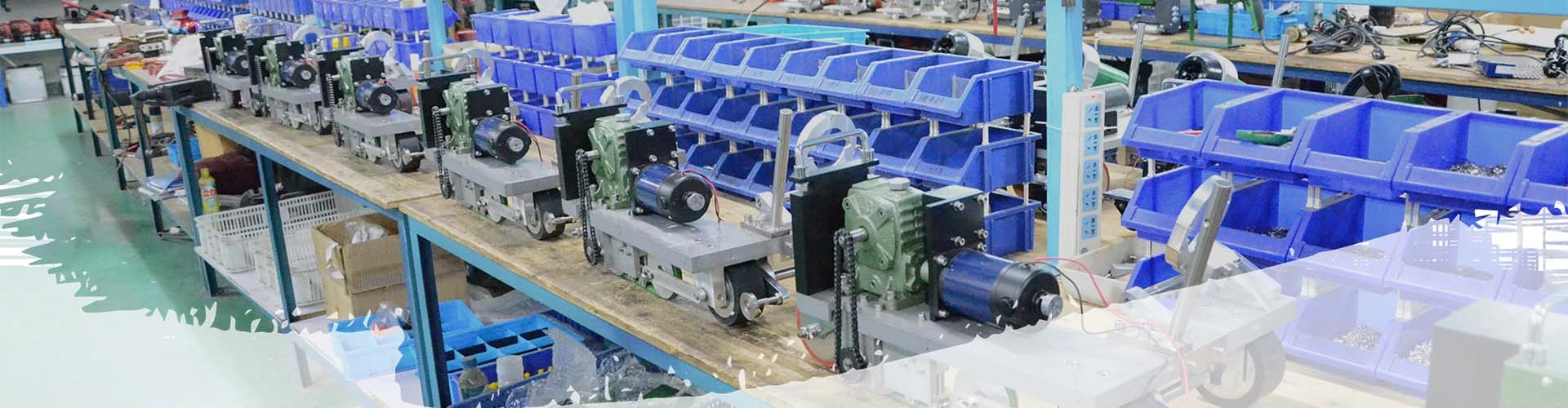
لحام البلاستيك بالبثق، لحام المسدس، لحام الغشاء الجيوممبريني

لحام البلاستيك بالبثق، لحام المسدس، لحام الغشاء الجيوممبريني
يناير . 16, 2025 18:14
هناك طريقتان للحام أغشية البولي إيثيلين عالي الكثافة: لحام بالصهر الساخن ثنائي المسار، ولحام بالبثق أحادي اللحام. في صناعة أغشية البولي إيثيلين عالي الكثافة، غالبًا ما توجد مناطق لا يمكن لحامها بآلات اللحام ثنائية المسار، مثل وصلات الأنابيب والخرسانة الأسمنتية. في هذه الحالات، يلزم استخدام مسدس لحام بالبثق أحادي اللحام.
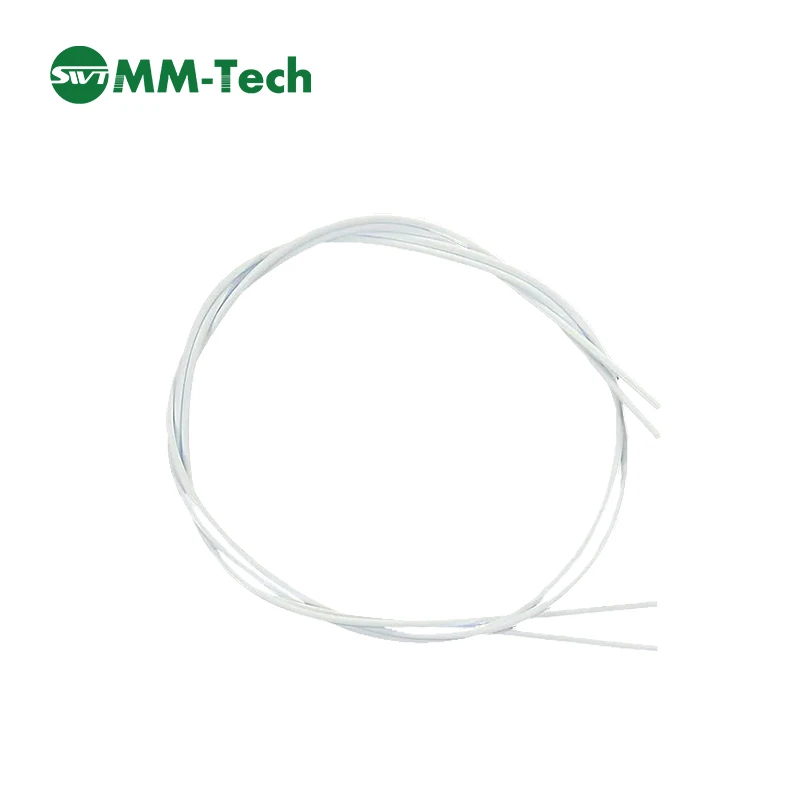
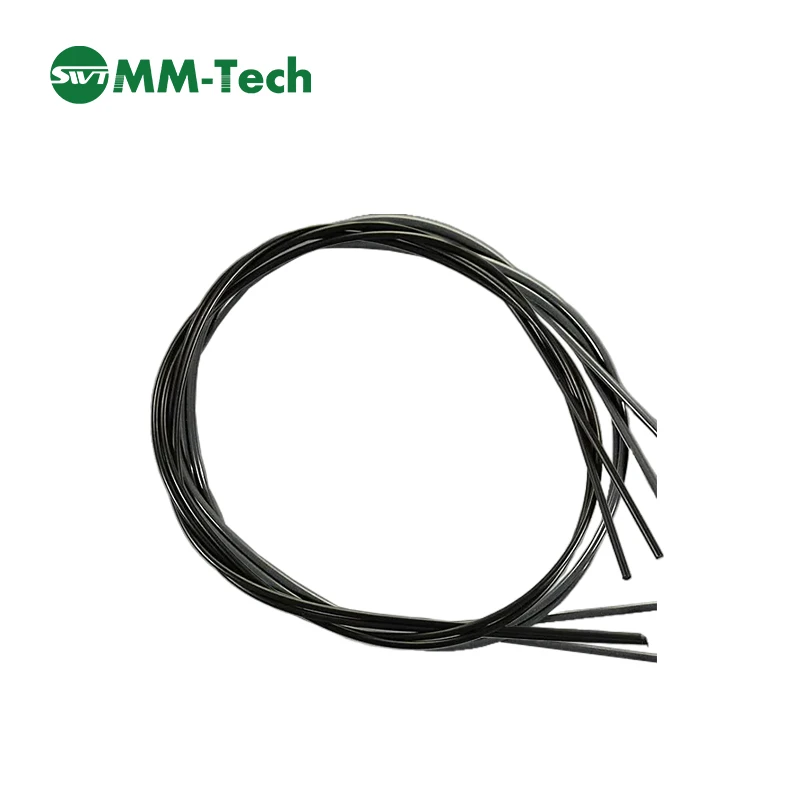
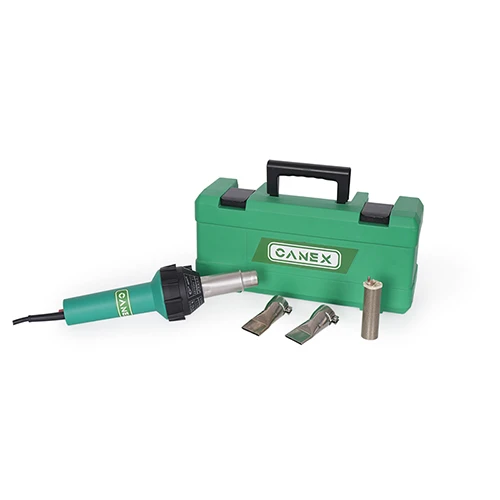
مسدس لحام البثق أحادي اللحام، المعروف أيضًا باسم آلة لحام بثق البلاستيك PP/PE، هو جهاز يلحم الأغشية الأرضية بقضبان لحام بلاستيكية. تتراوح سرعة اللحام بين 1.6 و3.5 كيلوغرام من قضبان اللحام في الساعة. يعمل الجهاز بشكل متواصل لعدة ساعات، ويحقق لحامًا مثاليًا لمرة واحدة للفجوات الكبيرة. وهو جهاز شائع الاستخدام في لحام الأغشية الأرضية، ويُستخدم بشكل رئيسي في لحام الأجزاء التي لا يمكن لحامها بآلات اللحام بالصهر الساخن ثنائية المسار، ولإصلاح الأجزاء التالفة والمعيبة من اللحام.
- متطلبات مواصفات بناء اللحام بالبثق هي كما يلي:
- تأكد من أن قاعدة المفصل مستوية ومتماسكة. في حال وجود أي جسم غريب، يجب التعامل معه بشكل صحيح مسبقًا. تأكد من أن عرض التداخل عند اللحام مناسب (≥ 60 مم). يجب أن يكون الغشاء عند المفصل مسطحًا، وذو إحكام معتدل، وألا يكون على شكل "فم سمكة".
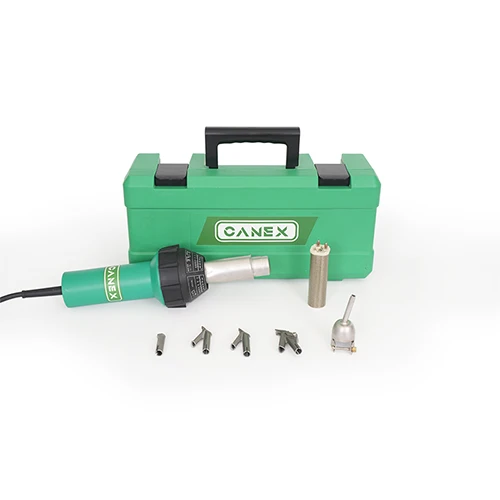
- التثبيت والربط: استخدم مسدس هواء ساخن لربط الأجزاء المتداخلة من الغشاءين. يجب ألا تزيد المسافة بين نقطتي الالتصاق عن 60-80 مم. يجب التحكم في درجة حرارة الهواء الساخن لتجنب حرق غشاء البولي إيثيلين عالي الكثافة (HDPE) أو تمزقه بسهولة.
- التخشين: استخدم آلة تخشين لتخشين سطح الغشاء بعرض يتراوح بين 30 و40 مم عند اللحام، وذلك لضمان تنظيف شامل وتشكيل سطح خشن لزيادة مساحة التلامس، على ألا يتجاوز العمق 10% من سماكة الغشاء. عند التخشين، اعمل برفق وحاول تقليل الضرر الذي قد يلحق بسطح الغشاء. في الأغشية التي يبلغ سمكها 2 مم أو أكثر، يجب عمل أخدود بزاوية 45 درجة.
- اللحام التجريبي: قبل اللحام الرسمي، خذ عينة صغيرة لا تقل عن 300 × 600 مم، وحدد مُسبقًا معلمات المعدات بناءً على خبرتك في اللحام التجريبي. ثم اقطع قطعة الاختبار وأجرِ اختباري القص والتقشير على آلة شد. إذا كانت نتائج الاختبار مطابقة للمتطلبات، فاضبط معلمات المعدات وقم باللحام وفقًا لذلك. وإلا، فأعد ضبط الآلة، وأجرِ لحامًا تجريبيًا واختبارًا حتى تصبح مؤهلة.
معايير التقييم لنجاح أو فشل تجربة اللحام هي:
عند إجراء اختبارات القص والتقشير على اللحام الملتصق، لا يمكن تمزيق سوى الغشاء، ولا ينبغي أن يحدث أي ضرر لمفصل اللحام (أي FTB).
- متطلبات عملية تشغيل اللحام لآلة اللحام بالبثق هي كما يلي:
- عند اللحام، يجب محاذاة رأس اللحام مع المفصل دون انحراف، ولا يُسمح باللحام الانزلاقي واللحام المتخطي.
- يجب أن يكون السمك في وسط اللحام عمومًا 2.5 مرة سمك الغشاء المضاد للتسرب ولا يقل عن 3 مم.
- عندما لا يمكن لحام المفصل بشكل مستمر، يجب أن يتم تخشّن الجزء الملحوم من المفصل بمقدار 50 مم على الأقل ثم يتم لحامه بشكل متداخل.
- يجب الحفاظ على قضبان اللحام المستخدمة نظيفة وجافة قبل استخدامها. لا تمسح قضبان اللحام بالقفازات أو بقطعة قماش متسخة أو بخيوط قطنية أو ما شابه ذلك من بقع زيتية أو أوساخ.
- قم بإجراء معالجة التبريد على اللحام فورًا وفقًا لدرجة الحرارة.
- عند انقطاع عملية لحام البثق لأي سبب، يجب تقليل كمية بثق قضيب اللحام تدريجيًا. لا تُوقف اللحام فجأةً. عند استئناف العمل، خشن الجزء من مكان الانقطاع، ثم ابدأ باللحام.
- يتكون فريق لحام البثق عادةً من 3 إلى 4 أشخاص. يجب إجراء عملية التخشين قبل خطوة واحدة من العملية بشكل مناسب، ولكن ليس قبلها بوقت طويل. يجب أن يكون الشخص المسؤول عن التبريد دقيقًا في الوقت المناسب. يجب أن يتكيف الشخص المسؤول عن قضيب اللحام مع سرعة اللحام.
- اكتشاف العيوب وإصلاحها
ينبغي إجراء الكشف عن العيوب في جميع المناطق التي بها لحامات أو بدونها.
ثلاث خطوات لتحديد العيوب:
- يجب وضع دائرة حول أي ضرر يلحق باللحام أو الأجزاء الأخرى، ويجب وضع علامة "P" داخل الدائرة للإشارة إلى أن هذا الجزء يحتاج إلى إصلاح.
- إذا لم يكن الضرر خطيرًا مثل الثقب الفعلي، قم فقط بوضع دائرة حوله للإشارة إلى أنه يمكن إصلاحه عن طريق اللحام بالبثق.
- بعد كافة الإصلاحات، يجب إجراء اختبارات غير مدمرة، وأخيرًا، يجب إجراء فحص شامل من قبل مشرف الموقع.
إجراءات الإصلاح:
- يتم استخدام الطرق التالية بمفردها أو مجتمعة:
الثقوب والتمزقات والتوزيع غير المتساوي لمواد الخام من غشاء البولي إيثيلين عالي الكثافة - يتم إصلاحها عن طريق اللحام بالبثق؛
الإصلاحات صغيرة الحجم الناجمة عن اللحام بالبثق - يتم إعادة اللحام بعد الطحن؛
اللحامات غير المؤهلة - يتم إعادة اللحام بعد تغطيتها بطبقة من غشاء البولي إيثيلين عالي الكثافة.
- انتبه إلى إبقاء الموقع نظيفًا وجافًا أثناء الإصلاح للتأكد من أن المعدات في حالة جيدة وبدون عطل.
- يجب أن تمتد جميع الإصلاحات أو التغطيات إلى مسافة 120 سم على الأقل خارج الجزء التالف ويجب أن تكون مستديرة.
حماية الغشاء الجيوممبريني النهائي:
- عند المشي على الغشاء الجيوممبرين المعبد والملحم، لا ترتدي أحذية ذات نعل صلب، ويجب ألا يكون هناك مسامير أو نعل حديدي أو أشياء أخرى يمكن أن تلحق الضرر بالغشاء الجيوممبرين على الأحذية.
- أثناء عمليات التركيب وبعد رصف ولحام الغشاء الجيوممبرين، يُمنع منعًا باتًا التدخين أو استخدام أعواد الثقاب أو الولاعات أو المذيبات الكيميائية أو العناصر المماثلة في الموقع.
- عند النقل على الغشاء، يجب تغطية الأرجل المعدنية للعربة اليدوية بمواد مطاطية ناعمة. عند نقل المواد بالسيارة، تجنب سير السيارة على الغشاء. إذا كان من الضروري السير على الغشاء، فيجب اتخاذ التدابير الوقائية اللازمة وفقًا لحالة القاعدة أسفله. إذا كانت القاعدة أسفل الغشاء عبارة عن طبقة طينية كثيفة غير حجرية، فيمكن السماح للسيارة بالسير بشكل مستقيم. وإلا، يجب إضافة غشاء ترابي أو نسيج أرضي عليه، ومنع السيارة من الانعطاف بشكل حاد.
- عند تفريغ المواد على الغشاء، حتى لو كانت هناك طبقة حماية من الجيوتكستايل، لا ينبغي إسقاط العناصر الثقيلة والصلبة من ارتفاع وتؤثر بشكل مباشر على طبقة منع التسرب.
- جهّز أكياس رمل مؤقتة كافية أثناء البناء لمنع انزلاق غشاء الجيوممبرين المثبت بفعل الرياح القوية. في حال هبوب رياح قوية، يجب تثبيت غشاء الجيوممبرين مؤقتًا.

المنتجات ذات الصلة

فيديو ذو صلة
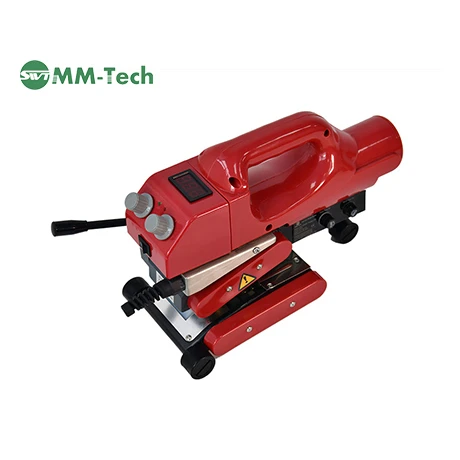

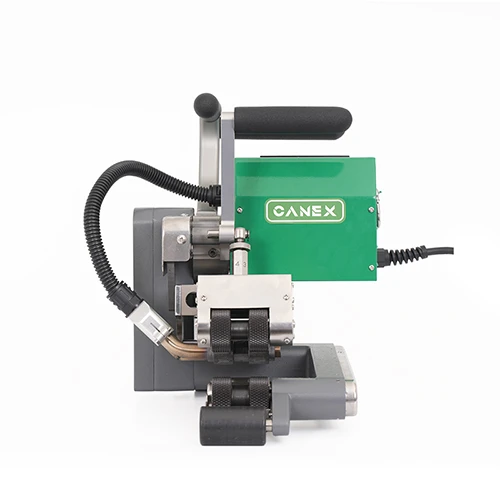
دليل تشغيل جهاز اللحام Geo Hot Wedge المزود بشاشة رقمية SWT NS800D
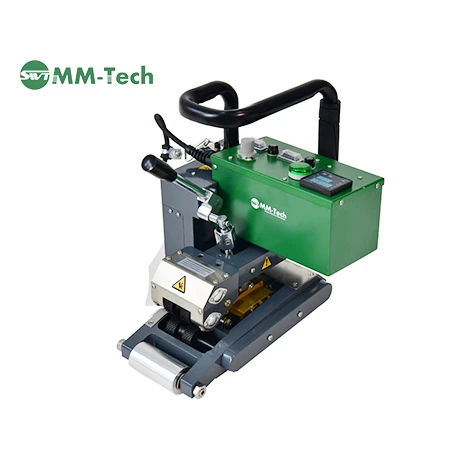
دليل تشغيل آلة اللحام الإسفيني الساخن Geo Hot Wedge SWT-NS900 شديدة التحمل
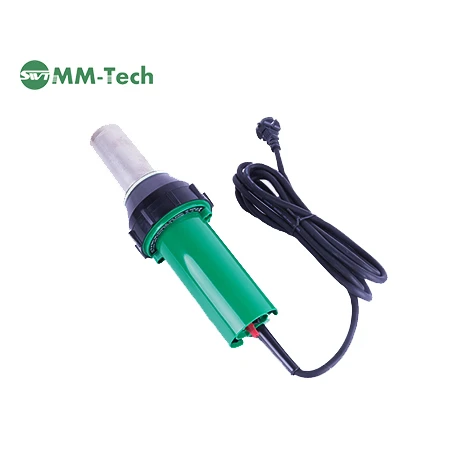
دليل تشغيل أداة الهواء الساخن الاحترافية القوية SWT-NS3400A
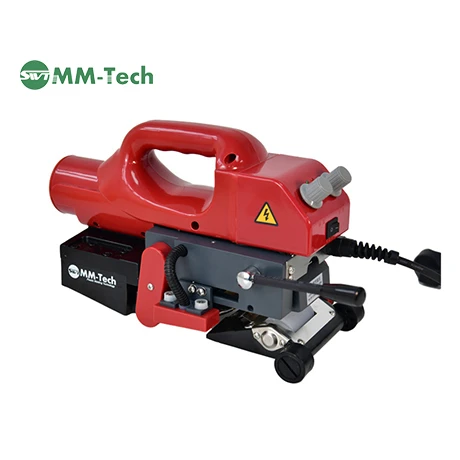
دليل تشغيل آلة اللحام Geo Hot Wedge SWT NS800
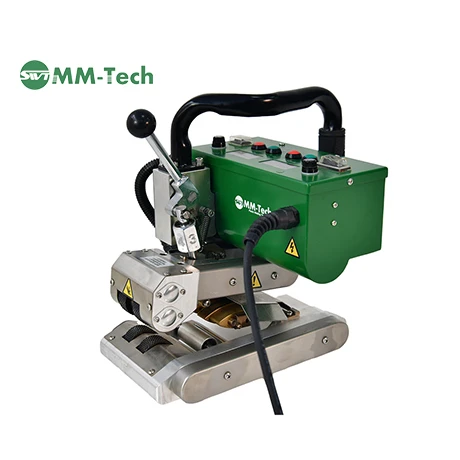
دليل تشغيل آلة لحام الإسفين الساخن HDPE المدمجة SWT-NSGM1
اخبار ذات صلة
2026-02-24 11:15:19
Comprehensive Guide to Plastic Extrusion Welding Machine Technology and Applications
Plastic extrusion welding machines are vital tools in numerous industries, facilitating the joining of thermoplastic materials with precision and efficiency. From constructing large tanks and vessels to fabricating pipelines and specialized components, these machines offer a robust and reliable solution. Understanding the different types, applications, and key features is crucial for making informed investment decisions. At MMTech Weld, we specialize in delivering high-quality plastic extrusion welding solutions tailored to diverse industrial needs. Choosing the right machine can significantly impact your production efficiency and the quality of your finished products. Plastic extrusion welding is a process where thermoplastic materials are melted and fused together using heat and pressure. The machine precisely controls the temperature, feed rate, and welding speed to create strong, leak-proof joints. These machines typically consist of a heating element, feed roller, welding shoe, and control panel. Different types of machines cater to specific applications and materials, ranging from portable units for smaller projects to automated systems for large-scale production. The key to a successful weld is ensuring consistent heat distribution and proper material compatibility.
2026-02-11 02:45:23
Comprehensive Guide to Plastic Extrusion Welding Techniques and Equipment Selection
Plastic extrusion welding is a versatile and efficient process used to join thermoplastic materials. This technique is widely employed across various industries, from automotive and construction to marine and chemical processing. At MM Tech Weld, we specialize in providing high-quality plastic extrusion welders and related solutions. This article delves into the intricacies of plastic extrusion welding, its applications, benefits, and key considerations for choosing the right equipment. Understanding this process can significantly improve your project efficiency and product quality. Plastic extrusion welding is a process where a thermoplastic welding material, typically a rod or wire, is melted and fed into the joint between two thermoplastic workpieces. The welding material is melted using a heated shoe, and as it cools, it fuses the two pieces together, creating a strong, leak-proof bond. Unlike other welding methods, extrusion welding doesn’t require the base materials to be completely melted, making it ideal for thicker sections and on-site repairs.
2026-01-30 14:55:50
Comprehensive Guide to Hand Extrusion Welder Applications and Selection
A hand extrusion welder is a portable and versatile tool used for joining thermoplastic materials. It’s a crucial piece of equipment in various industries, from plastic fabrication to pipeline repair. This article provides a comprehensive guide to hand extrusion welders, exploring their applications, benefits, key considerations when choosing one, and how MM Tech Weld delivers high-quality solutions. Understanding this technology allows professionals to optimize welding processes and achieve durable, reliable results. A hand extrusion welder operates by melting thermoplastic welding rods and extruding the molten material into the joint to be welded. The welder consists of a heating element, a feed mechanism for the welding rods, and a shoe or nozzle that guides the molten plastic.
2026-01-28 11:20:05
Comprehensive Guide to Pressure Leak Detectors for Enhanced Safety and Efficiency
In industries dealing with gases, vacuum systems, and pressurized environments, identifying leaks quickly and accurately is paramount for safety, efficiency, and cost control. A pressure leak detector is a critical tool for these applications, offering a non-destructive method to pinpoint even the smallest breaches in containment. This article will explore the different types of pressure leak detectors, their applications, advantages, and considerations for choosing the right detector for your specific needs. Efficient leak detection translates directly to minimized product loss, reduced energy consumption, and a safer working environment. Several technologies are employed in pressure leak detectors, each with its strengths and weaknesses. Some common types include: Bubble leak detectors, using a soap solution to reveal leaks as bubbles; Halogen leak detectors, sensitive to halogen-containing refrigerants; Ultrasonic leak detectors, detecting the high-frequency sound generated by escaping gas; and Mass spectrometer leak detectors (helium leak detectors), offering extremely high sensitivity by identifying helium molecules.
2026-01-27 22:55:02
Comprehensive Guide to Vacuum Leak Detection and Repair Techniques
Detecting and repairing vacuum leaks is crucial for maintaining optimal performance in various systems, from automotive engines to industrial processes. A seemingly small leak can lead to significant inefficiencies, reduced power, and even system failure. This article will provide a detailed look into understanding vacuum leaks, the tools used to find them – specifically, vacuum leak finders – troubleshooting techniques, and preventative measures. We’ll cover common causes, best practices, and how to choose the right equipment for your needs. Addressing vacuum leaks promptly can save you time, money, and potential headaches. Several methods can be used to locate vacuum leaks. The most basic involves a visual inspection of hoses, gaskets, and connections. However, many leaks are small and difficult to detect with the naked eye.
2026-01-27 19:55:20
Bullseye Leak Detector A Comprehensive Guide for Efficient Leak Detection
Maintaining the integrity of pressurized systems is critical in numerous industries, from HVAC and refrigeration to automotive and plumbing. A seemingly small leak can lead to significant inefficiencies, costly repairs, and even safety hazards. The Bullseye leak detector is a powerful tool designed to quickly and accurately pinpoint leaks in a variety of applications. This article will delve into the features, benefits, and applications of this versatile detector, ensuring you can effectively identify and address leaks before they escalate. Accurate leak detection is paramount for ensuring system efficiency and safety, and the Bullseye provides a reliable solution for professionals across various trades.
2026-01-27 18:25:14
Wegener Extrusion Welder Technology for Robust Thermoplastic Joining Solutions
When it comes to reliable and efficient solutions for joining thermoplastic materials, a Wegener Extrusion Welder stands as a leading choice. Known for its precision and durability, Wegener technology is trusted by professionals in diverse industries. This article delves into the features, applications, and benefits of Wegener Extrusion Welders, providing a thorough overview for those seeking a robust welding solution. Choosing the right equipment can significantly impact project quality and efficiency, and Wegener consistently delivers. Wegener extrusion welding utilizes a specialized machine that melts thermoplastic material and precisely extrudes it onto the joint area. This process creates a strong, homogenous weld, free from the weaknesses often associated with other joining methods. The controlled heat input minimizes distortion and stress on the materials. Unlike traditional welding techniques, it is exceptionally well-suited for large diameter pipe and complex geometries. MM Tech Weld’s Wegener machines offer unparalleled control and consistency for critical applications.
2026-01-25 02:10:06
Extrusion Welding HDPE Liner: A Guide
Learn about extrusion welding HDPE liner for industrial applications. Material specs, vendor comparison & why it’s a top choice for containment.
اشترك في النشرة الإخبارية
Dear customer, thank you for your attention! We provide high-quality machinery and equipment and look forward to your orders. Please inform us of your needs and we will respond quickly!






 Arabic
 Bengali
 Czech
 Dutch
 English
 Finnish
 French
 German
 Hungarian
 Italian
 Japanese
 Korean
 Latin
 Norwegian
 Polish
 Portuguese
 Russian
 Spanish
 Thai
 Vietnamese