
-
 Email:news@peweldingmachine.com, sales2@peweldingmachine.com
-
 +86-137 3974 5191
-
 Thêm vào:
Số 355, phố Youyi, quận Qiaoxi, thành phố Thạch Gia Trang, tỉnh Hà Bắc, Trung Quốc.



Đùn Súng Hàn Nhựa Hàn Geomembrane

Đùn Súng Hàn Nhựa Hàn Geomembrane
Th1. 16, 2025 18:14
Có hai phương pháp hàn cho màng địa kỹ thuật HDPE: hàn nóng chảy hai đường ray và hàn đùn một đường nối. Trong quá trình thi công màng địa kỹ thuật HDPE, thường gặp một số khu vực không thể hàn bằng máy hàn hai đường ray, chẳng hạn như mối nối với ống và bê tông xi măng. Trong những trường hợp như vậy, cần phải có súng hàn đùn một đường nối.
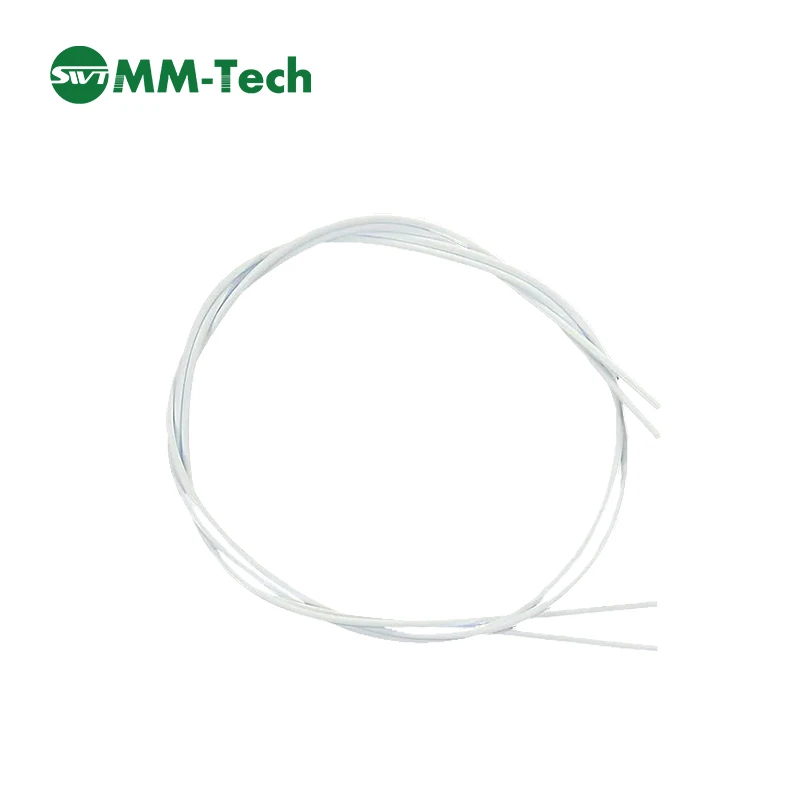
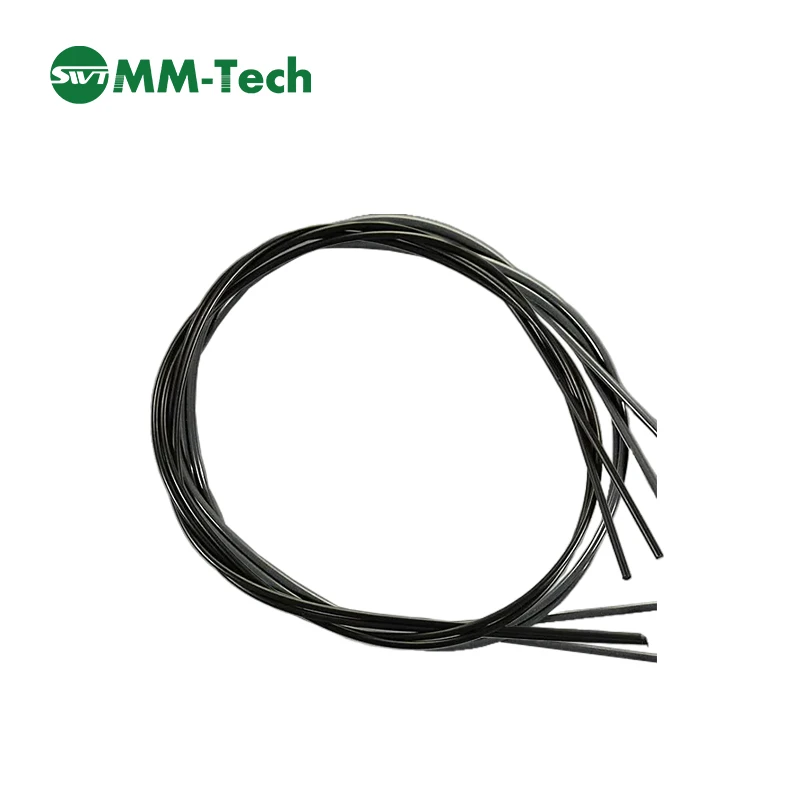
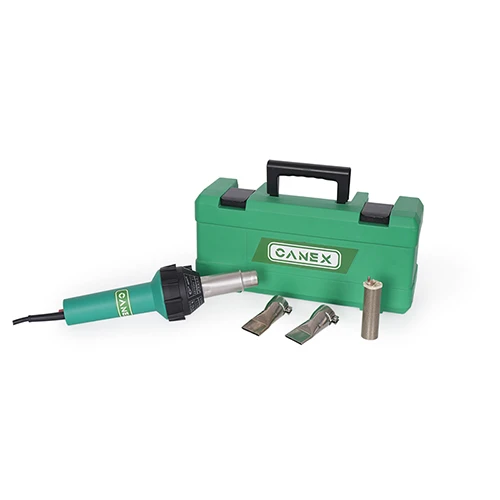
Súng hàn đùn một đường may, còn được gọi là máy hàn đùn nhựa PP/PE, là thiết bị hàn màng địa kỹ thuật bằng que hàn nhựa. Tốc độ hàn là 1,6 - 3,5 kg que hàn mỗi giờ. Nó có thể hoạt động liên tục trong nhiều giờ và có thể đạt được hình dạng hàn một lần hoàn hảo cho các khoảng cách lớn hơn. Đây là thiết bị thường được sử dụng trong hàn màng địa kỹ thuật. Nó chủ yếu được sử dụng để hàn một số bộ phận không thể hàn bằng máy hàn nóng chảy hai đường ray và để sửa chữa các bộ phận bị lỗi và hư hỏng của mối hàn.
- Các yêu cầu về thông số kỹ thuật kết cấu hàn đùn như sau:
- Kiểm tra xem đế tại mối nối có phẳng và chắc không. Nếu có bất kỳ vật lạ nào, cần xử lý trước. Kiểm tra xem chiều rộng chồng chéo tại mối hàn có phù hợp không (≥ 60mm). Màng tại mối nối phải phẳng, có độ khít vừa phải và không tạo thành "miệng cá".
- Định vị và liên kết: Sử dụng súng khí nóng để liên kết các phần chồng lên nhau của hai màng. Khoảng cách giữa các điểm liên kết không được lớn hơn 60 - 80mm. Nhiệt độ của khí nóng phải được kiểm soát để không làm cháy màng địa kỹ thuật HDPE và không dễ bị rách.
- Làm nhám: Sử dụng máy làm nhám để làm nhám bề mặt màng trong phạm vi chiều rộng 30 - 40mm tại mối hàn để đạt được độ sạch hoàn toàn và tạo bề mặt nhám để tăng diện tích tiếp xúc, nhưng độ sâu không được vượt quá 10% độ dày của màng. Khi làm nhám, hãy thao tác nhẹ nhàng và cố gắng giảm thiểu thiệt hại cho bề mặt màng. Đối với màng có độ dày bằng hoặc lớn hơn 2mm, nên tạo rãnh 45°.
- Hàn thử: Trước khi hàn chính thức, lấy một mẫu nhỏ không nhỏ hơn 300 × 600mm và xác định sơ bộ các thông số thiết bị theo kinh nghiệm để hàn thử. Sau đó cắt mẫu thử và tiến hành thử cắt và bóc trên máy kéo. Nếu kết quả thử nghiệm đạt yêu cầu, khóa các thông số thiết bị và hàn theo đó. Nếu không, điều chỉnh lại máy, tiến hành hàn thử và thử nghiệm cho đến khi đạt yêu cầu.
Tiêu chí đánh giá thử nghiệm hàn thành công hay thất bại là:
Khi tiến hành thử nghiệm cắt và bóc trên mối hàn liên kết, chỉ có lớp màng bị rách và không gây hư hỏng cho mối hàn (tức là FTB).
- Yêu cầu của quy trình vận hành hàn của máy hàn đùn như sau:
- Khi hàn, đầu hàn phải thẳng hàng với mối hàn, không được lệch, không được hàn trượt, hàn bỏ.
- Độ dày ở tâm mối hàn thường phải gấp 2,5 lần độ dày của màng chống thấm và không nhỏ hơn 3mm.
- Khi mối hàn không thể hàn liên tục, phần mối hàn phải được làm nhám ít nhất 50mm rồi hàn chồng.
- Que hàn sử dụng phải được giữ sạch và khô trước khi đưa vào máy. Không được lau que hàn bằng găng tay, vải bẩn, sợi bông, v.v. bằng vết dầu và bụi bẩn.
- Tiến hành xử lý làm nguội mối hàn ngay theo nhiệt độ.
- Khi hoạt động hàn đùn bị gián đoạn vì lý do nào đó, lượng đùn của que hàn phải giảm dần. Không được đột ngột dừng hàn. Khi khởi động lại kết cấu, hãy làm nhám phần bị gián đoạn rồi hàn lại.
- Một đội hàn đùn thường có 3-4 người. Quá trình làm nhám phải được thực hiện trước một bước một cách thích hợp, nhưng không được quá sớm. Người phụ trách làm mát phải kịp thời. Người phụ trách que hàn phải thích ứng với tốc độ hàn.
- Phát hiện và sửa chữa lỗi
Việc phát hiện khuyết tật phải được thực hiện ở tất cả các khu vực có và không có mối hàn.
Ba bước đánh dấu lỗi:
- Bất kỳ hư hỏng nào ở mối hàn hoặc các bộ phận khác phải được khoanh tròn và đánh dấu chữ "P" trong vòng tròn để chỉ ra rằng bộ phận này cần được sửa chữa.
- Nếu hư hỏng không nghiêm trọng như lỗ thủng thực tế, chỉ cần khoanh tròn để chỉ ra rằng có thể sửa chữa bằng phương pháp hàn đùn.
- Sau khi sửa chữa xong, cần tiến hành thử nghiệm không phá hủy và cuối cùng, giám sát viên tại công trường sẽ tiến hành kiểm tra toàn diện.
Quy trình sửa chữa:
- Các phương pháp sau đây được sử dụng riêng lẻ hoặc kết hợp:
Các lỗ thủng, vết rách, sự phân bố không đều của nguyên liệu màng địa kỹ thuật HDPE - được sửa chữa bằng phương pháp hàn đùn;
Sửa chữa quy mô nhỏ do hàn đùn - hàn lại sau khi mài;
Mối hàn không đạt yêu cầu – hàn lại sau khi phủ một lớp màng chống thấm HDPE.
- Chú ý giữ cho khu vực sửa chữa sạch sẽ và khô ráo để đảm bảo thiết bị hoạt động bình thường và không bị hỏng hóc.
- Mọi sửa chữa hoặc che phủ phải kéo dài ít nhất 120cm tính từ phần bị hư hỏng và phải được bo tròn.
Bảo vệ màng địa kỹ thuật đã hoàn thiện:
- Khi đi trên màng địa kỹ thuật đã được lát và hàn, không được đi giày đế cứng và không được có đinh, đế sắt hoặc những thứ khác có thể làm hỏng màng địa kỹ thuật trên giày.
- Trong quá trình thi công và sau khi lát và hàn màng địa kỹ thuật, nghiêm cấm hút thuốc hoặc sử dụng diêm, bật lửa, dung môi hóa học hoặc các vật dụng tương tự tại công trường.
- Khi vận chuyển trên màng, chân kim loại của xe cút kít nên được phủ bằng vật liệu cao su mềm. Khi vận chuyển vật liệu bằng ô tô, hãy cố gắng tránh để xe chạy trên màng. Nếu thực sự cần phải lái xe trên màng, nên thực hiện các biện pháp bảo vệ cần thiết theo tình hình của đế dưới màng. Khi đế dưới màng là lớp đất sét đặc không phải đá đủ tiêu chuẩn, có thể cho xe đi thẳng. Nếu không, nên thêm màng đất hoặc vải địa kỹ thuật vào màng và không cho xe rẽ gấp.
- Khi dỡ vật liệu trên màng, ngay cả khi có lớp bảo vệ bằng vải địa kỹ thuật, cũng không được thả vật nặng, vật cứng từ trên cao xuống, tác động trực tiếp vào lớp chống thấm.
- Chuẩn bị đủ bao cát tạm thời trong quá trình thi công để tránh màng địa kỹ thuật đã trải bị gió mạnh thổi bay. Trong trường hợp gió mạnh, màng địa kỹ thuật phải được neo tạm thời.

Sản phẩm liên quan
Video liên quan

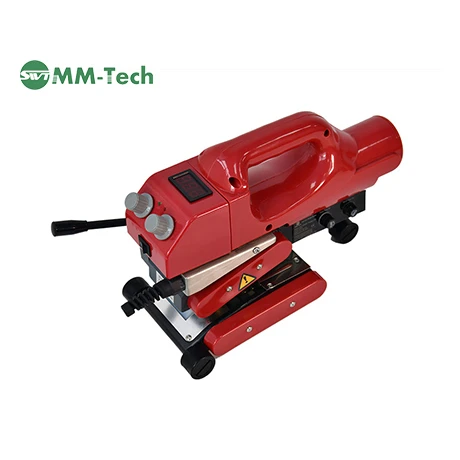

Hướng dẫn vận hành máy hàn Geo Hot Wedge có màn hình hiển thị kỹ thuật số SWT NS800D
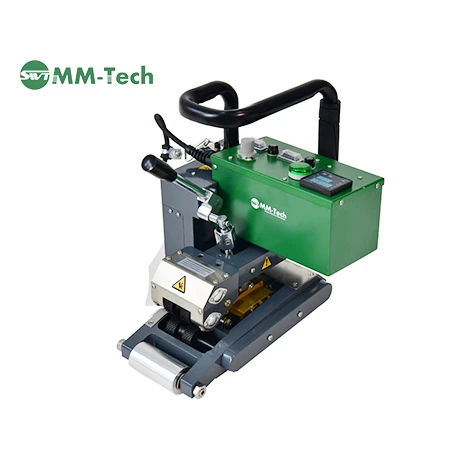
Hướng dẫn vận hành máy hàn Geo Hot Wedge hạng nặng SWT-NS900
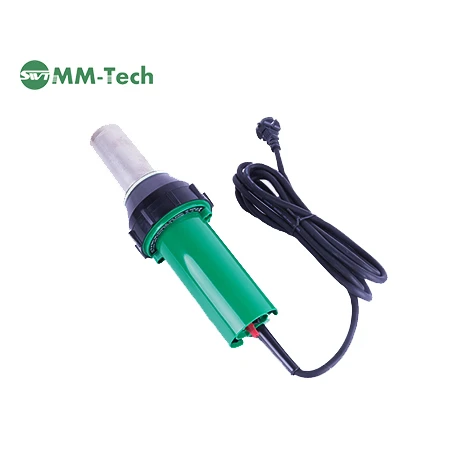
Hướng dẫn sử dụng dụng cụ khí nóng chuyên nghiệp mạnh mẽ SWT-NS3400A
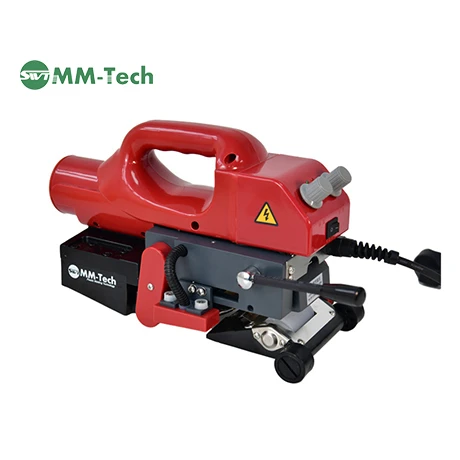
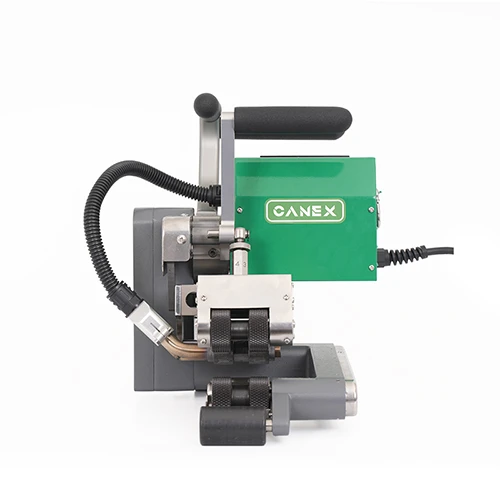
Hướng dẫn vận hành máy hàn Geo Hot Wedge SWT NS800
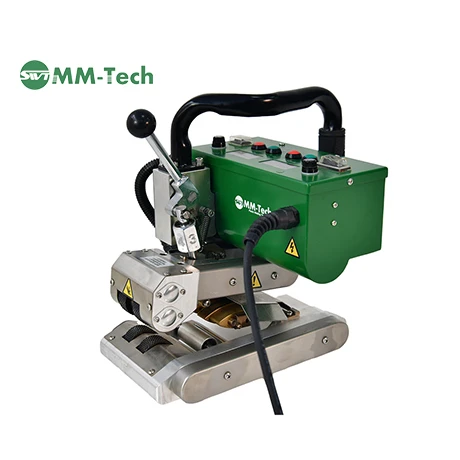
Hướng dẫn vận hành máy hàn nêm nóng HDPE nhỏ gọn SWT-NSGM1
Tin tức liên quan
2026-02-24 11:15:19
Comprehensive Guide to Plastic Extrusion Welding Machine Technology and Applications
Plastic extrusion welding machines are vital tools in numerous industries, facilitating the joining of thermoplastic materials with precision and efficiency. From constructing large tanks and vessels to fabricating pipelines and specialized components, these machines offer a robust and reliable solution. Understanding the different types, applications, and key features is crucial for making informed investment decisions. At MMTech Weld, we specialize in delivering high-quality plastic extrusion welding solutions tailored to diverse industrial needs. Choosing the right machine can significantly impact your production efficiency and the quality of your finished products. Plastic extrusion welding is a process where thermoplastic materials are melted and fused together using heat and pressure. The machine precisely controls the temperature, feed rate, and welding speed to create strong, leak-proof joints. These machines typically consist of a heating element, feed roller, welding shoe, and control panel. Different types of machines cater to specific applications and materials, ranging from portable units for smaller projects to automated systems for large-scale production. The key to a successful weld is ensuring consistent heat distribution and proper material compatibility.
2026-02-11 02:45:23
Comprehensive Guide to Plastic Extrusion Welding Techniques and Equipment Selection
Plastic extrusion welding is a versatile and efficient process used to join thermoplastic materials. This technique is widely employed across various industries, from automotive and construction to marine and chemical processing. At MM Tech Weld, we specialize in providing high-quality plastic extrusion welders and related solutions. This article delves into the intricacies of plastic extrusion welding, its applications, benefits, and key considerations for choosing the right equipment. Understanding this process can significantly improve your project efficiency and product quality. Plastic extrusion welding is a process where a thermoplastic welding material, typically a rod or wire, is melted and fed into the joint between two thermoplastic workpieces. The welding material is melted using a heated shoe, and as it cools, it fuses the two pieces together, creating a strong, leak-proof bond. Unlike other welding methods, extrusion welding doesn’t require the base materials to be completely melted, making it ideal for thicker sections and on-site repairs.
2026-01-30 14:55:50
Comprehensive Guide to Hand Extrusion Welder Applications and Selection
A hand extrusion welder is a portable and versatile tool used for joining thermoplastic materials. It’s a crucial piece of equipment in various industries, from plastic fabrication to pipeline repair. This article provides a comprehensive guide to hand extrusion welders, exploring their applications, benefits, key considerations when choosing one, and how MM Tech Weld delivers high-quality solutions. Understanding this technology allows professionals to optimize welding processes and achieve durable, reliable results. A hand extrusion welder operates by melting thermoplastic welding rods and extruding the molten material into the joint to be welded. The welder consists of a heating element, a feed mechanism for the welding rods, and a shoe or nozzle that guides the molten plastic.
2026-01-28 11:20:05
Comprehensive Guide to Pressure Leak Detectors for Enhanced Safety and Efficiency
In industries dealing with gases, vacuum systems, and pressurized environments, identifying leaks quickly and accurately is paramount for safety, efficiency, and cost control. A pressure leak detector is a critical tool for these applications, offering a non-destructive method to pinpoint even the smallest breaches in containment. This article will explore the different types of pressure leak detectors, their applications, advantages, and considerations for choosing the right detector for your specific needs. Efficient leak detection translates directly to minimized product loss, reduced energy consumption, and a safer working environment. Several technologies are employed in pressure leak detectors, each with its strengths and weaknesses. Some common types include: Bubble leak detectors, using a soap solution to reveal leaks as bubbles; Halogen leak detectors, sensitive to halogen-containing refrigerants; Ultrasonic leak detectors, detecting the high-frequency sound generated by escaping gas; and Mass spectrometer leak detectors (helium leak detectors), offering extremely high sensitivity by identifying helium molecules.
2026-01-27 22:55:02
Comprehensive Guide to Vacuum Leak Detection and Repair Techniques
Detecting and repairing vacuum leaks is crucial for maintaining optimal performance in various systems, from automotive engines to industrial processes. A seemingly small leak can lead to significant inefficiencies, reduced power, and even system failure. This article will provide a detailed look into understanding vacuum leaks, the tools used to find them – specifically, vacuum leak finders – troubleshooting techniques, and preventative measures. We’ll cover common causes, best practices, and how to choose the right equipment for your needs. Addressing vacuum leaks promptly can save you time, money, and potential headaches. Several methods can be used to locate vacuum leaks. The most basic involves a visual inspection of hoses, gaskets, and connections. However, many leaks are small and difficult to detect with the naked eye.
2026-01-27 19:55:20
Bullseye Leak Detector A Comprehensive Guide for Efficient Leak Detection
Maintaining the integrity of pressurized systems is critical in numerous industries, from HVAC and refrigeration to automotive and plumbing. A seemingly small leak can lead to significant inefficiencies, costly repairs, and even safety hazards. The Bullseye leak detector is a powerful tool designed to quickly and accurately pinpoint leaks in a variety of applications. This article will delve into the features, benefits, and applications of this versatile detector, ensuring you can effectively identify and address leaks before they escalate. Accurate leak detection is paramount for ensuring system efficiency and safety, and the Bullseye provides a reliable solution for professionals across various trades.
2026-01-27 18:25:14
Wegener Extrusion Welder Technology for Robust Thermoplastic Joining Solutions
When it comes to reliable and efficient solutions for joining thermoplastic materials, a Wegener Extrusion Welder stands as a leading choice. Known for its precision and durability, Wegener technology is trusted by professionals in diverse industries. This article delves into the features, applications, and benefits of Wegener Extrusion Welders, providing a thorough overview for those seeking a robust welding solution. Choosing the right equipment can significantly impact project quality and efficiency, and Wegener consistently delivers. Wegener extrusion welding utilizes a specialized machine that melts thermoplastic material and precisely extrudes it onto the joint area. This process creates a strong, homogenous weld, free from the weaknesses often associated with other joining methods. The controlled heat input minimizes distortion and stress on the materials. Unlike traditional welding techniques, it is exceptionally well-suited for large diameter pipe and complex geometries. MM Tech Weld’s Wegener machines offer unparalleled control and consistency for critical applications.
2026-01-25 02:10:06
Extrusion Welding HDPE Liner: A Guide
Learn about extrusion welding HDPE liner for industrial applications. Material specs, vendor comparison & why it’s a top choice for containment.
ĐĂNG KÝ NHẬN BẢN TIN
Dear customer, thank you for your attention! We provide high-quality machinery and equipment and look forward to your orders. Please inform us of your needs and we will respond quickly!






 Vietnamese
 Arabic
 Bengali
 Czech
 Dutch
 English
 Finnish
 French
 German
 Hungarian
 Italian
 Japanese
 Korean
 Latin
 Norwegian
 Polish
 Portuguese
 Russian
 Spanish
 Thai