
-
 Email:news@peweldingmachine.com, sales2@peweldingmachine.com
-
 +86-137 3974 5191
-
 Hozzáadás:
NO.355, Youyi Street, Qiaoxi District, Shijiazhuang, Hebei, Kína.



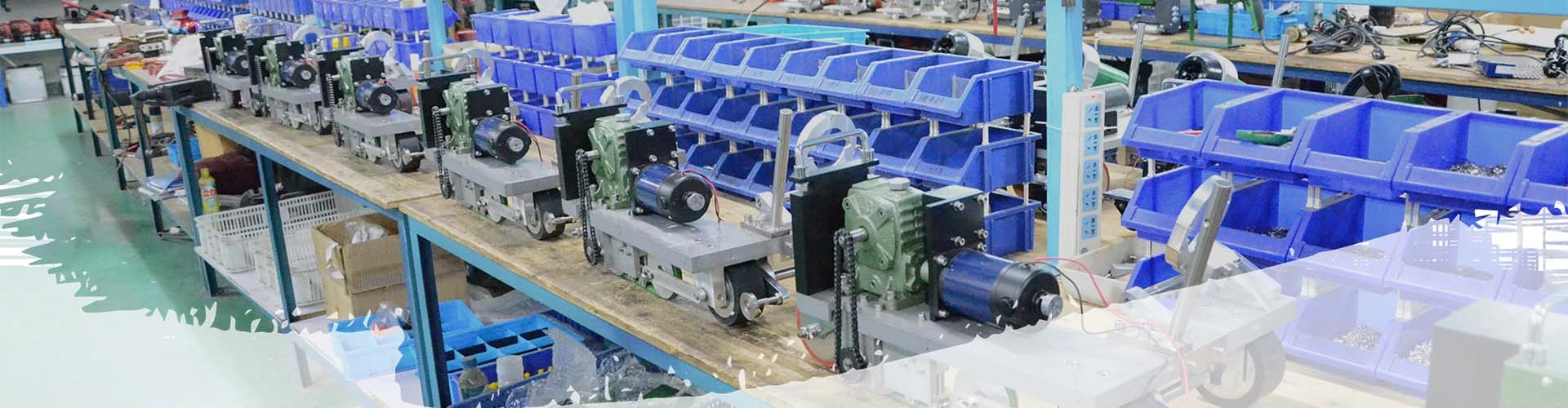
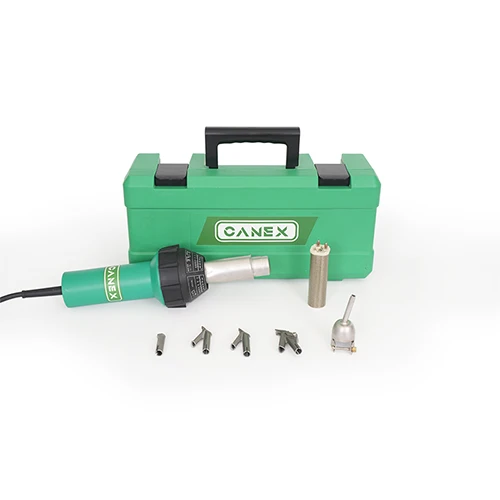
Extrúziós műanyag hegesztőpisztoly hegesztő geomembrán

Extrúziós műanyag hegesztőpisztoly hegesztő geomembrán
jan . 2025. 16. 18:14
A HDPE geomembránhoz két hegesztési módszer létezik: kétvágányú forró olvadékhegesztés és egyvarratos extrudáló hegesztés. A HDPE geomembrán konstrukciója során gyakran találkoznak olyan területek, amelyek nem hegeszthetők kétvágányú hegesztőgépekkel, mint például a csövek és a cementbeton csatlakozása. Ilyen esetekben egyvarratú extrudáló hegesztőpisztolyra van szükség.
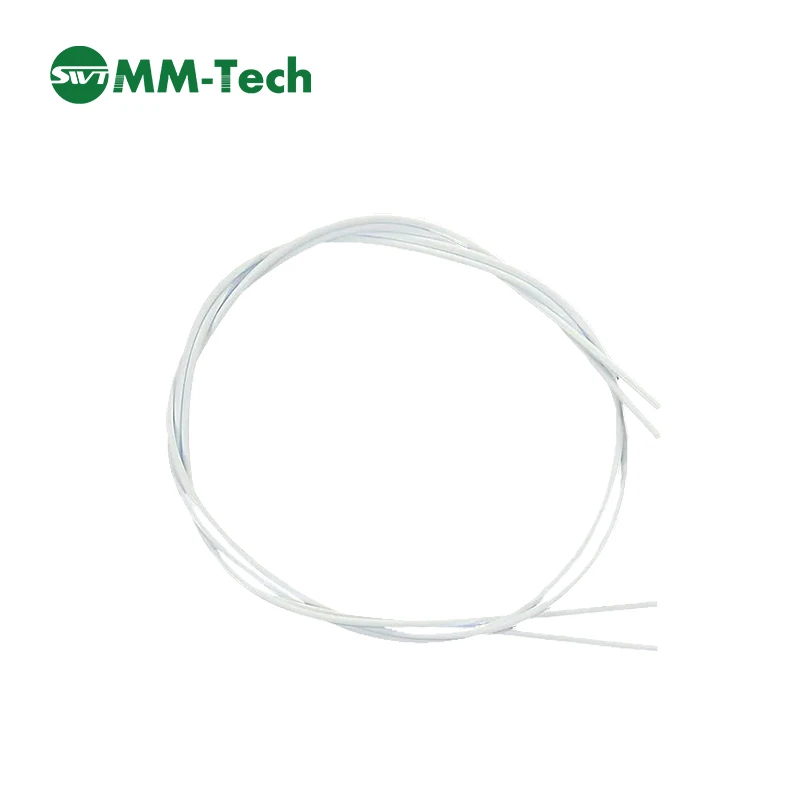
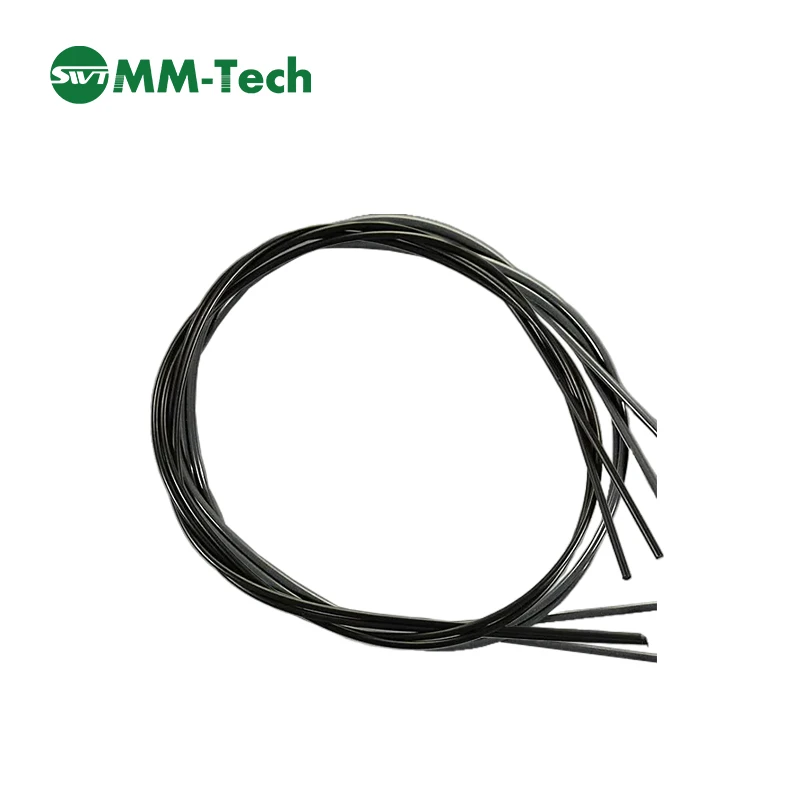
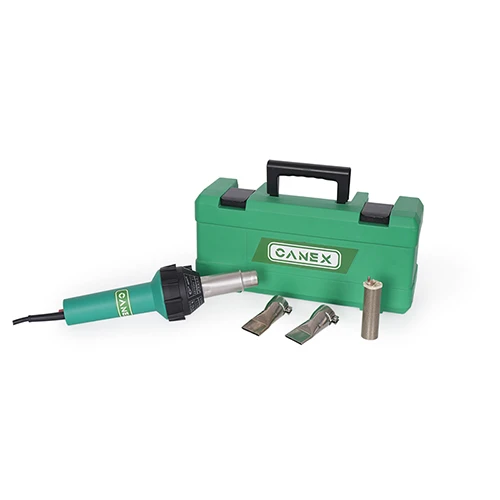
Az egyvarratú extrudáló hegesztőpisztoly, más néven PP/PE műanyag extrudáló hegesztőgép, egy olyan eszköz, amely a geomembránt műanyag hegesztőpálcákkal hegeszti. A hegesztési sebesség 1,6-3,5 kilogramm hegesztőpálca óránként. Folyamatosan több órán át tud működni, és nagyobb hézagoknál tökéletes egyszeri hegesztési formát tud elérni. A geomembrán hegesztésben általánosan használt eszköz. Főleg egyes, kétvágányú melegen olvadó hegesztőgépekkel nem hegeszthető részek hegesztésére, valamint a varrat hibás és sérült részeinek javítására szolgál.
- Az extrudáló hegesztés építési specifikációinak követelményei a következők:
- Ellenőrizze, hogy az alap a csatlakozásnál lapos és szilárd-e. Ha idegen anyag van, azt előre megfelelően kezelni kell. Ellenőrizze, hogy megfelelő-e az átfedés szélessége a hegesztésnél (≥ 60 mm). Az ízületnél a membránnak laposnak kell lennie, mérsékelten feszesnek kell lennie, és nem képezhet "halszájt".
- Elhelyezés és ragasztás: Használjon forró levegős pisztolyt a két membrán átfedő részeinek ragasztásához. A ragasztási pontok közötti távolság nem lehet nagyobb 60-80 mm-nél. A meleg levegő hőmérsékletét úgy kell szabályozni, hogy ne égesse le a HDPE geomembránt és ne szakadjon el könnyen.
- Érdesítés: Használjon érdesítőgépet a membrán felületének érdesítésére a hegesztési varratnál 30-40 mm szélességi tartományban az alapos tisztítás érdekében, és durva felületet alakítson ki az érintkezési felület növelése érdekében, de a mélység nem haladhatja meg a membrán vastagságának 10%-át. Érdesítéskor óvatosan működjön, és próbálja meg minimalizálni a membrán felületének sérülését. A 2 mm-es vagy annál nagyobb vastagságú membránok esetében 45°-os hornyot kell készíteni.
- Próbahegesztés: A formális hegesztés előtt vegyen egy legalább 300 × 600 mm-es kis mintát, és előzetesen határozza meg a berendezés paramétereit a próbahegesztési tapasztalatok alapján. Ezután vágja le a próbadarabot, és végezzen nyírási és leválasztási vizsgálatokat szakítógépen. Ha a vizsgálati eredmények megfelelnek a követelményeknek, zárja le a berendezés paramétereit, és ennek megfelelően hegesztje. Ellenkező esetben állítsa be újra a gépet, végezzen próbahegesztést és tesztelést, amíg megfelelő minősítést nem kap.
A sikeres vagy sikertelen próbahegesztés értékelési kritériumai a következők:
A ragasztott hegesztési varraton végzett nyírási és leválási vizsgálatok során csak a membrán szakadhat el, és a hegesztési kötés (pl. FTB) nem sérülhet meg.
- Az extrudáló hegesztőgép hegesztési folyamatának követelményei a következők:
- Hegesztéskor a hegesztőfejet eltérés nélkül egy vonalba kell helyezni a kötéssel, és nem megengedett a csúszóhegesztés és a hegesztés kihagyása.
- A hegesztési varrat középpontjában a vastagság általában a szivárgásgátló membrán vastagságának 2,5-szerese, de legalább 3 mm.
- Ha egy kötés nem hegeszthető folyamatosan, akkor a kötés hegesztett részét legalább 50 mm-re érdesíteni kell, majd átlapos hegeszteni.
- A használt hegesztőrudakat tisztán és szárazon kell tartani, mielőtt a gépbe kerül. Ne törölje le a hegesztőpálcákat kesztyűvel, piszkos ruhával, pamutfonalakkal stb. olajfoltokkal és szennyeződésekkel.
- A hegesztési varraton azonnal végezzen hűtést a hőmérsékletnek megfelelően.
- Ha az extrudáló hegesztési művelet valamilyen okból megszakad, a hegesztőpálca extrudálási mennyiségét fokozatosan csökkenteni kell. Ne szakítsa meg hirtelen a hegesztést. Az építkezés újraindításakor érdesítse azt a részt, ahol megszakadt, majd hegesztje.
- Az extrudáló hegesztést végző csapat általában 3-4 főből áll. Az érdesítési eljárást egy lépéssel előre kell elvégezni megfelelően, de nem túl sokat előre. A hűtésért felelős személynek időben kell lennie. A hegesztőpálcáért felelős személynek alkalmazkodnia kell a hegesztési sebességhez.
- Hibafelismerés és -javítás
A hibafeltárást minden hegesztéssel ellátott és hegesztés nélküli területen el kell végezni.
A hibajelzés három lépése:
- A hegesztési varrat vagy más részek sérüléseit be kell karikázni, és a körben egy "P"-t kell jelölni, jelezve, hogy ez az alkatrész javításra szorul.
- Ha a sérülés nem olyan súlyos, mint egy tényleges lyuk, csak karikázza be, jelezve, hogy extrudáló hegesztéssel javítható.
- Minden javítás után roncsolásmentes vizsgálatot kell végezni, végül pedig a helyszíni felügyelőnek átfogó vizsgálatot kell végezni.
Javítási eljárások:
- A következő módszerek önmagukban vagy kombinációban használhatók:
Lyukak, szakadások, HDPE geomembrán alapanyagok egyenetlen eloszlása - extrudáló hegesztéssel javítva;
Extrudáló hegesztés okozta kisebb javítások - köszörülés után újrahegesztés;
Nem minősített hegesztések - HDPE geomembrán réteggel történő lefedés után újrahegesztés.
- Ügyeljen arra, hogy a javítás során a területet tisztán és szárazon tartsa, hogy a berendezés normálisan és meghibásodás nélkül működjön.
- Minden javításnak vagy burkolatnak legalább 120 cm-rel túl kell nyúlnia a sérült részen, és le kell kerekíteni.
Kész geomembrán védelme:
- A burkolt és hegesztett geomembránon való járás során ne viseljen kemény talpú cipőt, és ne legyen szög, vastalp vagy egyéb, ami károsíthatja a geomembránt a cipőn.
- A szerelés során, valamint a geomembrán burkolása és hegesztése után szigorúan tilos a helyszínen dohányozni, gyufát, öngyújtót, vegyi oldószert vagy hasonló tárgyakat használni.
- A membránon történő szállításkor a talicska fém lábait puha gumi anyagokkal kell lefedni. Ha autóval szállít anyagot, próbálja meg elkerülni, hogy az autó a membránon fusson. Ha valóban a membránra kell hajtani, akkor a membrán alatti alap helyzetének megfelelően meg kell tenni a szükséges védőintézkedéseket. Ha a membrán alatti alap egy minősített, nem kő, sűrű agyagréteg, akkor az autó egyenesen haladhat. Ellenkező esetben talajmembránt vagy geotextíliát kell a membránra felvinni, és az autó nem hajthat végre éles kanyarokat.
- Amikor az anyagokat a membránra rakjuk le, még akkor sem, ha van geotextília védőréteg, a nehéz és kemény tárgyakat ne ejtsük le a magasból, és ne érintsék közvetlenül a szivárgásgátló réteget.
- Az építkezés során elegendő ideiglenes homokzsákot kell készíteni, hogy a lefektetett geomembránt ne robbantsa fel az erős szél. Erős szél esetén a geomembránt ideiglenesen le kell horgonyozni.

Kapcsolódó termékek

Kapcsolódó videó
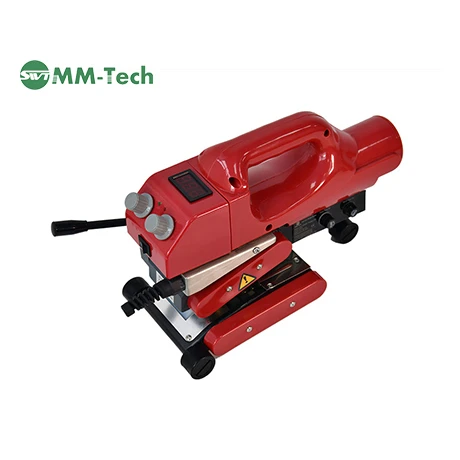

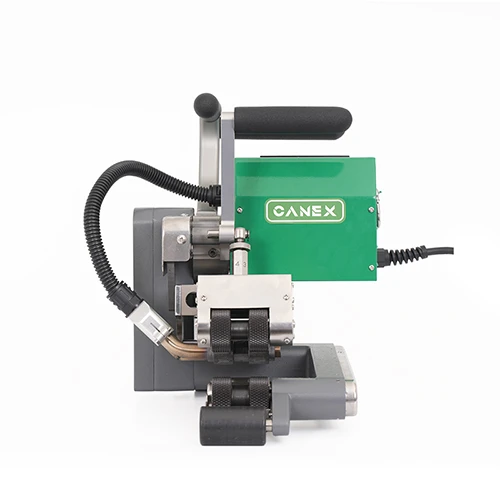
Geo forró ékhegesztő digitális kijelzővel SWT NS800D kezelési útmutató
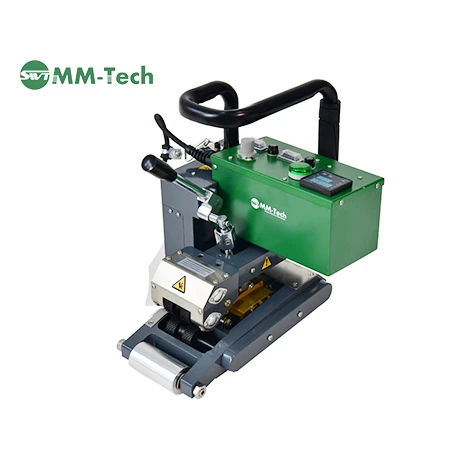
Nagy teherbírású Geo forróékes hegesztő SWT-NS900 kezelési útmutató
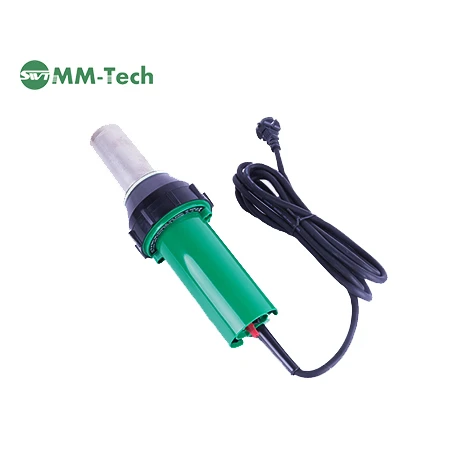
Erőteljes professzionális forrólevegős szerszám SWT-NS3400A kezelési útmutató
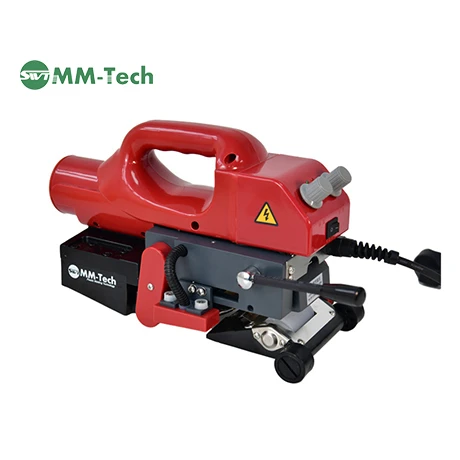
Geo Hot Wedge Welder SWT NS800 kezelési útmutató
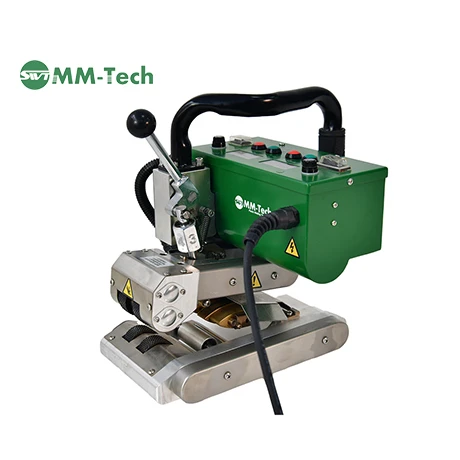
Kompakt HDPE melegékes hegesztőgép SWT-NSGM1 kezelési útmutató
Kapcsolódó hírek
2026-02-24 11:15:19
Comprehensive Guide to Plastic Extrusion Welding Machine Technology and Applications
Plastic extrusion welding machines are vital tools in numerous industries, facilitating the joining of thermoplastic materials with precision and efficiency. From constructing large tanks and vessels to fabricating pipelines and specialized components, these machines offer a robust and reliable solution. Understanding the different types, applications, and key features is crucial for making informed investment decisions. At MMTech Weld, we specialize in delivering high-quality plastic extrusion welding solutions tailored to diverse industrial needs. Choosing the right machine can significantly impact your production efficiency and the quality of your finished products. Plastic extrusion welding is a process where thermoplastic materials are melted and fused together using heat and pressure. The machine precisely controls the temperature, feed rate, and welding speed to create strong, leak-proof joints. These machines typically consist of a heating element, feed roller, welding shoe, and control panel. Different types of machines cater to specific applications and materials, ranging from portable units for smaller projects to automated systems for large-scale production. The key to a successful weld is ensuring consistent heat distribution and proper material compatibility.
2026-02-11 02:45:23
Comprehensive Guide to Plastic Extrusion Welding Techniques and Equipment Selection
Plastic extrusion welding is a versatile and efficient process used to join thermoplastic materials. This technique is widely employed across various industries, from automotive and construction to marine and chemical processing. At MM Tech Weld, we specialize in providing high-quality plastic extrusion welders and related solutions. This article delves into the intricacies of plastic extrusion welding, its applications, benefits, and key considerations for choosing the right equipment. Understanding this process can significantly improve your project efficiency and product quality. Plastic extrusion welding is a process where a thermoplastic welding material, typically a rod or wire, is melted and fed into the joint between two thermoplastic workpieces. The welding material is melted using a heated shoe, and as it cools, it fuses the two pieces together, creating a strong, leak-proof bond. Unlike other welding methods, extrusion welding doesn’t require the base materials to be completely melted, making it ideal for thicker sections and on-site repairs.
2026-01-30 14:55:50
Comprehensive Guide to Hand Extrusion Welder Applications and Selection
A hand extrusion welder is a portable and versatile tool used for joining thermoplastic materials. It’s a crucial piece of equipment in various industries, from plastic fabrication to pipeline repair. This article provides a comprehensive guide to hand extrusion welders, exploring their applications, benefits, key considerations when choosing one, and how MM Tech Weld delivers high-quality solutions. Understanding this technology allows professionals to optimize welding processes and achieve durable, reliable results. A hand extrusion welder operates by melting thermoplastic welding rods and extruding the molten material into the joint to be welded. The welder consists of a heating element, a feed mechanism for the welding rods, and a shoe or nozzle that guides the molten plastic.
2026-01-28 11:20:05
Comprehensive Guide to Pressure Leak Detectors for Enhanced Safety and Efficiency
In industries dealing with gases, vacuum systems, and pressurized environments, identifying leaks quickly and accurately is paramount for safety, efficiency, and cost control. A pressure leak detector is a critical tool for these applications, offering a non-destructive method to pinpoint even the smallest breaches in containment. This article will explore the different types of pressure leak detectors, their applications, advantages, and considerations for choosing the right detector for your specific needs. Efficient leak detection translates directly to minimized product loss, reduced energy consumption, and a safer working environment. Several technologies are employed in pressure leak detectors, each with its strengths and weaknesses. Some common types include: Bubble leak detectors, using a soap solution to reveal leaks as bubbles; Halogen leak detectors, sensitive to halogen-containing refrigerants; Ultrasonic leak detectors, detecting the high-frequency sound generated by escaping gas; and Mass spectrometer leak detectors (helium leak detectors), offering extremely high sensitivity by identifying helium molecules.
2026-01-27 22:55:02
Comprehensive Guide to Vacuum Leak Detection and Repair Techniques
Detecting and repairing vacuum leaks is crucial for maintaining optimal performance in various systems, from automotive engines to industrial processes. A seemingly small leak can lead to significant inefficiencies, reduced power, and even system failure. This article will provide a detailed look into understanding vacuum leaks, the tools used to find them – specifically, vacuum leak finders – troubleshooting techniques, and preventative measures. We’ll cover common causes, best practices, and how to choose the right equipment for your needs. Addressing vacuum leaks promptly can save you time, money, and potential headaches. Several methods can be used to locate vacuum leaks. The most basic involves a visual inspection of hoses, gaskets, and connections. However, many leaks are small and difficult to detect with the naked eye.
2026-01-27 19:55:20
Bullseye Leak Detector A Comprehensive Guide for Efficient Leak Detection
Maintaining the integrity of pressurized systems is critical in numerous industries, from HVAC and refrigeration to automotive and plumbing. A seemingly small leak can lead to significant inefficiencies, costly repairs, and even safety hazards. The Bullseye leak detector is a powerful tool designed to quickly and accurately pinpoint leaks in a variety of applications. This article will delve into the features, benefits, and applications of this versatile detector, ensuring you can effectively identify and address leaks before they escalate. Accurate leak detection is paramount for ensuring system efficiency and safety, and the Bullseye provides a reliable solution for professionals across various trades.
2026-01-27 18:25:14
Wegener Extrusion Welder Technology for Robust Thermoplastic Joining Solutions
When it comes to reliable and efficient solutions for joining thermoplastic materials, a Wegener Extrusion Welder stands as a leading choice. Known for its precision and durability, Wegener technology is trusted by professionals in diverse industries. This article delves into the features, applications, and benefits of Wegener Extrusion Welders, providing a thorough overview for those seeking a robust welding solution. Choosing the right equipment can significantly impact project quality and efficiency, and Wegener consistently delivers. Wegener extrusion welding utilizes a specialized machine that melts thermoplastic material and precisely extrudes it onto the joint area. This process creates a strong, homogenous weld, free from the weaknesses often associated with other joining methods. The controlled heat input minimizes distortion and stress on the materials. Unlike traditional welding techniques, it is exceptionally well-suited for large diameter pipe and complex geometries. MM Tech Weld’s Wegener machines offer unparalleled control and consistency for critical applications.
2026-01-25 02:10:06
Extrusion Welding HDPE Liner: A Guide
Learn about extrusion welding HDPE liner for industrial applications. Material specs, vendor comparison & why it’s a top choice for containment.
HÍRLEVÉLRE ELŐFIZETÉS
Dear customer, thank you for your attention! We provide high-quality machinery and equipment and look forward to your orders. Please inform us of your needs and we will respond quickly!






 Hungarian
 Arabic
 Bengali
 Czech
 Dutch
 English
 Finnish
 French
 German
 Italian
 Japanese
 Korean
 Latin
 Norwegian
 Polish
 Portuguese
 Russian
 Spanish
 Thai
 Vietnamese