
-
 Email:news@peweldingmachine.com, sales2@peweldingmachine.com
-
 +86-137 3974 5191
-
 เพิ่ม:
เลขที่ 355 ถนน Youyi เขต Qiaoxi ฉือเจียจวง เหอเป่ย ประเทศจีน



เชื่อมพอลิเมอร์อย่างไร เรียนรู้เกี่ยวกับบทบาทของเครื่องเชื่อมพอลิเมอร์ด้วยลมร้อน

เชื่อมพอลิเมอร์อย่างไร เรียนรู้เกี่ยวกับบทบาทของเครื่องเชื่อมพอลิเมอร์ด้วยลมร้อน
ม.ค. . 17, 2025 14:22
การเชื่อมพอลิเมอร์เป็นกระบวนการเฉพาะทางที่ต้องอาศัยความเข้าใจอย่างลึกซึ้งเกี่ยวกับวัสดุที่เกี่ยวข้องและเทคนิคการเชื่อมต่อของวัสดุเหล่านั้น หนึ่งในเครื่องมือที่มีประสิทธิภาพมากที่สุดสำหรับงานนี้ก็คือเครื่องเชื่อมพอลิเมอร์ด้วยลมร้อน ซึ่งใช้ลมร้อนในการหลอมขอบของชิ้นส่วนพอลิเมอร์ที่จะเชื่อมต่อ บทความนี้จะกล่าวถึงกระบวนการเชื่อมพอลิเมอร์ ข้อดีของการใช้เครื่องเชื่อมลมร้อน และแนวทางปฏิบัติที่ดีที่สุดบางประการเพื่อให้แน่ใจว่าจะเชื่อมได้สำเร็จ
ทำความเข้าใจการเชื่อมโพลีเมอร์
พอลิเมอร์, หรือพลาสติก ถูกนำมาใช้ในอุตสาหกรรมต่างๆ มากมาย เนื่องจากมีน้ำหนักเบา ทนทาน และใช้งานได้หลากหลาย อย่างไรก็ตาม การเชื่อมวัสดุเหล่านี้เข้าด้วยกันอาจเป็นเรื่องท้าทาย เนื่องจากการเชื่อมนั้นแตกต่างจากการเชื่อมโลหะ แทนที่จะหลอมละลายและหลอมรวมกัน พอลิเมอร์ต้องใช้เทคนิคเฉพาะเพื่อสร้างพันธะที่แข็งแรง การเชื่อมเป็นวิธีที่มีประสิทธิภาพที่สุดวิธีหนึ่งในการเชื่อมวัสดุพอลิเมอร์ และสามารถทำได้โดยใช้เทคนิคต่างๆ รวมถึงการเชื่อมลมร้อน
ฟังก์ชั่นของเครื่องเชื่อมลมร้อนโพลีเมอร์
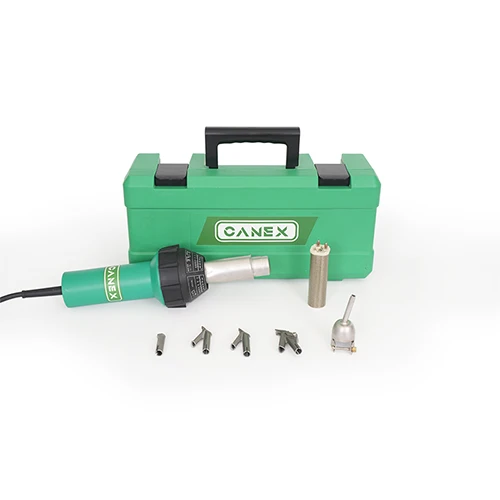
เครื่องเชื่อมโพลีเมอร์แบบลมร้อนเป็นเครื่องมือที่ออกแบบมาโดยเฉพาะสำหรับการเชื่อมวัสดุเทอร์โมพลาสติก โดยทำงานโดยการเป่าลมร้อนลงบนพื้นผิวโพลีเมอร์ที่จะเชื่อมเข้าด้วยกัน ซึ่งจะทำให้อุณหภูมิของโพลีเมอร์สูงขึ้นจนถึงจุดที่ยืดหยุ่นได้และสามารถหลอมรวมเข้าด้วยกันได้ โดยทั่วไปกระบวนการนี้ประกอบด้วยขั้นตอนต่อไปนี้:
- การเตรียมการ: ก่อนการเชื่อม จะต้องทำความสะอาดและเตรียมพื้นผิวโพลิเมอร์ก่อน ซึ่งอาจต้องกำจัดสิ่งปนเปื้อน เช่น สิ่งสกปรกหรือจารบีที่อาจขัดขวางกระบวนการเชื่อม
- การเชื่อม: เมื่อขอบโพลีเมอร์ถึงอุณหภูมิที่เหมาะสมแล้ว ก็กดให้ติดกัน อุณหภูมิที่สูงจะทำให้พื้นผิวละลายเล็กน้อย ทำให้สามารถเชื่อมติดกันได้เมื่อเย็นลง
- การระบายความร้อน: หลังจากเชื่อมเสร็จแล้ว จะต้องปล่อยให้รอยเชื่อมเย็นลงอย่างเหมาะสม เพื่อให้แน่ใจว่าการยึดติดจะแข็งแรงและทนทาน
ข้อดีของการใช้เครื่องเชื่อมลมร้อนโพลีเมอร์
การใช้เครื่องเชื่อมโพลีเมอร์ด้วยลมร้อนเพื่อเชื่อมโพลีเมอร์มีข้อดีหลายประการ:
- อเนกประสงค์: เครื่องเชื่อมลมร้อนสามารถใช้กับวัสดุเทอร์โมพลาสติกได้หลากหลายชนิด เช่น พีวีซี โพลีเอทิลีน และโพลีโพรพิลีน จึงเหมาะสำหรับการใช้งานหลากหลาย ตั้งแต่การผลิตในเชิงอุตสาหกรรมไปจนถึงโครงการ DIY
- การควบคุม: ความสามารถในการควบคุมอุณหภูมิและการไหลของอากาศช่วยให้ควบคุมกระบวนการเชื่อมได้อย่างแม่นยำ ซึ่งถือเป็นสิ่งสำคัญในการเชื่อมให้แข็งแรงและเชื่อถือได้โดยไม่ทำให้วัสดุเสียหาย
- ความสะดวกในการพกพา: เครื่องเชื่อมลมร้อนหลายรุ่นมีน้ำหนักเบาและพกพาสะดวก ทำให้ใช้งานได้ง่ายในสถานที่และสภาพแวดล้อมต่างๆ
- คุ้มต้นทุน: การเชื่อมด้วยลมร้อนมีประสิทธิภาพคุ้มต้นทุนมากกว่าวิธีการเชื่อมแบบอื่น โดยเฉพาะอย่างยิ่งสำหรับโครงการขนาดเล็กหรือการซ่อมแซม
แนวทางปฏิบัติที่ดีที่สุดสำหรับการเชื่อมโพลิเมอร์
หากต้องการผลลัพธ์ที่ดีที่สุดในการเชื่อมโพลีเมอร์ด้วยเครื่องเชื่อมลมร้อน ควรพิจารณาแนวทางปฏิบัติที่ดีที่สุดดังต่อไปนี้:
- เลือกอุณหภูมิที่เหมาะสม: โพลิเมอร์แต่ละชนิดมีจุดหลอมเหลวต่างกัน ควรอ่านคำแนะนำของผู้ผลิตเพื่อกำหนดอุณหภูมิที่เหมาะสมสำหรับวัสดุที่คุณใช้
- วางมือให้นิ่ง: เมื่อเป่าลมร้อน ให้วางหัวฉีดให้ห่างจากวัสดุในระยะที่สม่ำเสมอ เพื่อให้แน่ใจว่าได้รับความร้อนอย่างทั่วถึง
การเชื่อมพอลิเมอร์โดยใช้เครื่องเชื่อมลมร้อนพอลิเมอร์เป็นวิธีการที่มีประสิทธิภาพและหลากหลายในการสร้างพันธะที่แข็งแรงและคงทน ด้วยการทำความเข้าใจกระบวนการและปฏิบัติตามแนวทางปฏิบัติที่ดีที่สุด คุณจะสามารถบรรลุผลลัพธ์คุณภาพระดับมืออาชีพในโครงการเชื่อมของคุณได้ ไม่ว่าคุณจะอยู่ในสภาพแวดล้อมทางอุตสาหกรรมหรือกำลังทำโครงการ DIY การเชี่ยวชาญศิลปะการเชื่อมพอลิเมอร์สามารถเปิดโลกแห่งความเป็นไปได้มากมาย

สินค้าที่เกี่ยวข้อง

วีดีโอที่เกี่ยวข้อง
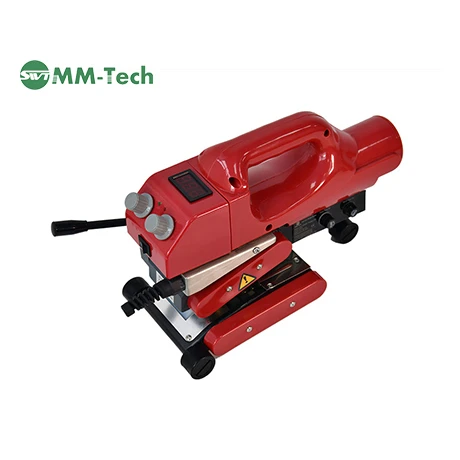

เครื่องเชื่อม Geo Hot Wedge พร้อมจอแสดงผลแบบดิจิตอล คู่มือการใช้งาน SWT NS800D
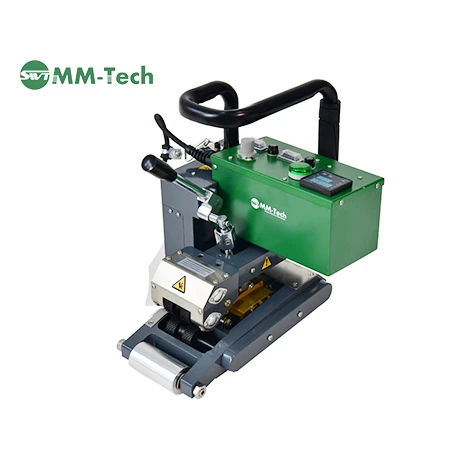
คู่มือการทำงานของเครื่องเชื่อมแบบ Geo Hot Wedge สำหรับงานหนัก รุ่น SWT-NS900
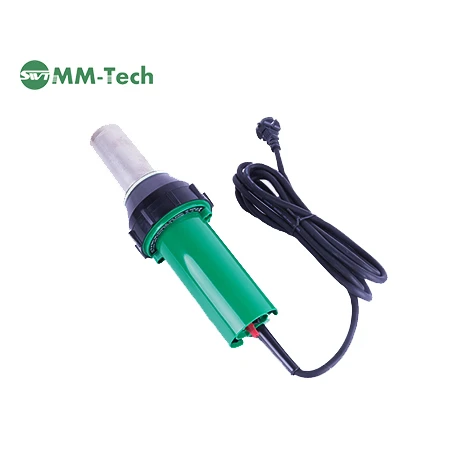
คู่มือการใช้งานเครื่องเป่าลมร้อนระดับมืออาชีพที่ทรงพลัง SWT-NS3400A
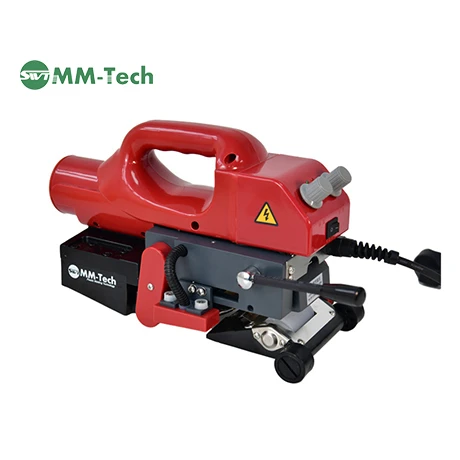
คู่มือการทำงานของเครื่องเชื่อม Geo Hot Wedge รุ่น SWT NS800
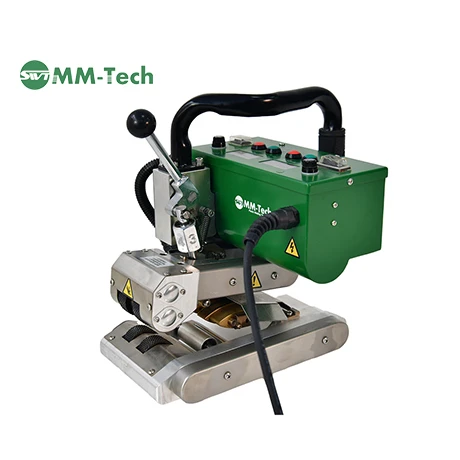
คู่มือการใช้งานเครื่องเชื่อม HDPE แบบเวดจ์ร้อนขนาดกะทัดรัด SWT-NSGM1
ข่าวที่เกี่ยวข้อง
2026-02-24 11:15:19
Comprehensive Guide to Plastic Extrusion Welding Machine Technology and Applications
Plastic extrusion welding machines are vital tools in numerous industries, facilitating the joining of thermoplastic materials with precision and efficiency. From constructing large tanks and vessels to fabricating pipelines and specialized components, these machines offer a robust and reliable solution. Understanding the different types, applications, and key features is crucial for making informed investment decisions. At MMTech Weld, we specialize in delivering high-quality plastic extrusion welding solutions tailored to diverse industrial needs. Choosing the right machine can significantly impact your production efficiency and the quality of your finished products. Plastic extrusion welding is a process where thermoplastic materials are melted and fused together using heat and pressure. The machine precisely controls the temperature, feed rate, and welding speed to create strong, leak-proof joints. These machines typically consist of a heating element, feed roller, welding shoe, and control panel. Different types of machines cater to specific applications and materials, ranging from portable units for smaller projects to automated systems for large-scale production. The key to a successful weld is ensuring consistent heat distribution and proper material compatibility.
2026-02-11 02:45:23
Comprehensive Guide to Plastic Extrusion Welding Techniques and Equipment Selection
Plastic extrusion welding is a versatile and efficient process used to join thermoplastic materials. This technique is widely employed across various industries, from automotive and construction to marine and chemical processing. At MM Tech Weld, we specialize in providing high-quality plastic extrusion welders and related solutions. This article delves into the intricacies of plastic extrusion welding, its applications, benefits, and key considerations for choosing the right equipment. Understanding this process can significantly improve your project efficiency and product quality. Plastic extrusion welding is a process where a thermoplastic welding material, typically a rod or wire, is melted and fed into the joint between two thermoplastic workpieces. The welding material is melted using a heated shoe, and as it cools, it fuses the two pieces together, creating a strong, leak-proof bond. Unlike other welding methods, extrusion welding doesn’t require the base materials to be completely melted, making it ideal for thicker sections and on-site repairs.
2026-01-30 14:55:50
Comprehensive Guide to Hand Extrusion Welder Applications and Selection
A hand extrusion welder is a portable and versatile tool used for joining thermoplastic materials. It’s a crucial piece of equipment in various industries, from plastic fabrication to pipeline repair. This article provides a comprehensive guide to hand extrusion welders, exploring their applications, benefits, key considerations when choosing one, and how MM Tech Weld delivers high-quality solutions. Understanding this technology allows professionals to optimize welding processes and achieve durable, reliable results. A hand extrusion welder operates by melting thermoplastic welding rods and extruding the molten material into the joint to be welded. The welder consists of a heating element, a feed mechanism for the welding rods, and a shoe or nozzle that guides the molten plastic.
2026-01-28 11:20:05
Comprehensive Guide to Pressure Leak Detectors for Enhanced Safety and Efficiency
In industries dealing with gases, vacuum systems, and pressurized environments, identifying leaks quickly and accurately is paramount for safety, efficiency, and cost control. A pressure leak detector is a critical tool for these applications, offering a non-destructive method to pinpoint even the smallest breaches in containment. This article will explore the different types of pressure leak detectors, their applications, advantages, and considerations for choosing the right detector for your specific needs. Efficient leak detection translates directly to minimized product loss, reduced energy consumption, and a safer working environment. Several technologies are employed in pressure leak detectors, each with its strengths and weaknesses. Some common types include: Bubble leak detectors, using a soap solution to reveal leaks as bubbles; Halogen leak detectors, sensitive to halogen-containing refrigerants; Ultrasonic leak detectors, detecting the high-frequency sound generated by escaping gas; and Mass spectrometer leak detectors (helium leak detectors), offering extremely high sensitivity by identifying helium molecules.
2026-01-27 22:55:02
Comprehensive Guide to Vacuum Leak Detection and Repair Techniques
Detecting and repairing vacuum leaks is crucial for maintaining optimal performance in various systems, from automotive engines to industrial processes. A seemingly small leak can lead to significant inefficiencies, reduced power, and even system failure. This article will provide a detailed look into understanding vacuum leaks, the tools used to find them – specifically, vacuum leak finders – troubleshooting techniques, and preventative measures. We’ll cover common causes, best practices, and how to choose the right equipment for your needs. Addressing vacuum leaks promptly can save you time, money, and potential headaches. Several methods can be used to locate vacuum leaks. The most basic involves a visual inspection of hoses, gaskets, and connections. However, many leaks are small and difficult to detect with the naked eye.
2026-01-27 19:55:20
Bullseye Leak Detector A Comprehensive Guide for Efficient Leak Detection
Maintaining the integrity of pressurized systems is critical in numerous industries, from HVAC and refrigeration to automotive and plumbing. A seemingly small leak can lead to significant inefficiencies, costly repairs, and even safety hazards. The Bullseye leak detector is a powerful tool designed to quickly and accurately pinpoint leaks in a variety of applications. This article will delve into the features, benefits, and applications of this versatile detector, ensuring you can effectively identify and address leaks before they escalate. Accurate leak detection is paramount for ensuring system efficiency and safety, and the Bullseye provides a reliable solution for professionals across various trades.
2026-01-27 18:25:14
Wegener Extrusion Welder Technology for Robust Thermoplastic Joining Solutions
When it comes to reliable and efficient solutions for joining thermoplastic materials, a Wegener Extrusion Welder stands as a leading choice. Known for its precision and durability, Wegener technology is trusted by professionals in diverse industries. This article delves into the features, applications, and benefits of Wegener Extrusion Welders, providing a thorough overview for those seeking a robust welding solution. Choosing the right equipment can significantly impact project quality and efficiency, and Wegener consistently delivers. Wegener extrusion welding utilizes a specialized machine that melts thermoplastic material and precisely extrudes it onto the joint area. This process creates a strong, homogenous weld, free from the weaknesses often associated with other joining methods. The controlled heat input minimizes distortion and stress on the materials. Unlike traditional welding techniques, it is exceptionally well-suited for large diameter pipe and complex geometries. MM Tech Weld’s Wegener machines offer unparalleled control and consistency for critical applications.
2026-01-25 02:10:06
Extrusion Welding HDPE Liner: A Guide
Learn about extrusion welding HDPE liner for industrial applications. Material specs, vendor comparison & why it’s a top choice for containment.
สมัครรับจดหมายข่าว
Dear customer, thank you for your attention! We provide high-quality machinery and equipment and look forward to your orders. Please inform us of your needs and we will respond quickly!






 Thai
 Arabic
 Bengali
 Czech
 Dutch
 English
 Finnish
 French
 German
 Hungarian
 Italian
 Japanese
 Korean
 Latin
 Norwegian
 Polish
 Portuguese
 Russian
 Spanish
 Vietnamese