
-
 Email:news@peweldingmachine.com, sales2@peweldingmachine.com
-
 +86-137 3974 5191
-
 Hinzufügen:
Nr. 355, Youyi-Straße, Bezirk Qiaoxi, Shijiazhuang, Hebei, China.



Wie schweißt man Polymere? Erfahren Sie mehr über die Rolle von Polymer-Heißluftschweißgeräten

Wie schweißt man Polymere? Erfahren Sie mehr über die Rolle von Polymer-Heißluftschweißgeräten
17. Januar 2025, 14:22 Uhr
Das Schweißen von Polymeren ist ein spezialisierter Prozess, der ein tiefes Verständnis der verwendeten Materialien und ihrer Verbindungstechniken erfordert. Eines der effektivsten Werkzeuge hierfür ist ein Heißluftschweißgerät, das die Kanten der zu verbindenden Polymerteile mit heißer Luft zum Schmelzen bringt. Dieser Artikel erläutert den Prozess des Polymerschweißens, die Vorteile eines Heißluftschweißgeräts und bewährte Verfahren für eine erfolgreiche Schweißung.
Polymerschweißen verstehen
Polymere, Kunststoffe werden aufgrund ihres geringen Gewichts, ihrer Langlebigkeit und Vielseitigkeit in einer Vielzahl von Branchen eingesetzt. Das Verbinden dieser Materialien kann jedoch eine Herausforderung darstellen, da sie anders schweißen als Metalle. Anstatt zu schmelzen und zu verschmelzen, erfordern Polymere spezielle Techniken, um eine starke Verbindung zu bilden. Schweißen ist eine der effektivsten Methoden zum Verbinden von Polymermaterialien und kann mit verschiedenen Techniken durchgeführt werden. einschließlich Heißluftschweißen.
Die Funktion des Polymer-Heißluftschweißgeräts
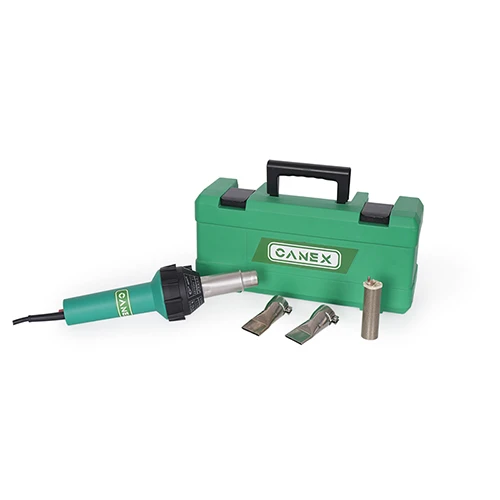
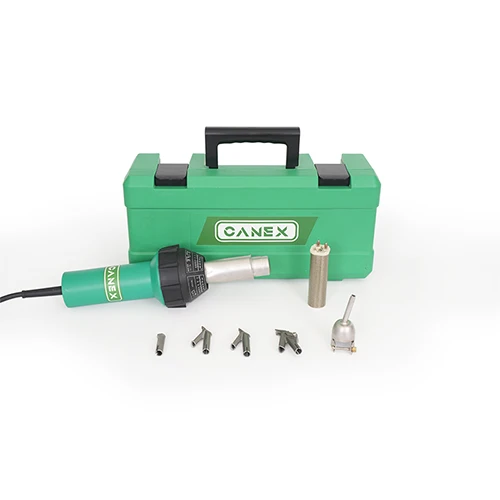
Ein Polymer-Heißluftschweißgerät ist ein speziell zum Schweißen thermoplastischer Materialien entwickeltes Werkzeug. Es bläst heiße Luft auf die zu verbindenden Polymeroberflächen und erhöht deren Temperatur so weit, dass sie biegsam werden und miteinander verschmelzen können. Der Prozess umfasst im Allgemeinen die folgenden Schritte:
- Vorbereitung: Vor dem Schweißen muss die Polymeroberfläche gereinigt und vorbereitet werden. Dabei können Verunreinigungen wie Schmutz oder Fett entfernt werden, die den Schweißvorgang beeinträchtigen könnten.
- Fügen: Sobald die Polymerkanten die entsprechende Temperatur erreicht haben, werden sie zusammengepresst. Durch die hohe Temperatur schmelzen die Oberflächen leicht an und ermöglichen nach dem Abkühlen eine Verbindung.
- Abkühlen: Nach dem Schweißen muss die Verbindung ausreichend abkühlen. Dies gewährleistet eine starke und dauerhafte Verbindung.
Vorteile der Verwendung eines Polymer-Heißluftschweißgeräts
Die Verwendung eines Polymer-Heißluftschweißgeräts zum Schweißen von Polymeren bietet mehrere Vorteile:
VIELSEITIG: Heißluftschweißgeräte können mit einer Vielzahl thermoplastischer Materialien verwendet werden, darunter PVC, Polyethylen und Polypropylen. Dadurch eignen sie sich für eine Vielzahl von Anwendungen, von der industriellen Fertigung bis hin zu Heimwerkerprojekten.
- Kontrolle: Die Möglichkeit, Temperatur und Luftstrom zu regulieren, ermöglicht eine präzise Steuerung des Schweißprozesses. Dies ist entscheidend für starke, zuverlässige Schweißnähte, ohne das Material zu beschädigen.
- Tragbarkeit: Viele Heißluftschweißgeräte sind leicht und tragbar, sodass sie problemlos an verschiedenen Orten und in verschiedenen Umgebungen eingesetzt werden können.
- Kostengünstig: Heißluftschweißen ist kostengünstiger als andere Schweißverfahren, insbesondere bei kleineren Projekten oder Reparaturen.
Best Practices zum Schweißen von Polymeren
Um optimale Ergebnisse beim Schweißen von Polymeren mit einem Heißluftschweißgerät zu erzielen, beachten Sie die folgenden bewährten Vorgehensweisen:
- Wählen Sie die richtige Temperatur: Verschiedene Polymere haben unterschiedliche Schmelzpunkte. Beachten Sie immer die Herstellerangaben, um die richtige Temperatur für das verwendete Material zu bestimmen.
- Ruhige Hand: Halten Sie beim Richten der Heißluft die Düse in konstantem Abstand zum Material, um eine gleichmäßige Erwärmung zu gewährleisten.
Das Schweißen von Polymeren mit einem Heißluftschweißgerät ist eine effektive und vielseitige Methode zur Herstellung starker, langlebiger Verbindungen. Wenn Sie den Prozess verstehen und bewährte Verfahren anwenden, erzielen Sie bei Ihren Schweißprojekten professionelle Ergebnisse. Ob im industriellen Umfeld oder bei einem Heimwerkerprojekt – die Beherrschung des Polymerschweißens eröffnet Ihnen eine Welt voller Möglichkeiten.

Verwandte Produkte

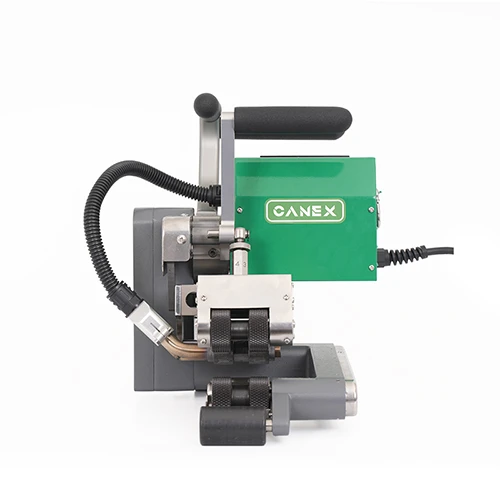
Ähnliches Video
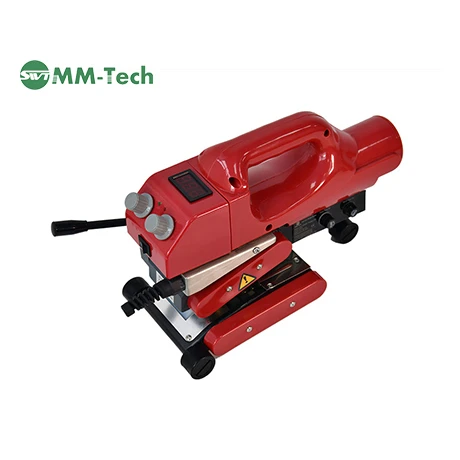

Geo-Heißkeilschweißgerät mit Digitalanzeige SWT NS800D – Bedienungsanleitung
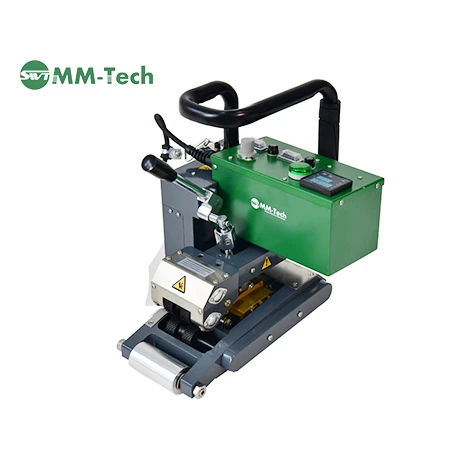
Hochleistungs-Geo-Heißkeilschweißgerät SWT-NS900 – Bedienungsanleitung
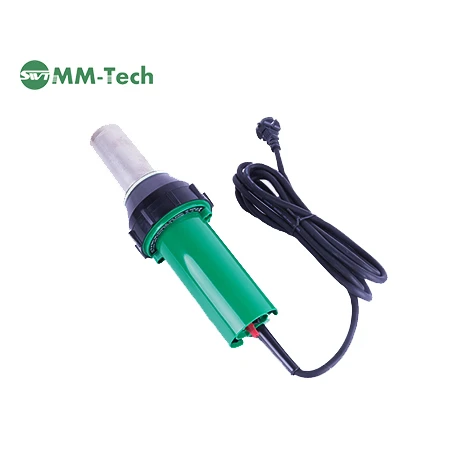
Leistungsstarkes professionelles Heißluftwerkzeug SWT-NS3400A – Bedienungsanleitung
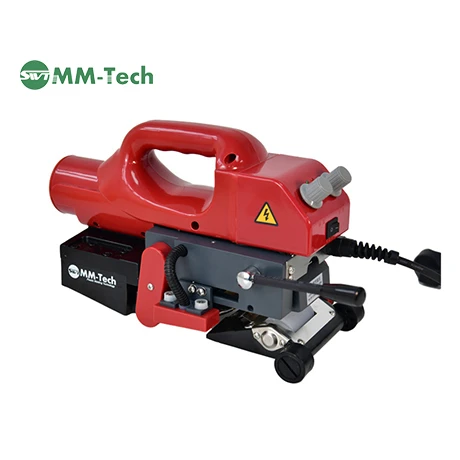
Geo Hot Wedge Welder SWT NS800 Bedienungsanleitung
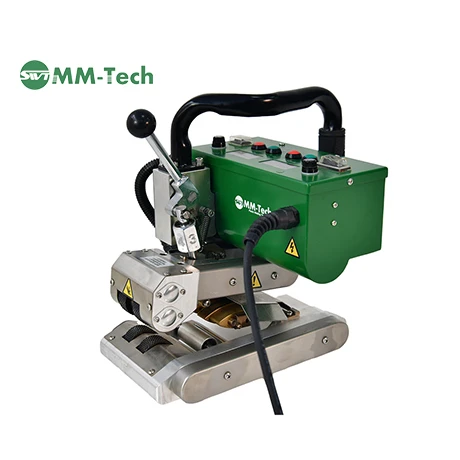
Kompakte HDPE-Heißkeilschweißmaschine SWT-NSGM1 Bedienungsanleitung
Weitere News zum Thema
2026-02-24 11:15:19
Comprehensive Guide to Plastic Extrusion Welding Machine Technology and Applications
Plastic extrusion welding machines are vital tools in numerous industries, facilitating the joining of thermoplastic materials with precision and efficiency. From constructing large tanks and vessels to fabricating pipelines and specialized components, these machines offer a robust and reliable solution. Understanding the different types, applications, and key features is crucial for making informed investment decisions. At MMTech Weld, we specialize in delivering high-quality plastic extrusion welding solutions tailored to diverse industrial needs. Choosing the right machine can significantly impact your production efficiency and the quality of your finished products. Plastic extrusion welding is a process where thermoplastic materials are melted and fused together using heat and pressure. The machine precisely controls the temperature, feed rate, and welding speed to create strong, leak-proof joints. These machines typically consist of a heating element, feed roller, welding shoe, and control panel. Different types of machines cater to specific applications and materials, ranging from portable units for smaller projects to automated systems for large-scale production. The key to a successful weld is ensuring consistent heat distribution and proper material compatibility.
2026-02-11 02:45:23
Comprehensive Guide to Plastic Extrusion Welding Techniques and Equipment Selection
Plastic extrusion welding is a versatile and efficient process used to join thermoplastic materials. This technique is widely employed across various industries, from automotive and construction to marine and chemical processing. At MM Tech Weld, we specialize in providing high-quality plastic extrusion welders and related solutions. This article delves into the intricacies of plastic extrusion welding, its applications, benefits, and key considerations for choosing the right equipment. Understanding this process can significantly improve your project efficiency and product quality. Plastic extrusion welding is a process where a thermoplastic welding material, typically a rod or wire, is melted and fed into the joint between two thermoplastic workpieces. The welding material is melted using a heated shoe, and as it cools, it fuses the two pieces together, creating a strong, leak-proof bond. Unlike other welding methods, extrusion welding doesn’t require the base materials to be completely melted, making it ideal for thicker sections and on-site repairs.
2026-01-30 14:55:50
Comprehensive Guide to Hand Extrusion Welder Applications and Selection
A hand extrusion welder is a portable and versatile tool used for joining thermoplastic materials. It’s a crucial piece of equipment in various industries, from plastic fabrication to pipeline repair. This article provides a comprehensive guide to hand extrusion welders, exploring their applications, benefits, key considerations when choosing one, and how MM Tech Weld delivers high-quality solutions. Understanding this technology allows professionals to optimize welding processes and achieve durable, reliable results. A hand extrusion welder operates by melting thermoplastic welding rods and extruding the molten material into the joint to be welded. The welder consists of a heating element, a feed mechanism for the welding rods, and a shoe or nozzle that guides the molten plastic.
2026-01-28 11:20:05
Comprehensive Guide to Pressure Leak Detectors for Enhanced Safety and Efficiency
In industries dealing with gases, vacuum systems, and pressurized environments, identifying leaks quickly and accurately is paramount for safety, efficiency, and cost control. A pressure leak detector is a critical tool for these applications, offering a non-destructive method to pinpoint even the smallest breaches in containment. This article will explore the different types of pressure leak detectors, their applications, advantages, and considerations for choosing the right detector for your specific needs. Efficient leak detection translates directly to minimized product loss, reduced energy consumption, and a safer working environment. Several technologies are employed in pressure leak detectors, each with its strengths and weaknesses. Some common types include: Bubble leak detectors, using a soap solution to reveal leaks as bubbles; Halogen leak detectors, sensitive to halogen-containing refrigerants; Ultrasonic leak detectors, detecting the high-frequency sound generated by escaping gas; and Mass spectrometer leak detectors (helium leak detectors), offering extremely high sensitivity by identifying helium molecules.
2026-01-27 22:55:02
Comprehensive Guide to Vacuum Leak Detection and Repair Techniques
Detecting and repairing vacuum leaks is crucial for maintaining optimal performance in various systems, from automotive engines to industrial processes. A seemingly small leak can lead to significant inefficiencies, reduced power, and even system failure. This article will provide a detailed look into understanding vacuum leaks, the tools used to find them – specifically, vacuum leak finders – troubleshooting techniques, and preventative measures. We’ll cover common causes, best practices, and how to choose the right equipment for your needs. Addressing vacuum leaks promptly can save you time, money, and potential headaches. Several methods can be used to locate vacuum leaks. The most basic involves a visual inspection of hoses, gaskets, and connections. However, many leaks are small and difficult to detect with the naked eye.
2026-01-27 19:55:20
Bullseye Leak Detector A Comprehensive Guide for Efficient Leak Detection
Maintaining the integrity of pressurized systems is critical in numerous industries, from HVAC and refrigeration to automotive and plumbing. A seemingly small leak can lead to significant inefficiencies, costly repairs, and even safety hazards. The Bullseye leak detector is a powerful tool designed to quickly and accurately pinpoint leaks in a variety of applications. This article will delve into the features, benefits, and applications of this versatile detector, ensuring you can effectively identify and address leaks before they escalate. Accurate leak detection is paramount for ensuring system efficiency and safety, and the Bullseye provides a reliable solution for professionals across various trades.
2026-01-27 18:25:14
Wegener Extrusion Welder Technology for Robust Thermoplastic Joining Solutions
When it comes to reliable and efficient solutions for joining thermoplastic materials, a Wegener Extrusion Welder stands as a leading choice. Known for its precision and durability, Wegener technology is trusted by professionals in diverse industries. This article delves into the features, applications, and benefits of Wegener Extrusion Welders, providing a thorough overview for those seeking a robust welding solution. Choosing the right equipment can significantly impact project quality and efficiency, and Wegener consistently delivers. Wegener extrusion welding utilizes a specialized machine that melts thermoplastic material and precisely extrudes it onto the joint area. This process creates a strong, homogenous weld, free from the weaknesses often associated with other joining methods. The controlled heat input minimizes distortion and stress on the materials. Unlike traditional welding techniques, it is exceptionally well-suited for large diameter pipe and complex geometries. MM Tech Weld’s Wegener machines offer unparalleled control and consistency for critical applications.
2026-01-25 02:10:06
Extrusion Welding HDPE Liner: A Guide
Learn about extrusion welding HDPE liner for industrial applications. Material specs, vendor comparison & why it’s a top choice for containment.
NEWSLETTER ABONNIEREN
Dear customer, thank you for your attention! We provide high-quality machinery and equipment and look forward to your orders. Please inform us of your needs and we will respond quickly!






 German
 Arabic
 Bengali
 Czech
 Dutch
 English
 Finnish
 French
 Hungarian
 Italian
 Japanese
 Korean
 Latin
 Norwegian
 Polish
 Portuguese
 Russian
 Spanish
 Thai
 Vietnamese