
-
 Email:news@peweldingmachine.com, sales2@peweldingmachine.com
-
 +86-137 3974 5191
-
 Dodać:
NR 355, ulica Youyi, dzielnica Qiaoxi, Shijiazhuang, Hebei, Chiny.



Jak spawać polimery? Dowiedz się więcej o roli spawarek na gorące powietrze do polimerów

Jak spawać polimery? Dowiedz się więcej o roli spawarek na gorące powietrze do polimerów
sty . 17, 2025 14:22
Spawanie polimerów to specjalistyczny proces, który wymaga głębokiego zrozumienia materiałów i technik ich łączenia. Jednym z najskuteczniejszych narzędzi do tego zadania jest spawarka na gorące powietrze do polimerów, która wykorzystuje ogrzane powietrze do topienia krawędzi łączonych kawałków polimeru. W tym artykule przyjrzymy się procesowi spawania polimerów, zaletom stosowania spawarki na gorące powietrze oraz najlepszym praktykom zapewniającym udane spawanie.
Zrozumienie spawania polimerów
Polimery, lub tworzywa sztuczne, są stosowane w wielu gałęziach przemysłu ze względu na ich lekkość, trwałość i wszechstronność. Jednak łączenie tych materiałów może być trudne, ponieważ spawają się inaczej niż metale. Zamiast topienia się i łączenia ze sobą, polimery wymagają specjalnych technik, aby utworzyć silne wiązanie. Spawanie jest jednym z najskuteczniejszych sposobów łączenia materiałów polimerowych i można je wykonać przy użyciu różnych technik, w tym spawanie gorącym powietrzem.
Funkcja spawarki na gorące powietrze do polimerów
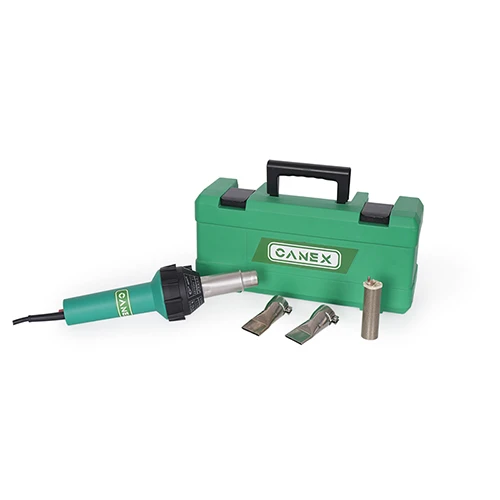
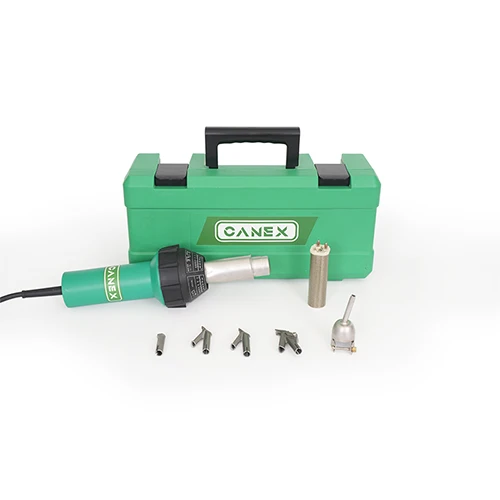
Spawarka polimerowa na gorące powietrze to narzędzie specjalnie zaprojektowane do spawania materiałów termoplastycznych. Działa poprzez dmuchanie gorącego powietrza na powierzchnie polimerów, które mają zostać połączone, podnosząc ich temperaturę do punktu, w którym stają się giętkie i mogą się ze sobą stopić. Proces ten zazwyczaj obejmuje następujące kroki:
- Przygotowanie: Przed spawaniem powierzchnia polimeru musi zostać oczyszczona i przygotowana. Może to obejmować usunięcie wszelkich zanieczyszczeń, takich jak brud lub smar, które mogą zakłócać proces spawania.
- Łączenie: Gdy krawędzie polimeru osiągną odpowiednią temperaturę, są one dociskane do siebie. Wysoka temperatura lekko topi powierzchnie, umożliwiając im połączenie się po ostygnięciu.
- Chłodzenie: Po zakończeniu spawania należy pozwolić na odpowiednie schłodzenie połączenia. Zapewnia to mocne i trwałe połączenie.
Zalety stosowania spawarki na gorące powietrze do polimerów
Spawanie polimerów gorącym powietrzem za pomocą spawarki ma szereg zalet:
- WSZECHSTRONNOŚĆ: Spawarki na gorące powietrze można stosować z szeroką gamą materiałów termoplastycznych, w tym PVC, polietylenem i polipropylenem. Dzięki temu nadają się do różnych zastosowań, od produkcji przemysłowej po projekty DIY.
- Kontrola: Możliwość regulacji temperatury i przepływu powietrza pozwala na precyzyjną kontrolę procesu spawania. Jest to kluczowe dla uzyskania mocnych, niezawodnych spoin bez uszkadzania materiału.
- Mobilność: Wiele spawarek na gorące powietrze jest lekkich i przenośnych, dzięki czemu można ich łatwo używać w różnych miejscach i środowiskach.
- Opłacalność: Spawanie gorącym powietrzem jest bardziej opłacalne niż inne metody spawania, szczególnie w przypadku mniejszych projektów lub napraw.
Najlepsze praktyki spawania polimerów
Aby uzyskać najlepsze efekty spawania polimerów za pomocą spawarki na gorące powietrze, należy stosować się do następujących wskazówek:
- Wybierz odpowiednią temperaturę: Różne polimery mają różne temperatury topnienia. Zawsze zapoznaj się z wytycznymi producenta, aby określić odpowiednią temperaturę dla używanego materiału.
- Utrzymuj pewną rękę: Kierując gorące powietrze, utrzymuj dyszę w stałej odległości od materiału, aby zapewnić równomierne ogrzewanie.
Spawanie polimerów za pomocą spawarki na gorące powietrze do polimerów to skuteczna i wszechstronna metoda tworzenia mocnych, długotrwałych wiązań. Dzięki zrozumieniu procesu i przestrzeganiu najlepszych praktyk możesz osiągnąć profesjonalnej jakości rezultaty w swoich projektach spawalniczych. Niezależnie od tego, czy pracujesz w środowisku przemysłowym, czy nad projektem DIY, opanowanie sztuki spawania polimerów może otworzyć świat możliwości.

Produkty powiązane

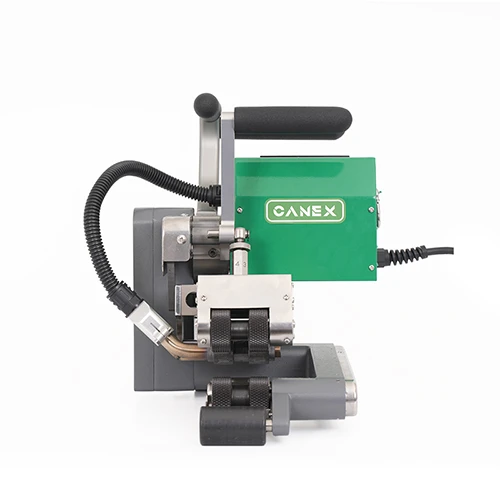
Powiązane wideo
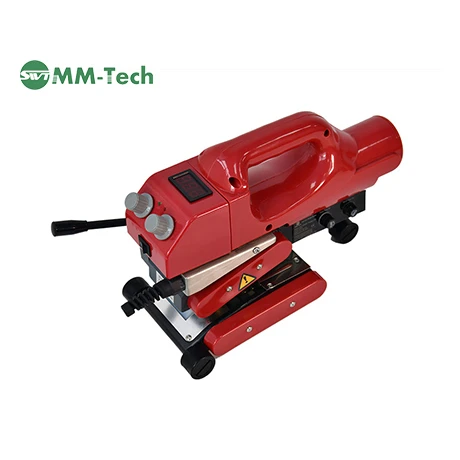

Instrukcja obsługi spawarki Geo Hot Wedge z wyświetlaczem cyfrowym SWT NS800D
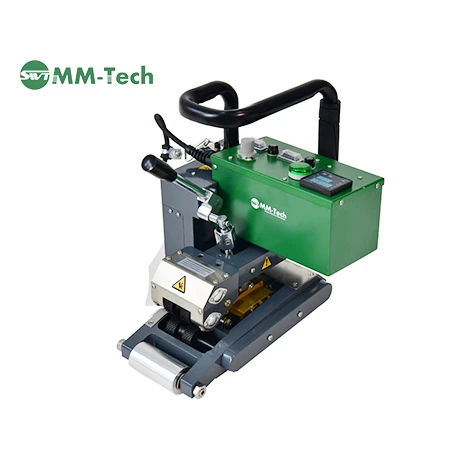
Instrukcja obsługi spawarki klinowej Geo o dużej wytrzymałości SWT-NS900
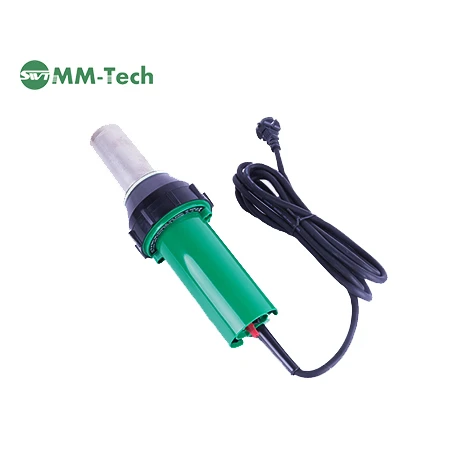
Instrukcja obsługi profesjonalnego, wydajnego narzędzia na gorące powietrze SWT-NS3400A
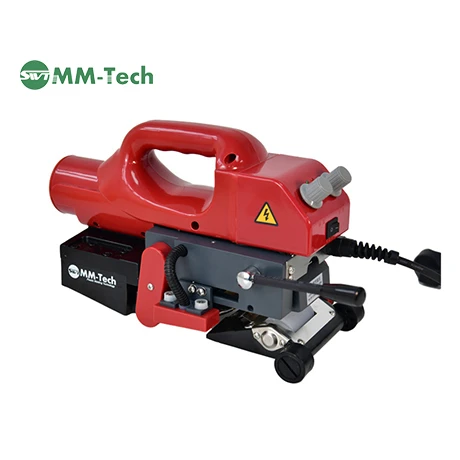
Instrukcja obsługi spawarki Geo Hot Wedge SWT NS800
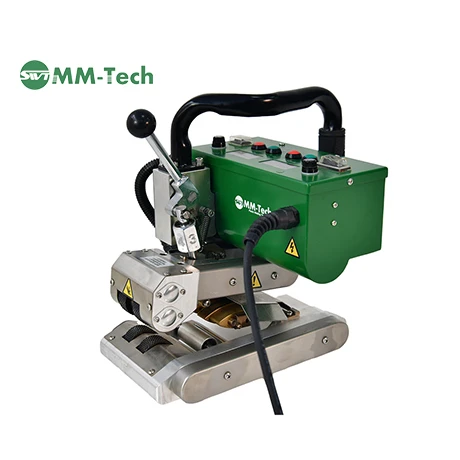
Kompaktowa zgrzewarka klinowa HDPE SWT-NSGM1 Instrukcja obsługi
Powiązane wiadomości
2026-02-24 11:15:19
Comprehensive Guide to Plastic Extrusion Welding Machine Technology and Applications
Plastic extrusion welding machines are vital tools in numerous industries, facilitating the joining of thermoplastic materials with precision and efficiency. From constructing large tanks and vessels to fabricating pipelines and specialized components, these machines offer a robust and reliable solution. Understanding the different types, applications, and key features is crucial for making informed investment decisions. At MMTech Weld, we specialize in delivering high-quality plastic extrusion welding solutions tailored to diverse industrial needs. Choosing the right machine can significantly impact your production efficiency and the quality of your finished products. Plastic extrusion welding is a process where thermoplastic materials are melted and fused together using heat and pressure. The machine precisely controls the temperature, feed rate, and welding speed to create strong, leak-proof joints. These machines typically consist of a heating element, feed roller, welding shoe, and control panel. Different types of machines cater to specific applications and materials, ranging from portable units for smaller projects to automated systems for large-scale production. The key to a successful weld is ensuring consistent heat distribution and proper material compatibility.
2026-02-11 02:45:23
Comprehensive Guide to Plastic Extrusion Welding Techniques and Equipment Selection
Plastic extrusion welding is a versatile and efficient process used to join thermoplastic materials. This technique is widely employed across various industries, from automotive and construction to marine and chemical processing. At MM Tech Weld, we specialize in providing high-quality plastic extrusion welders and related solutions. This article delves into the intricacies of plastic extrusion welding, its applications, benefits, and key considerations for choosing the right equipment. Understanding this process can significantly improve your project efficiency and product quality. Plastic extrusion welding is a process where a thermoplastic welding material, typically a rod or wire, is melted and fed into the joint between two thermoplastic workpieces. The welding material is melted using a heated shoe, and as it cools, it fuses the two pieces together, creating a strong, leak-proof bond. Unlike other welding methods, extrusion welding doesn’t require the base materials to be completely melted, making it ideal for thicker sections and on-site repairs.
2026-01-30 14:55:50
Comprehensive Guide to Hand Extrusion Welder Applications and Selection
A hand extrusion welder is a portable and versatile tool used for joining thermoplastic materials. It’s a crucial piece of equipment in various industries, from plastic fabrication to pipeline repair. This article provides a comprehensive guide to hand extrusion welders, exploring their applications, benefits, key considerations when choosing one, and how MM Tech Weld delivers high-quality solutions. Understanding this technology allows professionals to optimize welding processes and achieve durable, reliable results. A hand extrusion welder operates by melting thermoplastic welding rods and extruding the molten material into the joint to be welded. The welder consists of a heating element, a feed mechanism for the welding rods, and a shoe or nozzle that guides the molten plastic.
2026-01-28 11:20:05
Comprehensive Guide to Pressure Leak Detectors for Enhanced Safety and Efficiency
In industries dealing with gases, vacuum systems, and pressurized environments, identifying leaks quickly and accurately is paramount for safety, efficiency, and cost control. A pressure leak detector is a critical tool for these applications, offering a non-destructive method to pinpoint even the smallest breaches in containment. This article will explore the different types of pressure leak detectors, their applications, advantages, and considerations for choosing the right detector for your specific needs. Efficient leak detection translates directly to minimized product loss, reduced energy consumption, and a safer working environment. Several technologies are employed in pressure leak detectors, each with its strengths and weaknesses. Some common types include: Bubble leak detectors, using a soap solution to reveal leaks as bubbles; Halogen leak detectors, sensitive to halogen-containing refrigerants; Ultrasonic leak detectors, detecting the high-frequency sound generated by escaping gas; and Mass spectrometer leak detectors (helium leak detectors), offering extremely high sensitivity by identifying helium molecules.
2026-01-27 22:55:02
Comprehensive Guide to Vacuum Leak Detection and Repair Techniques
Detecting and repairing vacuum leaks is crucial for maintaining optimal performance in various systems, from automotive engines to industrial processes. A seemingly small leak can lead to significant inefficiencies, reduced power, and even system failure. This article will provide a detailed look into understanding vacuum leaks, the tools used to find them – specifically, vacuum leak finders – troubleshooting techniques, and preventative measures. We’ll cover common causes, best practices, and how to choose the right equipment for your needs. Addressing vacuum leaks promptly can save you time, money, and potential headaches. Several methods can be used to locate vacuum leaks. The most basic involves a visual inspection of hoses, gaskets, and connections. However, many leaks are small and difficult to detect with the naked eye.
2026-01-27 19:55:20
Bullseye Leak Detector A Comprehensive Guide for Efficient Leak Detection
Maintaining the integrity of pressurized systems is critical in numerous industries, from HVAC and refrigeration to automotive and plumbing. A seemingly small leak can lead to significant inefficiencies, costly repairs, and even safety hazards. The Bullseye leak detector is a powerful tool designed to quickly and accurately pinpoint leaks in a variety of applications. This article will delve into the features, benefits, and applications of this versatile detector, ensuring you can effectively identify and address leaks before they escalate. Accurate leak detection is paramount for ensuring system efficiency and safety, and the Bullseye provides a reliable solution for professionals across various trades.
2026-01-27 18:25:14
Wegener Extrusion Welder Technology for Robust Thermoplastic Joining Solutions
When it comes to reliable and efficient solutions for joining thermoplastic materials, a Wegener Extrusion Welder stands as a leading choice. Known for its precision and durability, Wegener technology is trusted by professionals in diverse industries. This article delves into the features, applications, and benefits of Wegener Extrusion Welders, providing a thorough overview for those seeking a robust welding solution. Choosing the right equipment can significantly impact project quality and efficiency, and Wegener consistently delivers. Wegener extrusion welding utilizes a specialized machine that melts thermoplastic material and precisely extrudes it onto the joint area. This process creates a strong, homogenous weld, free from the weaknesses often associated with other joining methods. The controlled heat input minimizes distortion and stress on the materials. Unlike traditional welding techniques, it is exceptionally well-suited for large diameter pipe and complex geometries. MM Tech Weld’s Wegener machines offer unparalleled control and consistency for critical applications.
2026-01-25 02:10:06
Extrusion Welding HDPE Liner: A Guide
Learn about extrusion welding HDPE liner for industrial applications. Material specs, vendor comparison & why it’s a top choice for containment.
ZAPISZ SIĘ DO NEWSLETTERA
Dear customer, thank you for your attention! We provide high-quality machinery and equipment and look forward to your orders. Please inform us of your needs and we will respond quickly!






 Polish
 Arabic
 Bengali
 Czech
 Dutch
 English
 Finnish
 French
 German
 Hungarian
 Italian
 Japanese
 Korean
 Latin
 Norwegian
 Portuguese
 Russian
 Spanish
 Thai
 Vietnamese