
-
 Email:news@peweldingmachine.com, sales2@peweldingmachine.com
-
 +86-137 3974 5191
-
 Agregar:
NO.355, Calle Youyi, Distrito Qiaoxi, Shijiazhuang, Hebei, China.



¿Cómo soldar polímeros? Descubre la función de las soldadoras de aire caliente para polímeros.

¿Cómo soldar polímeros? Descubre la función de las soldadoras de aire caliente para polímeros.
Uno. 17 de febrero de 2025, 14:22
La soldadura de polímeros es un proceso especializado que requiere un profundo conocimiento de los materiales involucrados y sus técnicas de unión. Una de las herramientas más eficaces para esta tarea es una soldadora de aire caliente para polímeros, que utiliza aire caliente para fundir los bordes de las piezas de polímero que se unen. Este artículo explorará el proceso de soldadura de polímeros, las ventajas de usar una soldadora de aire caliente y algunas prácticas recomendadas para garantizar una soldadura exitosa.
Comprensión de la soldadura de polímeros
Polímeros, Los polímeros, como los plásticos, se utilizan en una amplia variedad de industrias debido a su ligereza, durabilidad y versatilidad. Sin embargo, unir estos materiales puede ser complicado, ya que su soldadura es diferente a la de los metales. En lugar de fundirse y fusionarse, los polímeros requieren técnicas específicas para formar una unión fuerte. La soldadura es una de las formas más efectivas de unir materiales poliméricos y puede lograrse mediante diversas técnicas. incluida la soldadura con aire caliente。
La función del soldador de aire caliente de polímero
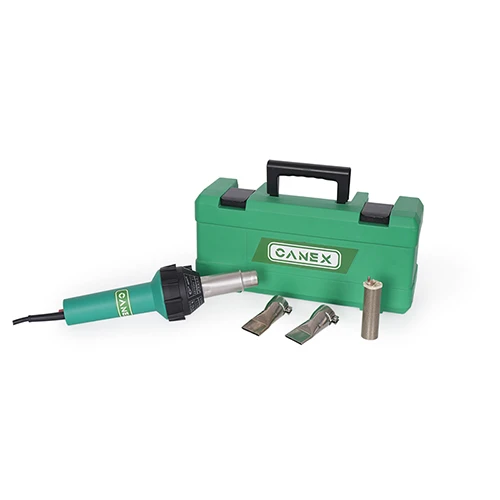
Una soldadora de aire caliente para polímeros es una herramienta diseñada específicamente para soldar materiales termoplásticos. Funciona soplando aire caliente sobre las superficies de polímero que se van a unir, elevando su temperatura hasta el punto en que se vuelven flexibles y pueden fusionarse. El proceso generalmente consta de los siguientes pasos:
- Preparación: Antes de soldar, es necesario limpiar y preparar la superficie del polímero. Esto puede implicar la eliminación de cualquier contaminante, como suciedad o grasa, que pueda interferir con el proceso de soldadura.
- Unión: Una vez que los bordes del polímero alcanzan la temperatura adecuada, se presionan. La alta temperatura funde ligeramente las superficies, lo que permite que se unan al enfriarse.
- Enfriamiento: Una vez finalizada la soldadura, es necesario dejar que la unión se enfríe adecuadamente. Esto garantiza una unión fuerte y duradera.
Ventajas de utilizar un soldador de aire caliente para polímeros
Existen varias ventajas al utilizar un soldador de aire caliente para soldar polímeros:
- VERSÁTIL: Las soldadoras de aire caliente se pueden utilizar con una amplia gama de materiales termoplásticos, como PVC, polietileno y polipropileno. Esto las hace ideales para diversas aplicaciones, desde la fabricación industrial hasta proyectos de bricolaje.
Control: La capacidad de regular la temperatura y el flujo de aire permite un control preciso del proceso de soldadura. Esto es fundamental para lograr soldaduras resistentes y fiables sin dañar el material.
- Portabilidad: Muchos soldadores de aire caliente son livianos y portátiles, lo que los hace fáciles de usar en diferentes ubicaciones y entornos.
- Rentable: La soldadura con aire caliente es más rentable que otros métodos de soldadura, especialmente para proyectos más pequeños o reparaciones.
Mejores prácticas para soldar polímeros
Para obtener mejores resultados al soldar polímeros con un soldador de aire caliente, tenga en cuenta las siguientes prácticas recomendadas:
Elija la temperatura correcta: Cada polímero tiene su punto de fusión. Consulte siempre las instrucciones del fabricante para determinar la temperatura adecuada para el material que utilice.
- Mantenga la mano firme: al dirigir el aire caliente, mantenga la boquilla a una distancia constante del material para garantizar un calentamiento uniforme.
Soldar polímeros con una soldadora de aire caliente para polímeros es un método eficaz y versátil para formar uniones fuertes y duraderas. Al comprender el proceso y seguir las mejores prácticas, podrá lograr resultados de calidad profesional en sus proyectos de soldadura. Tanto si trabaja en un entorno industrial como si lo hace usted mismo, dominar el arte de la soldadura de polímeros le abrirá un mundo de posibilidades.

Productos relacionados
Vídeo relacionado

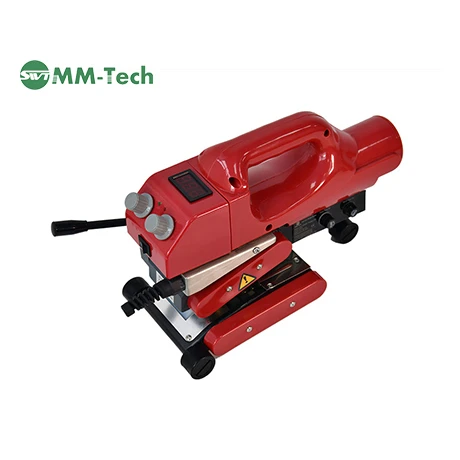

Guía de funcionamiento de la soldadora de cuña caliente Geo con pantalla digital SWT NS800D
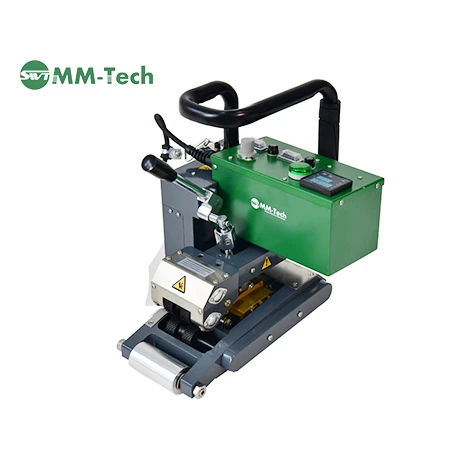
Guía de funcionamiento de la soldadora de cuña caliente geotérmica de servicio pesado SWT-NS900
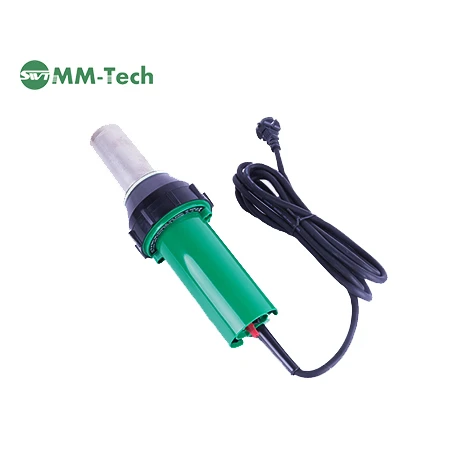
Guía de funcionamiento de la potente herramienta profesional de aire caliente SWT-NS3400A
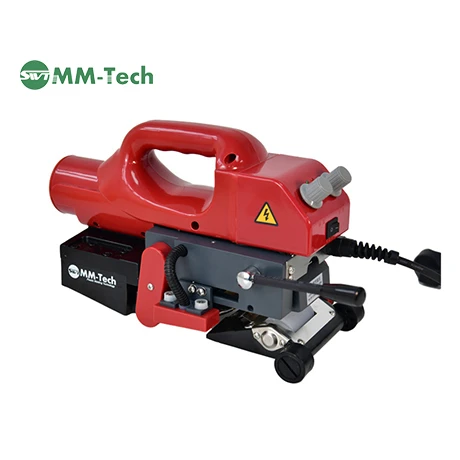
Guía de funcionamiento de la soldadora de cuña caliente Geo SWT NS800
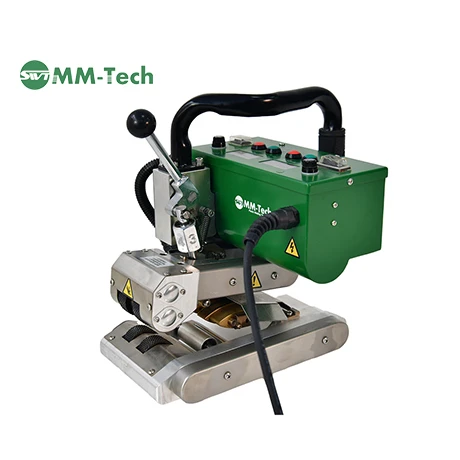
Guía de funcionamiento de la máquina de soldadura de cuña caliente compacta de HDPE SWT-NSGM1
Noticias relacionadas
2026-02-24 11:15:19
Comprehensive Guide to Plastic Extrusion Welding Machine Technology and Applications
Plastic extrusion welding machines are vital tools in numerous industries, facilitating the joining of thermoplastic materials with precision and efficiency. From constructing large tanks and vessels to fabricating pipelines and specialized components, these machines offer a robust and reliable solution. Understanding the different types, applications, and key features is crucial for making informed investment decisions. At MMTech Weld, we specialize in delivering high-quality plastic extrusion welding solutions tailored to diverse industrial needs. Choosing the right machine can significantly impact your production efficiency and the quality of your finished products. Plastic extrusion welding is a process where thermoplastic materials are melted and fused together using heat and pressure. The machine precisely controls the temperature, feed rate, and welding speed to create strong, leak-proof joints. These machines typically consist of a heating element, feed roller, welding shoe, and control panel. Different types of machines cater to specific applications and materials, ranging from portable units for smaller projects to automated systems for large-scale production. The key to a successful weld is ensuring consistent heat distribution and proper material compatibility.
2026-02-11 02:45:23
Comprehensive Guide to Plastic Extrusion Welding Techniques and Equipment Selection
Plastic extrusion welding is a versatile and efficient process used to join thermoplastic materials. This technique is widely employed across various industries, from automotive and construction to marine and chemical processing. At MM Tech Weld, we specialize in providing high-quality plastic extrusion welders and related solutions. This article delves into the intricacies of plastic extrusion welding, its applications, benefits, and key considerations for choosing the right equipment. Understanding this process can significantly improve your project efficiency and product quality. Plastic extrusion welding is a process where a thermoplastic welding material, typically a rod or wire, is melted and fed into the joint between two thermoplastic workpieces. The welding material is melted using a heated shoe, and as it cools, it fuses the two pieces together, creating a strong, leak-proof bond. Unlike other welding methods, extrusion welding doesn’t require the base materials to be completely melted, making it ideal for thicker sections and on-site repairs.
2026-01-30 14:55:50
Comprehensive Guide to Hand Extrusion Welder Applications and Selection
A hand extrusion welder is a portable and versatile tool used for joining thermoplastic materials. It’s a crucial piece of equipment in various industries, from plastic fabrication to pipeline repair. This article provides a comprehensive guide to hand extrusion welders, exploring their applications, benefits, key considerations when choosing one, and how MM Tech Weld delivers high-quality solutions. Understanding this technology allows professionals to optimize welding processes and achieve durable, reliable results. A hand extrusion welder operates by melting thermoplastic welding rods and extruding the molten material into the joint to be welded. The welder consists of a heating element, a feed mechanism for the welding rods, and a shoe or nozzle that guides the molten plastic.
2026-01-28 11:20:05
Comprehensive Guide to Pressure Leak Detectors for Enhanced Safety and Efficiency
In industries dealing with gases, vacuum systems, and pressurized environments, identifying leaks quickly and accurately is paramount for safety, efficiency, and cost control. A pressure leak detector is a critical tool for these applications, offering a non-destructive method to pinpoint even the smallest breaches in containment. This article will explore the different types of pressure leak detectors, their applications, advantages, and considerations for choosing the right detector for your specific needs. Efficient leak detection translates directly to minimized product loss, reduced energy consumption, and a safer working environment. Several technologies are employed in pressure leak detectors, each with its strengths and weaknesses. Some common types include: Bubble leak detectors, using a soap solution to reveal leaks as bubbles; Halogen leak detectors, sensitive to halogen-containing refrigerants; Ultrasonic leak detectors, detecting the high-frequency sound generated by escaping gas; and Mass spectrometer leak detectors (helium leak detectors), offering extremely high sensitivity by identifying helium molecules.
2026-01-27 22:55:02
Comprehensive Guide to Vacuum Leak Detection and Repair Techniques
Detecting and repairing vacuum leaks is crucial for maintaining optimal performance in various systems, from automotive engines to industrial processes. A seemingly small leak can lead to significant inefficiencies, reduced power, and even system failure. This article will provide a detailed look into understanding vacuum leaks, the tools used to find them – specifically, vacuum leak finders – troubleshooting techniques, and preventative measures. We’ll cover common causes, best practices, and how to choose the right equipment for your needs. Addressing vacuum leaks promptly can save you time, money, and potential headaches. Several methods can be used to locate vacuum leaks. The most basic involves a visual inspection of hoses, gaskets, and connections. However, many leaks are small and difficult to detect with the naked eye.
2026-01-27 19:55:20
Bullseye Leak Detector A Comprehensive Guide for Efficient Leak Detection
Maintaining the integrity of pressurized systems is critical in numerous industries, from HVAC and refrigeration to automotive and plumbing. A seemingly small leak can lead to significant inefficiencies, costly repairs, and even safety hazards. The Bullseye leak detector is a powerful tool designed to quickly and accurately pinpoint leaks in a variety of applications. This article will delve into the features, benefits, and applications of this versatile detector, ensuring you can effectively identify and address leaks before they escalate. Accurate leak detection is paramount for ensuring system efficiency and safety, and the Bullseye provides a reliable solution for professionals across various trades.
2026-01-27 18:25:14
Wegener Extrusion Welder Technology for Robust Thermoplastic Joining Solutions
When it comes to reliable and efficient solutions for joining thermoplastic materials, a Wegener Extrusion Welder stands as a leading choice. Known for its precision and durability, Wegener technology is trusted by professionals in diverse industries. This article delves into the features, applications, and benefits of Wegener Extrusion Welders, providing a thorough overview for those seeking a robust welding solution. Choosing the right equipment can significantly impact project quality and efficiency, and Wegener consistently delivers. Wegener extrusion welding utilizes a specialized machine that melts thermoplastic material and precisely extrudes it onto the joint area. This process creates a strong, homogenous weld, free from the weaknesses often associated with other joining methods. The controlled heat input minimizes distortion and stress on the materials. Unlike traditional welding techniques, it is exceptionally well-suited for large diameter pipe and complex geometries. MM Tech Weld’s Wegener machines offer unparalleled control and consistency for critical applications.
2026-01-25 02:10:06
Extrusion Welding HDPE Liner: A Guide
Learn about extrusion welding HDPE liner for industrial applications. Material specs, vendor comparison & why it’s a top choice for containment.
SUSCRÍBETE AL BOLETÍN INFORMATIVO
Dear customer, thank you for your attention! We provide high-quality machinery and equipment and look forward to your orders. Please inform us of your needs and we will respond quickly!






 Spanish
 Arabic
 Bengali
 Czech
 Dutch
 English
 Finnish
 French
 German
 Hungarian
 Italian
 Japanese
 Korean
 Latin
 Norwegian
 Polish
 Portuguese
 Russian
 Thai
 Vietnamese