
-
 Email:news@peweldingmachine.com, sales2@peweldingmachine.com
-
 +86-137 3974 5191
-
 Lisätä:
NO.355, Youyi Street, Qiaoxi District, Shijiazhuang, Hebei, Kiina.



Kuinka hitsata polymeerejä? Opi polymeerikuumailmahitsaajien roolista

Kuinka hitsata polymeerejä? Opi polymeerikuumailmahitsaajien roolista
tammi . 17, 2025 14:22
Polymeerien hitsaus on erikoisprosessi, joka vaatii syvällistä ymmärrystä käytetyistä materiaaleista ja niiden liitostekniikoista. Yksi tehokkaimmista työkaluista tähän tehtävään on polymeerinen kuumailmahitsauskone, joka sulattaa lämmitetyn ilman avulla yhteen liitettävien polymeerikappaleiden reunat. Tässä artikkelissa tarkastellaan polymeerien hitsausprosessia, kuumailmahitsauskoneen käytön etuja ja joitain parhaita käytäntöjä onnistuneen hitsin varmistamiseksi.
Polymeerihitsauksen ymmärtäminen
Polymeerit, tai muovia, käytetään useilla eri aloilla niiden keveyden, kestävyyden ja monipuolisuuden vuoksi. Näiden materiaalien liittäminen voi kuitenkin olla haastavaa, koska ne hitsautuvat eri tavalla kuin metallit. Sen sijaan, että polymeerit sulaisivat ja sulautuisivat yhteen, ne vaativat erityisiä tekniikoita muodostaakseen vahvan sidoksen. Hitsaus on yksi tehokkaimmista tavoista liittää polymeerimateriaaleja, ja se voidaan suorittaa useilla eri tekniikoilla, mukaan lukien kuumailmahitsaus.
Polymeerin kuumailmahitsauslaitteen toiminta
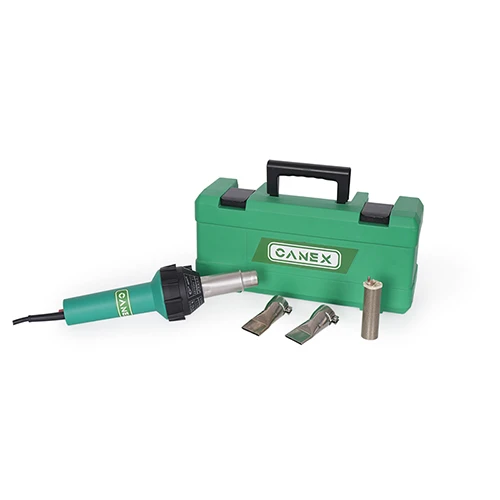
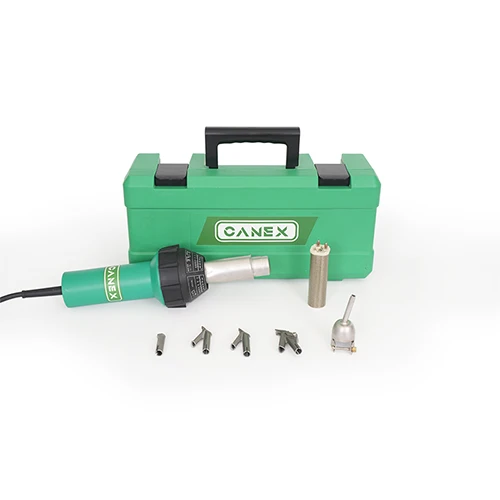
Polymeerikuumailmahitsauskone on erityisesti termoplastisten materiaalien hitsaukseen suunniteltu työkalu. Se toimii puhaltamalla kuumaa ilmaa liitettäville polymeeripinnoille nostaen niiden lämpötilaa siihen pisteeseen, jossa ne muuttuvat taipuisiksi ja voivat sulautua yhteen. Prosessi sisältää yleensä seuraavat vaiheet:
- Valmistelu: Ennen hitsausta polymeeripinta on puhdistettava ja esikäsiteltävä. Tämä saattaa sisältää kaikkien epäpuhtauksien, kuten lian tai rasvan, poistamisen, jotka voivat häiritä hitsausprosessia.
- Liittäminen: Kun polymeerireunat ovat saavuttaneet sopivan lämpötilan, ne puristetaan yhteen. Korkea lämpötila sulattaa pintoja hieman, jolloin ne tarttuvat jäähtyessään.
- Jäähdytys: Hitsauksen päätyttyä liitoksen on annettava jäähtyä kunnolla. Tämä takaa vahvan ja kestävän sidoksen.
Polymeerikuumailmahitsauskoneen käytön edut
Polymeerien kuumailmahitsauskoneella on useita etuja polymeerien hitsaukseen:
- MONIPUOLINEN: Kuumailmahitsauslaitteita voidaan käyttää useiden kestomuovimateriaalien, kuten PVC:n, polyeteenin ja polypropeenin, kanssa. Tämä tekee niistä sopivia erilaisiin sovelluksiin teollisesta valmistuksesta tee-se-itse-projekteihin.
- Ohjaus: Lämpötilan ja ilmavirran säätö mahdollistaa hitsausprosessin tarkan ohjauksen. Tämä on ratkaisevan tärkeää vahvojen ja luotettavien hitsien aikaansaamiseksi materiaalia vahingoittamatta.
- Kannettavuus: Monet kuumailmahitsauskoneet ovat kevyitä ja kannettavia, joten niitä on helppo käyttää eri paikoissa ja ympäristöissä.
- Kustannustehokas: Kuumailmahitsaus on kustannustehokkaampaa kuin muut hitsausmenetelmät, erityisesti pienempiä projekteja tai korjauksia varten.
Parhaat käytännöt polymeerien hitsaukseen
Parhaan tuloksen saavuttamiseksi, kun hitsaat polymeerejä kuumailmahitsauskoneella, ota huomioon seuraavat parhaat käytännöt:
- Valitse oikea lämpötila: Eri polymeereillä on erilaiset sulamispisteet. Noudata aina valmistajan ohjeita määrittääksesi sopivan lämpötilan käyttämällesi materiaalille.
- Pidä käsi vakaana: Kun suuntaat kuumaa ilmaa, pidä suutin tasaisella etäisyydellä materiaalista tasaisen kuumenemisen varmistamiseksi.
Polymeerien hitsaus polymeerisen kuumailmahitsauskoneella on tehokas ja monipuolinen menetelmä vahvojen, pitkäkestoisten sidosten muodostamiseen. Ymmärtämällä prosessin ja noudattamalla parhaita käytäntöjä voit saavuttaa ammattimaisia tuloksia hitsausprojekteissasi. Olitpa teollisuusympäristössä tai tee-se-itse-projektissa, polymeerihitsauksen taidon hallitseminen voi avata mahdollisuuksia.

Liittyvät tuotteet

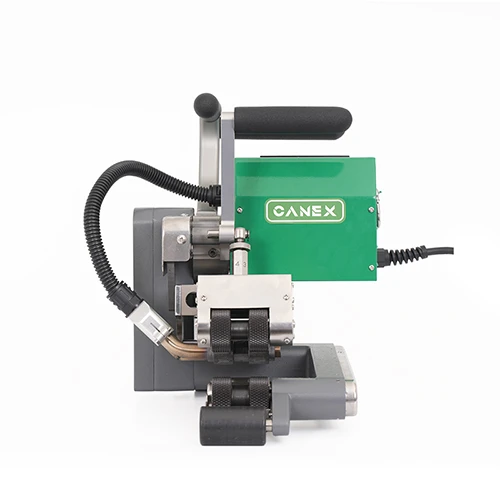
Aiheeseen liittyvä video
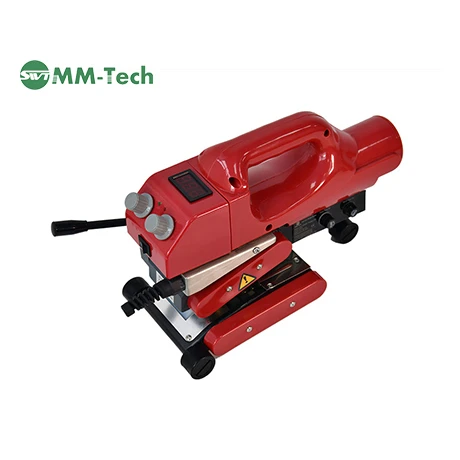

Geo kuumakiilahitsauskone digitaalisella näytöllä SWT NS800D Käyttöopas
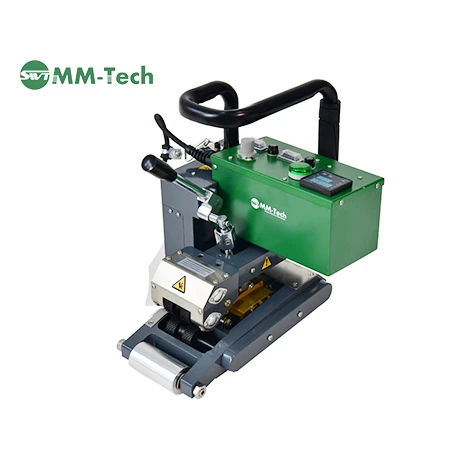
Heavy Duty Geo kuumakiilahitsauskone SWT-NS900 Käyttöopas
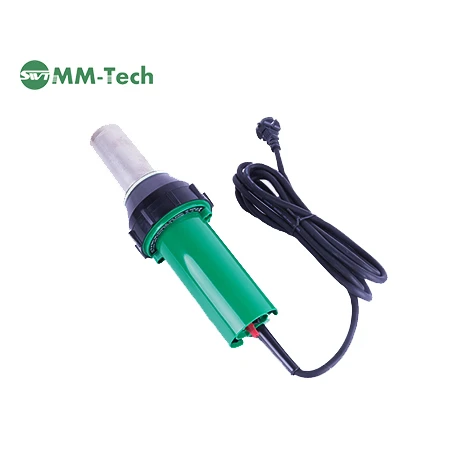
Tehokas ammattikäyttöön tarkoitettu kuumailmatyökalu SWT-NS3400A Käyttöopas
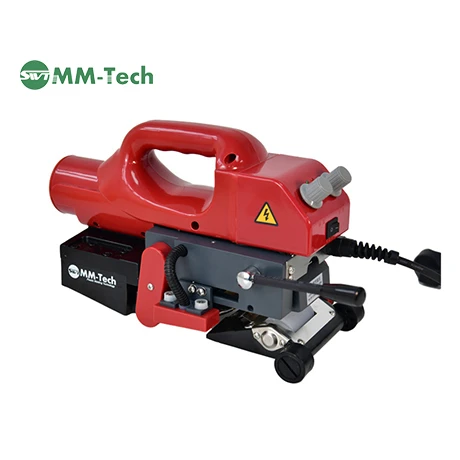
Geo Hot Wedge Welder SWT NS800 -käyttöopas
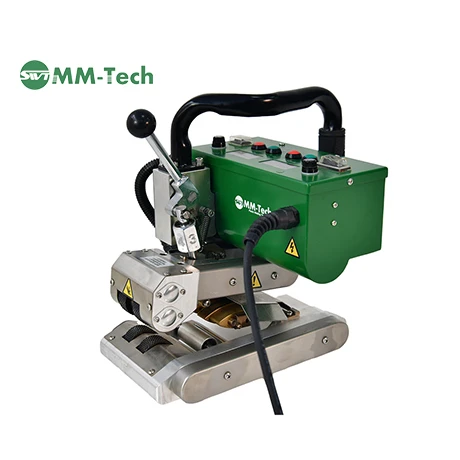
Kompakti HDPE-kuumakiilahitsauskone SWT-NSGM1 Käyttöopas
Aiheeseen liittyviä uutisia
2026-02-24 11:15:19
Comprehensive Guide to Plastic Extrusion Welding Machine Technology and Applications
Plastic extrusion welding machines are vital tools in numerous industries, facilitating the joining of thermoplastic materials with precision and efficiency. From constructing large tanks and vessels to fabricating pipelines and specialized components, these machines offer a robust and reliable solution. Understanding the different types, applications, and key features is crucial for making informed investment decisions. At MMTech Weld, we specialize in delivering high-quality plastic extrusion welding solutions tailored to diverse industrial needs. Choosing the right machine can significantly impact your production efficiency and the quality of your finished products. Plastic extrusion welding is a process where thermoplastic materials are melted and fused together using heat and pressure. The machine precisely controls the temperature, feed rate, and welding speed to create strong, leak-proof joints. These machines typically consist of a heating element, feed roller, welding shoe, and control panel. Different types of machines cater to specific applications and materials, ranging from portable units for smaller projects to automated systems for large-scale production. The key to a successful weld is ensuring consistent heat distribution and proper material compatibility.
2026-02-11 02:45:23
Comprehensive Guide to Plastic Extrusion Welding Techniques and Equipment Selection
Plastic extrusion welding is a versatile and efficient process used to join thermoplastic materials. This technique is widely employed across various industries, from automotive and construction to marine and chemical processing. At MM Tech Weld, we specialize in providing high-quality plastic extrusion welders and related solutions. This article delves into the intricacies of plastic extrusion welding, its applications, benefits, and key considerations for choosing the right equipment. Understanding this process can significantly improve your project efficiency and product quality. Plastic extrusion welding is a process where a thermoplastic welding material, typically a rod or wire, is melted and fed into the joint between two thermoplastic workpieces. The welding material is melted using a heated shoe, and as it cools, it fuses the two pieces together, creating a strong, leak-proof bond. Unlike other welding methods, extrusion welding doesn’t require the base materials to be completely melted, making it ideal for thicker sections and on-site repairs.
2026-01-30 14:55:50
Comprehensive Guide to Hand Extrusion Welder Applications and Selection
A hand extrusion welder is a portable and versatile tool used for joining thermoplastic materials. It’s a crucial piece of equipment in various industries, from plastic fabrication to pipeline repair. This article provides a comprehensive guide to hand extrusion welders, exploring their applications, benefits, key considerations when choosing one, and how MM Tech Weld delivers high-quality solutions. Understanding this technology allows professionals to optimize welding processes and achieve durable, reliable results. A hand extrusion welder operates by melting thermoplastic welding rods and extruding the molten material into the joint to be welded. The welder consists of a heating element, a feed mechanism for the welding rods, and a shoe or nozzle that guides the molten plastic.
2026-01-28 11:20:05
Comprehensive Guide to Pressure Leak Detectors for Enhanced Safety and Efficiency
In industries dealing with gases, vacuum systems, and pressurized environments, identifying leaks quickly and accurately is paramount for safety, efficiency, and cost control. A pressure leak detector is a critical tool for these applications, offering a non-destructive method to pinpoint even the smallest breaches in containment. This article will explore the different types of pressure leak detectors, their applications, advantages, and considerations for choosing the right detector for your specific needs. Efficient leak detection translates directly to minimized product loss, reduced energy consumption, and a safer working environment. Several technologies are employed in pressure leak detectors, each with its strengths and weaknesses. Some common types include: Bubble leak detectors, using a soap solution to reveal leaks as bubbles; Halogen leak detectors, sensitive to halogen-containing refrigerants; Ultrasonic leak detectors, detecting the high-frequency sound generated by escaping gas; and Mass spectrometer leak detectors (helium leak detectors), offering extremely high sensitivity by identifying helium molecules.
2026-01-27 22:55:02
Comprehensive Guide to Vacuum Leak Detection and Repair Techniques
Detecting and repairing vacuum leaks is crucial for maintaining optimal performance in various systems, from automotive engines to industrial processes. A seemingly small leak can lead to significant inefficiencies, reduced power, and even system failure. This article will provide a detailed look into understanding vacuum leaks, the tools used to find them – specifically, vacuum leak finders – troubleshooting techniques, and preventative measures. We’ll cover common causes, best practices, and how to choose the right equipment for your needs. Addressing vacuum leaks promptly can save you time, money, and potential headaches. Several methods can be used to locate vacuum leaks. The most basic involves a visual inspection of hoses, gaskets, and connections. However, many leaks are small and difficult to detect with the naked eye.
2026-01-27 19:55:20
Bullseye Leak Detector A Comprehensive Guide for Efficient Leak Detection
Maintaining the integrity of pressurized systems is critical in numerous industries, from HVAC and refrigeration to automotive and plumbing. A seemingly small leak can lead to significant inefficiencies, costly repairs, and even safety hazards. The Bullseye leak detector is a powerful tool designed to quickly and accurately pinpoint leaks in a variety of applications. This article will delve into the features, benefits, and applications of this versatile detector, ensuring you can effectively identify and address leaks before they escalate. Accurate leak detection is paramount for ensuring system efficiency and safety, and the Bullseye provides a reliable solution for professionals across various trades.
2026-01-27 18:25:14
Wegener Extrusion Welder Technology for Robust Thermoplastic Joining Solutions
When it comes to reliable and efficient solutions for joining thermoplastic materials, a Wegener Extrusion Welder stands as a leading choice. Known for its precision and durability, Wegener technology is trusted by professionals in diverse industries. This article delves into the features, applications, and benefits of Wegener Extrusion Welders, providing a thorough overview for those seeking a robust welding solution. Choosing the right equipment can significantly impact project quality and efficiency, and Wegener consistently delivers. Wegener extrusion welding utilizes a specialized machine that melts thermoplastic material and precisely extrudes it onto the joint area. This process creates a strong, homogenous weld, free from the weaknesses often associated with other joining methods. The controlled heat input minimizes distortion and stress on the materials. Unlike traditional welding techniques, it is exceptionally well-suited for large diameter pipe and complex geometries. MM Tech Weld’s Wegener machines offer unparalleled control and consistency for critical applications.
2026-01-25 02:10:06
Extrusion Welding HDPE Liner: A Guide
Learn about extrusion welding HDPE liner for industrial applications. Material specs, vendor comparison & why it’s a top choice for containment.
TILAA UUTISKIRJE
Dear customer, thank you for your attention! We provide high-quality machinery and equipment and look forward to your orders. Please inform us of your needs and we will respond quickly!






 Finnish
 Arabic
 Bengali
 Czech
 Dutch
 English
 French
 German
 Hungarian
 Italian
 Japanese
 Korean
 Latin
 Norwegian
 Polish
 Portuguese
 Russian
 Spanish
 Thai
 Vietnamese