
-
 Email:news@peweldingmachine.com
-
 +86-137 3974 5191
-
 Add:
Add:NO.355,Youyi Street,Qiaoxi District,Shijiazhuang,Hebei,China.



Hot Air Paint Stripper | Safe & Sustainable Paint Removal Solutions

Hot Air Paint Stripper | Safe & Sustainable Paint Removal Solutions
Dec . 02, 2025 14:15
Understanding the Hot Air Paint Stripper: Essential Tool for Modern Surface Preparation
When it comes to paint removal, the hot air paint stripper stands out as a reliable, efficient, and increasingly eco-friendly solution. Globally, as industries and DIY enthusiasts alike push for safer, faster, and less-toxic ways to strip paint, understanding this tool becomes crucial. Whether you're in automotive restoration, construction, or manufacturing, the hot air paint stripper offers significant benefits — from reduced chemical use to precision control — that tie directly into sustainability goals and workplace safety regulations.
Introduction: Why Hot Air Paint Strippers Matter Worldwide
In our ever-urbanizing world, upkeep and renovation of buildings, vehicles, and machinery are constant. According to the International Organization for Standardization (ISO), standards for environment-friendly surface treatment are rising, reflecting global concerns over chemical pollution. The World Bank also highlights that construction and manufacturing waste increasingly burdens ecosystems, pushing industries to find cleaner alternatives.
The hot air paint stripper answers some of these challenges: it reduces reliance on harsh chemicals, cuts down hazardous waste, and improves turnaround times on jobsites. The demand is growing, not just in developed economies but also in emerging markets where infrastructure modernization is underway.
Defining the Hot Air Paint Stripper
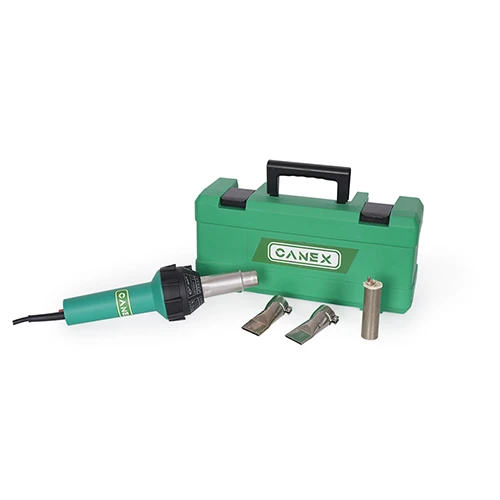
Simply put, a hot air paint stripper is a device that directs a stream of heated air — typically between 300°C and 600°C — onto painted surfaces, softening the paint layer for easier removal. Unlike chemical paint removers that dissolve coatings, hot air strippers physically soften and loosen paint, allowing it to be scraped or wiped away. This technology finds relevance beyond just household use; it's integral to industries requiring precise paint removal without damaging substrates.
From a humanitarian perspective, especially in rebuilding post-disaster zones or renovating public infrastructure, hot air strippers provide a chemical-free solution critical for worker safety and environmental compliance.
Core Components & Key Factors
1. Temperature Control
One of the most important features is adjustable temperature settings. Different paints and substrates require different heat levels to avoid surface damage. Modern units offer precise thermostats, sometimes even digital controls for consistent output.
2. Ergonomic Design
Since operators may use these tools for extended periods, a lightweight and balanced design reduces strain and enhances productivity.
3. Nozzle Variety
Nozzles focus or spread the hot air. Some designs include flat, round, or reflector nozzles suited for corners, flat surfaces, or pipes, offering versatility.
4. Safety Features
Overheat protection, insulated handles, and cool-down modes help prevent accidents — all crucial for compliance with occupational health standards.
5. Energy Efficiency
Energy consumption varies widely, influencing operational costs and the carbon footprint, especially in industrial-scale applications.
6. Compatibility with Surface Types
Some hot air paint strippers are better suited for metals, wood, or plastic substrates, depending on their heat distribution and intensity.
| Feature | Typical Specification | Industry Application |
|---|---|---|
| Temperature Range | 300°C - 600°C | Paint Removal on Metal, Wood, Plastic |
| Power Consumption | 1500W - 2000W | Industrial, DIY |
| Weight | 1.5 - 2.5 kg | Portability & Prolonged Use |
| Safety Features | Thermal cut-off, Insulated handle | Workplace Safety Compliance |
Global Applications & Use Cases
Oddly enough, this tool isn’t only popular in traditional markets like North America and Europe, but is gaining ground in Asian countries amid booming infrastructure projects. Automotive shops in Japan use hot air paint strippers routinely to prep vehicles without chemical contaminants. Meanwhile, restoration teams in Europe find them handy for stripping delicate antique woodwork safely.
In developing countries, NGOs use hot air strippers for quick repainting and maintenance of schools and hospitals, reducing chemical exposure risks for workers and nearby communities. Manufacturing plants in remote zones also benefit from these devices’ portability and reduced environmental impact.
Advantages & Long-Term Value
- Cost Efficiency: Lower chemical waste disposal fees and reduced PPE requirements save money.
- Safety & Health: Eliminating chemical solvents decreases respiratory issues and accidents.
- Sustainability: Reduced hazardous waste aligns with stricter environmental policies worldwide.
- Reliability: Consistent temperature control ensures surface integrity, preserving substrate lifespan.
- Social Impact: Safer working conditions foster trust and morale among employees.
It’s not just about dollars and cents — many workers feel safer and more valued when hazardous chemical use is minimized. That emotional peace of mind, frankly, is harder to quantify but equally important.
Future Trends & Innovations
Looking forward, the industry is adopting green energy sources to power hot air paint strippers, like battery packs from renewable energy or solar-charged units. We're also seeing digital interfaces allowing remote monitoring of temperature and usage data — part of the broader digital transformation sweeping construction and manufacturing sectors.
Automation hints are appearing too, with prototypes designed for robotic arms in large industrial paint removal operations. Sustainability remains central, led by regulatory pressures from agencies like the U.S. Environmental Protection Agency (EPA) and European REACH regulations.
Challenges & Practical Solutions
Despite many positives, hot air paint strippers still face hurdles. For example, uneven heat distribution can damage fragile surfaces if not expertly managed. Some users report slower paint removal compared to potent chemical strippers, especially on thick multi-layer coatings.
Experts recommend combining hot air methods with mechanical scraping tools or using specialized nozzles to ramp up efficiency. Training operators to understand material-specific heat settings is crucial to avoid substrate damage and improve speed.
| Vendor | Temperature Settings | Ergonomics | Price Range | Special Features |
|---|---|---|---|---|
| HeatPro 500 | Adjustable 300-600°C | Lightweight grip, balanced | $120 - $150 | Auto cut-off, LED display |
| ThermoStrip Plus | Preset 4 Levels | Ergonomic soft handle | $90 - $110 | Swappable nozzles |
| EcoHeat StripMaster | Digital variable 50°C increments | Light with vibration reduction | $160 - $190 | Battery option, water-resistant |
Frequently Asked Questions About Hot Air Paint Strippers
Q: How does a hot air paint stripper differ from chemical paint removers?
A: Hot air paint strippers use heat to soften paint for manual removal, avoiding chemical solvents. They are safer for users and the environment but may require more time or effort depending on paint thickness.
Q: Can hot air paint strippers damage the underlying surface?
A: If used improperly at excessive heat or for too long, yes. Proper temperature control and operator training are critical to avoid damage, especially on wood or plastics.
Q: Are these devices suitable for industrial-scale projects?
A: Absolutely. Many industrial units offer higher wattage, adjustable nozzles, and safety features designed for long shifts and tough coatings.
Q: What safety precautions should users follow?
A: Use insulated gloves, wear eye protection, and ensure proper ventilation. Avoid directing heat on flammable materials and never leave the device unattended while powered.
Conclusion: Embracing the Future of Paint Removal with Hot Air Paint Strippers
In real terms, the hot air paint stripper is more than a niche tool — it’s the future of efficient, safe, and eco-friendly paint removal. As regulations evolve and sustainability becomes a business imperative, this technology will only grow more relevant. For professionals and hobbyists alike, investing in a quality hot air paint stripper pays off through improved safety, cost savings, and environmental protection.
If you want to explore the latest models and expert advice on hot air paint stripping, visit our website: hot air paint stripper.
Mini takeaway: The hot air paint stripper combines smart design and environmental responsibility, turning a messy task into a safer, cleaner process.
— End of article —

Related Products
Related Video


Geo Hot Wedge Welder With Digital Display SWT NS800D Operation Guide
Heavy-Duty Geo Hot Wedge Welder SWT-NS900 Operation Guide
Powerful Professional Hot Air Tool SWT-NS3400A Operation Guide
Geo Hot Wedge Welder SWT NS800 Operation Guide
Compact HDPE Hot Wedge Welding Machine SWT-NSGM1 Operation Guide
Related News
2026-02-24 11:15:19
Comprehensive Guide to Plastic Extrusion Welding Machine Technology and Applications
Plastic extrusion welding machines are vital tools in numerous industries, facilitating the joining of thermoplastic materials with precision and efficiency. From constructing large tanks and vessels to fabricating pipelines and specialized components, these machines offer a robust and reliable solution. Understanding the different types, applications, and key features is crucial for making informed investment decisions. At MMTech Weld, we specialize in delivering high-quality plastic extrusion welding solutions tailored to diverse industrial needs. Choosing the right machine can significantly impact your production efficiency and the quality of your finished products. Plastic extrusion welding is a process where thermoplastic materials are melted and fused together using heat and pressure. The machine precisely controls the temperature, feed rate, and welding speed to create strong, leak-proof joints. These machines typically consist of a heating element, feed roller, welding shoe, and control panel. Different types of machines cater to specific applications and materials, ranging from portable units for smaller projects to automated systems for large-scale production. The key to a successful weld is ensuring consistent heat distribution and proper material compatibility.
2026-02-11 02:45:23
Comprehensive Guide to Plastic Extrusion Welding Techniques and Equipment Selection
Plastic extrusion welding is a versatile and efficient process used to join thermoplastic materials. This technique is widely employed across various industries, from automotive and construction to marine and chemical processing. At MM Tech Weld, we specialize in providing high-quality plastic extrusion welders and related solutions. This article delves into the intricacies of plastic extrusion welding, its applications, benefits, and key considerations for choosing the right equipment. Understanding this process can significantly improve your project efficiency and product quality. Plastic extrusion welding is a process where a thermoplastic welding material, typically a rod or wire, is melted and fed into the joint between two thermoplastic workpieces. The welding material is melted using a heated shoe, and as it cools, it fuses the two pieces together, creating a strong, leak-proof bond. Unlike other welding methods, extrusion welding doesn’t require the base materials to be completely melted, making it ideal for thicker sections and on-site repairs.
2026-01-30 14:55:50
Comprehensive Guide to Hand Extrusion Welder Applications and Selection
A hand extrusion welder is a portable and versatile tool used for joining thermoplastic materials. It’s a crucial piece of equipment in various industries, from plastic fabrication to pipeline repair. This article provides a comprehensive guide to hand extrusion welders, exploring their applications, benefits, key considerations when choosing one, and how MM Tech Weld delivers high-quality solutions. Understanding this technology allows professionals to optimize welding processes and achieve durable, reliable results. A hand extrusion welder operates by melting thermoplastic welding rods and extruding the molten material into the joint to be welded. The welder consists of a heating element, a feed mechanism for the welding rods, and a shoe or nozzle that guides the molten plastic.
2026-01-28 11:20:05
Comprehensive Guide to Pressure Leak Detectors for Enhanced Safety and Efficiency
In industries dealing with gases, vacuum systems, and pressurized environments, identifying leaks quickly and accurately is paramount for safety, efficiency, and cost control. A pressure leak detector is a critical tool for these applications, offering a non-destructive method to pinpoint even the smallest breaches in containment. This article will explore the different types of pressure leak detectors, their applications, advantages, and considerations for choosing the right detector for your specific needs. Efficient leak detection translates directly to minimized product loss, reduced energy consumption, and a safer working environment. Several technologies are employed in pressure leak detectors, each with its strengths and weaknesses. Some common types include: Bubble leak detectors, using a soap solution to reveal leaks as bubbles; Halogen leak detectors, sensitive to halogen-containing refrigerants; Ultrasonic leak detectors, detecting the high-frequency sound generated by escaping gas; and Mass spectrometer leak detectors (helium leak detectors), offering extremely high sensitivity by identifying helium molecules.
2026-01-27 22:55:02
Comprehensive Guide to Vacuum Leak Detection and Repair Techniques
Detecting and repairing vacuum leaks is crucial for maintaining optimal performance in various systems, from automotive engines to industrial processes. A seemingly small leak can lead to significant inefficiencies, reduced power, and even system failure. This article will provide a detailed look into understanding vacuum leaks, the tools used to find them – specifically, vacuum leak finders – troubleshooting techniques, and preventative measures. We’ll cover common causes, best practices, and how to choose the right equipment for your needs. Addressing vacuum leaks promptly can save you time, money, and potential headaches. Several methods can be used to locate vacuum leaks. The most basic involves a visual inspection of hoses, gaskets, and connections. However, many leaks are small and difficult to detect with the naked eye.
2026-01-27 19:55:20
Bullseye Leak Detector A Comprehensive Guide for Efficient Leak Detection
Maintaining the integrity of pressurized systems is critical in numerous industries, from HVAC and refrigeration to automotive and plumbing. A seemingly small leak can lead to significant inefficiencies, costly repairs, and even safety hazards. The Bullseye leak detector is a powerful tool designed to quickly and accurately pinpoint leaks in a variety of applications. This article will delve into the features, benefits, and applications of this versatile detector, ensuring you can effectively identify and address leaks before they escalate. Accurate leak detection is paramount for ensuring system efficiency and safety, and the Bullseye provides a reliable solution for professionals across various trades.
2026-01-27 18:25:14
Wegener Extrusion Welder Technology for Robust Thermoplastic Joining Solutions
When it comes to reliable and efficient solutions for joining thermoplastic materials, a Wegener Extrusion Welder stands as a leading choice. Known for its precision and durability, Wegener technology is trusted by professionals in diverse industries. This article delves into the features, applications, and benefits of Wegener Extrusion Welders, providing a thorough overview for those seeking a robust welding solution. Choosing the right equipment can significantly impact project quality and efficiency, and Wegener consistently delivers. Wegener extrusion welding utilizes a specialized machine that melts thermoplastic material and precisely extrudes it onto the joint area. This process creates a strong, homogenous weld, free from the weaknesses often associated with other joining methods. The controlled heat input minimizes distortion and stress on the materials. Unlike traditional welding techniques, it is exceptionally well-suited for large diameter pipe and complex geometries. MM Tech Weld’s Wegener machines offer unparalleled control and consistency for critical applications.
2026-01-25 02:10:06
Extrusion Welding HDPE Liner: A Guide
Learn about extrusion welding HDPE liner for industrial applications. Material specs, vendor comparison & why it’s a top choice for containment.
SUBSCRIBE NEWSLETTER
Dear customer, thank you for your attention! We provide high-quality machinery and equipment and look forward to your orders. Please inform us of your needs and we will respond quickly!






 English
  Arabic
  Bengali
  Czech
Czech  Dutch
Dutch  Finnish
  French
  German
  Hungarian
  Italian
  Japanese
  Korean
  Latin
Latin  Norwegian
  Polish
  Portuguese
  Russian
  Spanish
  Thai
Thai  Vietnamese