
-
 Email:news@peweldingmachine.com
-
 +86-137 3974 5191
-
 Add:
Add:NO.355,Youyi Street,Qiaoxi District,Shijiazhuang,Hebei,China.



Comprehensive Guide to Hot Air Gun for Shrink Wrapping: Uses, Benefits, and Future Trends

Comprehensive Guide to Hot Air Gun for Shrink Wrapping: Uses, Benefits, and Future Trends
Dec . 02, 2025 13:35
Hot Air Gun for Shrink Wrapping: An Essential Tool for Modern Packaging
In today’s packaging and shipping industries, the hot air gun for shrink wrapping is more than just a handy gadget—it’s become vital to efficiency, product protection, and sustainability worldwide. Whether it’s safeguarding electronics from moisture during transit or bundling consumer goods for retail, understanding this tool’s role unpacks a lot about global supply chains and manufacturing standards. Plus, it’s surprisingly versatile and user-friendly, making it an indispensable device across continents and industries alike.
Introduction: Why We Can’t Overlook Hot Air Guns for Shrink Wrapping Globally
Hot air guns for shrink wrapping matter globally because packaging standards and transport safety have never been under more scrutiny. According to the International Organization for Standardization (ISO), reliable packaging reduces product losses by up to 30% in transit—which translates into billions of dollars saved worldwide annually. Oddly enough, despite digital transformation’s heavy focus on virtual goods, physical product protection remains king, especially as e-commerce and global trade grow exponentially.
But here’s the problem: manual wrapping slows down packaging lines, increases labor costs, and often leads to inconsistent results. That’s where hot air guns step in to automate and standardize shrink wrapping processes, improving both speed and quality.
What Exactly is a Hot Air Gun for Shrink Wrapping?
Put simply, a hot air gun for shrink wrapping is a specialized handheld device that blows controlled, heated air to shrink film tightly around items. Typically, it’s used with polyethylene or polyolefin shrink films. When heated, these films contract firmly, creating a protective seal—a bit like a second skin.
In industry or humanitarian contexts, they allow quick, durable packaging even in challenging environments. For instance, NGOs use shrink wrapping and these guns to protect aid supplies during transit across harsh climates, ensuring materials arrive intact and dry.
Core Components and Factors Affecting Performance
1. Temperature Control
Precision temperature adjustment is key. Too hot, and you risk damaging the product or film; too cool, and the wrap won’t shrink properly.
2. Airflow Rate and Distribution
Uniform airflow ensures even shrinkage. Some guns feature adjustable fan speeds to suit different film thicknesses and item shapes.
3. Durability and Build Quality
Since these tools often see heavy daily use, rugged construction—heat resistant plastics, metal nozzles—matters. Longevity impacts total cost significantly.
4. Ergonomics and Weight
Operators can spend hours wrapping packages, so balanced, lightweight designs reduce fatigue and improve accuracy.
5. Energy Efficiency
With global energy costs rising and sustainability goals tightening, energy-efficient models are increasingly favored.
6. Safety Features
Thermal cutoffs and insulated grips prevent accidents, vital in busy warehouse settings.
Mini takeaway: Knowing these factors helps professionals select the right hot air gun for shrink wrapping, balancing performance with cost and operator comfort.
Global Applications of Hot Air Guns for Shrink Wrapping
Shrink wrapping is universal, but the hot air gun’s role varies by sector and geography.
- Manufacturing hubs: Factories in China, Germany, and the U.S. rely on hot air guns for packaging electronics, automotive parts, and furniture, ensuring moisture and dust protection.
- Post-disaster aid: In Haiti or Philippines relief efforts, aid groups shrink-wrap medical kits and food parcels. The portability and ease of hot air guns make rapid deployment easier.
- Retail and e-commerce: Europe’s booming online market uses these tools to package and protect consumer goods fast, meeting strict shipping deadlines.
- Food industry: In remote Canadian facilities, shrink wrapping preserves perishable goods, supported by custom-fit hot air guns sized for sensitive packaging.
In many ways, these guns help bridge industrial capability with on-the-ground realities, delivering reliability and protection almost anywhere.
Advantages & Long-Term Value
The benefits are tangible and multifaceted:
- Cost savings: Less packaging material waste and reduced product damage cuts expenses.
- Sustainability: Shrink wrap wastes less space than bulky boxes, lowering carbon footprint in transport.
- Operational speed: Faster shrink wrapping increases throughput on packaging lines.
- Product safety: Enhanced protection reduces returns and complaints, building trust.
- Worker safety and morale: Ergonomic, reliable tools improve workplace satisfaction.
Frankly, it’s a win-win when you combine efficiency with social responsibility—companies can deliver better products and feel good doing it.
Future Trends and Innovations
What’s next for hot air guns in shrink wrapping? A few promising developments include:
- Digital temperature and airflow control: Smart guns with presets for different materials to reduce human error.
- Eco-friendly materials: New biodegradable shrink films require lower heat, shifting gun designs.
- Energy optimization: Battery-powered, cordless models using advanced heating elements.
- Automation integration: Hot air guns mounted on robotic arms for industrial-scale operations.
- Safety enhancements: AI-assisted sensors that detect operator proximity to avoid burns.
These advances could reshape shrink wrapping into an even greener, smarter process over the next decade.
Challenges & Solutions in Current Practice
Yet, it’s not all smooth sailing:
- Inconsistent film quality: Low-grade shrink film can melt or fail unintentionally—solution? Use certified materials alongside proper gun settings.
- Training gaps: Improper technique wastes time and increases risk—conduct thorough operator training with hands-on demos.
- Energy consumption: Some models guzzle power; upgrading to energy-efficient units can mitigate costs.
- Environmental impact: Thin plastic films increase waste—exploring recyclable or biodegradable alternatives helps.
Many experts stress that pairing good equipment with solid process management and material choice is key to overcoming these hurdles.
Frequently Asked Questions About Hot Air Gun for Shrink Wrapping
- Q1: How do I choose the right temperature setting for my hot air gun?
- A: Most shrink films specify an operating temperature range on their package or datasheet, usually between 120°C and 200°C. Start at the low end and increase gradually while observing shrink quality. Avoid overheating to prevent film damage or smoke.
- Q2: Can I use a regular heat gun instead of a hot air gun for shrink wrapping?
- A: While similar, hot air guns optimized for shrink wrapping provide better airflow control and temperature steadiness. Regular heat guns may burn film unevenly or lack suited nozzles—so not recommended for industrial-quality finishes.
- Q3: What maintenance do hot air guns need?
- A: Generally, keep the nozzle clean of residue, check the power cord and switches regularly, and ensure the internal heating element isn’t overloaded. Proper maintenance prolongs tool life and safety.
- Q4: Are there safety precautions I should take when using these guns?
- A: Absolutely. Use insulated gloves, avoid touching the hot nozzle, keep flammable materials away, and never leave the gun unattended when powered on.
- Q5: Where can I find reliable hot air guns for shrink wrapping?
- A: Trusted manufacturers often come with certifications and warranties. We recommend checking product reviews and vendor comparisons above for guidance.
Product Specifications of Popular Hot Air Gun for Shrink Wrapping Models
| Model | Power (W) | Temperature Range (°C) | Airflow (L/min) | Weight (kg) | Price (USD) |
|---|---|---|---|---|---|
| ShrinkPro 4500 | 1500 | 100 - 600 | 250 | 0.9 | 120 |
| WrapMaster 200 | 1800 | 120 - 450 | 300 | 1.1 | 135 |
| EcoHeat 300 | 1200 | 80 - 400 | 200 | 0.8 | 115 |
Comparison of Leading Hot Air Gun Vendors
| Vendor | Warranty | Price Range | Customer Support | Certifications | Global Availability |
|---|---|---|---|---|---|
| HeatWrap Solutions | 2 years | $100 - $150 | 24/7 Phone & Email | ISO 9001 | Europe, Asia, Americas |
| ShrinkTech Inc. | 1 year | $90 - $130 | Business Hours Support | CE Certified | North America, Europe |
| EcoAir Tools | 3 years | $110 - $160 | Dedicated Account Managers | ISO 14001, RoHS | Global |
If you want a hands-on recommendation, I’ve noticed many engineers favor the hot air gun for shrink wrapping from EcoAir Tools due to its sustainability certifications and support structure.
Conclusion and Call to Action
All things considered, the hot air gun for shrink wrapping isn’t just a niche industrial tool—it’s a foundational device that bridges efficiency, safety, and sustainability in a world where packaging integrity can make or break businesses and humanitarian missions alike. Its future looks promising, with digital tech and greener practices shaping the path forward.
Want to see which model suits your needs, or learn more about improving packaging lines? Visit our website: https://www.mmtechweld.com for detailed advice and product selections.
It feels like whenever I walk through a modern warehouse, the steady hum of hot air guns signals more than packaging—it speaks to the precision and care behind every shipment.
References

Related Products
Related Video


Geo Hot Wedge Welder With Digital Display SWT NS800D Operation Guide
Heavy-Duty Geo Hot Wedge Welder SWT-NS900 Operation Guide
Powerful Professional Hot Air Tool SWT-NS3400A Operation Guide
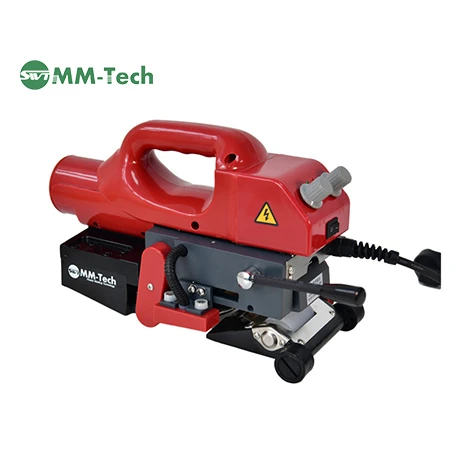
Geo Hot Wedge Welder SWT NS800 Operation Guide
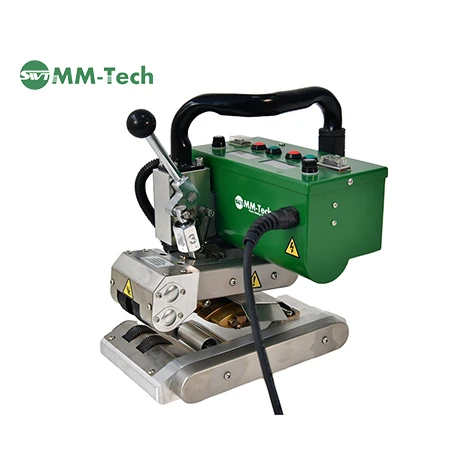
Compact HDPE Hot Wedge Welding Machine SWT-NSGM1 Operation Guide
Related News
2026-02-24 11:15:19
Comprehensive Guide to Plastic Extrusion Welding Machine Technology and Applications
Plastic extrusion welding machines are vital tools in numerous industries, facilitating the joining of thermoplastic materials with precision and efficiency. From constructing large tanks and vessels to fabricating pipelines and specialized components, these machines offer a robust and reliable solution. Understanding the different types, applications, and key features is crucial for making informed investment decisions. At MMTech Weld, we specialize in delivering high-quality plastic extrusion welding solutions tailored to diverse industrial needs. Choosing the right machine can significantly impact your production efficiency and the quality of your finished products. Plastic extrusion welding is a process where thermoplastic materials are melted and fused together using heat and pressure. The machine precisely controls the temperature, feed rate, and welding speed to create strong, leak-proof joints. These machines typically consist of a heating element, feed roller, welding shoe, and control panel. Different types of machines cater to specific applications and materials, ranging from portable units for smaller projects to automated systems for large-scale production. The key to a successful weld is ensuring consistent heat distribution and proper material compatibility.
2026-02-11 02:45:23
Comprehensive Guide to Plastic Extrusion Welding Techniques and Equipment Selection
Plastic extrusion welding is a versatile and efficient process used to join thermoplastic materials. This technique is widely employed across various industries, from automotive and construction to marine and chemical processing. At MM Tech Weld, we specialize in providing high-quality plastic extrusion welders and related solutions. This article delves into the intricacies of plastic extrusion welding, its applications, benefits, and key considerations for choosing the right equipment. Understanding this process can significantly improve your project efficiency and product quality. Plastic extrusion welding is a process where a thermoplastic welding material, typically a rod or wire, is melted and fed into the joint between two thermoplastic workpieces. The welding material is melted using a heated shoe, and as it cools, it fuses the two pieces together, creating a strong, leak-proof bond. Unlike other welding methods, extrusion welding doesn’t require the base materials to be completely melted, making it ideal for thicker sections and on-site repairs.
2026-01-30 14:55:50
Comprehensive Guide to Hand Extrusion Welder Applications and Selection
A hand extrusion welder is a portable and versatile tool used for joining thermoplastic materials. It’s a crucial piece of equipment in various industries, from plastic fabrication to pipeline repair. This article provides a comprehensive guide to hand extrusion welders, exploring their applications, benefits, key considerations when choosing one, and how MM Tech Weld delivers high-quality solutions. Understanding this technology allows professionals to optimize welding processes and achieve durable, reliable results. A hand extrusion welder operates by melting thermoplastic welding rods and extruding the molten material into the joint to be welded. The welder consists of a heating element, a feed mechanism for the welding rods, and a shoe or nozzle that guides the molten plastic.
2026-01-28 11:20:05
Comprehensive Guide to Pressure Leak Detectors for Enhanced Safety and Efficiency
In industries dealing with gases, vacuum systems, and pressurized environments, identifying leaks quickly and accurately is paramount for safety, efficiency, and cost control. A pressure leak detector is a critical tool for these applications, offering a non-destructive method to pinpoint even the smallest breaches in containment. This article will explore the different types of pressure leak detectors, their applications, advantages, and considerations for choosing the right detector for your specific needs. Efficient leak detection translates directly to minimized product loss, reduced energy consumption, and a safer working environment. Several technologies are employed in pressure leak detectors, each with its strengths and weaknesses. Some common types include: Bubble leak detectors, using a soap solution to reveal leaks as bubbles; Halogen leak detectors, sensitive to halogen-containing refrigerants; Ultrasonic leak detectors, detecting the high-frequency sound generated by escaping gas; and Mass spectrometer leak detectors (helium leak detectors), offering extremely high sensitivity by identifying helium molecules.
2026-01-27 22:55:02
Comprehensive Guide to Vacuum Leak Detection and Repair Techniques
Detecting and repairing vacuum leaks is crucial for maintaining optimal performance in various systems, from automotive engines to industrial processes. A seemingly small leak can lead to significant inefficiencies, reduced power, and even system failure. This article will provide a detailed look into understanding vacuum leaks, the tools used to find them – specifically, vacuum leak finders – troubleshooting techniques, and preventative measures. We’ll cover common causes, best practices, and how to choose the right equipment for your needs. Addressing vacuum leaks promptly can save you time, money, and potential headaches. Several methods can be used to locate vacuum leaks. The most basic involves a visual inspection of hoses, gaskets, and connections. However, many leaks are small and difficult to detect with the naked eye.
2026-01-27 19:55:20
Bullseye Leak Detector A Comprehensive Guide for Efficient Leak Detection
Maintaining the integrity of pressurized systems is critical in numerous industries, from HVAC and refrigeration to automotive and plumbing. A seemingly small leak can lead to significant inefficiencies, costly repairs, and even safety hazards. The Bullseye leak detector is a powerful tool designed to quickly and accurately pinpoint leaks in a variety of applications. This article will delve into the features, benefits, and applications of this versatile detector, ensuring you can effectively identify and address leaks before they escalate. Accurate leak detection is paramount for ensuring system efficiency and safety, and the Bullseye provides a reliable solution for professionals across various trades.
2026-01-27 18:25:14
Wegener Extrusion Welder Technology for Robust Thermoplastic Joining Solutions
When it comes to reliable and efficient solutions for joining thermoplastic materials, a Wegener Extrusion Welder stands as a leading choice. Known for its precision and durability, Wegener technology is trusted by professionals in diverse industries. This article delves into the features, applications, and benefits of Wegener Extrusion Welders, providing a thorough overview for those seeking a robust welding solution. Choosing the right equipment can significantly impact project quality and efficiency, and Wegener consistently delivers. Wegener extrusion welding utilizes a specialized machine that melts thermoplastic material and precisely extrudes it onto the joint area. This process creates a strong, homogenous weld, free from the weaknesses often associated with other joining methods. The controlled heat input minimizes distortion and stress on the materials. Unlike traditional welding techniques, it is exceptionally well-suited for large diameter pipe and complex geometries. MM Tech Weld’s Wegener machines offer unparalleled control and consistency for critical applications.
2026-01-25 02:10:06
Extrusion Welding HDPE Liner: A Guide
Learn about extrusion welding HDPE liner for industrial applications. Material specs, vendor comparison & why it’s a top choice for containment.
SUBSCRIBE NEWSLETTER
Dear customer, thank you for your attention! We provide high-quality machinery and equipment and look forward to your orders. Please inform us of your needs and we will respond quickly!






 English
  Arabic
  Bengali
  Czech
Czech  Dutch
Dutch  Finnish
  French
  German
  Hungarian
  Italian
  Japanese
  Korean
  Latin
Latin  Norwegian
  Polish
  Portuguese
  Russian
  Spanish
  Thai
Thai  Vietnamese