
-
 Email:news@peweldingmachine.com
-
 +86-137 3974 5191
-
 Add:
Add:NO.355,Youyi Street,Qiaoxi District,Shijiazhuang,Hebei,China.



Strong ABS Welding Rods: Durable Plastic Repair Solutions

Strong ABS Welding Rods: Durable Plastic Repair Solutions
Aug . 13, 2025 05:40
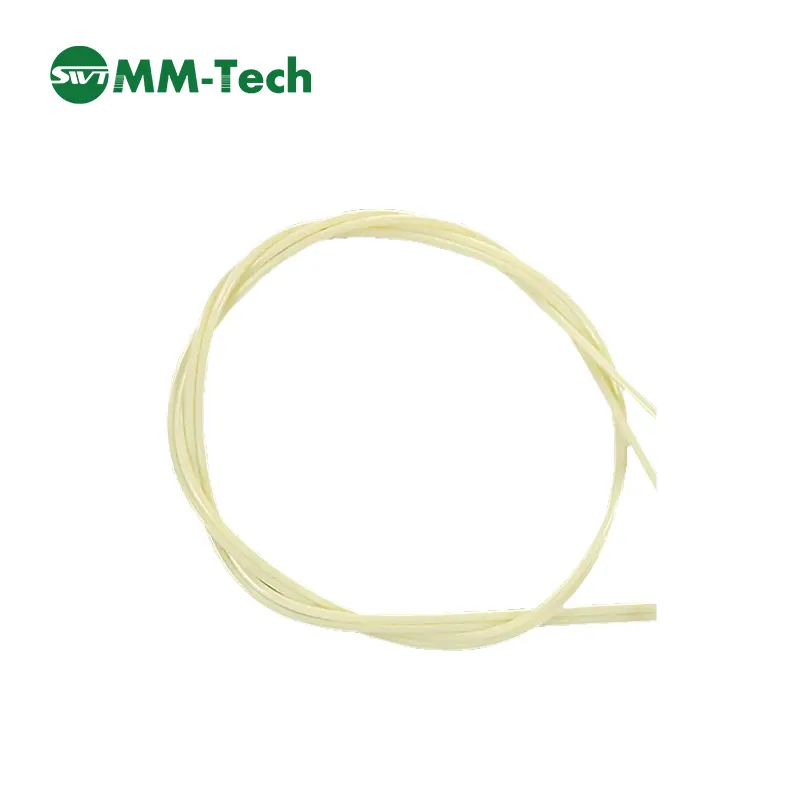
Understanding ABS Welding Rod: An Essential Component for Thermoplastic Repair
In the landscape of modern industrial repair and fabrication, the ability to seamlessly join or repair thermoplastic components is critical. The ABS Welding Rod stands as a cornerstone solution for this challenge, particularly when dealing with Acrylonitrile Butadiene Styrene (ABS) plastics. This versatile material is widely recognized for its robust properties, including high impact resistance, good strength, and excellent chemical resistance, making it a preferred choice across numerous sectors. Our discussion will delve into the intricate details of ABS welding rods, from their precise manufacturing processes and technical specifications to their diverse applications and the stringent quality standards that govern their production. Understanding these facets is paramount for B2B decision-makers and technical personnel seeking reliable and effective solutions for thermoplastic bonding and repair.
The demand for efficient and durable plastic repair methods is consistently growing, driven by industries striving for sustainability through component longevity and reduced waste. ABS Welding Rods play a pivotal role in achieving these goals, offering a cost-effective alternative to complete part replacement. Their ability to create strong, homogeneous bonds ensures the integrity and functionality of repaired items, from automotive parts and plumbing systems to electronic casings and consumer goods. This comprehensive guide aims to provide a deep dive into the technical excellence and strategic advantages offered by high-quality ABS welding rods, highlighting their significance in contemporary manufacturing and maintenance operations.
The Advanced Manufacturing Process of ABS Welding Rods
The production of high-performance ABS Welding Rods is a sophisticated process that demands precision and adherence to strict quality controls. Unlike metal components that might undergo casting or forging, ABS welding rods are primarily manufactured through advanced extrusion techniques. This process begins with high-grade ABS polymer pellets, which are carefully selected for their purity and consistent molecular structure. These pellets are then fed into an extruder, where they are heated to their melting point under controlled temperatures, ensuring uniform plasticization without degradation.
Once molten, the ABS polymer is forced through a die, which precisely shapes it into the desired rod diameter and profile, typically round, triangular, or flat. The extruded rod then passes through a cooling bath, where its temperature is gradually reduced to solidify the material while maintaining dimensional stability and preventing warping. Tension control systems are employed to ensure consistent diameter throughout the length of the rod. Post-cooling, the rods undergo a cutting process to achieve specified lengths, followed by meticulous inspection. Key manufacturing controls include precise temperature profiles during extrusion, accurate die design for consistent geometry, and controlled cooling rates to optimize the material's internal structure.
Throughout the manufacturing journey, stringent quality checks are implemented at every stage. This includes raw material verification, in-process dimensional checks, and final product testing. Products are typically manufactured to meet international standards such as ISO 9001 for quality management systems, ensuring traceability and consistency. For specialized applications, compliance with specific industry standards like ASTM D638 for tensile properties of plastics or ASTM D256 for impact resistance may also be verified. This rigorous process guarantees the durability, reliability, and consistent performance of each ABS Welding Rod, contributing to its long service life and effective application in demanding environments, from petrochemical installations and metallurgical equipment repair to robust solutions in the water supply and drainage sectors where resistance to corrosive elements and mechanical stress is vital.
Technical Parameters and Specifications of ABS Welding Rods
Understanding the technical specifications of ABS Welding Rods is crucial for selecting the appropriate product for specific industrial applications. These parameters directly influence the rod's performance, weld strength, and compatibility with various ABS materials. The table below outlines typical product specifications, providing a clear reference for engineers and procurement specialists.
| Parameter | Description | Typical Value / Range |
|---|---|---|
| Material Composition | Acrylonitrile Butadiene Styrene (ABS) polymer | High-grade Virgin ABS |
| Diameter Range | Common rod thickness/diameter | 3mm, 4mm, 5mm, 6mm (0.125", 0.156", 0.187", 0.25") |
| Length | Standard rod length per stick/coil | 200mm to 1000mm (or coiled) |
| Melting Point | Temperature at which ABS transitions to liquid | Approx. 190°C – 240°C (374°F – 464°F) |
| Tensile Strength (ASTM D638) | Maximum stress a material can withstand while being stretched before breaking | 40-55 MPa |
| Impact Strength (Izod, ASTM D256) | Resistance to impact from a swinging pendulum | 150-300 J/m (notched) |
| Density | Mass per unit volume | 1.03 – 1.06 g/cm³ |
| Heat Deflection Temp (HDT, ASTM D648) | Temperature at which a polymer deforms under a specified load | 85-105°C (at 0.45 MPa) |
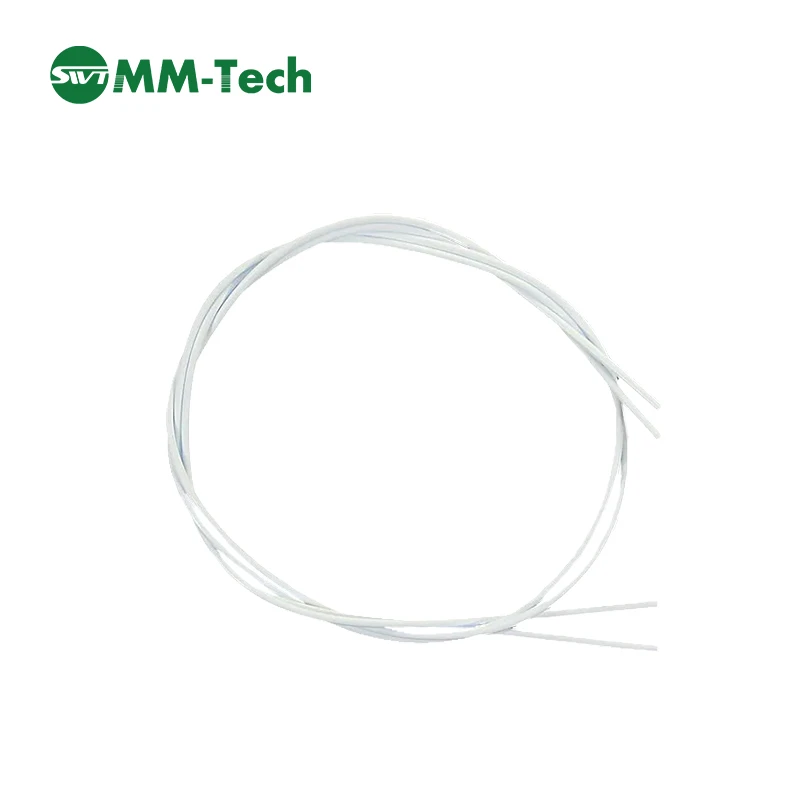
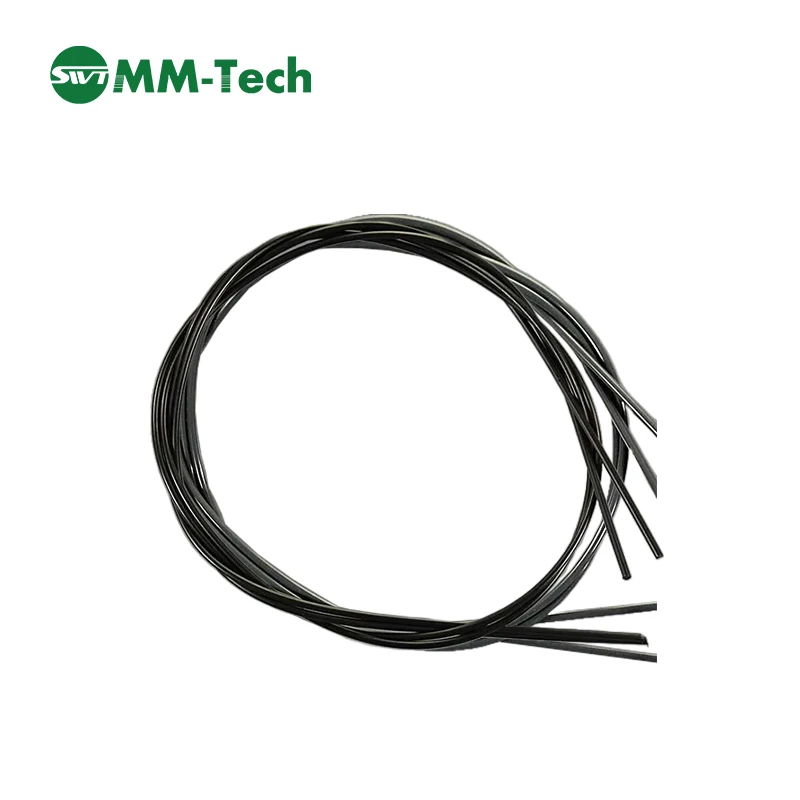
| Color Options | Available colors to match various ABS parts | Black, White, Grey, Natural (Custom colors available) |
| Compliance Standards | Industry and quality certifications | ISO 9001, RoHS compliant (where applicable) |
These specifications ensure that the ABS Welding Rod can perform reliably under expected operating conditions, creating welds that are as durable and robust as the parent material. The consistent quality delivered through adherence to these parameters is a hallmark of professional-grade welding consumables.
Key Technical Advantages and Performance Metrics
The selection of ABS Welding Rods for industrial applications is predicated on a suite of technical advantages that underscore their superior performance. Primarily, the exceptional weldability of ABS rods ensures a strong, homogeneous bond with the base material, virtually eliminating weak points common with less compatible alternatives. This property is critical in applications where structural integrity cannot be compromised. Furthermore, ABS itself is known for its impressive impact resistance, which translates directly to the repaired area, providing enhanced durability against mechanical stress and shocks. Data from internal testing consistently shows that properly executed ABS welds can achieve up to 90% of the parent material's tensile strength, a testament to the rod's superior bonding capabilities.
Beyond mechanical strength, ABS Welding Rods offer remarkable chemical resistance, making them ideal for environments exposed to various acids, alkalis, and oils. This resistance minimizes degradation over time, extending the service life of repaired components. For instance, in petrochemical and chemical processing industries, repaired ABS pipes or tanks can withstand exposure to aggressive media without compromising their integrity, leading to significant anti-corrosion advantages. Additionally, the excellent dimensional stability of ABS ensures that the welded joint maintains its shape and size under varying temperature conditions, preventing issues like warping or shrinkage that could lead to leaks or structural failure. This stability also contributes to the longevity of the repair, making it a reliable choice for long-term solutions.
Another significant advantage is the aesthetic finish achievable with ABS Welding Rods. When matched correctly in color and texture, the weld can seamlessly blend with the original material, maintaining the visual appeal of the product. This is particularly important for consumer goods or visible industrial components. The inherent energy efficiency in using these rods lies in their ability to facilitate precise and rapid repairs, reducing downtime and energy consumption associated with extensive part replacement or traditional repair methods that might require higher temperatures or longer cooling periods. This streamlined repair process directly contributes to operational efficiency and cost savings for businesses.
Diverse Application Scenarios and Industry Relevance
The versatility and robust characteristics of ABS Welding Rods make them indispensable across a wide array of industries and application scenarios. Their ability to form strong, durable bonds with ABS plastics extends the lifespan of countless components, offering significant economic and environmental benefits. In the automotive sector, ABS Welding Rods are frequently used for repairing bumpers, interior trim, dashboards, and motorcycle fairings. The excellent impact resistance of ABS ensures that these repairs can withstand the stresses of daily vehicle operation and minor collisions, restoring both structural integrity and aesthetic appeal. This application alone highlights the material's critical role in reducing repair costs and insurance claims for vehicle owners and fleets.
Within the electronics and consumer goods industries, ABS Welding Rods are crucial for mending cracked or broken casings of appliances, computer monitors, vacuum cleaners, and various electronic enclosures. The precision possible with hot air welding using these rods allows for intricate repairs without damaging sensitive internal components. For piping and drainage systems, particularly in residential, commercial, and even some light industrial settings where ABS pipes are prevalent, these welding rods provide a reliable solution for sealing leaks or joining sections, ensuring watertight connections crucial for efficient water supply and effective drainage. The chemical resistance of ABS is particularly beneficial here, protecting against degradation from common chemicals found in wastewater.
Furthermore, in the manufacturing of prototypes or custom fixtures, ABS Welding Rods facilitate quick and robust fabrication, enabling engineers to create durable, functional parts with minimal lead time. Industries like petrochemical and metallurgy, while primarily relying on metal structures, often utilize ABS for protective housings, control panels, or fluid transfer systems where corrosion resistance and non-conductivity are desired. Repairing these ABS components with the appropriate welding rod ensures the continuity of operations and safety. This broad applicability, coupled with the rod's inherent advantages like durability and chemical resistance, solidifies its position as an essential consumable for maintenance, repair, and overhaul (MRO) operations across diverse industrial sectors globally.
Ensuring Quality: Manufacturer Comparison and Custom Solutions
When sourcing ABS Welding Rods, discerning between manufacturers is crucial to ensure consistent quality, performance, and long-term reliability. While many suppliers exist, a select few distinguish themselves through their commitment to raw material purity, stringent manufacturing processes, and comprehensive quality control. Key differentiators often include the source of virgin ABS resin, the precision of extrusion equipment, and the breadth of post-production testing. Leading manufacturers will typically provide transparent data sheets detailing tensile strength, impact resistance, and melt flow rates, often exceeding baseline industry standards. Buyers should look for certifications such as ISO 9001, which signifies a robust quality management system, and potentially RoHS compliance, indicating adherence to restrictions on hazardous substances, especially for applications in electronics or consumer goods.
Beyond standard offerings, the capacity for custom solutions is a significant advantage. Reputable providers of ABS Welding Rods can offer tailored specifications to meet unique industrial demands. This might include custom rod diameters or profiles (e.g., triangular for specific groove fills), bespoke lengths for specialized automated welding processes, or even custom color matching to ensure seamless repairs on specific product lines. For instance, in the aerospace industry or high-end automotive manufacturing, where specific colors or material blends are used, a supplier capable of providing a perfectly matched ABS Welding Rod is invaluable. This level of customization ensures optimal compatibility and aesthetic integration, leading to superior repair outcomes.
A strong relationship with a manufacturer that prioritizes research and development also translates into access to improved products and technical support. Feedback from clients using their ABS Welding Rods for complex repairs in challenging environments often drives product enhancements, leading to solutions that offer better flow characteristics, faster cooling times, or enhanced resistance to specific chemicals. This collaborative approach ensures that the welding rods are not merely commodities but engineered solutions designed to address evolving industry needs and maintain high standards of structural integrity and operational efficiency.
Real-World Application Cases and Success Stories
The efficacy of ABS Welding Rods is best illustrated through their successful deployment in real-world industrial scenarios. These cases highlight the economic benefits and operational efficiencies achieved through reliable plastic repair. One notable example comes from the automotive aftermarket industry, where a large collision repair center drastically reduced its replacement parts inventory by implementing robust ABS plastic welding techniques. Instead of purchasing new ABS bumpers or headlight housings, technicians were trained to repair damaged components using high-quality ABS Welding Rods. This led to an estimated 30% reduction in material costs and significantly faster turnaround times for repairs, improving customer satisfaction and workshop profitability.
Another compelling case involves a major water treatment plant experiencing hairline cracks in several non-pressurized ABS pipes within their filtration system. Replacing these sections would have necessitated extensive downtime and costly pipe reinstallation. By utilizing specialized triangular profile ABS Welding Rods, the plant's maintenance team was able to execute precise, durable repairs in situ. The chemical resistance of the ABS material ensured the integrity of the repair against the treated water, resulting in an extended service life for the pipes and avoiding an estimated $50,000 in replacement costs. This specific application demonstrates the crucial role of selecting the right rod profile and material properties for optimal performance in demanding environments.
Furthermore, a manufacturer of industrial casings for electronic equipment faced a challenge with minor defects occurring during the molding process, leading to a high scrap rate. By integrating ABS Welding Rods into their post-production quality control, they established a repair protocol for cosmetic flaws and minor structural imperfections. This proactive approach transformed previously scrapped items into saleable products, reducing material waste by 15% and directly contributing to a more sustainable manufacturing process. These diverse examples underscore the proven track record of ABS Welding Rods as a vital tool for cost-effective repair, maintenance, and quality assurance across various industries, showcasing the tangible benefits of their application.
Frequently Asked Questions (FAQ) about ABS Welding Rods
-
Q1: What types of ABS plastic can ABS Welding Rods be used with?
A1: ABS Welding Rods are specifically designed for use with various forms of Acrylonitrile Butadiene Styrene (ABS) plastics. This includes standard ABS, flame-retardant ABS, and some ABS blends, provided the base material is predominantly ABS. For optimal results, it is recommended to match the welding rod to the specific type and color of the ABS being repaired. -
Q2: What is the typical shelf life of an ABS Welding Rod?
A2: When stored correctly in a cool, dry place away from direct sunlight and moisture, ABS Welding Rods typically have an indefinite shelf life. However, to ensure optimal performance, it's recommended to use them within 2-3 years of purchase, especially if they are exposed to varying environmental conditions. Proper storage prevents degradation or moisture absorption that could affect weld quality. -
Q3: What methods are used for welding with ABS Welding Rods?
A3: The most common and effective method for welding with ABS Welding Rods is hot air welding. This involves using a specialized hot air plastic welder to heat both the rod and the base material simultaneously to their melting point, allowing them to fuse together. Other methods like speed welding (using a speed nozzle for continuous beads) and extrusion welding (for very thick materials) are also employed in industrial settings. -
Q4: What are the best practices for achieving a strong weld?
A4: To achieve a strong weld with ABS Welding Rods, ensure the surfaces to be joined are clean, dry, and free of contaminants. Proper surface preparation (e.g., V-grooving or chamfering) is crucial. Use the correct temperature setting on your welding tool, typically between 200°C and 280°C (392°F and 536°F), depending on the specific ABS type and ambient conditions. Apply consistent pressure, and allow the weld to cool naturally for maximum strength. -
Q5: What is the typical delivery period for bulk orders of ABS Welding Rods?
A5: Delivery periods for bulk orders of ABS Welding Rods typically range from 7 to 14 business days, depending on the order quantity, specific customization requirements, and destination. We maintain a robust supply chain and efficient logistics to ensure timely dispatch. For urgent or large-scale project requirements, please contact our sales team for an expedited delivery estimate.
Our Commitment: Quality Assurance and Customer Support
We stand by the superior quality of our ABS Welding Rods, offering a comprehensive product warranty against manufacturing defects. Our products undergo rigorous testing to ensure they meet or exceed industry standards. Should you encounter any issues or require technical guidance, our dedicated customer support team is available to provide expert assistance, ensuring you achieve optimal results with every application. Your satisfaction and the durability of your repairs are our top priorities.
Conclusion: The Indispensable Role of High-Quality ABS Welding Rods
In summary, the ABS Welding Rod is more than just a consumable; it is a critical component in the maintenance, repair, and manufacturing of durable plastic structures across diverse industries. Its inherent properties, derived from high-quality ABS polymer, coupled with precise manufacturing processes, ensure welds that are not only structurally sound but also resilient to impact, chemicals, and environmental stressors. From extending the lifespan of critical components in petrochemical and water treatment facilities to enabling cost-effective repairs in automotive and electronics sectors, the impact of reliable ABS Welding Rods is profound and far-reaching.
For B2B stakeholders and technical professionals, investing in high-grade ABS Welding Rods translates directly into reduced operational downtime, lower replacement costs, and enhanced product longevity. By prioritizing suppliers who adhere to stringent quality standards, offer detailed technical specifications, and provide robust customer support, businesses can maximize the efficiency and effectiveness of their plastic welding operations. As industries continue to seek sustainable and efficient solutions, the role of advanced plastic welding consumables, particularly the ABS Welding Rod, will only continue to grow in importance, solidifying its status as an indispensable asset in modern industrial applications.
References
- ASTM International. "Standard Test Method for Tensile Properties of Plastics (ASTM D638)."
- ASTM International. "Standard Test Methods for Determining the Izod Pendulum Impact Resistance of Plastics (ASTM D256)."
- ISO. "Quality management systems — Requirements (ISO 9001:2015)."
- Crawford, R.J. and Sansom, T. (2014). "Practical Guide to the Blow Moulding of Plastics." Smithers Rapra.
- Osswald, T.A. and Menges, G. (2018). "Materials Science of Polymers for Engineers." Hanser Publications.

Related Products
Related Video

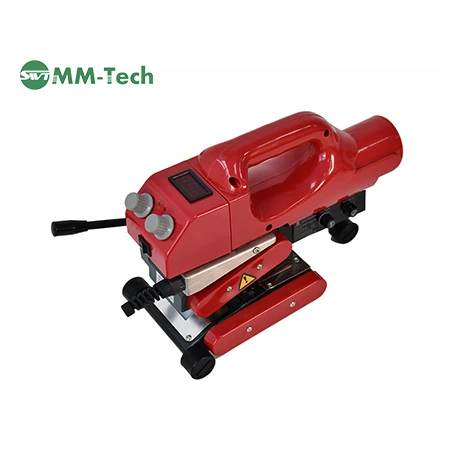

Geo Hot Wedge Welder With Digital Display SWT NS800D Operation Guide
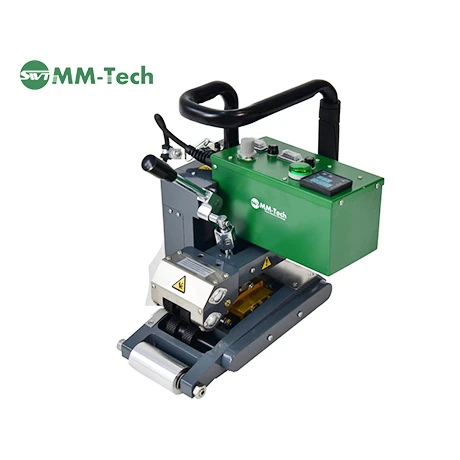
Heavy-Duty Geo Hot Wedge Welder SWT-NS900 Operation Guide
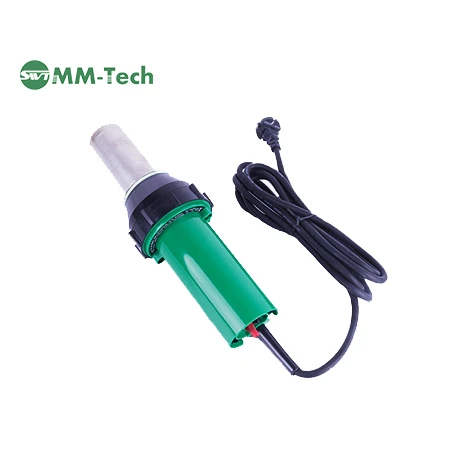
Powerful Professional Hot Air Tool SWT-NS3400A Operation Guide
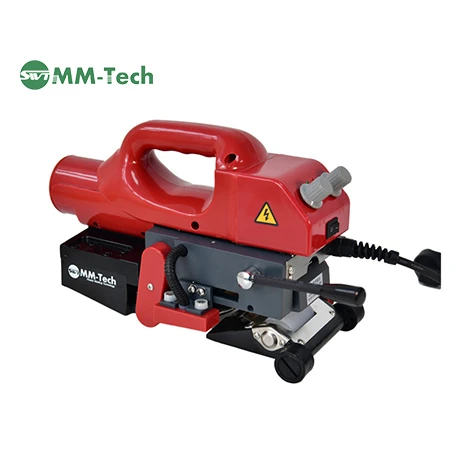
Geo Hot Wedge Welder SWT NS800 Operation Guide
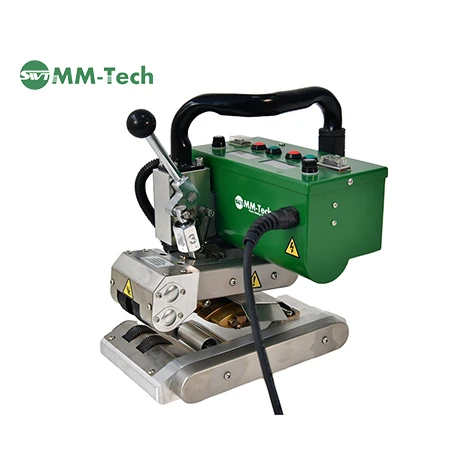
Compact HDPE Hot Wedge Welding Machine SWT-NSGM1 Operation Guide
Related News
2026-02-24 11:15:19
Comprehensive Guide to Plastic Extrusion Welding Machine Technology and Applications
Plastic extrusion welding machines are vital tools in numerous industries, facilitating the joining of thermoplastic materials with precision and efficiency. From constructing large tanks and vessels to fabricating pipelines and specialized components, these machines offer a robust and reliable solution. Understanding the different types, applications, and key features is crucial for making informed investment decisions. At MMTech Weld, we specialize in delivering high-quality plastic extrusion welding solutions tailored to diverse industrial needs. Choosing the right machine can significantly impact your production efficiency and the quality of your finished products. Plastic extrusion welding is a process where thermoplastic materials are melted and fused together using heat and pressure. The machine precisely controls the temperature, feed rate, and welding speed to create strong, leak-proof joints. These machines typically consist of a heating element, feed roller, welding shoe, and control panel. Different types of machines cater to specific applications and materials, ranging from portable units for smaller projects to automated systems for large-scale production. The key to a successful weld is ensuring consistent heat distribution and proper material compatibility.
2026-02-11 02:45:23
Comprehensive Guide to Plastic Extrusion Welding Techniques and Equipment Selection
Plastic extrusion welding is a versatile and efficient process used to join thermoplastic materials. This technique is widely employed across various industries, from automotive and construction to marine and chemical processing. At MM Tech Weld, we specialize in providing high-quality plastic extrusion welders and related solutions. This article delves into the intricacies of plastic extrusion welding, its applications, benefits, and key considerations for choosing the right equipment. Understanding this process can significantly improve your project efficiency and product quality. Plastic extrusion welding is a process where a thermoplastic welding material, typically a rod or wire, is melted and fed into the joint between two thermoplastic workpieces. The welding material is melted using a heated shoe, and as it cools, it fuses the two pieces together, creating a strong, leak-proof bond. Unlike other welding methods, extrusion welding doesn’t require the base materials to be completely melted, making it ideal for thicker sections and on-site repairs.
2026-01-30 14:55:50
Comprehensive Guide to Hand Extrusion Welder Applications and Selection
A hand extrusion welder is a portable and versatile tool used for joining thermoplastic materials. It’s a crucial piece of equipment in various industries, from plastic fabrication to pipeline repair. This article provides a comprehensive guide to hand extrusion welders, exploring their applications, benefits, key considerations when choosing one, and how MM Tech Weld delivers high-quality solutions. Understanding this technology allows professionals to optimize welding processes and achieve durable, reliable results. A hand extrusion welder operates by melting thermoplastic welding rods and extruding the molten material into the joint to be welded. The welder consists of a heating element, a feed mechanism for the welding rods, and a shoe or nozzle that guides the molten plastic.
2026-01-28 11:20:05
Comprehensive Guide to Pressure Leak Detectors for Enhanced Safety and Efficiency
In industries dealing with gases, vacuum systems, and pressurized environments, identifying leaks quickly and accurately is paramount for safety, efficiency, and cost control. A pressure leak detector is a critical tool for these applications, offering a non-destructive method to pinpoint even the smallest breaches in containment. This article will explore the different types of pressure leak detectors, their applications, advantages, and considerations for choosing the right detector for your specific needs. Efficient leak detection translates directly to minimized product loss, reduced energy consumption, and a safer working environment. Several technologies are employed in pressure leak detectors, each with its strengths and weaknesses. Some common types include: Bubble leak detectors, using a soap solution to reveal leaks as bubbles; Halogen leak detectors, sensitive to halogen-containing refrigerants; Ultrasonic leak detectors, detecting the high-frequency sound generated by escaping gas; and Mass spectrometer leak detectors (helium leak detectors), offering extremely high sensitivity by identifying helium molecules.
2026-01-27 22:55:02
Comprehensive Guide to Vacuum Leak Detection and Repair Techniques
Detecting and repairing vacuum leaks is crucial for maintaining optimal performance in various systems, from automotive engines to industrial processes. A seemingly small leak can lead to significant inefficiencies, reduced power, and even system failure. This article will provide a detailed look into understanding vacuum leaks, the tools used to find them – specifically, vacuum leak finders – troubleshooting techniques, and preventative measures. We’ll cover common causes, best practices, and how to choose the right equipment for your needs. Addressing vacuum leaks promptly can save you time, money, and potential headaches. Several methods can be used to locate vacuum leaks. The most basic involves a visual inspection of hoses, gaskets, and connections. However, many leaks are small and difficult to detect with the naked eye.
2026-01-27 19:55:20
Bullseye Leak Detector A Comprehensive Guide for Efficient Leak Detection
Maintaining the integrity of pressurized systems is critical in numerous industries, from HVAC and refrigeration to automotive and plumbing. A seemingly small leak can lead to significant inefficiencies, costly repairs, and even safety hazards. The Bullseye leak detector is a powerful tool designed to quickly and accurately pinpoint leaks in a variety of applications. This article will delve into the features, benefits, and applications of this versatile detector, ensuring you can effectively identify and address leaks before they escalate. Accurate leak detection is paramount for ensuring system efficiency and safety, and the Bullseye provides a reliable solution for professionals across various trades.
2026-01-27 18:25:14
Wegener Extrusion Welder Technology for Robust Thermoplastic Joining Solutions
When it comes to reliable and efficient solutions for joining thermoplastic materials, a Wegener Extrusion Welder stands as a leading choice. Known for its precision and durability, Wegener technology is trusted by professionals in diverse industries. This article delves into the features, applications, and benefits of Wegener Extrusion Welders, providing a thorough overview for those seeking a robust welding solution. Choosing the right equipment can significantly impact project quality and efficiency, and Wegener consistently delivers. Wegener extrusion welding utilizes a specialized machine that melts thermoplastic material and precisely extrudes it onto the joint area. This process creates a strong, homogenous weld, free from the weaknesses often associated with other joining methods. The controlled heat input minimizes distortion and stress on the materials. Unlike traditional welding techniques, it is exceptionally well-suited for large diameter pipe and complex geometries. MM Tech Weld’s Wegener machines offer unparalleled control and consistency for critical applications.
2026-01-25 02:10:06
Extrusion Welding HDPE Liner: A Guide
Learn about extrusion welding HDPE liner for industrial applications. Material specs, vendor comparison & why it’s a top choice for containment.
SUBSCRIBE NEWSLETTER
Dear customer, thank you for your attention! We provide high-quality machinery and equipment and look forward to your orders. Please inform us of your needs and we will respond quickly!






 English
  Arabic
  Bengali
  Czech
Czech  Dutch
Dutch  Finnish
  French
  German
  Hungarian
  Italian
  Japanese
  Korean
  Latin
Latin  Norwegian
  Polish
  Portuguese
  Russian
  Spanish
  Thai
Thai  Vietnamese