
-
 Email:news@peweldingmachine.com
-
 +86-137 3974 5191
-
 Add:
Add:NO.355,Youyi Street,Qiaoxi District,Shijiazhuang,Hebei,China.



Extrusion Welding HDPE Pipe Machines | Durable & Efficient Welds

Extrusion Welding HDPE Pipe Machines | Durable & Efficient Welds
Aug . 12, 2025 05:20
The Imperative of Robust HDPE Pipe Joining in Modern Infrastructure
High-Density Polyethylene (HDPE) pipes have become the cornerstone of modern fluid transfer systems across a multitude of industries, valued for their durability, flexibility, and resistance to corrosion and chemicals. However, the integrity of any HDPE pipeline fundamentally relies on the strength and reliability of its joints. This is where extrusion welding HDPE pipe technology emerges as a critical solution, offering unparalleled bond strength and longevity, especially for complex installations and repairs where conventional fusion methods might fall short. The ongoing global expansion of critical infrastructure, including water treatment plants, gas distribution networks, and industrial pipelines, underscores a surging demand for advanced, dependable welding techniques for HDPE.
As industries strive for enhanced operational efficiency and reduced maintenance costs, the adoption of superior joining methods becomes non-negotiable. The market for sophisticated welding equipment, including specialized extrusion welder for sale units, is experiencing robust growth driven by stringent environmental regulations and the need for zero-leakage systems. This trend is particularly evident in sectors requiring high-pressure, high-volume fluid transport, where even minor joint failures can lead to catastrophic consequences. The inherent flexibility of HDPE, combined with precise extrusion welding, ensures that pipelines can withstand geological shifts, temperature fluctuations, and aggressive chemical environments, extending their service life significantly beyond that of traditional materials.
Mastering the Extrusion Welding Process for HDPE Pipe
The process of extrusion welding HDPE pipe involves a meticulously controlled application of molten HDPE filler material to create a homogeneous joint between two HDPE surfaces. Unlike butt fusion, which relies on melting and pressing pipe ends together, extrusion welding introduces a new, highly viscous melt from an integrated extruder, allowing for the fabrication of custom fittings, repair of damaged sections, or joining of non-standard geometries. The underlying material, HDPE, is a thermoplastic polymer celebrated for its high strength-to-density ratio, excellent chemical resistance, and non-corrosive nature. The manufacturing integrity of the original HDPE pipe, whether produced via extrusion or rotational molding, is paramount, adhering to international standards like ISO 4427 or ASTM F714, ensuring consistent material properties for optimal welding.
The fundamental steps within the extrusion welder process typically include surface preparation (cleaning and scraping), preheating the joint area to a specific temperature (often around 200-220°C) to facilitate molecular intermingling, and then the controlled extrusion of molten HDPE filler rod onto the prepared surfaces. The molten material fuses with the pipe surfaces under controlled pressure and temperature, forming a solid, continuous bond upon cooling. Critical to this process are rigorous inspection standards such as ISO 21307 for butt fusion and specific visual inspection criteria for extrusion welds, ensuring weld bead uniformity, penetration, and the absence of voids or cold welds. The resulting joint, when executed correctly, is as strong as, or even stronger than, the parent material, contributing to a projected service life of 50 years or more for the entire pipeline system. This robust joining method is indispensable across industries like petrochemical, mining, and municipal water supply.
Key Technical Parameters and Performance Excellence
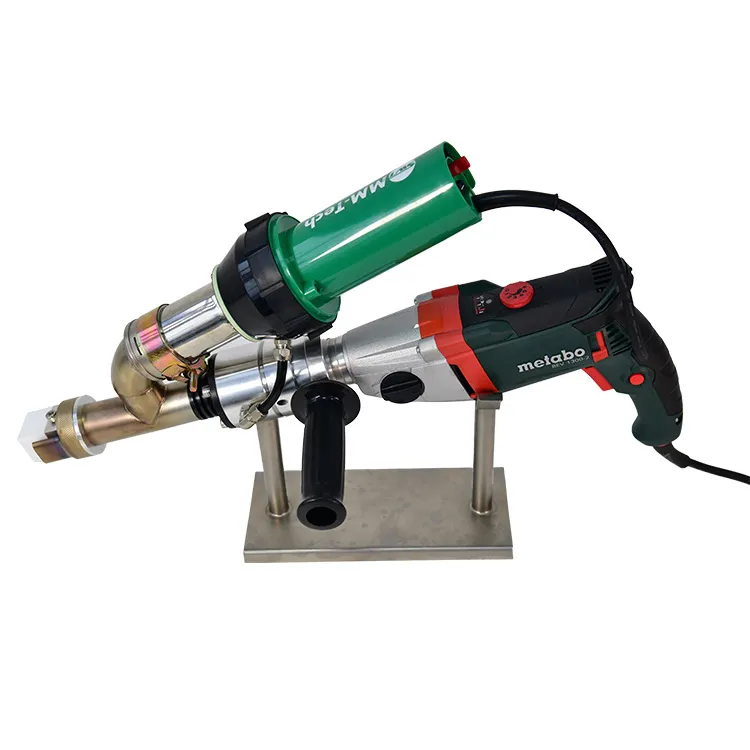
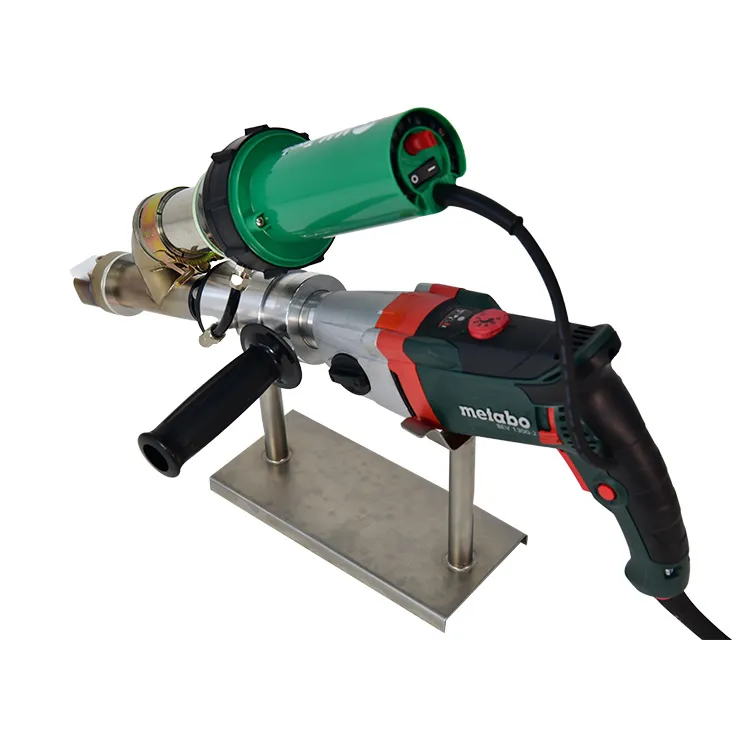
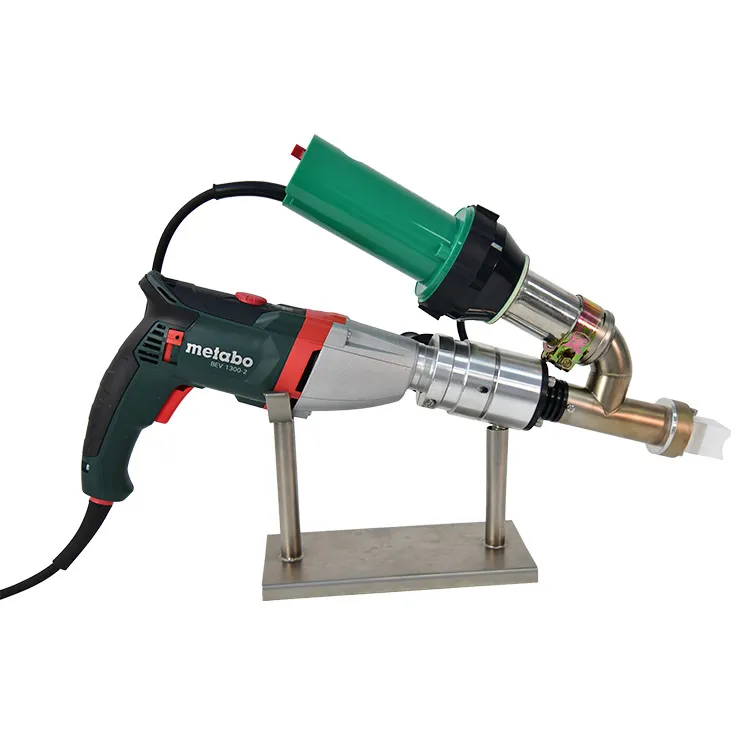
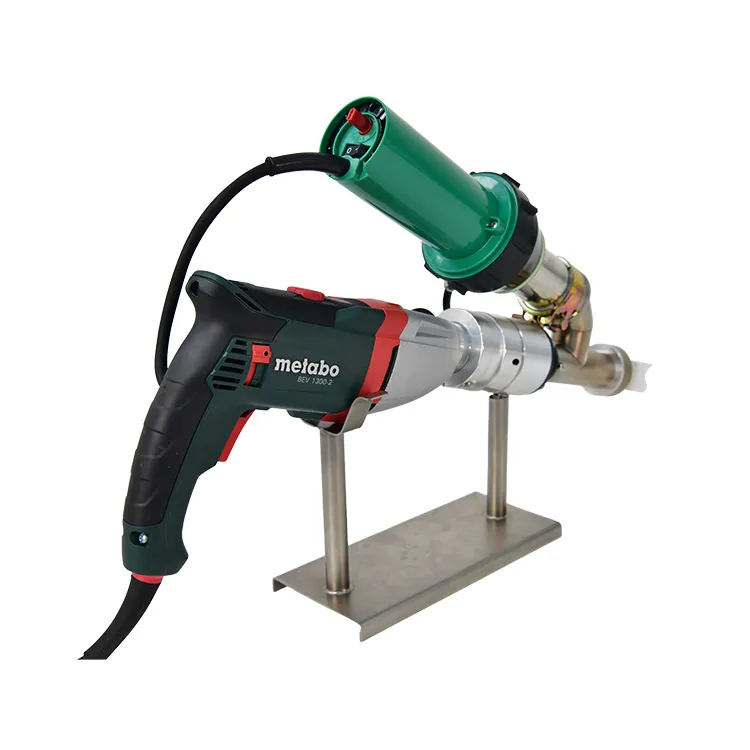
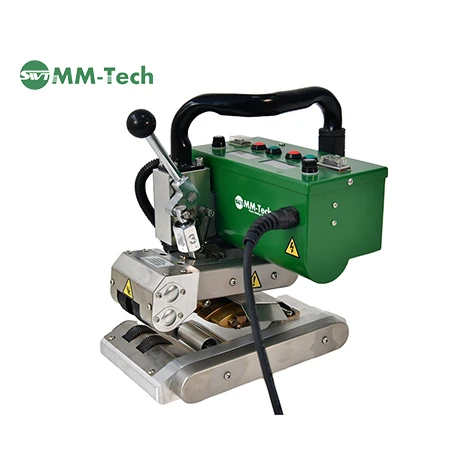
Achieving optimal results in extrusion welding HDPE pipe necessitates a deep understanding of several critical technical parameters. The melt flow rate (MFR) of both the pipe material and the filler rod is crucial, indicating the fluidity of the polymer at a given temperature and load; a consistent MFR ensures uniform material deposition. Weld temperature, preheating temperature, and the speed of extrusion are all finely tuned variables that directly impact the molecular fusion and the ultimate strength of the weld. For instance, the SWT-NS610E Hand Extrusion Welding Machine, a leading `welding extruder` in its class, boasts a maximum output of 6 kg/h and a drive motor power of 1300W, enabling rapid and efficient execution of high-quality welds across various HDPE pipe diameters and thicknesses. Its sophisticated temperature control system, with independent heating for both hot air and extrusion, ensures precise and consistent fusion.
| Parameter | Typical Value/Range | Impact on Weld Integrity |
|---|---|---|
| Material Grade | PE100 / PE4710 (High-Density) | Ensures high strength, stress crack resistance, and long-term performance. |
| Melt Flow Rate (MFR) | 0.2 - 1.0 g/10min (2.16 kg, 190°C) | Critical for consistent flow and fusion of filler material. |
| Tensile Strength (Weld) | ≥ 90% of Parent Material (e.g., 20 MPa) | Indicates the load-bearing capacity and strength of the fused joint. |
| Operating Temperature Range | -40°C to +60°C | Ensures pipe and weld integrity across diverse climatic conditions. |
| Service Life Expectancy | 50+ Years (with proper installation) | Long-term reliability and low total cost of ownership. |
The robust design of the SWT-NS610E, with its lightweight yet durable construction (only 7.5 kg including the heating unit), facilitates easy handling and maneuverability in challenging field conditions. This hand extrusion welder is engineered for continuous operation, making it ideal for demanding projects in sectors such as civil engineering, environmental protection, and gas and water works, where precision and consistent performance are paramount for the successful extrusion welding HDPE pipe components.
Versatile Applications and Unmatched Advantages
The versatility of extrusion welding HDPE pipe extends its application across an impressive array of industries. From critical wastewater management systems in urban centers to high-pressure gas distribution networks and industrial process piping in chemical plants, HDPE's inherent properties make it an ideal choice. In the petrochemical sector, HDPE pipes joined by extrusion welding effectively resist corrosive media, ensuring safe and long-term transport of various chemicals and hydrocarbons. Metallurgical industries benefit from its abrasion resistance when conveying slurries or tailings. For municipal water supply and drainage, the leak-free nature of fusion-welded HDPE systems significantly reduces water loss and contamination risks, aligning with global sustainability goals.
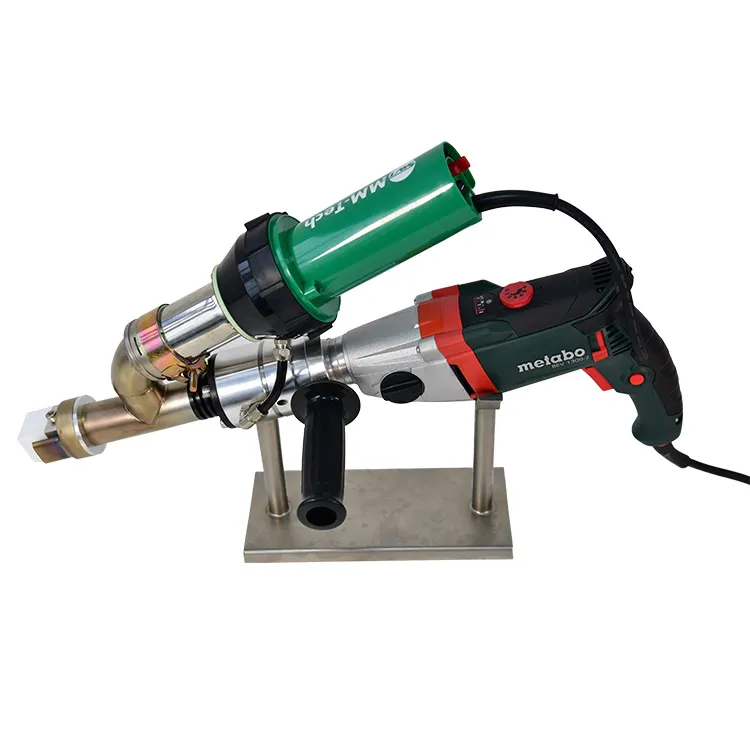
The technical advantages offered by precise extrusion welding HDPE pipe are manifold. Firstly, the monolithic joint created through fusion eliminates the need for mechanical fasteners, which are often points of weakness and leakage in traditional piping. This results in superior anti-corrosion properties, as there are no metallic components exposed to corrosive fluids or soil conditions, translating to a significantly longer service life and reduced maintenance. Secondly, the smooth interior bore of HDPE pipes, even at the weld joint, minimizes friction and pressure loss, contributing to notable energy savings in pumping operations. Furthermore, the inherent flexibility of HDPE pipes allows them to accommodate ground movement and seismic activity without fracturing, a critical advantage in unstable terrains. A high-quality extrusion welder ensures these advantages are fully realized, delivering strong, reliable, and durable pipeline connections.
Selecting the Right Extrusion Welder: A Strategic Decision
When sourcing an extrusion welder for sale, B2B decision-makers must consider several factors beyond just the initial purchase price. The reputation and technical expertise of the manufacturer are paramount. A reliable supplier offers not only high-performance equipment but also comprehensive pre-sales consultation and robust after-sales support, including training, spare parts availability, and troubleshooting guidance. Evaluating a manufacturer’s history of innovation, adherence to international quality standards (such as ISO 9001 certification), and their commitment to research and development provides insight into their capability to provide long-term value. The SWT-NS610E Hand Extrusion Welding Machine exemplifies a product developed with practical field applications in mind, ensuring ease of use without compromising the quality of the extrusion welding HDPE pipe process.
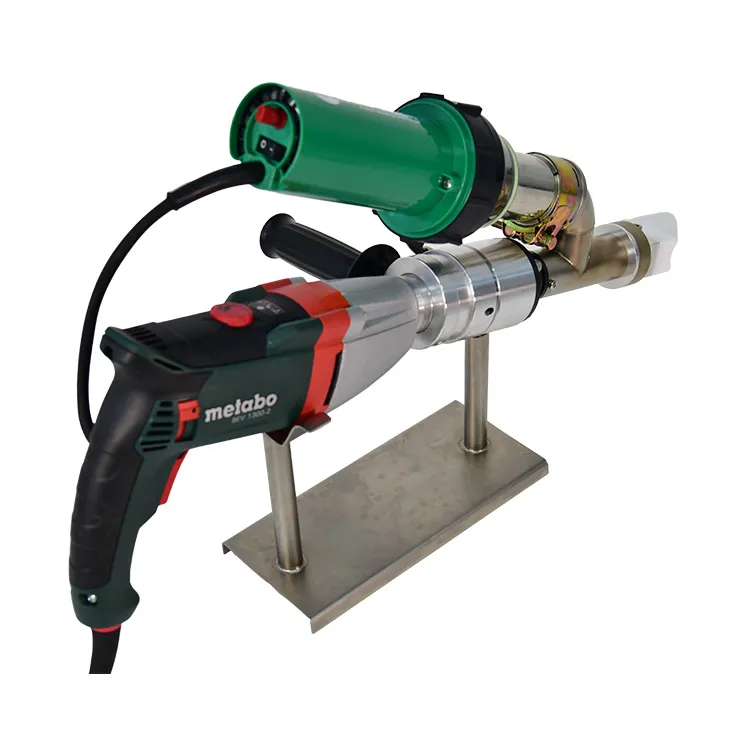
Custom solutions and flexible configurations are also vital considerations, especially for projects with unique demands. A forward-thinking supplier should be able to offer tailored advice on the most suitable `welding extruder` models, welding parameters, and filler materials for specific pipe dimensions, pressure ratings, and environmental conditions. This includes evaluating whether a hand-held unit like the SWT-NS610E is sufficient for maneuverability in tight spaces or if a larger, more automated solution is required for high-volume fabrication. MM-TechWeld, for example, prides itself on its technical support team, which assists clients in optimizing their welding processes to achieve peak performance and extend the lifespan of their HDPE pipeline infrastructure, ensuring that every extrusion welding HDPE pipe project meets the highest industry standards.
Proven Success: Application Case Studies and Client Trust
The real-world efficacy of extrusion welding HDPE pipe technology is best demonstrated through successful application case studies. Consider a challenging mining project in a remote, mountainous region where traditional steel pipelines faced rapid corrosion and frequent failures due to highly acidic wastewater. By switching to HDPE pipes and deploying advanced extrusion welding techniques, the project team achieved a seamless, corrosion-proof pipeline system. The project saw a 60% reduction in maintenance costs within the first year and zero leakage incidents, directly attributable to the robust, homogeneous joints created by hand extrusion welders like the SWT-NS610E. Such operational successes underscore the immense value that precise welding technology brings to demanding environments.
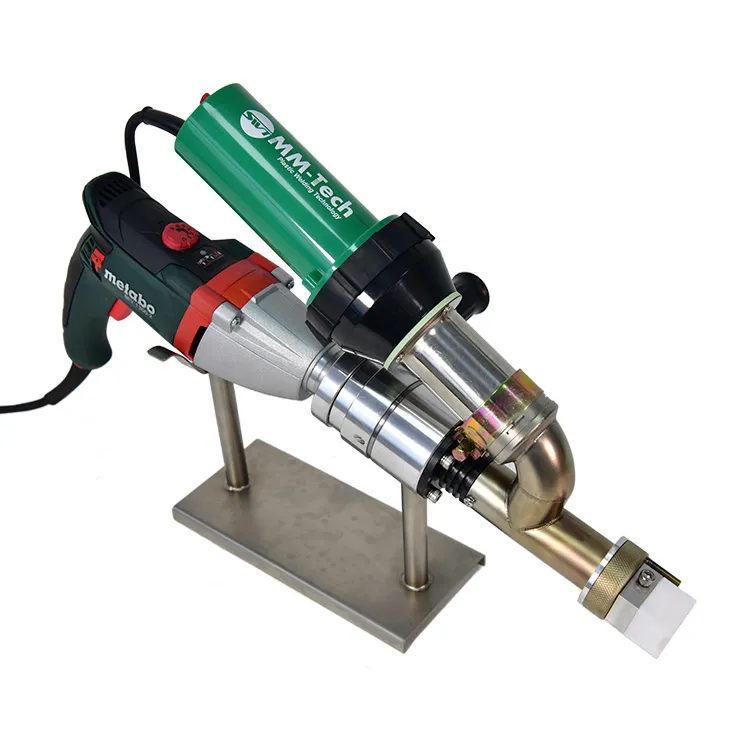
- Client Testimonial: "Our municipal water utility faced persistent leaks in our aging PVC lines. Transitioning to HDPE with the SWT-NS610E `welding extruder` transformed our system. The ease of use and the sheer strength of the welds have exceeded our expectations, delivering truly leak-free infrastructure." - Chief Engineer, City Water Works Department.
- Service Excellence: In an urgent chemical plant pipeline repair, our team leveraged the rapid deployment and precise control of the SWT-NS610E to execute complex geometry welds under tight deadlines, minimizing downtime and preventing significant operational losses. Our commitment to providing swift, effective solutions for extrusion welding HDPE pipe challenges is a cornerstone of our client relationships.
Our decades of experience in the field, coupled with adherence to stringent quality controls and possession of relevant industry certifications (e.g., CE, RoHS), serve as a testament to our authoritativeness and trustworthiness. We stand by our products, offering comprehensive warranties and a dedicated support team, ensuring that every investment in our extrusion welder for sale leads to long-term operational success and peace of mind for our B2B partners.
Frequently Asked Questions (FAQ)
Q1: What are the primary advantages of extrusion welding HDPE pipe over other fusion methods?
A1: Extrusion welding is particularly advantageous for creating joints on large diameter pipes, in confined spaces, or for intricate geometries (e.g., T-joints, patch repairs) where butt fusion or electrofusion may be impractical. It allows for a robust, consistent bead of molten material to be applied, ensuring a homogeneous, high-strength weld that effectively eliminates leakage points and enhances the overall system's integrity and longevity.
Q2: What is the typical delivery period for the SWT-NS610E Hand Extrusion Welding Machine, and what support is included?
A2: Standard delivery for our SWT-NS610E Hand Extrusion Welder for sale is typically 2-4 weeks, depending on the specific configuration and destination. We offer expedited shipping options for urgent requirements. Each unit comes with a comprehensive 12-month warranty covering manufacturing defects. Our dedicated customer support team provides technical assistance, access to genuine spare parts, and can arrange for operator training to ensure optimal performance and extend the lifespan of your investment.
Q3: How does the quality of the filler rod affect the extrusion welding HDPE pipe process?
A3: The quality and compatibility of the HDPE filler rod are critical. It must be of the same or compatible grade (e.g., PE100) as the pipe material to ensure a strong, homogeneous molecular bond. Using inferior or incompatible filler material can lead to weak, brittle welds prone to failure. Our `welding extruder` systems are designed to work seamlessly with high-quality HDPE filler rods, ensuring maximum weld integrity and performance.
Authoritative References
- ISO 21307:2011, "Plastics pipes and fittings — Butt fusion jointing procedures for polyethylene (PE) pressure pipes and fittings." This standard outlines best practices for fusion, foundational to understanding HDPE weld integrity.
- ASTM F2620-13, "Standard Practice for Heat Fusion Joining of Polyethylene Pipe and Fittings." Provides comprehensive guidelines for achieving robust and durable heat fusion joints in PE piping systems across various techniques.
- Plastics Pipe Institute (PPI) Handbook of Polyethylene Pipe. A widely recognized industry resource detailing design, installation, and joining methods for PE pipes, including detailed sections on extrusion welding HDPE pipe.
- "Welding of Plastics: Extrusion Welding" by J.V. Tweddle, published in the Journal of Vinyl and Additive Technology. An academic work providing in-depth analysis of the scientific principles and practical applications of extrusion welding for polymer materials.
- Kühnemann, G. (2018). PE Pipe Systems for Gas Distribution: Materials, Design, Installation. Technical guidance for gas industry professionals, emphasizing advanced joining techniques.

Related Products
Related Video

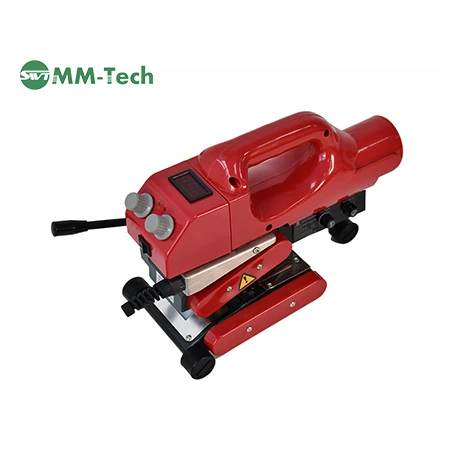

Geo Hot Wedge Welder With Digital Display SWT NS800D Operation Guide
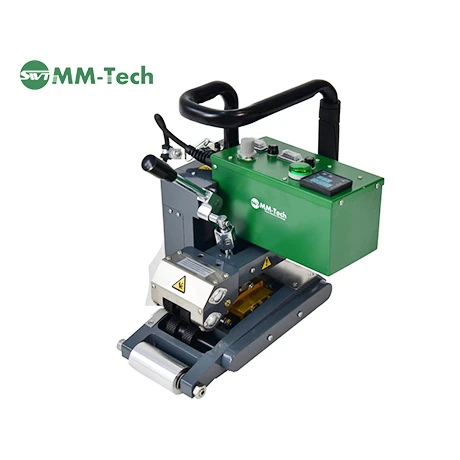
Heavy-Duty Geo Hot Wedge Welder SWT-NS900 Operation Guide
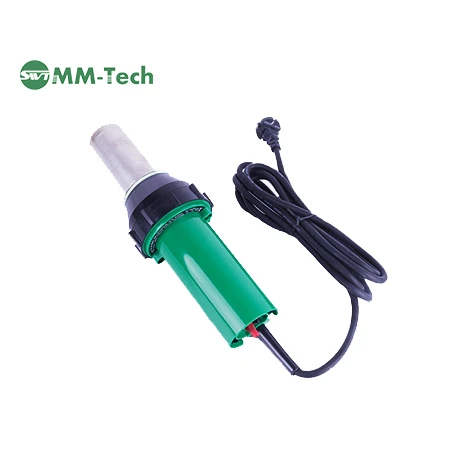
Powerful Professional Hot Air Tool SWT-NS3400A Operation Guide
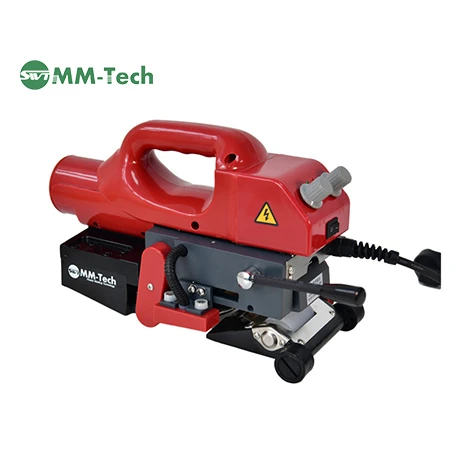
Geo Hot Wedge Welder SWT NS800 Operation Guide
Compact HDPE Hot Wedge Welding Machine SWT-NSGM1 Operation Guide
Related News
2026-02-24 11:15:19
Comprehensive Guide to Plastic Extrusion Welding Machine Technology and Applications
Plastic extrusion welding machines are vital tools in numerous industries, facilitating the joining of thermoplastic materials with precision and efficiency. From constructing large tanks and vessels to fabricating pipelines and specialized components, these machines offer a robust and reliable solution. Understanding the different types, applications, and key features is crucial for making informed investment decisions. At MMTech Weld, we specialize in delivering high-quality plastic extrusion welding solutions tailored to diverse industrial needs. Choosing the right machine can significantly impact your production efficiency and the quality of your finished products. Plastic extrusion welding is a process where thermoplastic materials are melted and fused together using heat and pressure. The machine precisely controls the temperature, feed rate, and welding speed to create strong, leak-proof joints. These machines typically consist of a heating element, feed roller, welding shoe, and control panel. Different types of machines cater to specific applications and materials, ranging from portable units for smaller projects to automated systems for large-scale production. The key to a successful weld is ensuring consistent heat distribution and proper material compatibility.
2026-02-11 02:45:23
Comprehensive Guide to Plastic Extrusion Welding Techniques and Equipment Selection
Plastic extrusion welding is a versatile and efficient process used to join thermoplastic materials. This technique is widely employed across various industries, from automotive and construction to marine and chemical processing. At MM Tech Weld, we specialize in providing high-quality plastic extrusion welders and related solutions. This article delves into the intricacies of plastic extrusion welding, its applications, benefits, and key considerations for choosing the right equipment. Understanding this process can significantly improve your project efficiency and product quality. Plastic extrusion welding is a process where a thermoplastic welding material, typically a rod or wire, is melted and fed into the joint between two thermoplastic workpieces. The welding material is melted using a heated shoe, and as it cools, it fuses the two pieces together, creating a strong, leak-proof bond. Unlike other welding methods, extrusion welding doesn’t require the base materials to be completely melted, making it ideal for thicker sections and on-site repairs.
2026-01-30 14:55:50
Comprehensive Guide to Hand Extrusion Welder Applications and Selection
A hand extrusion welder is a portable and versatile tool used for joining thermoplastic materials. It’s a crucial piece of equipment in various industries, from plastic fabrication to pipeline repair. This article provides a comprehensive guide to hand extrusion welders, exploring their applications, benefits, key considerations when choosing one, and how MM Tech Weld delivers high-quality solutions. Understanding this technology allows professionals to optimize welding processes and achieve durable, reliable results. A hand extrusion welder operates by melting thermoplastic welding rods and extruding the molten material into the joint to be welded. The welder consists of a heating element, a feed mechanism for the welding rods, and a shoe or nozzle that guides the molten plastic.
2026-01-28 11:20:05
Comprehensive Guide to Pressure Leak Detectors for Enhanced Safety and Efficiency
In industries dealing with gases, vacuum systems, and pressurized environments, identifying leaks quickly and accurately is paramount for safety, efficiency, and cost control. A pressure leak detector is a critical tool for these applications, offering a non-destructive method to pinpoint even the smallest breaches in containment. This article will explore the different types of pressure leak detectors, their applications, advantages, and considerations for choosing the right detector for your specific needs. Efficient leak detection translates directly to minimized product loss, reduced energy consumption, and a safer working environment. Several technologies are employed in pressure leak detectors, each with its strengths and weaknesses. Some common types include: Bubble leak detectors, using a soap solution to reveal leaks as bubbles; Halogen leak detectors, sensitive to halogen-containing refrigerants; Ultrasonic leak detectors, detecting the high-frequency sound generated by escaping gas; and Mass spectrometer leak detectors (helium leak detectors), offering extremely high sensitivity by identifying helium molecules.
2026-01-27 22:55:02
Comprehensive Guide to Vacuum Leak Detection and Repair Techniques
Detecting and repairing vacuum leaks is crucial for maintaining optimal performance in various systems, from automotive engines to industrial processes. A seemingly small leak can lead to significant inefficiencies, reduced power, and even system failure. This article will provide a detailed look into understanding vacuum leaks, the tools used to find them – specifically, vacuum leak finders – troubleshooting techniques, and preventative measures. We’ll cover common causes, best practices, and how to choose the right equipment for your needs. Addressing vacuum leaks promptly can save you time, money, and potential headaches. Several methods can be used to locate vacuum leaks. The most basic involves a visual inspection of hoses, gaskets, and connections. However, many leaks are small and difficult to detect with the naked eye.
2026-01-27 19:55:20
Bullseye Leak Detector A Comprehensive Guide for Efficient Leak Detection
Maintaining the integrity of pressurized systems is critical in numerous industries, from HVAC and refrigeration to automotive and plumbing. A seemingly small leak can lead to significant inefficiencies, costly repairs, and even safety hazards. The Bullseye leak detector is a powerful tool designed to quickly and accurately pinpoint leaks in a variety of applications. This article will delve into the features, benefits, and applications of this versatile detector, ensuring you can effectively identify and address leaks before they escalate. Accurate leak detection is paramount for ensuring system efficiency and safety, and the Bullseye provides a reliable solution for professionals across various trades.
2026-01-27 18:25:14
Wegener Extrusion Welder Technology for Robust Thermoplastic Joining Solutions
When it comes to reliable and efficient solutions for joining thermoplastic materials, a Wegener Extrusion Welder stands as a leading choice. Known for its precision and durability, Wegener technology is trusted by professionals in diverse industries. This article delves into the features, applications, and benefits of Wegener Extrusion Welders, providing a thorough overview for those seeking a robust welding solution. Choosing the right equipment can significantly impact project quality and efficiency, and Wegener consistently delivers. Wegener extrusion welding utilizes a specialized machine that melts thermoplastic material and precisely extrudes it onto the joint area. This process creates a strong, homogenous weld, free from the weaknesses often associated with other joining methods. The controlled heat input minimizes distortion and stress on the materials. Unlike traditional welding techniques, it is exceptionally well-suited for large diameter pipe and complex geometries. MM Tech Weld’s Wegener machines offer unparalleled control and consistency for critical applications.
2026-01-25 02:10:06
Extrusion Welding HDPE Liner: A Guide
Learn about extrusion welding HDPE liner for industrial applications. Material specs, vendor comparison & why it’s a top choice for containment.
SUBSCRIBE NEWSLETTER
Dear customer, thank you for your attention! We provide high-quality machinery and equipment and look forward to your orders. Please inform us of your needs and we will respond quickly!






 English
  Arabic
  Bengali
  Czech
Czech  Dutch
Dutch  Finnish
  French
  German
  Hungarian
  Italian
  Japanese
  Korean
  Latin
Latin  Norwegian
  Polish
  Portuguese
  Russian
  Spanish
  Thai
Thai  Vietnamese