
-
 Email:news@peweldingmachine.com
-
 +86-137 3974 5191
-
 Add:
Add:NO.355,Youyi Street,Qiaoxi District,Shijiazhuang,Hebei,China.



High Purity PVDF Welding Rods for Chemical & Water Systems

High Purity PVDF Welding Rods for Chemical & Water Systems
Aug . 28, 2025 07:20
Understanding PVDF Welding Rod in High-Performance Applications
Polyvinylidene Fluoride (PVDF) is a high-performance thermoplastic renowned for its exceptional chemical resistance, thermal stability, and mechanical strength. These properties make it an indispensable material in various demanding industrial applications, especially where aggressive chemicals, high temperatures, and abrasive environments are prevalent. The integrity of any PVDF system hinges significantly on its joining method, and this is precisely where the PVDF Welding Rod plays a critical role. Designed to create robust, leak-proof joints, these welding rods ensure the seamless operation and longevity of complex piping systems, tanks, and linings.
This comprehensive article delves into the intricacies of PVDF Welding Rod technology, covering its manufacturing processes, detailed technical specifications, diverse application scenarios, and the profound advantages it offers. We will also explore current industry trends, provide a comparative analysis of vendors, discuss customized solutions, and present real-world case studies to underscore its efficacy and reliability in critical B2B environments. Our aim is to provide B2B decision-makers and engineers with the authoritative information needed to make informed choices for their high-stakes projects.
Industry Trends and Market Dynamics
The global market for fluoropolymers, including PVDF, is experiencing robust growth, driven by increasing demand from the chemical processing, semiconductor, and renewable energy sectors. Projections indicate a compound annual growth rate (CAGR) of approximately 6-8% for the fluoropolymer market over the next five to seven years, largely fueled by a shift towards more sustainable and efficient industrial operations. This trend directly impacts the demand for high-quality PVDF Welding Rod as industries seek reliable solutions for constructing infrastructure capable of handling corrosive media, high temperatures, and ultra-high purity requirements.
Key drivers include stringent environmental regulations necessitating leak-proof and corrosion-resistant piping, advancements in semiconductor manufacturing requiring ultra-pure fluid handling systems, and the expansion of chemical plants demanding materials with superior chemical inertness. Furthermore, the growth in energy storage solutions, particularly lithium-ion batteries where PVDF is used as a binder, is indirectly driving innovation and demand across the PVDF supply chain, including for welding consumables. The focus on sustainability also means industries are looking for materials with longer service lives, reducing the need for frequent replacements and minimizing waste, an area where PVDF excels.
Detailed Manufacturing Process of PVDF Welding Rod
The production of high-quality PVDF Welding Rod is a meticulous process, ensuring that the final product retains the superior properties of PVDF resin. This involves several critical steps, from material selection to final quality assurance.
Process Flow Schematic:
- Raw Material Sourcing: High-grade PVDF resin pellets, typically homopolymers or copolymers, are selected. These resins are characterized by their specific molecular weight, melt flow index (MFI), and purity level, often certified to meet standards such as ASTM D3222 for PVDF resins. Additives, if required for specific properties like UV stabilization or color, are carefully pre-blended.
- Drying: PVDF resin is hygroscopic, meaning it absorbs moisture. Before processing, the raw material is thoroughly dried in dehumidifying dryers at precise temperatures (e.g., 80-100°C for several hours) to prevent hydrolytic degradation during extrusion, which could lead to voids or poor mechanical properties in the final rod.
- Extrusion: The dried PVDF pellets are fed into a single-screw extruder. The material is melted and homogenized under controlled temperature profiles (typically 200-240°C) and pressure. The molten PVDF is then forced through a specialized die that shapes it into a continuous rod of a specific diameter (e.g., 3mm, 4mm, 5mm). The extrusion process demands precise control over melt temperature, pressure, and screw speed to ensure uniform diameter and density.
- Cooling: Immediately after exiting the die, the hot PVDF rod passes through a cooling bath, usually filled with deionized water, to solidify rapidly and maintain its dimensional stability. The cooling rate is crucial to prevent internal stresses and maintain the desired crystalline structure of the PVDF.
- Sizing and Calibration: As the rod cools, it may undergo further sizing using vacuum calibrators to ensure the precise final diameter and roundness. Laser micrometers continuously monitor the diameter in real-time, feeding back data to control the extrusion speed and cooling parameters.
- Tensioning and Winding: The solidified rod is then pulled through a series of tensioning rollers and wound onto spools or coils. Consistent tension is maintained throughout this stage to prevent stretching or deformation of the rod.
- Quality Control & Testing: Each batch of PVDF Welding Rod undergoes rigorous quality assurance. This includes visual inspection for defects, dimensional checks (diameter, ovality), and mechanical testing (e.g., tensile strength, elongation at break as per ASTM D638). Chemical resistance tests and thermal stability analyses may also be conducted. Products are often certified to meet international standards such as ISO 10931 for plastic piping systems.
- Packaging: The finished rods are typically coiled, sometimes protected by a plastic film, and then packaged to prevent contamination and physical damage during storage and transport.
This stringent manufacturing process ensures that the PVDF Welding Rod delivers consistent performance, crucial for industries such as petrochemical, metallurgy, semiconductor fabrication, and water supply & drainage, where corrosion resistance and long service life are paramount.
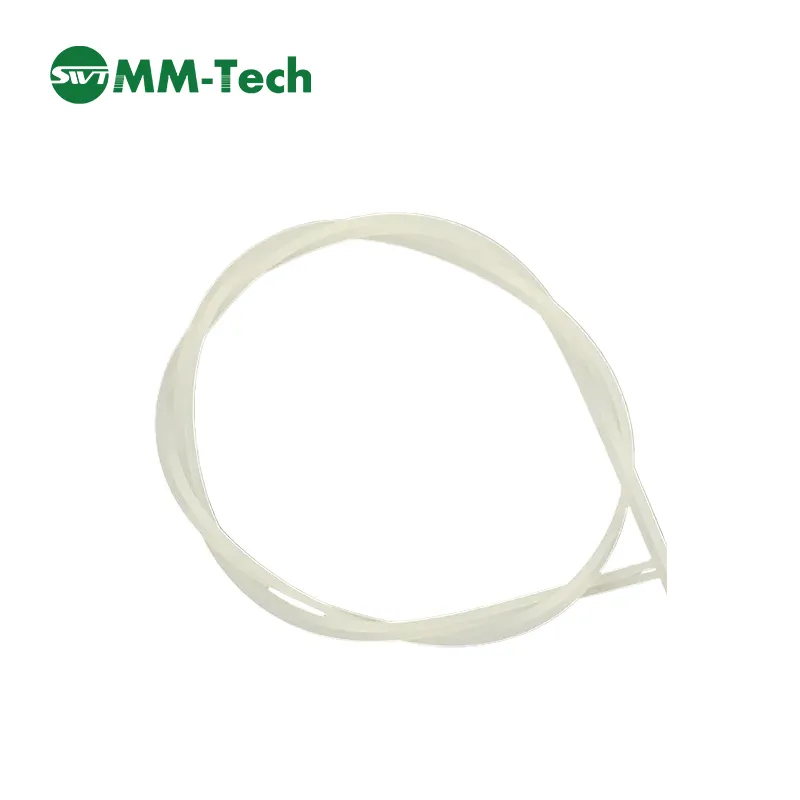
Technical Specifications of PVDF Welding Rod
The performance of a PVDF Welding Rod is defined by its precise technical specifications, which dictate its suitability for various industrial applications. These parameters ensure compatibility and long-term durability in challenging environments. Below is a table outlining typical technical specifications:
Typical PVDF Welding Rod Specifications
These parameters are critical for engineers and procurement specialists to ensure the selected PVDF Welding Rod matches the operational demands and regulatory compliance requirements of their projects. The high melting point and continuous service temperature are indicative of PVDF's suitability for hot process streams, while its outstanding chemical resistance ensures integrity in highly corrosive environments, surpassing many other thermoplastics.
Application Scenarios for PVDF Welding Rod
The versatile properties of PVDF Welding Rod make it ideal for a multitude of industrial applications where conventional materials fail or are unsuitable. Its ability to form strong, chemically resistant welds is pivotal in maintaining system integrity.
- Chemical Processing Industry (CPI): PVDF piping systems are widely used for conveying aggressive chemicals like strong acids (sulfuric, hydrochloric, nitric), bases, and halogenated solvents. PVDF Welding Rod ensures that joints in these critical pipelines resist chemical attack, preventing leaks, and ensuring safe operation for decades. This is crucial in facilities handling highly corrosive waste streams or production intermediates.
- Semiconductor Manufacturing: In the fabrication of semiconductors, ultra-high purity (UHP) water and chemicals are essential. PVDF systems, welded with matching PVDF rods, provide the necessary chemical inertness and ultra-low extractables, preventing contamination of sensitive electronic components. Its smooth surface finish also minimizes particle adhesion.
- Pharmaceutical and Biotechnology: For sterile processes and handling of sensitive pharmaceutical ingredients, PVDF systems offer excellent chemical resistance and can withstand repeated sterilization cycles (e.g., steam-in-place, hot water sanitization) without degradation. The weld integrity achieved with PVDF Welding Rod is vital for maintaining aseptic conditions and preventing biofilm formation.
- Water Treatment and Desalination: In municipal and industrial water treatment plants, including reverse osmosis (RO) and ultrafiltration (UF) systems, PVDF is used for its resistance to chlorine, ozone, and other disinfectants, as well as its long-term durability in saltwater environments. Welding rods ensure robust connections in these demanding conditions, extending system service life.
- Mining and Metallurgy: PVDF components are used in processes involving corrosive slurries and leaching agents (e.g., sulfuric acid in hydrometallurgy). Welding with PVDF rods provides durable joints for tanks, scrubbers, and pipelines that are exposed to highly abrasive and corrosive media, reducing maintenance costs and downtime.
- Food & Beverage: PVDF's non-toxic nature and resistance to cleaning agents make it suitable for contact with food and beverages. Applications include piping for dairy products, juices, and alcohol, ensuring hygiene and chemical compatibility.
These diverse applications underscore the critical role of specialized welding consumables like PVDF rods in ensuring the reliability and longevity of industrial infrastructure in the face of extreme operational challenges.
Technical Advantages of PVDF Welding Rods
The selection of PVDF Welding Rod for critical applications offers a myriad of technical advantages that translate directly into operational efficiencies, enhanced safety, and reduced lifecycle costs:
- Superior Chemical Resistance: PVDF is inherently resistant to a broad spectrum of aggressive chemicals, including strong inorganic and organic acids, alcohols, halogenated solvents, and oxidizing agents, even at elevated temperatures. This chemical inertness ensures the integrity of the welded joints, preventing corrosion and material degradation that often plagues metallic systems.
- High Thermal Stability: With a continuous service temperature up to 150°C (302°F) and a high melting point (165-175°C), PVDF welding rods produce joints that can withstand thermally challenging environments without losing structural integrity or chemical resistance.
- Excellent Mechanical Properties: Welds made with PVDF rods exhibit high tensile strength, stiffness, and creep resistance, ensuring robust and durable connections capable of handling operational pressures and mechanical stresses over extended periods.
- Exceptional Purity: PVDF is known for its high purity and low extractable levels. This makes PVDF welding rods ideal for UHP applications in semiconductor and pharmaceutical industries, where leaching of contaminants could compromise product quality.
- UV and Weather Resistance: PVDF offers outstanding resistance to ultraviolet radiation and harsh weather conditions, making it suitable for outdoor installations without degradation, embrittlement, or discoloration over time. This extends the service life in external applications such as rooftop piping or outdoor chemical storage facilities.
- Abrasion Resistance: Compared to many other thermoplastics, PVDF exhibits good abrasion resistance, which is beneficial in applications involving slurries or abrasive fluids, further contributing to the longevity of the welded system.
- Fire Resistance: PVDF inherently possesses good flame retardant properties, contributing to enhanced safety in industrial environments. It typically has a high Limiting Oxygen Index (LOI) and produces low smoke.
- Ease of Welding: While requiring specific techniques (e.g., hot air, hot plate, or IR welding), PVDF is readily weldable, allowing for efficient and reliable fabrication of complex geometries with proper training and equipment. The process results in homogeneous, monolithic joints that are as strong as the parent material.
These combined advantages contribute to a longer service life, reduced maintenance, and improved operational safety, making PVDF welding rods a cost-effective choice for critical industrial infrastructure.
Vendor Comparison: Selecting Your PVDF Welding Rod Supplier
Choosing the right supplier for PVDF Welding Rod is as critical as selecting the material itself. A reputable vendor ensures product quality, consistency, and reliable support. Here’s a comparative overview of key factors to consider:
PVDF Welding Rod Vendor Comparison
MMTechWeld distinguishes itself through its commitment to manufacturing high-quality PVDF Welding Rod from premium virgin resins, backed by comprehensive quality control and dedicated technical support. This focus ensures consistent product performance and reliability for critical B2B applications, offering a balance of quality, support, and competitive pricing.
Customized Solutions for PVDF Welding Rods
Recognizing that standard products do not always meet every unique project requirement, MMTechWeld offers customized PVDF Welding Rod solutions. Customization ensures optimal performance and seamless integration into highly specialized systems.
- Tailored Diameters and Lengths: While standard diameters like 3mm, 4mm, and 5mm are common, projects may require specific rod dimensions. MMTechWeld can produce rods in custom diameters, from finer gauges for intricate welds to larger sizes for heavy-duty applications, as well as specific cut lengths to minimize waste and streamline welding processes.
- Specific Resin Grades: Depending on the chemical environment or temperature profile, a particular PVDF resin grade (e.g., higher flexural modulus, different MFI for specific welding techniques) might be necessary. We work with clients to source and process the exact PVDF resin that matches their material specifications, ensuring weld compatibility with existing PVDF components.
- Color Matching: For aesthetic or identification purposes, color-matched PVDF Welding Rod can be supplied. This is particularly useful in complex systems where different process lines need visual distinction or for brand consistency. Pigments used are carefully selected to not compromise the chemical or physical properties of the PVDF.
- Packaging and Coiling: Custom packaging options, including specific coil sizes, spooling arrangements, or specialized protective wrapping, can be provided to suit logistics, storage constraints, or welding equipment requirements on site.
- Enhanced Purity Levels: For ultra-high purity applications beyond typical requirements, MMTechWeld can offer welding rods produced in cleanroom environments, with enhanced testing for extractables and particle counts, ensuring compliance with the most stringent standards such as SEMI F57.
By offering these customized solutions, MMTechWeld helps clients overcome unique engineering challenges, ensuring that the welding consumables are perfectly aligned with the demands of their sophisticated projects. Our team collaborates closely with engineers to define requirements and deliver precision-engineered products.
Application Case Studies: PVDF Welding Rod in Action
These case studies illustrate the tangible benefits and successful deployment of PVDF Welding Rod in demanding industrial settings, showcasing its reliability and performance.
Case Study 1: Chemical Plant Expansion – Sulfuric Acid Lines
A major petrochemical company embarked on an expansion project for its sulfuric acid production unit, requiring a new network of pipelines for concentrated sulfuric acid (98%) at temperatures up to 80°C. Previous attempts with stainless steel alloys suffered from significant corrosion and frequent failures, leading to costly downtime and safety concerns.
Solution: The engineering team opted for a full PVDF piping system, utilizing MMTechWeld's 4mm PVDF Welding Rod for all joint fabrications. Hot air welding techniques were employed by certified technicians.
Results: Post-installation, the PVDF system exhibited zero leaks and superior resistance to the highly corrosive sulfuric acid. After two years of continuous operation, there has been no observable degradation of the pipe or weld joints, leading to a projected service life exceeding 15 years, a significant improvement over the 3-5 years achieved with metallic alternatives. This resulted in a 40% reduction in maintenance costs and enhanced operational safety.
Case Study 2: Ultra-Pure Water System for Semiconductor Fab
A new semiconductor fabrication plant required an ultra-high purity (UHP) water distribution system that could deliver water with sub-ppb levels of impurities. The critical requirement was to prevent any leaching of ions or organic compounds from the piping material or welding consumables.
Solution: MMTechWeld provided custom-specified PVDF Welding Rod, manufactured from a UHP-grade PVDF resin and packaged in a cleanroom environment. The welding rods were supplied with detailed Certificates of Analysis, verifying low extractable levels and high purity. Infrared (IR) welding was used for its precision and minimal contamination risk.
Results: The installed UHP water system consistently met the stringent water quality specifications, with post-installation testing confirming minimal total organic carbon (TOC) and ion levels. The integrity of the welded joints ensured a seamless, contamination-free fluid path, directly contributing to high wafer yields and reduced defect rates for the client. The system has been operational for five years without any purity issues attributable to the PVDF materials.
Frequently Asked Questions (FAQs)
Q: What welding methods are suitable for PVDF Welding Rods?
A: PVDF welding rods are typically used with hot air welding, hot plate welding, infrared (IR) welding, and extrusion welding techniques. The choice depends on the application, geometry, and required weld quality.
Q: Can PVDF Welding Rods be used for repairing existing PVDF systems?
A: Yes, PVDF welding rods are commonly used for repairs, modifications, and extensions of existing PVDF piping and lining systems, provided the existing material is compatible and properly prepared.
Q: What certifications should I look for in PVDF Welding Rods?
A: Key certifications include ISO 9001 for quality management, and product-specific standards like ISO 10931 (for plastic piping systems), and often compliance with FDA (food contact) or USP Class VI (biomedical) depending on the application.
Q: How does PVDF compare to other fluoroplastics like PTFE or PFA for welding?
A: PVDF is a melt-processable fluoroplastic, making it readily weldable using conventional thermoplastic welding techniques. PTFE and PFA are also melt-processable but often require higher processing temperatures and more specialized equipment due to their higher melting points and viscosity. PVDF offers a good balance of properties, processability, and cost-effectiveness for many applications.
Lead Time, Warranty, and Customer Support
Lead Time & Fulfillment
MMTechWeld prides itself on efficient order processing and delivery. Standard PVDF Welding Rod orders typically have a lead time of 1-3 weeks, depending on stock availability and order volume. For custom formulations or non-standard diameters, lead times may range from 4-6 weeks to accommodate specific production runs. We maintain a robust inventory of common sizes to facilitate quicker turnaround for urgent requirements. Detailed shipping information, including tracking, is provided upon dispatch.
Warranty Commitments
MMTechWeld's PVDF Welding Rods are manufactured to the highest quality standards. We offer a comprehensive warranty against manufacturing defects in material and workmanship for a period of 12 months from the date of purchase. This warranty is contingent on proper storage, handling, and application of the product in accordance with industry best practices and our recommendations. Full warranty details are available upon request and provided with every order.
Customer Support
Our commitment extends beyond product delivery. MMTechWeld offers expert technical support for all our PVDF Welding Rod products. Our team of experienced engineers and application specialists is available to assist with product selection, welding technique guidance, troubleshooting, and custom solution development. For inquiries, technical assistance, or to place an order, please contact us via our website's contact form, email, or telephone. We aim to respond to all technical queries within 24 hours.
References
- Fluoropolymers Market Size, Share & Trends Analysis Report. Grand View Research, Inc.
- Polyvinylidene Fluoride (PVDF) Properties and Applications. SpecialChem.
- ISO 10931:2005 - Plastic piping systems for industrial applications — Polyvinylidene fluoride (PVDF). International Organization for Standardization.
- ASM Handbook, Volume 16: Machining, Material Removal. ASM International.
- SEMI F57-0301 - Specification for Fluoropolymer Material Used in Ultra-Pure Water and Liquid Chemical Distribution Systems. Semiconductor Equipment and Materials International.

Related Products
Related Video

Geo Hot Wedge Welder With Digital Display SWT NS800D Operation Guide
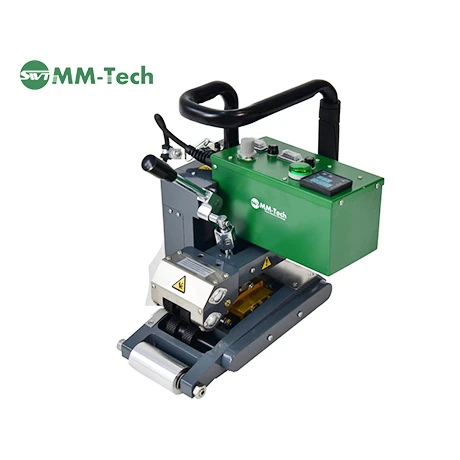
Heavy-Duty Geo Hot Wedge Welder SWT-NS900 Operation Guide
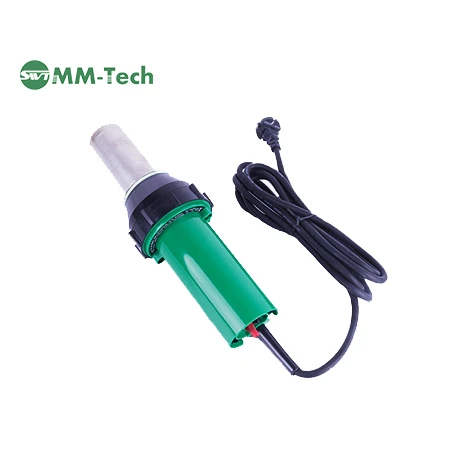
Powerful Professional Hot Air Tool SWT-NS3400A Operation Guide
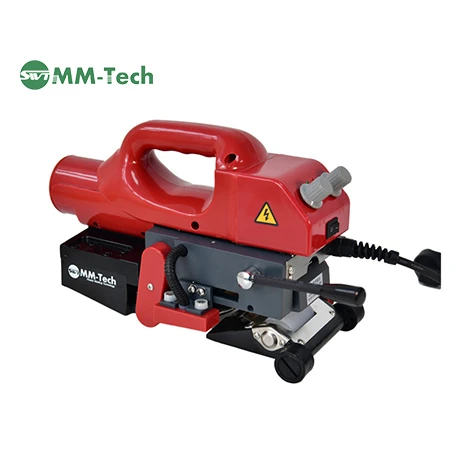
Geo Hot Wedge Welder SWT NS800 Operation Guide
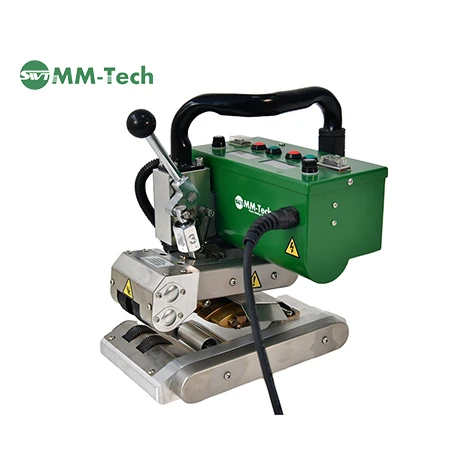
Compact HDPE Hot Wedge Welding Machine SWT-NSGM1 Operation Guide
Related News
2026-02-24 11:15:19
Comprehensive Guide to Plastic Extrusion Welding Machine Technology and Applications
Plastic extrusion welding machines are vital tools in numerous industries, facilitating the joining of thermoplastic materials with precision and efficiency. From constructing large tanks and vessels to fabricating pipelines and specialized components, these machines offer a robust and reliable solution. Understanding the different types, applications, and key features is crucial for making informed investment decisions. At MMTech Weld, we specialize in delivering high-quality plastic extrusion welding solutions tailored to diverse industrial needs. Choosing the right machine can significantly impact your production efficiency and the quality of your finished products. Plastic extrusion welding is a process where thermoplastic materials are melted and fused together using heat and pressure. The machine precisely controls the temperature, feed rate, and welding speed to create strong, leak-proof joints. These machines typically consist of a heating element, feed roller, welding shoe, and control panel. Different types of machines cater to specific applications and materials, ranging from portable units for smaller projects to automated systems for large-scale production. The key to a successful weld is ensuring consistent heat distribution and proper material compatibility.
2026-02-11 02:45:23
Comprehensive Guide to Plastic Extrusion Welding Techniques and Equipment Selection
Plastic extrusion welding is a versatile and efficient process used to join thermoplastic materials. This technique is widely employed across various industries, from automotive and construction to marine and chemical processing. At MM Tech Weld, we specialize in providing high-quality plastic extrusion welders and related solutions. This article delves into the intricacies of plastic extrusion welding, its applications, benefits, and key considerations for choosing the right equipment. Understanding this process can significantly improve your project efficiency and product quality. Plastic extrusion welding is a process where a thermoplastic welding material, typically a rod or wire, is melted and fed into the joint between two thermoplastic workpieces. The welding material is melted using a heated shoe, and as it cools, it fuses the two pieces together, creating a strong, leak-proof bond. Unlike other welding methods, extrusion welding doesn’t require the base materials to be completely melted, making it ideal for thicker sections and on-site repairs.
2026-01-30 14:55:50
Comprehensive Guide to Hand Extrusion Welder Applications and Selection
A hand extrusion welder is a portable and versatile tool used for joining thermoplastic materials. It’s a crucial piece of equipment in various industries, from plastic fabrication to pipeline repair. This article provides a comprehensive guide to hand extrusion welders, exploring their applications, benefits, key considerations when choosing one, and how MM Tech Weld delivers high-quality solutions. Understanding this technology allows professionals to optimize welding processes and achieve durable, reliable results. A hand extrusion welder operates by melting thermoplastic welding rods and extruding the molten material into the joint to be welded. The welder consists of a heating element, a feed mechanism for the welding rods, and a shoe or nozzle that guides the molten plastic.
2026-01-28 11:20:05
Comprehensive Guide to Pressure Leak Detectors for Enhanced Safety and Efficiency
In industries dealing with gases, vacuum systems, and pressurized environments, identifying leaks quickly and accurately is paramount for safety, efficiency, and cost control. A pressure leak detector is a critical tool for these applications, offering a non-destructive method to pinpoint even the smallest breaches in containment. This article will explore the different types of pressure leak detectors, their applications, advantages, and considerations for choosing the right detector for your specific needs. Efficient leak detection translates directly to minimized product loss, reduced energy consumption, and a safer working environment. Several technologies are employed in pressure leak detectors, each with its strengths and weaknesses. Some common types include: Bubble leak detectors, using a soap solution to reveal leaks as bubbles; Halogen leak detectors, sensitive to halogen-containing refrigerants; Ultrasonic leak detectors, detecting the high-frequency sound generated by escaping gas; and Mass spectrometer leak detectors (helium leak detectors), offering extremely high sensitivity by identifying helium molecules.
2026-01-27 22:55:02
Comprehensive Guide to Vacuum Leak Detection and Repair Techniques
Detecting and repairing vacuum leaks is crucial for maintaining optimal performance in various systems, from automotive engines to industrial processes. A seemingly small leak can lead to significant inefficiencies, reduced power, and even system failure. This article will provide a detailed look into understanding vacuum leaks, the tools used to find them – specifically, vacuum leak finders – troubleshooting techniques, and preventative measures. We’ll cover common causes, best practices, and how to choose the right equipment for your needs. Addressing vacuum leaks promptly can save you time, money, and potential headaches. Several methods can be used to locate vacuum leaks. The most basic involves a visual inspection of hoses, gaskets, and connections. However, many leaks are small and difficult to detect with the naked eye.
2026-01-27 19:55:20
Bullseye Leak Detector A Comprehensive Guide for Efficient Leak Detection
Maintaining the integrity of pressurized systems is critical in numerous industries, from HVAC and refrigeration to automotive and plumbing. A seemingly small leak can lead to significant inefficiencies, costly repairs, and even safety hazards. The Bullseye leak detector is a powerful tool designed to quickly and accurately pinpoint leaks in a variety of applications. This article will delve into the features, benefits, and applications of this versatile detector, ensuring you can effectively identify and address leaks before they escalate. Accurate leak detection is paramount for ensuring system efficiency and safety, and the Bullseye provides a reliable solution for professionals across various trades.
2026-01-27 18:25:14
Wegener Extrusion Welder Technology for Robust Thermoplastic Joining Solutions
When it comes to reliable and efficient solutions for joining thermoplastic materials, a Wegener Extrusion Welder stands as a leading choice. Known for its precision and durability, Wegener technology is trusted by professionals in diverse industries. This article delves into the features, applications, and benefits of Wegener Extrusion Welders, providing a thorough overview for those seeking a robust welding solution. Choosing the right equipment can significantly impact project quality and efficiency, and Wegener consistently delivers. Wegener extrusion welding utilizes a specialized machine that melts thermoplastic material and precisely extrudes it onto the joint area. This process creates a strong, homogenous weld, free from the weaknesses often associated with other joining methods. The controlled heat input minimizes distortion and stress on the materials. Unlike traditional welding techniques, it is exceptionally well-suited for large diameter pipe and complex geometries. MM Tech Weld’s Wegener machines offer unparalleled control and consistency for critical applications.
2026-01-25 02:10:06
Extrusion Welding HDPE Liner: A Guide
Learn about extrusion welding HDPE liner for industrial applications. Material specs, vendor comparison & why it’s a top choice for containment.
SUBSCRIBE NEWSLETTER
Dear customer, thank you for your attention! We provide high-quality machinery and equipment and look forward to your orders. Please inform us of your needs and we will respond quickly!






 English
  Arabic
  Bengali
  Czech
Czech  Dutch
Dutch  Finnish
  French
  German
  Hungarian
  Italian
  Japanese
  Korean
  Latin
Latin  Norwegian
  Polish
  Portuguese
  Russian
  Spanish
  Thai
Thai  Vietnamese