
-
 Email:news@peweldingmachine.com
-
 +86-137 3974 5191
-
 Add:
Add:NO.355,Youyi Street,Qiaoxi District,Shijiazhuang,Hebei,China.



The Ultimate Guide to Cordless Heat Guns: Portability Meets Power

The Ultimate Guide to Cordless Heat Guns: Portability Meets Power
Nov . 28, 2025 15:20
What’s All the Buzz About Cordless Heat Guns?
If you’ve ever held one, you know a heat gun feels a bit like a hairdryer unleashed and turned up to scorch. But the cordless heat gun is a quietly transformative tool that’s making waves globally—especially in fields where access to power is patchy or mobility is key. In a world moving ever faster towards automation and remote work, these handheld devices, free from the tyranny of cords, are quietly changing the game.
Why does this matter beyond a trade workshop or a DIY enthusiast’s toolkit? Well, a cordless heat gun enables more flexibility, safety, and efficiency in jobs ranging from construction and automotive repair to humanitarian aid in disaster zones. It might seem niche, but as the global push for smarter, on-the-go tech expands, understanding the benefits and capabilities of cordless heat guns clues us into how industries adapt to mobility and sustainability challenges.
The Global Context: Why Cordless Heat Guns Matter Today
Looking at the bigger picture, handheld tools powered by batteries and designed for portability tie into some massive trends. According to the International Energy Agency, roughly 770 million people still lack access to reliable electricity worldwide. A cordless heat gun lets workers operate in regions where power isn’t a given—which, honestly, is nearly everywhere if you think about remote mining sites, field hospitals, or maintenance in off-grid communities.
Furthermore, the rise of renewable energy sources, such as wind and solar, calls for flexible, energy-efficient tools. The ISO has emphasized that portability and energy efficiency in tools can drive sustainability in the manufacturing and maintenance industries. As workplaces shift towards greener policies, cordless heat guns become not just a convenience but a smart step toward reducing carbon footprints by optimizing battery use and enabling on-demand heating without constant power draw.
What Exactly Is a Cordless Heat Gun?
At its core, a cordless heat gun is a portable electric device that blows hot air, primarily used to strip paint, shrink tubing, thaw pipes, or soften adhesives, but without being tethered to an electrical outlet. Think of them as the lovechild of convenience and power in your toolbox. They run on rechargeable batteries, often lithium-ion, providing anywhere from 20 to 60 minutes of continuous use depending on the model.
In modern industry, they’re beloved for job sites where cords are cumbersome or unavailable. In humanitarian fields—for instance, rebuilding infrastructure after natural disasters—the ability to quickly heat materials without bulky generators can literally speed up recovery efforts.
Key Factors that Make Cordless Heat Guns Tick
1. Battery Life & Power Output
The heart of any cordless heat gun is its battery. Quality lithium-ion batteries offer a balance of heat output—commonly 300°F to 1000°F—and runtime. Oddly enough, while cordless tools can’t always match the raw power of corded counterparts, improvements in battery technology keep narrowing the gap.
2. Temperature Control & Safety
Many modern models feature adjustable temperature settings and built-in safety cut-offs to prevent overheating or accidental burns. This is crucial for professional users working with sensitive materials or in cramped conditions.
3. Ergonomics & Weight
Since these devices are handheld and often used in tricky positions (e.g., under cars or ceiling beams), comfort and weight distribution matter a lot. You’ll find brands focusing on slim profiles and balanced grips to reduce arm strain during prolonged use.
4. Durability & Weather Resistance
Fieldwork doesn’t wait for perfect weather, so many cordless heat guns are designed with rugged housings—water-resistant or drop-tested to military-grade standards—to withstand rough environments.
5. Charging Options & Speed
Quick-charge features and compatibility with standard tool batteries (like those used in cordless drills) can determine how easily a heat gun integrates into a user’s existing kit. Some models even support USB-C charging, which is surprisingly handy.
Global Applications and Real-World Use Cases
These tools pop up in all sorts of scenarios worldwide. For example:
- Post-disaster relief: NGOs use cordless heat guns to repair damaged electronic gear or plastic piping quickly without waiting for power restoration.
- Automotive Repairs: Mobile mechanics rely on cordless heat guns to remove stickers, thaw frozen locks or repair upholstery while on the move.
- Construction: Installing flooring or electronics in remote sites (e.g., off-grid cabins or wind turbine farms) is simplified without trailing extension cords.
- Electrical Work: Shrinking heat shrink tubing in confined or energized spaces demands the safety and maneuverability only cordless heat guns can provide.
Regions like Sub-Saharan Africa, remote parts of Canada, and parts of Southeast Asia see growing usage, given the combination of rugged terrain and inconsistent power grids.
Mini takeaway:
Cordless heat guns are quietly disappearing from the shadows, becoming essential to industries and relief agencies where flexibility and speed rule.
Advantages and the Long-Term Value of Cordless Heat Guns
From a practical standpoint, cordless heat guns cut down setup time and cords-related hazards, while offering increased job site mobility. The absence of cords means fewer tripping accidents—a big win for workplace safety. I often hear professionals say the freedom alone is worth the slight price premium.
There are sustainability benefits too: with advances in battery recycling and more efficient energy use, cordless tools lessen dependency on fossil fuels associated with gasoline-powered generators. They foster dignity and safety in disaster zones, enabling workers to rebuild infrastructure faster and safer.
Looking Ahead: Trends and Innovations in Cordless Heat Guns
The future of the cordless heat gun is intertwined with green technology and digital integration. We’re seeing:
- Smart temperature sensors: Real-time feedback to avoid damaging delicate materials.
- Quick swap battery systems: Enabling continuous operation with multiple batteries on hand.
- Eco-friendly battery chemistries: Moving beyond lithium-ion to safer, more sustainable options.
- Enhanced ergonomic designs: Including lighter materials like composites to reduce user fatigue.
Automation also creeps in as some units integrate with smartphone apps for temperature presets and diagnostics — neat for field techs tracking multiple jobs. As green energy grids expand, expect cordless heat guns to integrate more with solar charging stations, making these devices all the more sustainable.
Common Challenges and How They’re Being Tackled
Still, cordless heat guns aren’t perfect. Battery runtime limitations sometimes mean they can’t run as long as plugged-in variants, frustrating some end users. Performance at extreme temperatures can also suffer, and cheaper models often skimp on essential safety features.
But industry insiders say innovative cooling systems and rapid charging are starting to clear these hurdles. The rise in standardized rechargeable tool batteries helps too — meaning users can swap batteries from drills or saws, reducing downtime on site. Feedback loops between manufacturers and professional users also keep improving durability and reliability with each new release.
Product Specification Table
| Feature | Basic Model | Pro Model | Ultra Model |
|---|---|---|---|
| Max Temperature | 850°F (454°C) | 1000°F (538°C) | 1100°F (593°C) |
| Battery Life (Continuous) | 25 mins | 40 mins | 60 mins |
| Weight | 1.2 lbs (0.54 kg) | 1.5 lbs (0.68 kg) | 1.6 lbs (0.73 kg) |
| Charging Time | 60 mins | 45 mins | 30 mins |
| Safety Features | Basic cut-off | Thermal sensor + cut-off | Advanced auto shutoff + ergonomic grip |
Vendor Comparison Table
| Vendor | Price Range | Warranty | Global Shipping | Notable Feature |
|---|---|---|---|---|
| HeatMaster Pro | $90 - $150 | 2 years | Yes | Interchangeable battery system |
| ThermoGo | $100 - $180 | 3 years | Limited | App-controlled temperature settings |
| PowerHeat Tools | $80 - $140 | 1 year | Yes | Fast charge in 30 minutes |
Frequently Asked Questions About Cordless Heat Guns
Q1: How long does a typical cordless heat gun battery last on a single charge?
Most cordless heat guns offer between 20 and 60 minutes of continuous use per charge, depending on the model and temperature setting. Higher-end tools with larger batteries tend to last longer but might weigh a bit more. Always carry a spare battery for extended jobs or opt for quick-charge models.
Q2: Are cordless heat guns safe to use near sensitive electronics?
Yes, provided you use adjustable temperature models and keep sufficient distance. Many cordless heat guns feature variable temperature controls and thermal cutoffs to ensure you don’t overheat components. Still, it’s best practice to test in a small area and use protective measures like heat shields.
Q3: Can cordless heat guns replace corded versions for industrial use?
In many cases, yes—especially when mobility is critical. However, for continuous heavy-duty applications requiring very high heat output for hours at a stretch, corded heat guns might still perform better. The gap is narrowing thanks to battery tech advances, but assess job needs carefully.
Q4: Are spare batteries for cordless heat guns universally compatible?
Not usually. Battery compatibility depends on the manufacturer and model series. Some brands design universal platforms where batteries fit multiple tool types; others use proprietary batteries. It’s wise to buy batteries from the same vendor or those explicitly labeled compatible.
Q5: How should I maintain my cordless heat gun to prolong its lifespan?
Keep the tool clean, avoid dropping it, and store batteries at moderate temperatures. Regularly check vents against dust build-up, and follow manufacturer guidelines for charging cycles. Proper use and maintenance can add years to your tool’s life.
Parting Thoughts & Next Steps
Cordless heat guns combine freedom with firepower, enabling professionals and hobbyists alike to tackle projects anywhere, anytime. They represent the shift toward smarter, more flexible tools in a world where power isn’t always guaranteed. Long-term, their impact spreads from safer job sites to greener work practices and faster, more dignified responses in crisis zones.
Feeling inspired? Dive deeper into cordless heat gun options, innovations, and expert selections at MM Tech Weld. Your next project deserves the freedom only cordless can bring.
References

Related Products
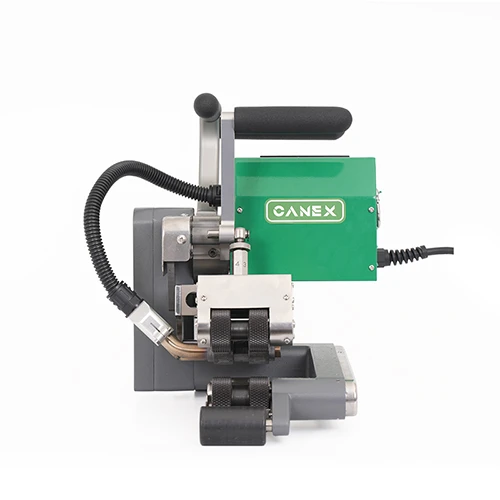
Related Video

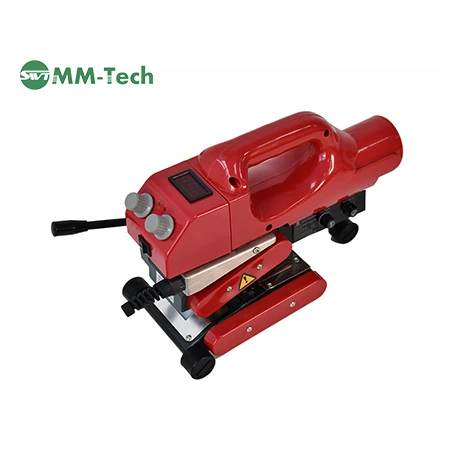

Geo Hot Wedge Welder With Digital Display SWT NS800D Operation Guide
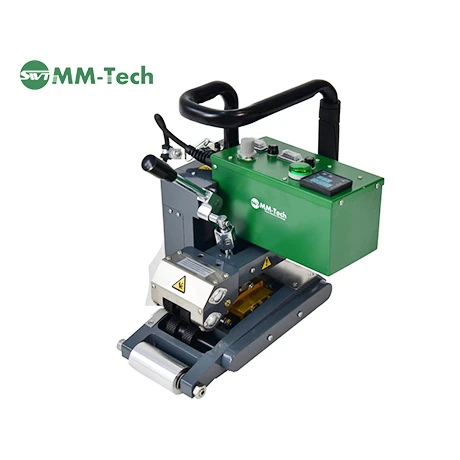
Heavy-Duty Geo Hot Wedge Welder SWT-NS900 Operation Guide
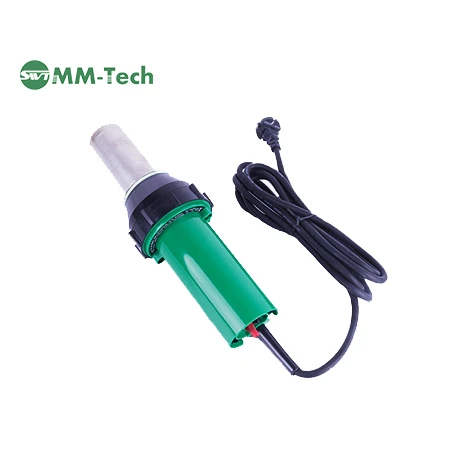
Powerful Professional Hot Air Tool SWT-NS3400A Operation Guide
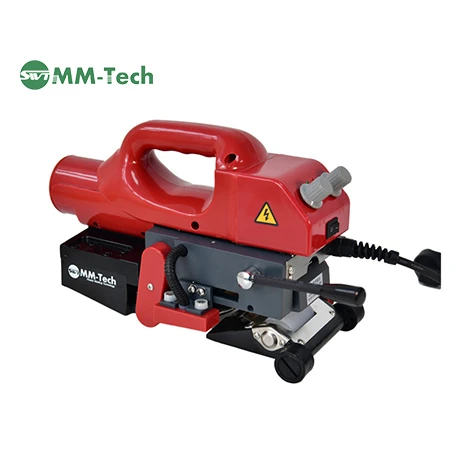
Geo Hot Wedge Welder SWT NS800 Operation Guide
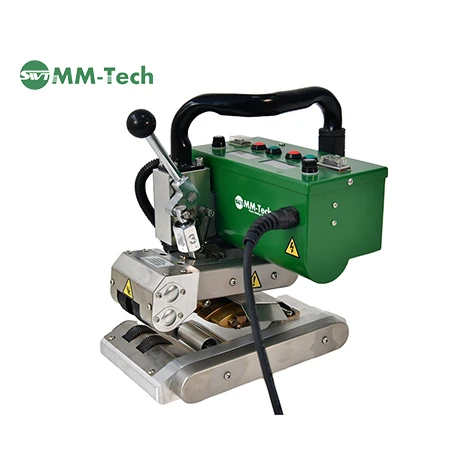
Compact HDPE Hot Wedge Welding Machine SWT-NSGM1 Operation Guide
Related News
2026-02-24 11:15:19
Comprehensive Guide to Plastic Extrusion Welding Machine Technology and Applications
Plastic extrusion welding machines are vital tools in numerous industries, facilitating the joining of thermoplastic materials with precision and efficiency. From constructing large tanks and vessels to fabricating pipelines and specialized components, these machines offer a robust and reliable solution. Understanding the different types, applications, and key features is crucial for making informed investment decisions. At MMTech Weld, we specialize in delivering high-quality plastic extrusion welding solutions tailored to diverse industrial needs. Choosing the right machine can significantly impact your production efficiency and the quality of your finished products. Plastic extrusion welding is a process where thermoplastic materials are melted and fused together using heat and pressure. The machine precisely controls the temperature, feed rate, and welding speed to create strong, leak-proof joints. These machines typically consist of a heating element, feed roller, welding shoe, and control panel. Different types of machines cater to specific applications and materials, ranging from portable units for smaller projects to automated systems for large-scale production. The key to a successful weld is ensuring consistent heat distribution and proper material compatibility.
2026-02-11 02:45:23
Comprehensive Guide to Plastic Extrusion Welding Techniques and Equipment Selection
Plastic extrusion welding is a versatile and efficient process used to join thermoplastic materials. This technique is widely employed across various industries, from automotive and construction to marine and chemical processing. At MM Tech Weld, we specialize in providing high-quality plastic extrusion welders and related solutions. This article delves into the intricacies of plastic extrusion welding, its applications, benefits, and key considerations for choosing the right equipment. Understanding this process can significantly improve your project efficiency and product quality. Plastic extrusion welding is a process where a thermoplastic welding material, typically a rod or wire, is melted and fed into the joint between two thermoplastic workpieces. The welding material is melted using a heated shoe, and as it cools, it fuses the two pieces together, creating a strong, leak-proof bond. Unlike other welding methods, extrusion welding doesn’t require the base materials to be completely melted, making it ideal for thicker sections and on-site repairs.
2026-01-30 14:55:50
Comprehensive Guide to Hand Extrusion Welder Applications and Selection
A hand extrusion welder is a portable and versatile tool used for joining thermoplastic materials. It’s a crucial piece of equipment in various industries, from plastic fabrication to pipeline repair. This article provides a comprehensive guide to hand extrusion welders, exploring their applications, benefits, key considerations when choosing one, and how MM Tech Weld delivers high-quality solutions. Understanding this technology allows professionals to optimize welding processes and achieve durable, reliable results. A hand extrusion welder operates by melting thermoplastic welding rods and extruding the molten material into the joint to be welded. The welder consists of a heating element, a feed mechanism for the welding rods, and a shoe or nozzle that guides the molten plastic.
2026-01-28 11:20:05
Comprehensive Guide to Pressure Leak Detectors for Enhanced Safety and Efficiency
In industries dealing with gases, vacuum systems, and pressurized environments, identifying leaks quickly and accurately is paramount for safety, efficiency, and cost control. A pressure leak detector is a critical tool for these applications, offering a non-destructive method to pinpoint even the smallest breaches in containment. This article will explore the different types of pressure leak detectors, their applications, advantages, and considerations for choosing the right detector for your specific needs. Efficient leak detection translates directly to minimized product loss, reduced energy consumption, and a safer working environment. Several technologies are employed in pressure leak detectors, each with its strengths and weaknesses. Some common types include: Bubble leak detectors, using a soap solution to reveal leaks as bubbles; Halogen leak detectors, sensitive to halogen-containing refrigerants; Ultrasonic leak detectors, detecting the high-frequency sound generated by escaping gas; and Mass spectrometer leak detectors (helium leak detectors), offering extremely high sensitivity by identifying helium molecules.
2026-01-27 22:55:02
Comprehensive Guide to Vacuum Leak Detection and Repair Techniques
Detecting and repairing vacuum leaks is crucial for maintaining optimal performance in various systems, from automotive engines to industrial processes. A seemingly small leak can lead to significant inefficiencies, reduced power, and even system failure. This article will provide a detailed look into understanding vacuum leaks, the tools used to find them – specifically, vacuum leak finders – troubleshooting techniques, and preventative measures. We’ll cover common causes, best practices, and how to choose the right equipment for your needs. Addressing vacuum leaks promptly can save you time, money, and potential headaches. Several methods can be used to locate vacuum leaks. The most basic involves a visual inspection of hoses, gaskets, and connections. However, many leaks are small and difficult to detect with the naked eye.
2026-01-27 19:55:20
Bullseye Leak Detector A Comprehensive Guide for Efficient Leak Detection
Maintaining the integrity of pressurized systems is critical in numerous industries, from HVAC and refrigeration to automotive and plumbing. A seemingly small leak can lead to significant inefficiencies, costly repairs, and even safety hazards. The Bullseye leak detector is a powerful tool designed to quickly and accurately pinpoint leaks in a variety of applications. This article will delve into the features, benefits, and applications of this versatile detector, ensuring you can effectively identify and address leaks before they escalate. Accurate leak detection is paramount for ensuring system efficiency and safety, and the Bullseye provides a reliable solution for professionals across various trades.
2026-01-27 18:25:14
Wegener Extrusion Welder Technology for Robust Thermoplastic Joining Solutions
When it comes to reliable and efficient solutions for joining thermoplastic materials, a Wegener Extrusion Welder stands as a leading choice. Known for its precision and durability, Wegener technology is trusted by professionals in diverse industries. This article delves into the features, applications, and benefits of Wegener Extrusion Welders, providing a thorough overview for those seeking a robust welding solution. Choosing the right equipment can significantly impact project quality and efficiency, and Wegener consistently delivers. Wegener extrusion welding utilizes a specialized machine that melts thermoplastic material and precisely extrudes it onto the joint area. This process creates a strong, homogenous weld, free from the weaknesses often associated with other joining methods. The controlled heat input minimizes distortion and stress on the materials. Unlike traditional welding techniques, it is exceptionally well-suited for large diameter pipe and complex geometries. MM Tech Weld’s Wegener machines offer unparalleled control and consistency for critical applications.
2026-01-25 02:10:06
Extrusion Welding HDPE Liner: A Guide
Learn about extrusion welding HDPE liner for industrial applications. Material specs, vendor comparison & why it’s a top choice for containment.
SUBSCRIBE NEWSLETTER
Dear customer, thank you for your attention! We provide high-quality machinery and equipment and look forward to your orders. Please inform us of your needs and we will respond quickly!






 English
  Arabic
  Bengali
  Czech
Czech  Dutch
Dutch  Finnish
  French
  German
  Hungarian
  Italian
  Japanese
  Korean
  Latin
Latin  Norwegian
  Polish
  Portuguese
  Russian
  Spanish
  Thai
Thai  Vietnamese