
-
 Email:news@peweldingmachine.com
-
 +86-137 3974 5191
-
 Add:
Add:NO.355,Youyi Street,Qiaoxi District,Shijiazhuang,Hebei,China.



Vacuum Box Weld Testing Equipment – Portable Leak Detection

Vacuum Box Weld Testing Equipment – Portable Leak Detection
Nov . 12, 2025 09:54
Vacuum Box Weld Testing Equipment is a key solution in the instrumentation and meters industry, specifically within Testing equipment and NDT equipments. This article explores how HEBEI MINGMAI TECHNOLOGY CO., LTD. supports professionals with durable, high-performance products, and explains why this product is an ideal choice for businesses in these sectors.
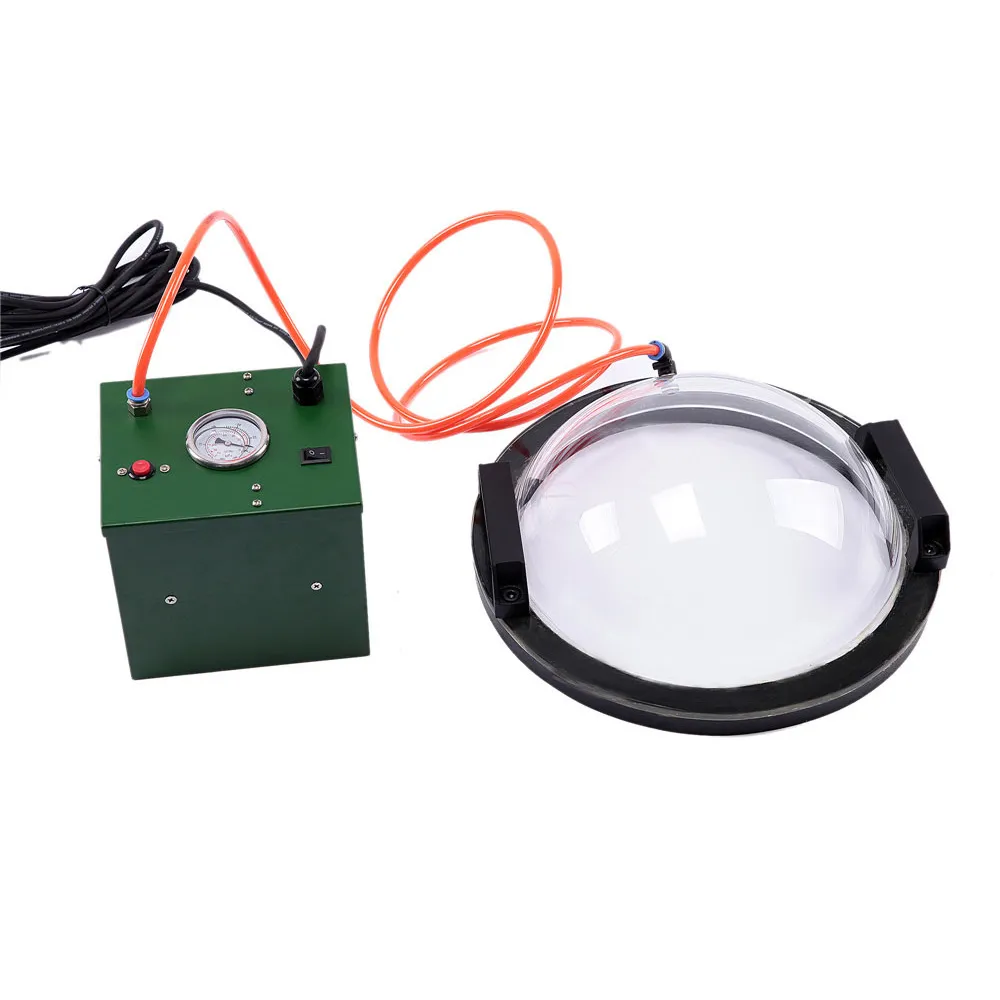
Table of Contents
- Vacuum Box Weld Testing Equipment Overview
- Benefits & Use Cases of Vacuum Box Weld Testing Equipment in NDT equipments
- Cost, Maintenance & User Experience
- Sustainability & Market Trends in instrumentation and meters
- Conclusion on Vacuum Box Weld Testing Equipment from HEBEI MINGMAI TECHNOLOGY CO., LTD.
Vacuum Box Weld Testing Equipment Overview
Vacuum Box Weld Testing Equipment is a non-destructive leak detection method that quickly validates the integrity of fillet, lap, and butt welds on tanks, pipelines, and plate structures. By creating a controlled negative pressure inside a clear, gasketed enclosure and applying a suitable wetting solution to the weld, technicians can visually identify bubble formation that indicates through-thickness discontinuities. This bubble-emission approach is fast, portable, and especially effective on large flat areas and corner joints where other techniques can be time-consuming. Within the instrumentation and meters category—specifically Testing equipment and NDT equipments—it delivers actionable, visual results that support reliable acceptance decisions on the shop floor and in the field.
The SWT-NS003 vacuum leak test cover from HEBEI MINGMAI TECHNOLOGY CO., LTD. is engineered for durability and repeatability. It typically features a rigid transparent viewing window, oil- and water-resistant gasket material, integrated vacuum gauge, quick-connect fittings, and ergonomic handles for safe manipulation on vertical or overhead surfaces. Users can pair the equipment with complementary metrology tools—such as an adjustable fillet weld gauge to verify geometry prior to leak testing—helping QA teams standardize inspection workflows. As a manufacturer serving global fabrication, energy, and infrastructure projects, HEBEI MINGMAI combines robust build quality with pragmatic design details that reduce operator fatigue and speed test cycles.
Benefits & Use Cases of Vacuum Box Weld Testing Equipment in NDT equipments
Common applications include aboveground storage tank floors and shell-to-bottom welds, shipbuilding seams, pipeline stations, condenser and heat-exchanger plates, water-treatment basins, and structural lap joints. In these scenarios, Vacuum Box Weld Testing Equipment provides immediate, visual pass/fail evidence without the need for high-pressure media or lengthy setup. Because it is surface-access only, it is ideal for early-stage integrity checks before hydrostatic or pneumatic tests, reducing the risk of costly rework later in the project timeline.
- High visibility: a clear, impact-resistant window and uniform gasket compression enable reliable observation of bubble formation along welded seams.
- Operational efficiency: quick-connect vacuum ports and ergonomic handles shorten test cycles and improve technician safety and comfort.
- Versatility: suitable for flat plates, fillet corners, and complex geometries; complements other NDT methods and weld testers such as a weld bend tester or spot weld tester for comprehensive QA programs.
HEBEI MINGMAI TECHNOLOGY CO., LTD. brings deep category expertise to NDT equipments, delivering vacuum boxes and accessories that integrate seamlessly with broader inspection toolkits. From pre-weld dimensional checks with an adjustable fillet weld gauge to post-weld leak verification, the company’s portfolio helps fabrication and maintenance teams standardize quality assurance and meet demanding project specifications with confidence.
Cost, Maintenance & User Experience
For B2B decision makers, total cost of ownership hinges on durability, uptime, and the ability to prevent downstream failures. Vacuum Box Weld Testing Equipment delivers strong ROI by identifying leaks early, before coatings, hydrotests, or commissioning introduce higher rework costs. Consumables are minimal—primarily gasket wear items and wetting solution—and the equipment’s portability reduces setup time per inspection. HEBEI MINGMAI’s robust construction, replaceable seals, and serviceable gauges mean longer service life and less unplanned downtime.
Maintenance is straightforward: clean the viewing window, wipe the gasket, check fittings and hoses, and periodically verify the vacuum gauge’s performance. Many QA teams standardize a quick pre-use checklist to sustain repeatability across shifts. Feedback from Testing equipment users highlights ergonomic handling, a positive seal on uneven surfaces, and clear visual confirmation of results. When paired with training and clear acceptance criteria, the SWT-NS003 supports consistent operator performance and audit-ready records, helping contractors and owners alike minimize risk and stay on schedule.
Sustainability & Market Trends in instrumentation and meters
Sustainability is increasingly central to NDT decision-making. Vacuum box testing uses modest amounts of solution and does not require hazardous chemicals, supporting safer worksites and simplified waste handling compared with some alternative methods. By enabling early detection of discontinuities, it also helps avoid scrappage and rework that consume additional energy and materials. In regulated industries—energy, water, and infrastructure—specifiers often favor approaches that deliver reliable integrity checks while lowering environmental footprint and site risk.
Market trends point to ruggedized designs, digital gauges for traceable readings, modular covers for different weld profiles, and integrated accessories that streamline workflow. HEBEI MINGMAI TECHNOLOGY CO., LTD. aligns with these trends by engineering Vacuum Box Weld Testing Equipment that emphasizes longevity, serviceability, and compatibility with broader QA ecosystems. The company’s focus on durable materials and repairable components supports responsible lifecycle management—helping organizations meet internal ESG goals without compromising test performance or project productivity.
Conclusion on Vacuum Box Weld Testing Equipment from HEBEI MINGMAI TECHNOLOGY CO., LTD.
Vacuum Box Weld Testing Equipment stands out in instrumentation and meters for fast, dependable leak detection across storage tanks, pipelines, and fabricated plates. For NDT equipments buyers, it offers a compelling balance of speed, portability, and visual certainty—reducing rework and accelerating acceptance. HEBEI MINGMAI TECHNOLOGY CO., LTD. is a trusted manufacturer delivering rugged construction, smart ergonomics, and easy maintenance to keep inspection teams productive. Contact us: email: news@peweldingmachine.com. Visit our website: https://www.mmtechweld.com

Related Products
Related Video

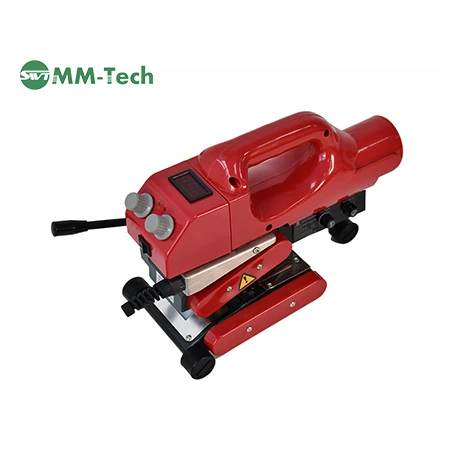

Geo Hot Wedge Welder With Digital Display SWT NS800D Operation Guide
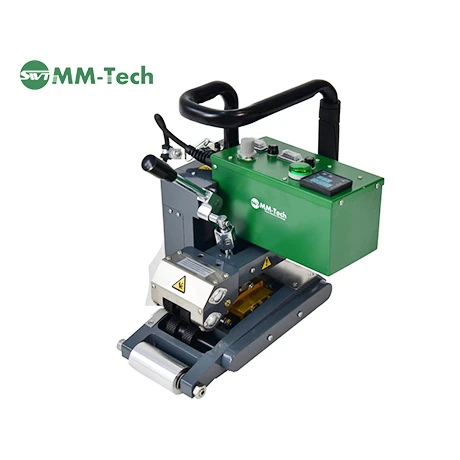
Heavy-Duty Geo Hot Wedge Welder SWT-NS900 Operation Guide
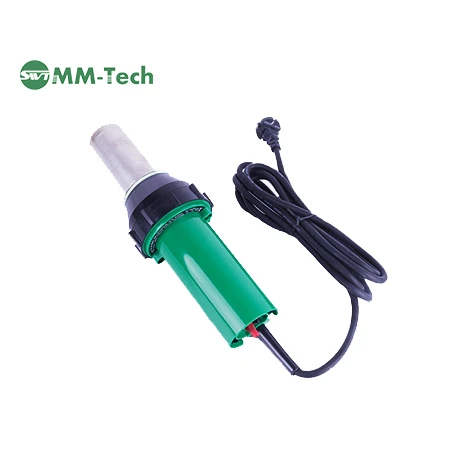
Powerful Professional Hot Air Tool SWT-NS3400A Operation Guide
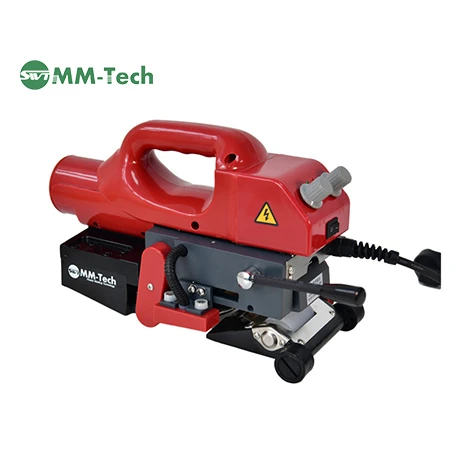
Geo Hot Wedge Welder SWT NS800 Operation Guide
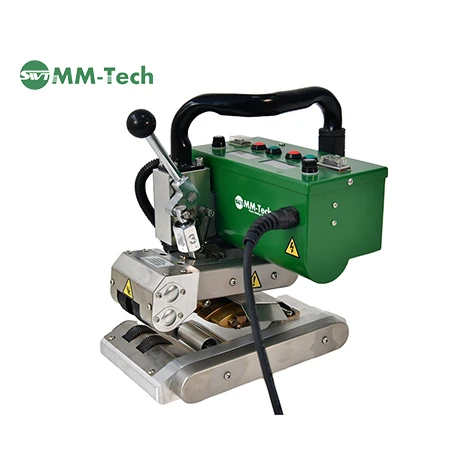
Compact HDPE Hot Wedge Welding Machine SWT-NSGM1 Operation Guide
Related News
2026-02-24 11:15:19
Comprehensive Guide to Plastic Extrusion Welding Machine Technology and Applications
Plastic extrusion welding machines are vital tools in numerous industries, facilitating the joining of thermoplastic materials with precision and efficiency. From constructing large tanks and vessels to fabricating pipelines and specialized components, these machines offer a robust and reliable solution. Understanding the different types, applications, and key features is crucial for making informed investment decisions. At MMTech Weld, we specialize in delivering high-quality plastic extrusion welding solutions tailored to diverse industrial needs. Choosing the right machine can significantly impact your production efficiency and the quality of your finished products. Plastic extrusion welding is a process where thermoplastic materials are melted and fused together using heat and pressure. The machine precisely controls the temperature, feed rate, and welding speed to create strong, leak-proof joints. These machines typically consist of a heating element, feed roller, welding shoe, and control panel. Different types of machines cater to specific applications and materials, ranging from portable units for smaller projects to automated systems for large-scale production. The key to a successful weld is ensuring consistent heat distribution and proper material compatibility.
2026-02-11 02:45:23
Comprehensive Guide to Plastic Extrusion Welding Techniques and Equipment Selection
Plastic extrusion welding is a versatile and efficient process used to join thermoplastic materials. This technique is widely employed across various industries, from automotive and construction to marine and chemical processing. At MM Tech Weld, we specialize in providing high-quality plastic extrusion welders and related solutions. This article delves into the intricacies of plastic extrusion welding, its applications, benefits, and key considerations for choosing the right equipment. Understanding this process can significantly improve your project efficiency and product quality. Plastic extrusion welding is a process where a thermoplastic welding material, typically a rod or wire, is melted and fed into the joint between two thermoplastic workpieces. The welding material is melted using a heated shoe, and as it cools, it fuses the two pieces together, creating a strong, leak-proof bond. Unlike other welding methods, extrusion welding doesn’t require the base materials to be completely melted, making it ideal for thicker sections and on-site repairs.
2026-01-30 14:55:50
Comprehensive Guide to Hand Extrusion Welder Applications and Selection
A hand extrusion welder is a portable and versatile tool used for joining thermoplastic materials. It’s a crucial piece of equipment in various industries, from plastic fabrication to pipeline repair. This article provides a comprehensive guide to hand extrusion welders, exploring their applications, benefits, key considerations when choosing one, and how MM Tech Weld delivers high-quality solutions. Understanding this technology allows professionals to optimize welding processes and achieve durable, reliable results. A hand extrusion welder operates by melting thermoplastic welding rods and extruding the molten material into the joint to be welded. The welder consists of a heating element, a feed mechanism for the welding rods, and a shoe or nozzle that guides the molten plastic.
2026-01-28 11:20:05
Comprehensive Guide to Pressure Leak Detectors for Enhanced Safety and Efficiency
In industries dealing with gases, vacuum systems, and pressurized environments, identifying leaks quickly and accurately is paramount for safety, efficiency, and cost control. A pressure leak detector is a critical tool for these applications, offering a non-destructive method to pinpoint even the smallest breaches in containment. This article will explore the different types of pressure leak detectors, their applications, advantages, and considerations for choosing the right detector for your specific needs. Efficient leak detection translates directly to minimized product loss, reduced energy consumption, and a safer working environment. Several technologies are employed in pressure leak detectors, each with its strengths and weaknesses. Some common types include: Bubble leak detectors, using a soap solution to reveal leaks as bubbles; Halogen leak detectors, sensitive to halogen-containing refrigerants; Ultrasonic leak detectors, detecting the high-frequency sound generated by escaping gas; and Mass spectrometer leak detectors (helium leak detectors), offering extremely high sensitivity by identifying helium molecules.
2026-01-27 22:55:02
Comprehensive Guide to Vacuum Leak Detection and Repair Techniques
Detecting and repairing vacuum leaks is crucial for maintaining optimal performance in various systems, from automotive engines to industrial processes. A seemingly small leak can lead to significant inefficiencies, reduced power, and even system failure. This article will provide a detailed look into understanding vacuum leaks, the tools used to find them – specifically, vacuum leak finders – troubleshooting techniques, and preventative measures. We’ll cover common causes, best practices, and how to choose the right equipment for your needs. Addressing vacuum leaks promptly can save you time, money, and potential headaches. Several methods can be used to locate vacuum leaks. The most basic involves a visual inspection of hoses, gaskets, and connections. However, many leaks are small and difficult to detect with the naked eye.
2026-01-27 19:55:20
Bullseye Leak Detector A Comprehensive Guide for Efficient Leak Detection
Maintaining the integrity of pressurized systems is critical in numerous industries, from HVAC and refrigeration to automotive and plumbing. A seemingly small leak can lead to significant inefficiencies, costly repairs, and even safety hazards. The Bullseye leak detector is a powerful tool designed to quickly and accurately pinpoint leaks in a variety of applications. This article will delve into the features, benefits, and applications of this versatile detector, ensuring you can effectively identify and address leaks before they escalate. Accurate leak detection is paramount for ensuring system efficiency and safety, and the Bullseye provides a reliable solution for professionals across various trades.
2026-01-27 18:25:14
Wegener Extrusion Welder Technology for Robust Thermoplastic Joining Solutions
When it comes to reliable and efficient solutions for joining thermoplastic materials, a Wegener Extrusion Welder stands as a leading choice. Known for its precision and durability, Wegener technology is trusted by professionals in diverse industries. This article delves into the features, applications, and benefits of Wegener Extrusion Welders, providing a thorough overview for those seeking a robust welding solution. Choosing the right equipment can significantly impact project quality and efficiency, and Wegener consistently delivers. Wegener extrusion welding utilizes a specialized machine that melts thermoplastic material and precisely extrudes it onto the joint area. This process creates a strong, homogenous weld, free from the weaknesses often associated with other joining methods. The controlled heat input minimizes distortion and stress on the materials. Unlike traditional welding techniques, it is exceptionally well-suited for large diameter pipe and complex geometries. MM Tech Weld’s Wegener machines offer unparalleled control and consistency for critical applications.
2026-01-25 02:10:06
Extrusion Welding HDPE Liner: A Guide
Learn about extrusion welding HDPE liner for industrial applications. Material specs, vendor comparison & why it’s a top choice for containment.
SUBSCRIBE NEWSLETTER
Dear customer, thank you for your attention! We provide high-quality machinery and equipment and look forward to your orders. Please inform us of your needs and we will respond quickly!






 English
  Arabic
  Bengali
  Czech
Czech  Dutch
Dutch  Finnish
  French
  German
  Hungarian
  Italian
  Japanese
  Korean
  Latin
Latin  Norwegian
  Polish
  Portuguese
  Russian
  Spanish
  Thai
Thai  Vietnamese