
-
 Email:news@peweldingmachine.com
-
 +86-137 3974 5191
-
 Add:
Add:NO.355,Youyi Street,Qiaoxi District,Shijiazhuang,Hebei,China.



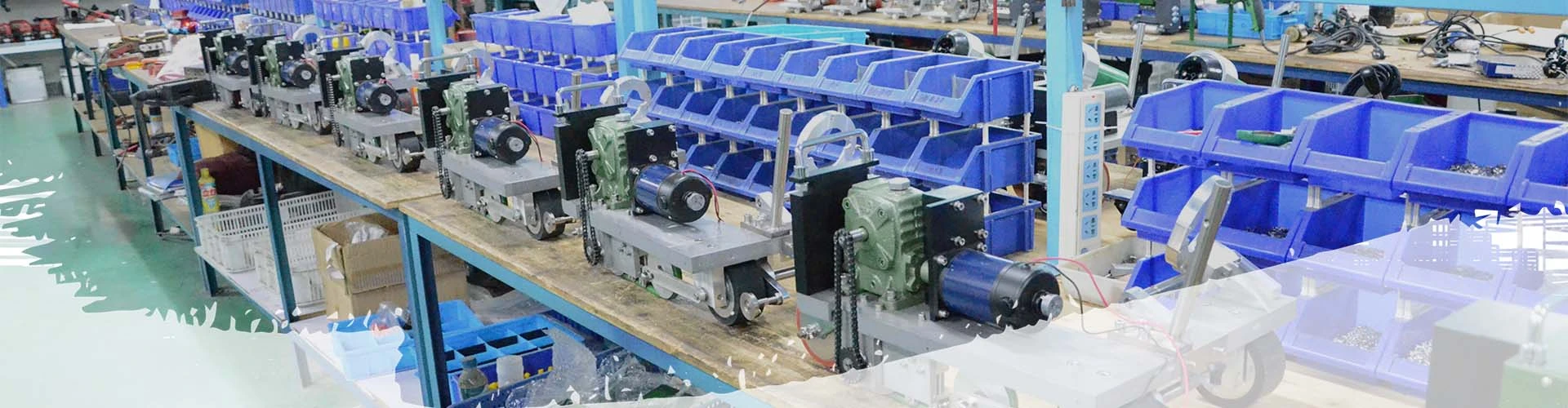
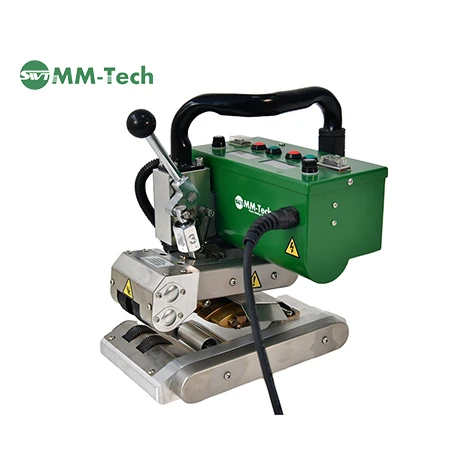
CX300 Geomembrane Welding Machine: Automatic, High-Performance Welding

CX300 Geomembrane Welding Machine: Automatic, High-Performance Welding
Sep . 22, 2025 15:13
Industry Trends in Geomembrane Welding Technology
The global geomembrane market is experiencing robust growth, driven by increasing demands in environmental protection, infrastructure development, and resource management. With a projected Compound Annual Growth Rate (CAGR) of over 5% from 2023 to 2030, the market's expansion is intrinsically linked to advancements in installation technologies, particularly in welding. High-quality, reliable geomembrane welding is paramount for ensuring the integrity and longevity of critical containment systems in various industrial applications. Key trends include the adoption of automation, enhanced data logging capabilities, and improved material compatibility for diverse polymer types. Precision and consistency in weld strength are no longer just desired features but mandatory requirements to comply with stringent regulatory standards and reduce project liabilities. This evolution underscores the necessity for advanced welding equipment that can meet the rigorous demands of modern engineering projects.
In this dynamic landscape, the CX300 Geomembrane Welding Machine emerges as a pivotal solution, designed to address the complexities of large-scale geomembrane installations. Its advanced capabilities align with the industry's shift towards more efficient, reliable, and data-driven welding processes. The demand for equipment that can handle a wider range of material thicknesses and types, while maintaining optimal energy efficiency, is higher than ever. Furthermore, the emphasis on operator safety and ease of use continues to shape product development, leading to machines that offer intuitive interfaces and ergonomic designs. The CX300 is engineered to embody these trends, offering superior performance that translates into reduced operational costs and enhanced project timelines for B2B stakeholders.
Manufacturing Process Flow of the CX300 Geomembrane Welding Machine
The development and manufacturing of the CX300 Geomembrane Welding Machine involve a meticulously engineered process designed to ensure durability, precision, and consistent performance. Our commitment to quality begins with the selection of premium materials and extends through every stage of assembly and testing.
Core Materials and Component Sourcing:
- Chassis: Constructed from high-strength aluminum alloys, precision-cast and then CNC-machined to achieve a lightweight yet robust frame. This ensures optimal structural integrity and heat dissipation.
- Drive System: Utilizes hardened steel gears and high-torque DC motors, precisely forged and ground for minimal backlash and maximum power transmission, crucial for consistent welding speed.
- Heating Elements: Employ advanced ceramic heating cartridges encapsulated in high-grade stainless steel, providing rapid heating and precise temperature control.
- Control System: Features industrial-grade microcontrollers and sensors, rigorously tested for EMI/RFI compliance and operational stability in harsh environments.
Manufacturing Stages:
- Precision Machining: Aluminum components undergo multi-axis CNC machining to tight tolerances, ensuring perfect fit and alignment. Steel components are heat-treated and precision-ground for enhanced wear resistance.
- Sub-Assembly Integration: Individual modules such as the drive unit, heating block, and control panel are assembled and pre-calibrated in dedicated workstations.
- Final Assembly: All sub-assemblies are integrated into the main chassis. Electrical wiring is performed by certified technicians, adhering to international safety standards.
- Calibration and Performance Tuning: Each machine undergoes extensive calibration for temperature, speed, and pressure settings using precision instruments to meet specified operational parameters.
Testing Standards and Quality Assurance:
Our quality control regimen for the CX300 Geomembrane Welding Machine is rigorous and comprehensive, ensuring compliance with industry benchmarks:
- ISO 9001:2015 Certification: Our manufacturing facility operates under a certified quality management system, guaranteeing consistent product quality.
- ANSI/AWS D1.1 (Structural Welding Code – Steel): While primarily for structural steel, the principles of robust welding integrity and testing extend to our machine's own structural components. For geomembrane weld quality, we adhere to ASTM D4437 and D6392 standards for seam strength testing.
- CE Certification: All electrical and electronic components, as well as the complete machine, comply with European safety, health, and environmental protection requirements.
- Functional Load Testing: Each machine is subjected to continuous operation under maximum load conditions for several hours to identify and rectify any potential performance issues.
Projected Service Life and Advantages:
With proper maintenance, the CX300 Geomembrane Welding Machine is designed for an extensive service life exceeding 10,000 operational hours, often translating to over 5-7 years of intensive field use. Its robust construction and high-quality components minimize wear and tear, reducing the Total Cost of Ownership (TCO) for our clients.
Target Industries & Application Advantages:
- Petrochemical: Essential for lining retention ponds, secondary containment systems for fuel storage, and waste treatment lagoons. Advantages: Superior chemical resistance of welds ensures containment of hazardous materials.
- Mining & Metallurgy: Critical for heap leach pads, tailings dams, and process water ponds. Advantages: High-strength, impermeable seams prevent leaching into groundwater, complying with strict environmental regulations.
- Water Supply & Drainage: Used in reservoirs, canals, municipal wastewater treatment plants, and landfill caps. Advantages: Energy-saving operation reduces power consumption on large projects, and robust construction ensures consistent welds over long distances, crucial for preventing leaks in water infrastructure.
- Waste Management: Liners for municipal solid waste (MSW) landfills and hazardous waste facilities. Advantages: Creates durable, corrosion-resistant seals, providing an impenetrable barrier against leachate migration.
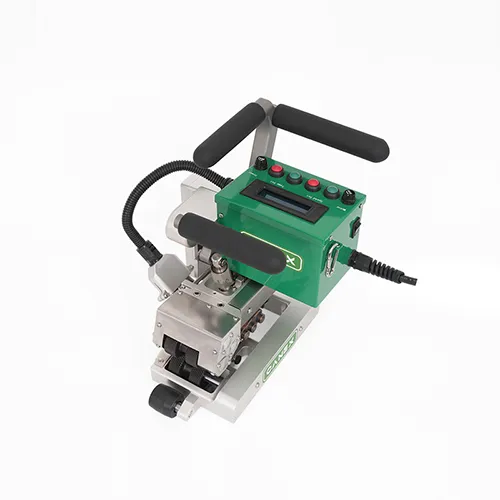
Technical Specifications of the CX300 Geomembrane Welding Machine
The CX300 Geomembrane Welding Machine is engineered for peak performance and reliability in demanding industrial environments. Its design integrates cutting-edge technology to deliver precise, consistent, and strong welds across a variety of geomembrane materials.
Key Operational Parameters:
The CX300 Geomembrane Welding Machine is engineered with a focus on ease of operation and maintenance, featuring a user-friendly digital control panel for precise parameter adjustments. Its robust construction ensures longevity even in challenging construction environments, making it an indispensable tool for civil engineers and contractors.
Application Scenarios and Technical Advantages
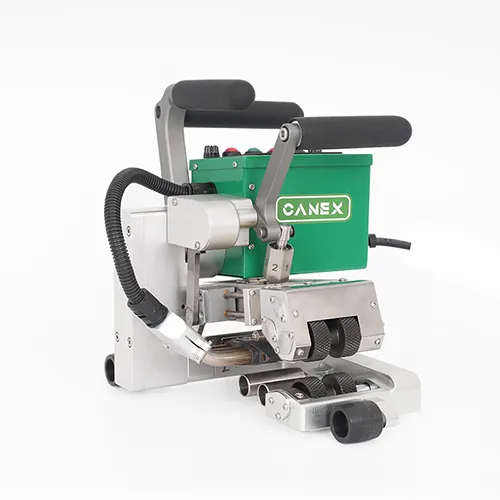
The versatility and precision of the CX300 Geomembrane Welding Machine make it an ideal choice for a diverse array of application scenarios where high-integrity geomembrane liners are critical.
Diverse Application Scenarios:
- Environmental Containment: Essential for constructing liners for landfills (MSW, hazardous waste), wastewater treatment lagoons, and mining tailings ponds. The machine's ability to create double-wedge welds with an air channel allows for post-welding integrity testing, crucial for environmental protection.
- Water Management Infrastructure: Employed in the construction of water reservoirs, irrigation canals, evaporation ponds, and aquaculture facilities. Its consistent welding speed and temperature control ensure leak-proof installations critical for water conservation.
- Energy Sector Projects: Used in the lining of oil and gas secondary containment areas, biodigester covers, and solar evaporation ponds. The robust welds produced resist harsh environmental conditions and chemical exposure.
- Civil Engineering and Construction: Applied for dam and tunnel waterproofing, road and railway embankment protection, and foundation damp-proofing. The machine’s lightweight and maneuverable design facilitates operation on challenging terrains.
Technical Advantages:
- Precision Digital Control: Equipped with an advanced PID (Proportional-Integral-Derivative) control system for temperature and speed, ensuring highly consistent weld parameters regardless of ambient conditions. This minimizes material degradation and maximizes weld strength, reducing rework.
- Optimized Hot Wedge Technology: Utilizes a specialized hot wedge design that provides uniform heat distribution and maximizes melting efficiency. This leads to strong, homogenous welds with excellent peel and shear strength, surpassing industry standards like GRI GM19.
- Ergonomic and Robust Design: The machine's balanced weight distribution and ergonomic handles minimize operator fatigue, enhancing productivity during long shifts. Its durable chassis is designed to withstand harsh construction site environments, contributing to a longer operational life.
- Integrated Data Logging (Optional): For projects requiring stringent quality assurance, the CX300 can be equipped with a data logger to record welding parameters (temperature, speed, pressure) in real-time, providing verifiable proof of weld quality and compliance.
- High Efficiency and Energy Saving: The rapid heat-up time and optimized power consumption make the CX300 Geomembrane Welding Machine an energy-efficient solution, lowering operational costs and contributing to greener construction practices. Compared to older models, it can reduce energy consumption by up to 15-20% per operational hour.
Vendor Comparison: CX300 vs. Standard Market Offerings
When selecting a geomembrane welding machine, understanding the differentiators is crucial. The CX300 Geomembrane Welding Machine offers distinct advantages over many standard market offerings, positioning it as a premium choice for B2B applications.
Comparative Analysis:
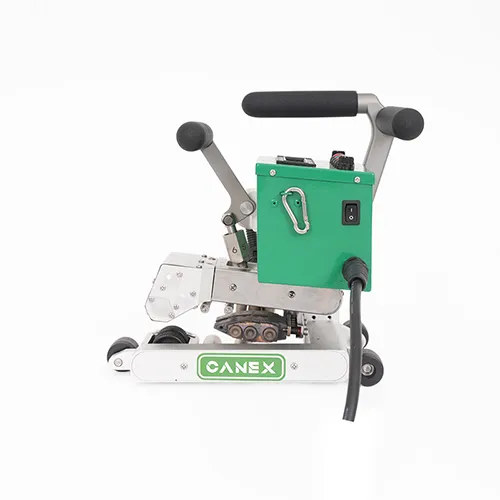
The clear distinctions highlight that while generic welding machines might offer a lower initial investment, the long-term operational efficiency, superior weld quality, and reduced risk factors provided by the CX300 Geomembrane Welding Machine ultimately deliver a significantly higher return on investment for professional contractors and project managers.
Customized Solutions and Application Case Studies
Understanding that every project has unique requirements, we offer customized solutions built around the core capabilities of the CX300 Geomembrane Welding Machine. Our engineering team collaborates closely with clients to tailor equipment and support services to specific operational challenges.
Customization Options:
- Specialized Wedges: Development of custom hot wedges for non-standard geomembrane materials or unusual thickness combinations.
- Voltage & Frequency Adaptation: Configuration for diverse international power grids (e.g., 110V/60Hz, 380V/50Hz) to ensure global compatibility.
- Enhanced Data Logging & GPS Integration: Advanced data recording with GPS coordinates for precise weld location mapping, critical for large-scale infrastructure projects and regulatory compliance.
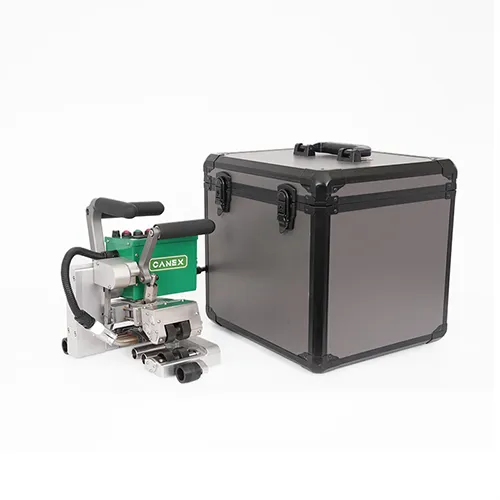
- Robust Carrying Cases: Custom-designed, impact-resistant cases for extreme field conditions, ensuring safe transport and extended machine life.
Application Case Study: Municipal Landfill Liner Project, North America
Client: Major Waste Management Corporation
Project Scope: Installation of a multi-layer HDPE geomembrane liner system for a 20-acre municipal solid waste (MSW) landfill expansion. Required robust, verifiable seams to prevent leachate migration.
Challenge: The project demanded high-volume welding with exceptional quality assurance, especially given the environmental sensitivity and regulatory scrutiny. Existing equipment struggled with consistent seam strength on sloped sections and lacked comprehensive data logging.
Solution: Four units of the CX300 Geomembrane Welding Machine were deployed, each equipped with optional GPS-enabled data logging modules. Our technical team provided on-site training and ongoing support. The CX300's precise temperature and speed control, coupled with its consistent drive system, ensured optimal fusion welding even on challenging gradients.
Results:
- 98.5% Pass Rate: Field peel and shear tests demonstrated a 98.5% pass rate on initial inspections, significantly reducing rework compared to previous projects (typical ~90-92%).
- 20% Faster Completion: The efficiency and reliability of the CX300 contributed to a 20% reduction in project welding time, leading to substantial cost savings.
- Enhanced Compliance: The integrated data logging provided irrefutable records of all weld parameters and locations, simplifying regulatory audits and demonstrating exemplary environmental stewardship.
- Customer Feedback: "The CX300 machines were a game-changer for this project. Their consistent performance and the ability to log every weld parameter gave us unparalleled confidence in the integrity of our liner system." - Project Manager.
Ensuring Trustworthiness: FAQ, Lead Time, Warranty, and Support
At MM Techweld, we are committed to building lasting relationships with our B2B clients through transparency, reliability, and unparalleled support. The following addresses common concerns regarding the CX300 Geomembrane Welding Machine.
Frequently Asked Questions (FAQ):
- Q: What types of geomembranes can the CX300 weld? A: The CX300 is highly versatile and capable of welding various thermoplastic geomembranes, including HDPE (High-Density Polyethylene), LDPE (Low-Density Polyethylene), LLDPE (Linear Low-Density Polyethylene), EVA (Ethylene Vinyl Acetate), and PVC (Polyvinyl Chloride), typically ranging from 0.5mm to 1.5mm in thickness.
- Q: Is the CX300 suitable for challenging terrain or slopes? A: Yes, its lightweight (7 kg) and balanced design, combined with a robust drive system, make it well-suited for operation on various terrains, including slopes up to 30 degrees, minimizing operator fatigue and ensuring consistent weld quality.
- Q: Can the welding parameters be precisely controlled and monitored? A: Absolutely. The CX300 features a digital control panel allowing precise adjustment of welding temperature (0-450°C) and speed (0-8.0 m/min). An optional data logging module provides real-time monitoring and recording of these parameters for quality assurance and compliance.
- Q: What kind of training is required for operators? A: While the CX300 is designed for intuitive use, we recommend professional training for optimal performance and safety. MM-Tech weld offers comprehensive training programs, both virtual and on-site, to ensure your team is proficient in operating and maintaining the equipment.
Lead Time & Fulfillment Details:
Our standard lead time for the CX300 Geomembrane Welding Machine is 2-4 weeks from order confirmation, depending on customization requirements and order volume. We maintain a healthy inventory of critical components to ensure prompt assembly and dispatch. For urgent requirements or large-volume orders, please contact our sales team to discuss expedited options and tailored production schedules. All shipments are meticulously packaged and handled by trusted logistics partners to ensure safe and timely delivery worldwide.
Warranty Commitments:
The CX300 comes with a comprehensive 12-month manufacturer's warranty covering parts and labor against defects in materials and workmanship, starting from the date of purchase. Consumable parts (e.g., hot wedges, pressure rollers) are covered for 3 months against manufacturing defects. Extended warranty options and service contracts are available for clients seeking additional long-term peace of mind. Our warranty policy adheres strictly to international best practices, ensuring fair and prompt resolution of any issues.
Customer Support Information:
MM Techweld is dedicated to providing exemplary after-sales support. Our global network of certified technicians is available for technical assistance, troubleshooting, and on-site service.
- Technical Support Hotline: Available during business hours for immediate assistance.
- Online Resources: Access to comprehensive manuals, video tutorials, and a knowledge base through our client portal.
- Spare Parts Availability: We maintain a readily available stock of genuine spare parts to minimize downtime and ensure continuous operation.
- Preventative Maintenance Programs: Tailored service plans to optimize machine performance and extend its service life.
For sales inquiries, technical support, or to schedule a demo, please visit our website at www.mmtechweld.com or contact us directly.
Authoritative References
- Koerner, R. M. (2012). Designing with Geosynthetics (6th ed.). Xlibris Corporation.
- Giroud, J. P., & Beech, J. F. (2007). Durability of Geosynthetics. Geotextiles and Geomembranes, 25(6), 284-297.
- ASTM D6392/D6392M-17. (2017). Standard Test Method for Determining the Integrity of Nonreinforced Geomembrane Seams Produced Using Thermo-Fusion Methods. ASTM International.
- GRI GM19. (2009). Standard Specification for "Test Methods, Properties, and Specification for High Density Polyethylene (HDPE) Geomembranes." Geosynthetic Institute.
- IEPA. (2016). Guidelines for Landfill Construction and Design. Illinois Environmental Protection Agency.

Related Products
Related Video
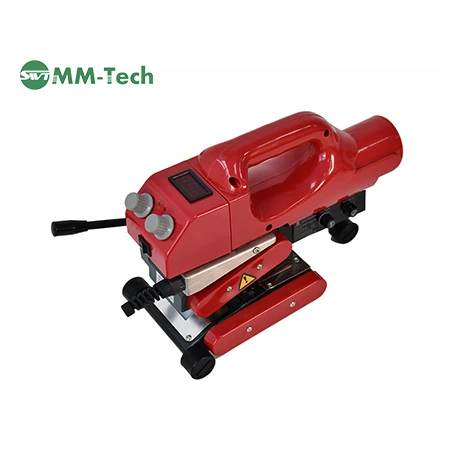

Geo Hot Wedge Welder With Digital Display SWT NS800D Operation Guide
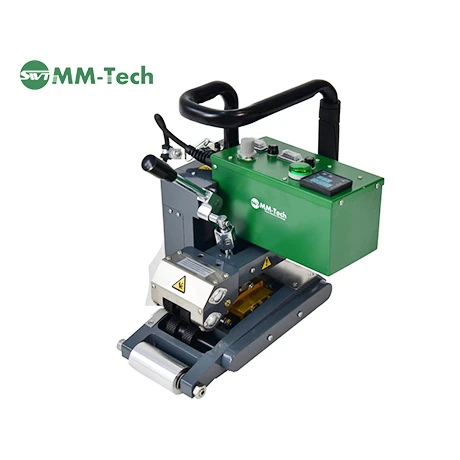
Heavy-Duty Geo Hot Wedge Welder SWT-NS900 Operation Guide
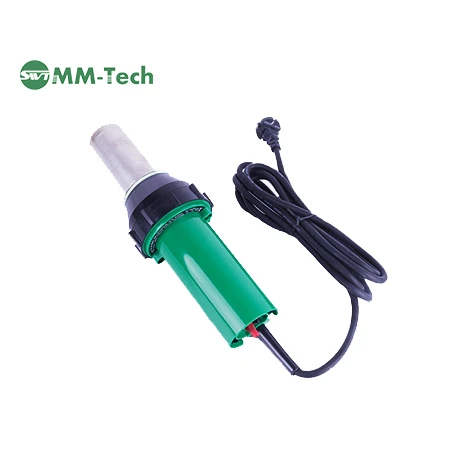
Powerful Professional Hot Air Tool SWT-NS3400A Operation Guide
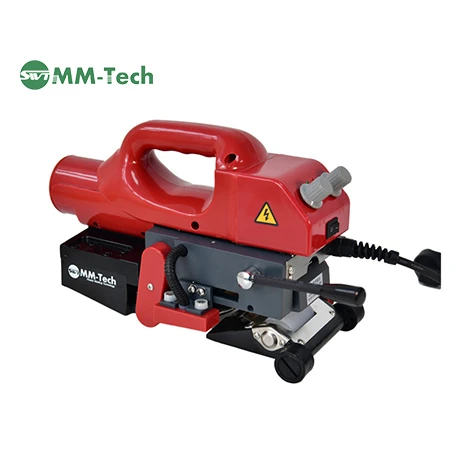
Geo Hot Wedge Welder SWT NS800 Operation Guide
Compact HDPE Hot Wedge Welding Machine SWT-NSGM1 Operation Guide
Related News
2026-02-24 11:15:19
Comprehensive Guide to Plastic Extrusion Welding Machine Technology and Applications
Plastic extrusion welding machines are vital tools in numerous industries, facilitating the joining of thermoplastic materials with precision and efficiency. From constructing large tanks and vessels to fabricating pipelines and specialized components, these machines offer a robust and reliable solution. Understanding the different types, applications, and key features is crucial for making informed investment decisions. At MMTech Weld, we specialize in delivering high-quality plastic extrusion welding solutions tailored to diverse industrial needs. Choosing the right machine can significantly impact your production efficiency and the quality of your finished products. Plastic extrusion welding is a process where thermoplastic materials are melted and fused together using heat and pressure. The machine precisely controls the temperature, feed rate, and welding speed to create strong, leak-proof joints. These machines typically consist of a heating element, feed roller, welding shoe, and control panel. Different types of machines cater to specific applications and materials, ranging from portable units for smaller projects to automated systems for large-scale production. The key to a successful weld is ensuring consistent heat distribution and proper material compatibility.
2026-02-11 02:45:23
Comprehensive Guide to Plastic Extrusion Welding Techniques and Equipment Selection
Plastic extrusion welding is a versatile and efficient process used to join thermoplastic materials. This technique is widely employed across various industries, from automotive and construction to marine and chemical processing. At MM Tech Weld, we specialize in providing high-quality plastic extrusion welders and related solutions. This article delves into the intricacies of plastic extrusion welding, its applications, benefits, and key considerations for choosing the right equipment. Understanding this process can significantly improve your project efficiency and product quality. Plastic extrusion welding is a process where a thermoplastic welding material, typically a rod or wire, is melted and fed into the joint between two thermoplastic workpieces. The welding material is melted using a heated shoe, and as it cools, it fuses the two pieces together, creating a strong, leak-proof bond. Unlike other welding methods, extrusion welding doesn’t require the base materials to be completely melted, making it ideal for thicker sections and on-site repairs.
2026-01-30 14:55:50
Comprehensive Guide to Hand Extrusion Welder Applications and Selection
A hand extrusion welder is a portable and versatile tool used for joining thermoplastic materials. It’s a crucial piece of equipment in various industries, from plastic fabrication to pipeline repair. This article provides a comprehensive guide to hand extrusion welders, exploring their applications, benefits, key considerations when choosing one, and how MM Tech Weld delivers high-quality solutions. Understanding this technology allows professionals to optimize welding processes and achieve durable, reliable results. A hand extrusion welder operates by melting thermoplastic welding rods and extruding the molten material into the joint to be welded. The welder consists of a heating element, a feed mechanism for the welding rods, and a shoe or nozzle that guides the molten plastic.
2026-01-28 11:20:05
Comprehensive Guide to Pressure Leak Detectors for Enhanced Safety and Efficiency
In industries dealing with gases, vacuum systems, and pressurized environments, identifying leaks quickly and accurately is paramount for safety, efficiency, and cost control. A pressure leak detector is a critical tool for these applications, offering a non-destructive method to pinpoint even the smallest breaches in containment. This article will explore the different types of pressure leak detectors, their applications, advantages, and considerations for choosing the right detector for your specific needs. Efficient leak detection translates directly to minimized product loss, reduced energy consumption, and a safer working environment. Several technologies are employed in pressure leak detectors, each with its strengths and weaknesses. Some common types include: Bubble leak detectors, using a soap solution to reveal leaks as bubbles; Halogen leak detectors, sensitive to halogen-containing refrigerants; Ultrasonic leak detectors, detecting the high-frequency sound generated by escaping gas; and Mass spectrometer leak detectors (helium leak detectors), offering extremely high sensitivity by identifying helium molecules.
2026-01-27 22:55:02
Comprehensive Guide to Vacuum Leak Detection and Repair Techniques
Detecting and repairing vacuum leaks is crucial for maintaining optimal performance in various systems, from automotive engines to industrial processes. A seemingly small leak can lead to significant inefficiencies, reduced power, and even system failure. This article will provide a detailed look into understanding vacuum leaks, the tools used to find them – specifically, vacuum leak finders – troubleshooting techniques, and preventative measures. We’ll cover common causes, best practices, and how to choose the right equipment for your needs. Addressing vacuum leaks promptly can save you time, money, and potential headaches. Several methods can be used to locate vacuum leaks. The most basic involves a visual inspection of hoses, gaskets, and connections. However, many leaks are small and difficult to detect with the naked eye.
2026-01-27 19:55:20
Bullseye Leak Detector A Comprehensive Guide for Efficient Leak Detection
Maintaining the integrity of pressurized systems is critical in numerous industries, from HVAC and refrigeration to automotive and plumbing. A seemingly small leak can lead to significant inefficiencies, costly repairs, and even safety hazards. The Bullseye leak detector is a powerful tool designed to quickly and accurately pinpoint leaks in a variety of applications. This article will delve into the features, benefits, and applications of this versatile detector, ensuring you can effectively identify and address leaks before they escalate. Accurate leak detection is paramount for ensuring system efficiency and safety, and the Bullseye provides a reliable solution for professionals across various trades.
2026-01-27 18:25:14
Wegener Extrusion Welder Technology for Robust Thermoplastic Joining Solutions
When it comes to reliable and efficient solutions for joining thermoplastic materials, a Wegener Extrusion Welder stands as a leading choice. Known for its precision and durability, Wegener technology is trusted by professionals in diverse industries. This article delves into the features, applications, and benefits of Wegener Extrusion Welders, providing a thorough overview for those seeking a robust welding solution. Choosing the right equipment can significantly impact project quality and efficiency, and Wegener consistently delivers. Wegener extrusion welding utilizes a specialized machine that melts thermoplastic material and precisely extrudes it onto the joint area. This process creates a strong, homogenous weld, free from the weaknesses often associated with other joining methods. The controlled heat input minimizes distortion and stress on the materials. Unlike traditional welding techniques, it is exceptionally well-suited for large diameter pipe and complex geometries. MM Tech Weld’s Wegener machines offer unparalleled control and consistency for critical applications.
2026-01-25 02:10:06
Extrusion Welding HDPE Liner: A Guide
Learn about extrusion welding HDPE liner for industrial applications. Material specs, vendor comparison & why it’s a top choice for containment.
CX300 Geomembrane Welding Machine: Automatic, High-Performance Welding
CX300 Geomembrane Welding Machine: Automatic, High-Performance Welding
Sep . 08, 2025 16:39
Industry Trends in Geomembrane Welding Technology
The global geomembrane market is experiencing robust growth, driven by increasing demands in environmental protection, infrastructure development, and resource management. With a projected Compound Annual Growth Rate (CAGR) of over 5% from 2023 to 2030, the market's expansion is intrinsically linked to advancements in installation technologies, particularly in welding. High-quality, reliable geomembrane welding is paramount for ensuring the integrity and longevity of critical containment systems in various industrial applications. Key trends include the adoption of automation, enhanced data logging capabilities, and improved material compatibility for diverse polymer types. Precision and consistency in weld strength are no longer just desired features but mandatory requirements to comply with stringent regulatory standards and reduce project liabilities. This evolution underscores the necessity for advanced welding equipment that can meet the rigorous demands of modern engineering projects.
In this dynamic landscape, the CX300 Geomembrane Welding Machine emerges as a pivotal solution, designed to address the complexities of large-scale geomembrane installations. Its advanced capabilities align with the industry's shift towards more efficient, reliable, and data-driven welding processes. The demand for equipment that can handle a wider range of material thicknesses and types, while maintaining optimal energy efficiency, is higher than ever. Furthermore, the emphasis on operator safety and ease of use continues to shape product development, leading to machines that offer intuitive interfaces and ergonomic designs. The CX300 is engineered to embody these trends, offering superior performance that translates into reduced operational costs and enhanced project timelines for B2B stakeholders.
Manufacturing Process Flow of the CX300 Geomembrane Welding Machine
The development and manufacturing of the CX300 Geomembrane Welding Machine involve a meticulously engineered process designed to ensure durability, precision, and consistent performance. Our commitment to quality begins with the selection of premium materials and extends through every stage of assembly and testing.
Core Materials and Component Sourcing:
- Chassis: Constructed from high-strength aluminum alloys, precision-cast and then CNC-machined to achieve a lightweight yet robust frame. This ensures optimal structural integrity and heat dissipation.
- Drive System: Utilizes hardened steel gears and high-torque DC motors, precisely forged and ground for minimal backlash and maximum power transmission, crucial for consistent welding speed.
- Heating Elements: Employ advanced ceramic heating cartridges encapsulated in high-grade stainless steel, providing rapid heating and precise temperature control.
- Control System: Features industrial-grade microcontrollers and sensors, rigorously tested for EMI/RFI compliance and operational stability in harsh environments.
Manufacturing Stages:
- Precision Machining: Aluminum components undergo multi-axis CNC machining to tight tolerances, ensuring perfect fit and alignment. Steel components are heat-treated and precision-ground for enhanced wear resistance.
- Sub-Assembly Integration: Individual modules such as the drive unit, heating block, and control panel are assembled and pre-calibrated in dedicated workstations.
- Final Assembly: All sub-assemblies are integrated into the main chassis. Electrical wiring is performed by certified technicians, adhering to international safety standards.
- Calibration and Performance Tuning: Each machine undergoes extensive calibration for temperature, speed, and pressure settings using precision instruments to meet specified operational parameters.
Testing Standards and Quality Assurance:
Our quality control regimen for the CX300 Geomembrane Welding Machine is rigorous and comprehensive, ensuring compliance with industry benchmarks:
- ISO 9001:2015 Certification: Our manufacturing facility operates under a certified quality management system, guaranteeing consistent product quality.
- ANSI/AWS D1.1 (Structural Welding Code – Steel): While primarily for structural steel, the principles of robust welding integrity and testing extend to our machine's own structural components. For geomembrane weld quality, we adhere to ASTM D4437 and D6392 standards for seam strength testing.
- CE Certification: All electrical and electronic components, as well as the complete machine, comply with European safety, health, and environmental protection requirements.
- Functional Load Testing: Each machine is subjected to continuous operation under maximum load conditions for several hours to identify and rectify any potential performance issues.
Projected Service Life and Advantages:
With proper maintenance, the CX300 Geomembrane Welding Machine is designed for an extensive service life exceeding 10,000 operational hours, often translating to over 5-7 years of intensive field use. Its robust construction and high-quality components minimize wear and tear, reducing the Total Cost of Ownership (TCO) for our clients.
Target Industries & Application Advantages:
- Petrochemical: Essential for lining retention ponds, secondary containment systems for fuel storage, and waste treatment lagoons. Advantages: Superior chemical resistance of welds ensures containment of hazardous materials.
- Mining & Metallurgy: Critical for heap leach pads, tailings dams, and process water ponds. Advantages: High-strength, impermeable seams prevent leaching into groundwater, complying with strict environmental regulations.
- Water Supply & Drainage: Used in reservoirs, canals, municipal wastewater treatment plants, and landfill caps. Advantages: Energy-saving operation reduces power consumption on large projects, and robust construction ensures consistent welds over long distances, crucial for preventing leaks in water infrastructure.
- Waste Management: Liners for municipal solid waste (MSW) landfills and hazardous waste facilities. Advantages: Creates durable, corrosion-resistant seals, providing an impenetrable barrier against leachate migration.
Technical Specifications of the CX300 Geomembrane Welding Machine
The CX300 Geomembrane Welding Machine is engineered for peak performance and reliability in demanding industrial environments. Its design integrates cutting-edge technology to deliver precise, consistent, and strong welds across a variety of geomembrane materials.
Key Operational Parameters:
The CX300 Geomembrane Welding Machine is engineered with a focus on ease of operation and maintenance, featuring a user-friendly digital control panel for precise parameter adjustments. Its robust construction ensures longevity even in challenging construction environments, making it an indispensable tool for civil engineers and contractors.
Application Scenarios and Technical Advantages
The versatility and precision of the CX300 Geomembrane Welding Machine make it an ideal choice for a diverse array of application scenarios where high-integrity geomembrane liners are critical.
Diverse Application Scenarios:
- Environmental Containment: Essential for constructing liners for landfills (MSW, hazardous waste), wastewater treatment lagoons, and mining tailings ponds. The machine's ability to create double-wedge welds with an air channel allows for post-welding integrity testing, crucial for environmental protection.
- Water Management Infrastructure: Employed in the construction of water reservoirs, irrigation canals, evaporation ponds, and aquaculture facilities. Its consistent welding speed and temperature control ensure leak-proof installations critical for water conservation.
- Energy Sector Projects: Used in the lining of oil and gas secondary containment areas, biodigester covers, and solar evaporation ponds. The robust welds produced resist harsh environmental conditions and chemical exposure.
- Civil Engineering and Construction: Applied for dam and tunnel waterproofing, road and railway embankment protection, and foundation damp-proofing. The machine’s lightweight and maneuverable design facilitates operation on challenging terrains.
Technical Advantages:
- Precision Digital Control: Equipped with an advanced PID (Proportional-Integral-Derivative) control system for temperature and speed, ensuring highly consistent weld parameters regardless of ambient conditions. This minimizes material degradation and maximizes weld strength, reducing rework.
- Optimized Hot Wedge Technology: Utilizes a specialized hot wedge design that provides uniform heat distribution and maximizes melting efficiency. This leads to strong, homogenous welds with excellent peel and shear strength, surpassing industry standards like GRI GM19.
- Ergonomic and Robust Design: The machine's balanced weight distribution and ergonomic handles minimize operator fatigue, enhancing productivity during long shifts. Its durable chassis is designed to withstand harsh construction site environments, contributing to a longer operational life.
- Integrated Data Logging (Optional): For projects requiring stringent quality assurance, the CX300 can be equipped with a data logger to record welding parameters (temperature, speed, pressure) in real-time, providing verifiable proof of weld quality and compliance.
- High Efficiency and Energy Saving: The rapid heat-up time and optimized power consumption make the CX300 Geomembrane Welding Machine an energy-efficient solution, lowering operational costs and contributing to greener construction practices. Compared to older models, it can reduce energy consumption by up to 15-20% per operational hour.
Vendor Comparison: CX300 vs. Standard Market Offerings
When selecting a geomembrane welding machine, understanding the differentiators is crucial. The CX300 Geomembrane Welding Machine offers distinct advantages over many standard market offerings, positioning it as a premium choice for B2B applications.
Comparative Analysis:
The clear distinctions highlight that while generic welding machines might offer a lower initial investment, the long-term operational efficiency, superior weld quality, and reduced risk factors provided by the CX300 Geomembrane Welding Machine ultimately deliver a significantly higher return on investment for professional contractors and project managers.
Customized Solutions and Application Case Studies
Understanding that every project has unique requirements, we offer customized solutions built around the core capabilities of the CX300 Geomembrane Welding Machine. Our engineering team collaborates closely with clients to tailor equipment and support services to specific operational challenges.
Customization Options:
- Specialized Wedges: Development of custom hot wedges for non-standard geomembrane materials or unusual thickness combinations.
- Voltage & Frequency Adaptation: Configuration for diverse international power grids (e.g., 110V/60Hz, 380V/50Hz) to ensure global compatibility.
- Enhanced Data Logging & GPS Integration: Advanced data recording with GPS coordinates for precise weld location mapping, critical for large-scale infrastructure projects and regulatory compliance.
- Robust Carrying Cases: Custom-designed, impact-resistant cases for extreme field conditions, ensuring safe transport and extended machine life.
Application Case Study: Municipal Landfill Liner Project, North America
Client: Major Waste Management Corporation
Project Scope: Installation of a multi-layer HDPE geomembrane liner system for a 20-acre municipal solid waste (MSW) landfill expansion. Required robust, verifiable seams to prevent leachate migration.
Challenge: The project demanded high-volume welding with exceptional quality assurance, especially given the environmental sensitivity and regulatory scrutiny. Existing equipment struggled with consistent seam strength on sloped sections and lacked comprehensive data logging.
Solution: Four units of the CX300 Geomembrane Welding Machine were deployed, each equipped with optional GPS-enabled data logging modules. Our technical team provided on-site training and ongoing support. The CX300's precise temperature and speed control, coupled with its consistent drive system, ensured optimal fusion welding even on challenging gradients.
Results:
- 98.5% Pass Rate: Field peel and shear tests demonstrated a 98.5% pass rate on initial inspections, significantly reducing rework compared to previous projects (typical ~90-92%).
- 20% Faster Completion: The efficiency and reliability of the CX300 contributed to a 20% reduction in project welding time, leading to substantial cost savings.
- Enhanced Compliance: The integrated data logging provided irrefutable records of all weld parameters and locations, simplifying regulatory audits and demonstrating exemplary environmental stewardship.
- Customer Feedback: "The CX300 machines were a game-changer for this project. Their consistent performance and the ability to log every weld parameter gave us unparalleled confidence in the integrity of our liner system." - Project Manager.
Ensuring Trustworthiness: FAQ, Lead Time, Warranty, and Support
At MM Techweld, we are committed to building lasting relationships with our B2B clients through transparency, reliability, and unparalleled support. The following addresses common concerns regarding the CX300 Geomembrane Welding Machine.
Frequently Asked Questions (FAQ):
- Q: What types of geomembranes can the CX300 weld? A: The CX300 is highly versatile and capable of welding various thermoplastic geomembranes, including HDPE (High-Density Polyethylene), LDPE (Low-Density Polyethylene), LLDPE (Linear Low-Density Polyethylene), EVA (Ethylene Vinyl Acetate), and PVC (Polyvinyl Chloride), typically ranging from 0.5mm to 3.0mm in thickness.
- Q: Is the CX300 suitable for challenging terrain or slopes? A: Yes, its lightweight (13 kg) and balanced design, combined with a robust drive system, make it well-suited for operation on various terrains, including slopes up to 30 degrees, minimizing operator fatigue and ensuring consistent weld quality.
- Q: Can the welding parameters be precisely controlled and monitored? A: Absolutely. The CX300 features a digital control panel allowing precise adjustment of welding temperature (0-450°C) and speed (0.5-5.0 m/min). An optional data logging module provides real-time monitoring and recording of these parameters for quality assurance and compliance.
- Q: What kind of training is required for operators? A: While the CX300 is designed for intuitive use, we recommend professional training for optimal performance and safety. MM Techweld offers comprehensive training programs, both virtual and on-site, to ensure your team is proficient in operating and maintaining the equipment.
Lead Time & Fulfillment Details:
Our standard lead time for the CX300 Geomembrane Welding Machine is 2-4 weeks from order confirmation, depending on customization requirements and order volume. We maintain a healthy inventory of critical components to ensure prompt assembly and dispatch. For urgent requirements or large-volume orders, please contact our sales team to discuss expedited options and tailored production schedules. All shipments are meticulously packaged and handled by trusted logistics partners to ensure safe and timely delivery worldwide.
Warranty Commitments:
The CX300 comes with a comprehensive 12-month manufacturer's warranty covering parts and labor against defects in materials and workmanship, starting from the date of purchase. Consumable parts (e.g., hot wedges, pressure rollers) are covered for 3 months against manufacturing defects. Extended warranty options and service contracts are available for clients seeking additional long-term peace of mind. Our warranty policy adheres strictly to international best practices, ensuring fair and prompt resolution of any issues.
Customer Support Information:
MM Techweld is dedicated to providing exemplary after-sales support. Our global network of certified technicians is available for technical assistance, troubleshooting, and on-site service.
- Technical Support Hotline: Available during business hours for immediate assistance.
- Online Resources: Access to comprehensive manuals, video tutorials, and a knowledge base through our client portal.
- Spare Parts Availability: We maintain a readily available stock of genuine spare parts to minimize downtime and ensure continuous operation.
- Preventative Maintenance Programs: Tailored service plans to optimize machine performance and extend its service life.
For sales inquiries, technical support, or to schedule a demo, please visit our website at www.mmtechweld.com or contact us directly.
Authoritative References
- Koerner, R. M. (2012). Designing with Geosynthetics (6th ed.). Xlibris Corporation.
- Giroud, J. P., & Beech, J. F. (2007). Durability of Geosynthetics. Geotextiles and Geomembranes, 25(6), 284-297.
- ASTM D6392/D6392M-17. (2017). Standard Test Method for Determining the Integrity of Nonreinforced Geomembrane Seams Produced Using Thermo-Fusion Methods. ASTM International.
- GRI GM19. (2009). Standard Specification for "Test Methods, Properties, and Specification for High Density Polyethylene (HDPE) Geomembranes." Geosynthetic Institute.
- IEPA. (2016). Guidelines for Landfill Construction and Design. Illinois Environmental Protection Agency.
Related Products
Related Video
Geo Hot Wedge Welder With Digital Display SWT NS800D Operation Guide
Heavy-Duty Geo Hot Wedge Welder SWT-NS900 Operation Guide
Powerful Professional Hot Air Tool SWT-NS3400A Operation Guide
Geo Hot Wedge Welder SWT NS800 Operation Guide
Compact HDPE Hot Wedge Welding Machine SWT-NSGM1 Operation Guide
Related News
2026-02-24 11:15:19
Comprehensive Guide to Plastic Extrusion Welding Machine Technology and Applications
Plastic extrusion welding machines are vital tools in numerous industries, facilitating the joining of thermoplastic materials with precision and efficiency. From constructing large tanks and vessels to fabricating pipelines and specialized components, these machines offer a robust and reliable solution. Understanding the different types, applications, and key features is crucial for making informed investment decisions. At MMTech Weld, we specialize in delivering high-quality plastic extrusion welding solutions tailored to diverse industrial needs. Choosing the right machine can significantly impact your production efficiency and the quality of your finished products. Plastic extrusion welding is a process where thermoplastic materials are melted and fused together using heat and pressure. The machine precisely controls the temperature, feed rate, and welding speed to create strong, leak-proof joints. These machines typically consist of a heating element, feed roller, welding shoe, and control panel. Different types of machines cater to specific applications and materials, ranging from portable units for smaller projects to automated systems for large-scale production. The key to a successful weld is ensuring consistent heat distribution and proper material compatibility.
2026-02-11 02:45:23
Comprehensive Guide to Plastic Extrusion Welding Techniques and Equipment Selection
Plastic extrusion welding is a versatile and efficient process used to join thermoplastic materials. This technique is widely employed across various industries, from automotive and construction to marine and chemical processing. At MM Tech Weld, we specialize in providing high-quality plastic extrusion welders and related solutions. This article delves into the intricacies of plastic extrusion welding, its applications, benefits, and key considerations for choosing the right equipment. Understanding this process can significantly improve your project efficiency and product quality. Plastic extrusion welding is a process where a thermoplastic welding material, typically a rod or wire, is melted and fed into the joint between two thermoplastic workpieces. The welding material is melted using a heated shoe, and as it cools, it fuses the two pieces together, creating a strong, leak-proof bond. Unlike other welding methods, extrusion welding doesn’t require the base materials to be completely melted, making it ideal for thicker sections and on-site repairs.
2026-01-30 14:55:50
Comprehensive Guide to Hand Extrusion Welder Applications and Selection
A hand extrusion welder is a portable and versatile tool used for joining thermoplastic materials. It’s a crucial piece of equipment in various industries, from plastic fabrication to pipeline repair. This article provides a comprehensive guide to hand extrusion welders, exploring their applications, benefits, key considerations when choosing one, and how MM Tech Weld delivers high-quality solutions. Understanding this technology allows professionals to optimize welding processes and achieve durable, reliable results. A hand extrusion welder operates by melting thermoplastic welding rods and extruding the molten material into the joint to be welded. The welder consists of a heating element, a feed mechanism for the welding rods, and a shoe or nozzle that guides the molten plastic.
2026-01-28 11:20:05
Comprehensive Guide to Pressure Leak Detectors for Enhanced Safety and Efficiency
In industries dealing with gases, vacuum systems, and pressurized environments, identifying leaks quickly and accurately is paramount for safety, efficiency, and cost control. A pressure leak detector is a critical tool for these applications, offering a non-destructive method to pinpoint even the smallest breaches in containment. This article will explore the different types of pressure leak detectors, their applications, advantages, and considerations for choosing the right detector for your specific needs. Efficient leak detection translates directly to minimized product loss, reduced energy consumption, and a safer working environment. Several technologies are employed in pressure leak detectors, each with its strengths and weaknesses. Some common types include: Bubble leak detectors, using a soap solution to reveal leaks as bubbles; Halogen leak detectors, sensitive to halogen-containing refrigerants; Ultrasonic leak detectors, detecting the high-frequency sound generated by escaping gas; and Mass spectrometer leak detectors (helium leak detectors), offering extremely high sensitivity by identifying helium molecules.
2026-01-27 22:55:02
Comprehensive Guide to Vacuum Leak Detection and Repair Techniques
Detecting and repairing vacuum leaks is crucial for maintaining optimal performance in various systems, from automotive engines to industrial processes. A seemingly small leak can lead to significant inefficiencies, reduced power, and even system failure. This article will provide a detailed look into understanding vacuum leaks, the tools used to find them – specifically, vacuum leak finders – troubleshooting techniques, and preventative measures. We’ll cover common causes, best practices, and how to choose the right equipment for your needs. Addressing vacuum leaks promptly can save you time, money, and potential headaches. Several methods can be used to locate vacuum leaks. The most basic involves a visual inspection of hoses, gaskets, and connections. However, many leaks are small and difficult to detect with the naked eye.
2026-01-27 19:55:20
Bullseye Leak Detector A Comprehensive Guide for Efficient Leak Detection
Maintaining the integrity of pressurized systems is critical in numerous industries, from HVAC and refrigeration to automotive and plumbing. A seemingly small leak can lead to significant inefficiencies, costly repairs, and even safety hazards. The Bullseye leak detector is a powerful tool designed to quickly and accurately pinpoint leaks in a variety of applications. This article will delve into the features, benefits, and applications of this versatile detector, ensuring you can effectively identify and address leaks before they escalate. Accurate leak detection is paramount for ensuring system efficiency and safety, and the Bullseye provides a reliable solution for professionals across various trades.
2026-01-27 18:25:14
Wegener Extrusion Welder Technology for Robust Thermoplastic Joining Solutions
When it comes to reliable and efficient solutions for joining thermoplastic materials, a Wegener Extrusion Welder stands as a leading choice. Known for its precision and durability, Wegener technology is trusted by professionals in diverse industries. This article delves into the features, applications, and benefits of Wegener Extrusion Welders, providing a thorough overview for those seeking a robust welding solution. Choosing the right equipment can significantly impact project quality and efficiency, and Wegener consistently delivers. Wegener extrusion welding utilizes a specialized machine that melts thermoplastic material and precisely extrudes it onto the joint area. This process creates a strong, homogenous weld, free from the weaknesses often associated with other joining methods. The controlled heat input minimizes distortion and stress on the materials. Unlike traditional welding techniques, it is exceptionally well-suited for large diameter pipe and complex geometries. MM Tech Weld’s Wegener machines offer unparalleled control and consistency for critical applications.
2026-01-25 02:10:06
Extrusion Welding HDPE Liner: A Guide
Learn about extrusion welding HDPE liner for industrial applications. Material specs, vendor comparison & why it’s a top choice for containment.
SUBSCRIBE NEWSLETTER
Dear customer, thank you for your attention! We provide high-quality machinery and equipment and look forward to your orders. Please inform us of your needs and we will respond quickly!






 English
  Arabic
  Bengali
  Czech
Czech  Dutch
Dutch  Finnish
  French
  German
  Hungarian
  Italian
  Japanese
  Korean
  Latin
Latin  Norwegian
  Polish
  Portuguese
  Russian
  Spanish
  Thai
Thai  Vietnamese