
-
 Email:news@peweldingmachine.com
-
 +86-137 3974 5191
-
 Add:
Add:NO.355,Youyi Street,Qiaoxi District,Shijiazhuang,Hebei,China.



Comprehensive Guide to Weld Bend Test Equipment: Ensuring Weld Quality Globally

Comprehensive Guide to Weld Bend Test Equipment: Ensuring Weld Quality Globally
Dec . 03, 2025 10:30
Understanding Weld Bend Test Equipment: A Key to Industry Reliability
You might have come across the term weld bend test equipment in some technical specs or quality control reports, but what does it really mean — and why should anyone beyond welding engineers care? Well, this gear essentially ensures the strength and integrity of welded joints, which underpin everything from towering skyscrapers to the bridge you cross on your commute. Globally, as industries ramp up infrastructure development, safety standards and environmental regulations compel tighter control over weld quality. Having a solid grasp on weld bend test equipment is therefore a big deal—not just for compliance but for safety, sustainability, and cost savings in the long run.
Global Relevance of Weld Bend Test Equipment
To put it in perspective, according to the ISO 15614 series standards, weld testing methods like bend tests have become international benchmarks to assess weld quality. The World Bank estimates that roughly 45% of global infrastructure projects involve significant welding, which means weld failure can lead to catastrophic economic and human losses — something we simply can’t afford.
Yet, welding quality assurance remains a tough nut to crack, particularly in emerging or remote markets where skilled personnel and advanced equipment are scarce. Weld bend test equipment steps into this gap, providing straightforward but rigorous checks on weld resilience. Oddly enough, while the gear isn’t flashy, it shapes global quality and safety standards in construction, energy, transportation, manufacturing — you name it.
What Exactly Is Weld Bend Test Equipment?
Simply put, weld bend test equipment consists of machines and tools used to subject welded specimens to bending stress to check for flaws like cracking or incomplete fusion. Imagine bending a steel bar at the joint and checking if it snaps or deforms adversely — that's basically the principle. This type of destructive testing gives immediate, visual insight into weld ductility and integrity.
With industries demanding longer lifespan and safer welds in pipelines, shipbuilding, and even humanitarian shelters, this equipment is more than just a testing rig — it’s a quality gatekeeper. Modern equipment usually includes hydraulic or mechanical bending machines capable of handling various specimen sizes and bend radii.
Core Components and Key Factors in Weld Bend Testing
1. Durability and Build Quality
Weld bend testing machines undergo heavy mechanical stresses, so the equipment itself must be engineered from robust materials — often steel frames combined with precision hydraulics — to ensure accurate performance over years of use.
2. Scalability for Different Test Samples
The usability of the equipment depends on its adaptability: it should handle multiple specimen thicknesses, lengths, and bend angles to cover different welding standards or client needs.
3. Cost Efficiency & Maintenance
Because many operations run multiple tests per day, machines that are easy and quick to maintain reduce downtime. Cost-efficient models also make weld bend testing accessible beyond large corporations to smaller manufacturers.
4. User-friendly Controls & Safety
Modern systems come with digital displays or even basic software integration allowing operators to set parameters accurately, record test data, and ensure safety protocols are rigorously followed.
5. Compliance with International Standards
Certifications such as ASTM E190 or ISO 5173 compatibility help firms meet contractual and regulatory criteria for weld inspection.
How Weld Bend Test Equipment is Used Worldwide
In practical terms, weld bend test equipment is a staple across many sectors:
- Oil and Gas Pipelines: Ensuring welded pipes can withstand high pressures and extreme temperatures.
- Shipbuilding: Testing critical welds on hulls that endure constant stress and corrosion.
- Infrastructure Projects: Bridges, railways, and buildings require high-standard weld integrity.
- Humanitarian Aid: In post-disaster relief operations, welded modular shelters are tested rigorously for quick deployment without compromising safety.
Regions like North America, Europe, and increasingly Asia-Pacific are heavy users, driven by strict safety regulation and growing infrastructure. Meanwhile, NGOs and smaller industry players in emerging economies look for cost-effective, reliable weld bend test equipment to improve local standards.
Quick Takeaway:
Weld bend test equipment isn't just for quality control geeks — it’s a crucial linchpin across industries, safeguarding infrastructure integrity and saving lives worldwide.
Product Specification: Typical Weld Bend Test Equipment
| Feature | Specification |
|---|---|
| Bending Capacity | Up to 50 kN (kilonewtons) |
| Specimen Thickness Range | 1 - 20 mm |
| Bend Angles | 30°, 45°, 90° adjustable |
| Control Type | Manual hydraulic + digital display |
| Compliance | ISO 5173, ASTM E190 |
Benefits and Long-Term Value of Using Weld Bend Test Equipment
There’s more than meets the eye here. Beyond immediate cost savings by avoiding weld failure, the equipment supports sustainability by reducing rework and material waste. Emotionally, it fosters trust—clients and regulators alike can rest easier knowing structures are dependable. And frankly, safety concerns are paramount: hundreds of accidents worldwide trace back to weld failure, so having the means to catch weld defects early feels like a responsible and forward-thinking approach.
Future Trends and Innovations
Now, the space is evolving faster than I expected. We’re seeing automation creeping in — robotic test agents coupled with digital data logging enhance testing accuracy and traceability. Environmental concerns are pushing firms to develop more eco-friendly testing fluids and materials, while some vendors are eyeing AI to predict weld performance trends before even breaking specimens.
And then there’s energy. As industries adopt green technologies like hydrogen pipelines, weld bend test machines will need calibration to new materials and stress profiles. It’s a dynamic space, definitely worth watching.
Challenges and Practical Solutions
Of course, no technology is perfect. Challenges often involved the high cost of state-of-the-art machines and training staff. Plus, inconsistent sample preparation can skew results. But many companies deliver modular, user-friendly models with online training resources, which soften these hurdles—helping democratize access to quality weld testing.
Vendor Comparison
| Vendor | Price Range | Features | Support & Training |
|---|---|---|---|
| FusionTech | $$$ | Advanced digital interface, automated bending | On-site and remote support |
| SteelPro | $$ | Manual and hydraulic control, modular design | Online tutorials, limited on-site |
| WeldMaster | $ | Basic manual hydraulic with safety guards | Email support only |
FAQ: Common Questions About Weld Bend Test Equipment
- Q: What types of weld samples can be tested with weld bend test equipment?
- A: Most equipment handles standard flat, side, and guided bend specimens sized typically between 1mm to 20mm thickness. For specialized geometry, consult equipment specs or vendors.
- Q: How often should weld bend testing be performed in manufacturing?
- Frequency varies by project specifications, but many industries recommend batch testing or periodic sampling especially during production ramp-up or material changes.
- Q: Is weld bend testing suitable for all metals?
- Generally yes. The equipment supports carbon steel, stainless steel, and alloys after proper calibration. Exotic materials may require additional setup or alternative tests.
- Q: Can weld bend test data be integrated into quality management software?
- Modern machines often include digital interfaces or data export functions compatible with enterprise quality systems, enhancing traceability and reporting.
Conclusion: The Long-Term Value of Choosing Quality Weld Bend Test Equipment
To wrap up, investing in reliable weld bend test equipment isn't just a checkbox in a quality manual — it shapes the backbone of industrial safety, economic efficiency, and innovation globally. Whether you’re a giant pipeline operator or an NGO building emergency shelters, it enables trustable welds and peace of mind.
If you want to explore top-tier, proven solutions, I’d recommend starting with weld bend test equipment offerings. Their selection and expertise might just be the partner you need for your weld quality journey.
In the end, good welds save metal, money, and maybe even lives – and it all begins with bending the right way.
References & Notes

Related Products
Related Video

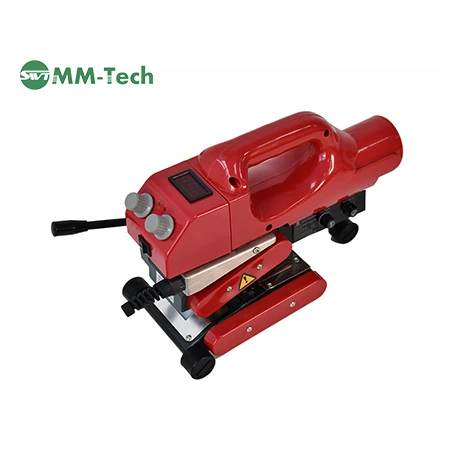

Geo Hot Wedge Welder With Digital Display SWT NS800D Operation Guide
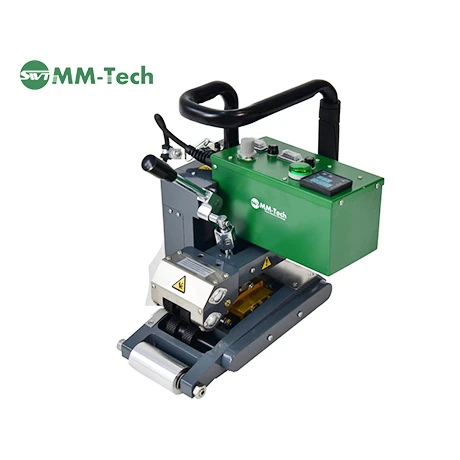
Heavy-Duty Geo Hot Wedge Welder SWT-NS900 Operation Guide
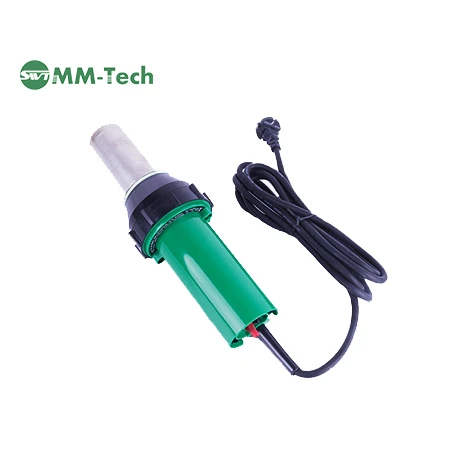
Powerful Professional Hot Air Tool SWT-NS3400A Operation Guide
Geo Hot Wedge Welder SWT NS800 Operation Guide
Compact HDPE Hot Wedge Welding Machine SWT-NSGM1 Operation Guide
Related News
2026-02-24 11:15:19
Comprehensive Guide to Plastic Extrusion Welding Machine Technology and Applications
Plastic extrusion welding machines are vital tools in numerous industries, facilitating the joining of thermoplastic materials with precision and efficiency. From constructing large tanks and vessels to fabricating pipelines and specialized components, these machines offer a robust and reliable solution. Understanding the different types, applications, and key features is crucial for making informed investment decisions. At MMTech Weld, we specialize in delivering high-quality plastic extrusion welding solutions tailored to diverse industrial needs. Choosing the right machine can significantly impact your production efficiency and the quality of your finished products. Plastic extrusion welding is a process where thermoplastic materials are melted and fused together using heat and pressure. The machine precisely controls the temperature, feed rate, and welding speed to create strong, leak-proof joints. These machines typically consist of a heating element, feed roller, welding shoe, and control panel. Different types of machines cater to specific applications and materials, ranging from portable units for smaller projects to automated systems for large-scale production. The key to a successful weld is ensuring consistent heat distribution and proper material compatibility.
2026-02-11 02:45:23
Comprehensive Guide to Plastic Extrusion Welding Techniques and Equipment Selection
Plastic extrusion welding is a versatile and efficient process used to join thermoplastic materials. This technique is widely employed across various industries, from automotive and construction to marine and chemical processing. At MM Tech Weld, we specialize in providing high-quality plastic extrusion welders and related solutions. This article delves into the intricacies of plastic extrusion welding, its applications, benefits, and key considerations for choosing the right equipment. Understanding this process can significantly improve your project efficiency and product quality. Plastic extrusion welding is a process where a thermoplastic welding material, typically a rod or wire, is melted and fed into the joint between two thermoplastic workpieces. The welding material is melted using a heated shoe, and as it cools, it fuses the two pieces together, creating a strong, leak-proof bond. Unlike other welding methods, extrusion welding doesn’t require the base materials to be completely melted, making it ideal for thicker sections and on-site repairs.
2026-01-30 14:55:50
Comprehensive Guide to Hand Extrusion Welder Applications and Selection
A hand extrusion welder is a portable and versatile tool used for joining thermoplastic materials. It’s a crucial piece of equipment in various industries, from plastic fabrication to pipeline repair. This article provides a comprehensive guide to hand extrusion welders, exploring their applications, benefits, key considerations when choosing one, and how MM Tech Weld delivers high-quality solutions. Understanding this technology allows professionals to optimize welding processes and achieve durable, reliable results. A hand extrusion welder operates by melting thermoplastic welding rods and extruding the molten material into the joint to be welded. The welder consists of a heating element, a feed mechanism for the welding rods, and a shoe or nozzle that guides the molten plastic.
2026-01-28 11:20:05
Comprehensive Guide to Pressure Leak Detectors for Enhanced Safety and Efficiency
In industries dealing with gases, vacuum systems, and pressurized environments, identifying leaks quickly and accurately is paramount for safety, efficiency, and cost control. A pressure leak detector is a critical tool for these applications, offering a non-destructive method to pinpoint even the smallest breaches in containment. This article will explore the different types of pressure leak detectors, their applications, advantages, and considerations for choosing the right detector for your specific needs. Efficient leak detection translates directly to minimized product loss, reduced energy consumption, and a safer working environment. Several technologies are employed in pressure leak detectors, each with its strengths and weaknesses. Some common types include: Bubble leak detectors, using a soap solution to reveal leaks as bubbles; Halogen leak detectors, sensitive to halogen-containing refrigerants; Ultrasonic leak detectors, detecting the high-frequency sound generated by escaping gas; and Mass spectrometer leak detectors (helium leak detectors), offering extremely high sensitivity by identifying helium molecules.
2026-01-27 22:55:02
Comprehensive Guide to Vacuum Leak Detection and Repair Techniques
Detecting and repairing vacuum leaks is crucial for maintaining optimal performance in various systems, from automotive engines to industrial processes. A seemingly small leak can lead to significant inefficiencies, reduced power, and even system failure. This article will provide a detailed look into understanding vacuum leaks, the tools used to find them – specifically, vacuum leak finders – troubleshooting techniques, and preventative measures. We’ll cover common causes, best practices, and how to choose the right equipment for your needs. Addressing vacuum leaks promptly can save you time, money, and potential headaches. Several methods can be used to locate vacuum leaks. The most basic involves a visual inspection of hoses, gaskets, and connections. However, many leaks are small and difficult to detect with the naked eye.
2026-01-27 19:55:20
Bullseye Leak Detector A Comprehensive Guide for Efficient Leak Detection
Maintaining the integrity of pressurized systems is critical in numerous industries, from HVAC and refrigeration to automotive and plumbing. A seemingly small leak can lead to significant inefficiencies, costly repairs, and even safety hazards. The Bullseye leak detector is a powerful tool designed to quickly and accurately pinpoint leaks in a variety of applications. This article will delve into the features, benefits, and applications of this versatile detector, ensuring you can effectively identify and address leaks before they escalate. Accurate leak detection is paramount for ensuring system efficiency and safety, and the Bullseye provides a reliable solution for professionals across various trades.
2026-01-27 18:25:14
Wegener Extrusion Welder Technology for Robust Thermoplastic Joining Solutions
When it comes to reliable and efficient solutions for joining thermoplastic materials, a Wegener Extrusion Welder stands as a leading choice. Known for its precision and durability, Wegener technology is trusted by professionals in diverse industries. This article delves into the features, applications, and benefits of Wegener Extrusion Welders, providing a thorough overview for those seeking a robust welding solution. Choosing the right equipment can significantly impact project quality and efficiency, and Wegener consistently delivers. Wegener extrusion welding utilizes a specialized machine that melts thermoplastic material and precisely extrudes it onto the joint area. This process creates a strong, homogenous weld, free from the weaknesses often associated with other joining methods. The controlled heat input minimizes distortion and stress on the materials. Unlike traditional welding techniques, it is exceptionally well-suited for large diameter pipe and complex geometries. MM Tech Weld’s Wegener machines offer unparalleled control and consistency for critical applications.
2026-01-25 02:10:06
Extrusion Welding HDPE Liner: A Guide
Learn about extrusion welding HDPE liner for industrial applications. Material specs, vendor comparison & why it’s a top choice for containment.
SUBSCRIBE NEWSLETTER
Dear customer, thank you for your attention! We provide high-quality machinery and equipment and look forward to your orders. Please inform us of your needs and we will respond quickly!






 English
  Arabic
  Bengali
  Czech
Czech  Dutch
Dutch  Finnish
  French
  German
  Hungarian
  Italian
  Japanese
  Korean
  Latin
Latin  Norwegian
  Polish
  Portuguese
  Russian
  Spanish
  Thai
Thai  Vietnamese