
-
 Email:news@peweldingmachine.com
-
 +86-137 3974 5191
-
 Add:
Add:NO.355,Youyi Street,Qiaoxi District,Shijiazhuang,Hebei,China.



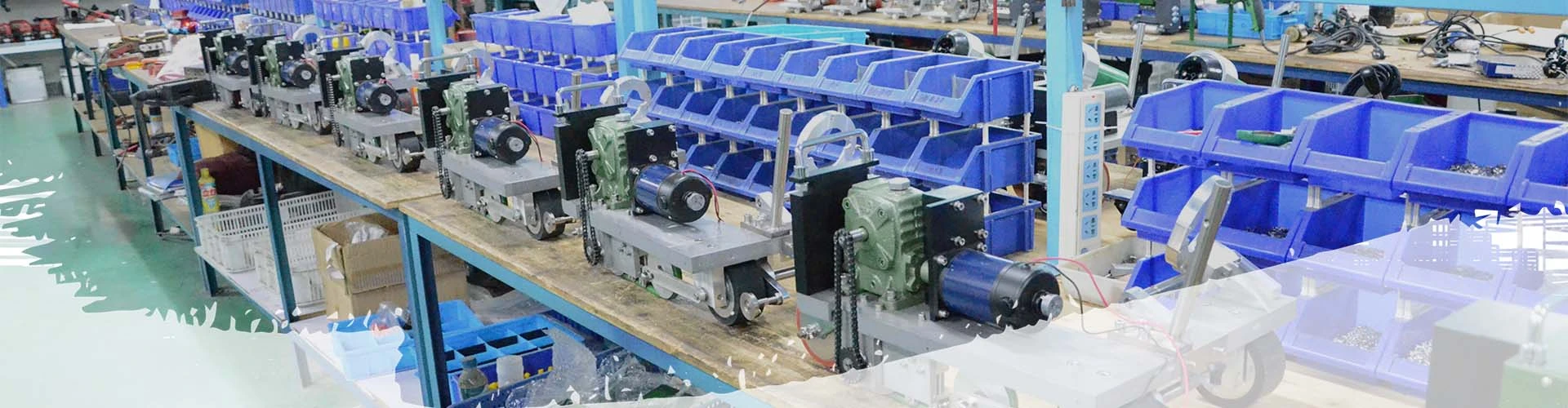
Heat Welding Gun: Essential Tool for Seamless Thermoplastic Fabrication

Heat Welding Gun: Essential Tool for Seamless Thermoplastic Fabrication
Nov . 30, 2025 20:20
Heat Welding Gun: The Unsung Hero of Seamless Fabrication
At first glance, a heat welding gun might not excite the same buzz as a flashy new gadget. But in industries from construction to manufacturing and emergency relief, this tool quietly powers the creation and repair of everything from industrial fabrics to waterproof membranes. Globally, the rise of synthetic materials combined with demands for durable, sustainable, and rapid assembly solutions puts heat welding guns front and center in the modern toolkit.
Why does it matter? With growing urban populations, climate change challenges, and an ongoing need for resilient infrastructure, understanding how these tools work — and what sets the best apart — opens doors to smarter projects and projects that literally stick together better. So, let’s dig a little deeper into what makes the heat welding gun tick, and why it’s more relevant than ever.
Introduction: The Global Importance of Heat Welding Guns
Heat welding guns have become vital worldwide, thanks largely to their role in joining materials like PVC, TPO, and other thermoplastics without adhesives or solvents. According to ISO standards on plastic welding technology, these tools help achieve consistent seams with strong mechanical and chemical resistance — something that’s crucial when building waterproof roofs or laying down geotextiles in agriculture.
Data from the International Labour Organization indicates construction and manufacturing sectors grow by roughly 3-4% annually worldwide. Meanwhile, emergency response units are called to create temporary shelters faster than ever. Heat welding guns are often the key to rapid, durable assembly — bridging the gap between challenges and practical solutions.
Yet, not everyone appreciates the complexity behind the tool. Choosing the right type or understanding its operational nuances can transform project timelines and costs.
What Exactly Is a Heat Welding Gun?
In simple terms, a heat welding gun is a handheld device designed to melt the edges of plastic materials so they fuse together as they cool. Think of it as a hot-air blower that carefully melts thermoplastic surfaces to create a seamless bond.
Used widely in industries like roofing, flooring, and banner making, the heat welding gun allows for quick, chemical-free joins that are often stronger than the original materials. This fits perfectly with the increased use of synthetic materials for durability, waterproofing, and lightweight design.
On a humanitarian level, NGOs use heat welding guns to quickly assemble impermeable shelters or repair water tanks — a subtle yet critical link in emergency infrastructure.
Core Components and Key Factors of Heat Welding Guns
1. Temperature Control
Precise heat settings are essential. Too hot, and you can burn the material; too cool and the weld won’t bond. Modern guns often feature adjustable thermostats, sometimes digital, to ensure consistent results—especially important across varying PVC thicknesses.
2. Nozzle Design
Different tasks require different nozzle shapes — from flat for wide seams to round for smaller, intricate joints. The right nozzle affects airflow and heat distribution, ensuring even melting.
3. Airflow Rate
Proper airflow is crucial for even heating. Some heat welding guns allow airflow adjustments, letting operators tailor heat delivery when working with delicate or thick plastics.
4. Portability and Power Supply
From corded models for industrial shops to battery-powered units for fieldwork, portability affects usability, especially in remote or disaster zones.
5. Durability and Build Quality
Heavier-duty guns typically have metal housings and robust internal components. Professionals often note the difference when using lighter, consumer-grade guns that may overheat or fail prematurely.
Mini takeaway: The best heat welding guns balance power, precision, and ergonomic design, transforming a simple act of fusing into a reliable, repeatable process.
Global Applications and Noteworthy Use Cases
- Construction and Roofing: Waterproof roofs rely heavily on heat welding guns to seal membranes, preventing leaks that could lead to expensive damage.
- Industrial Fabrication: Tarpaulins, conveyor belts, and inflatable structures — all benefit from welded seams that withstand stress.
- Disaster Relief: Organizations like the Red Cross deploy heat welding guns to quickly construct tents and water containment solutions where time is of the essence.
- Agriculture: Geomembranes for pond liners and plastic tunnels get sealed using heat welding guns, ensuring sustainability and durability.
For example, after flooding events in Southeast Asia, aid workers used portable welding guns to repair tarps and shelters within hours. It’s a practical detail that saves stories of discomfort and loss.
Advantages and Long-Term Value
Heat welding guns offer several benefits:
- Cost-Efficiency: No adhesives or solvents mean fewer consumables and safer handling.
- Sustainability: Fusion creates waterproof, airtight seams without chemicals, reducing environmental impact.
- Reliability: Proper welding ensures strong joints, extending product life and reducing maintenance.
- Safety & Dignity: In humanitarian settings, durable shelters made with seamless membranes offer comfort and protection.
- Innovation: The tool adapts to new thermoplastic materials, embracing advancements in material science.
Frankly, it’s reassuring to know something so simple yet precisely tuned can make such a big difference.
Future Trends and Innovations
Heat welding technology is evolving alongside rising sustainability demands:
- Green Energy Integration: Some new models run on rechargeable batteries powered by solar panels, perfect for off-grid sites.
- Automated Welding Solutions: Robotics and AI are beginning to automate repetitive welding tasks, improving accuracy and safety.
- Smart Temperature Profiling: Digital controls with presets matching specific materials speed up workflows and training.
- Eco-Friendly Materials Compatibility: Guns adapted for biodegradable plastics or recycled polymer blends.
Such advances hint at a future where heat welding guns don’t just join materials but integrate into smart construction systems.
Common Challenges and Practical Solutions
Despite their versatility, heat welding guns come with challenges:
- Operator Skill: Without training, inconsistent welding can cause weak joints. Solution? More accessible tutorials and easy-to-use digital controls.
- Equipment Overheating: Prolonged use in tough conditions requires models with better thermal management.
- Material Compatibility: Not all thermoplastics weld equally well, requiring proper testing and nozzle adjustments.
- Portability vs Power: Battery life remains a limitation for cordless models; hybrid power options can help.
For many users, investing time upfront on proper training and testing pays off dramatically in quality.
Frequently Asked Questions About Heat Welding Guns
- What materials can be joined with a heat welding gun?
- Most commonly, thermoplastics such as PVC, TPO, EVA, and polyethylene can be welded. The key is that the materials soften with heating and bond upon cooling. Non-thermoplastics like nylons require careful testing.
- How do I choose the right nozzle for my welding job?
- It depends on your application. Wide flat nozzles suit large seams like roofing sheets, while round nozzles fit smaller, more intricate projects. Experiment or consult the manufacturer for recommendations.
- Can heat welding guns be used outdoors?
- Yes, though wind and temperature fluctuations affect performance. Shielding the work area and selecting high-output guns can help maintain consistent results.
- Are cordless heat welding guns reliable for professional use?
- Cordless models offer excellent portability but often sacrifice power or runtime. For heavy duty jobs, corded guns remain best, but batteries improve yearly.
- How long does it take to become proficient with a heat welding gun?
- With proper instruction, most can reach basic proficiency within a few hours. Advanced skills require practice and understanding materials, but digital controls simplify the learning curve.
Product Specification Table: Typical Heat Welding Gun Models
| Model | Temperature Range | Airflow | Power Source | Weight | Price (USD) |
|---|---|---|---|---|---|
| ThermoPro 3000 | 100-650ºC (adjustable) | 100-400 L/min | Corded (230V) | 1.4 kg | $450 |
| EcoWeld Battery+ | 150-600ºC | 80-350 L/min | Li-ion Battery | 1.2 kg | $600 |
| ProHeat X-series | 80-700ºC, digital | 120-420 L/min | Corded (110V/230V) | 1.5 kg | $720 |
Vendor Comparison: Heat Welding Gun Suppliers
| Vendor | Product Range | Support & Training | Warranty | Global Shipping |
|---|---|---|---|---|
| MM Tech Weld | Entry to Pro-level guns, custom nozzles | Online tutorials, on-site training | 2 years | Yes (Worldwide) |
| WeldMaster Inc. | Broad industrial range, automation kits | Comprehensive support hotline | 3 years | Limited |
| Global Heat Tools | Specialized for roofing, AG markets | Field seminars on request | 1 year | Yes (Selective) |
Wrapping It Up
Honestly, when you peel back the layers, the heat welding gun is more than just a tool. It’s a bridge between raw materials and durable solutions — essential across industries and geographies. Knowing the key factors, future trends, and available options helps professionals make smart choices, helping to build better, faster, and smarter.
So next time you see a seamless roof or a tough fabric joint, think about the quiet power of heat welding guns behind it. Ready to upgrade your toolkit? Visit heat welding gun supplier MM Tech Weld for the latest innovations and expert support.
References

Related Products
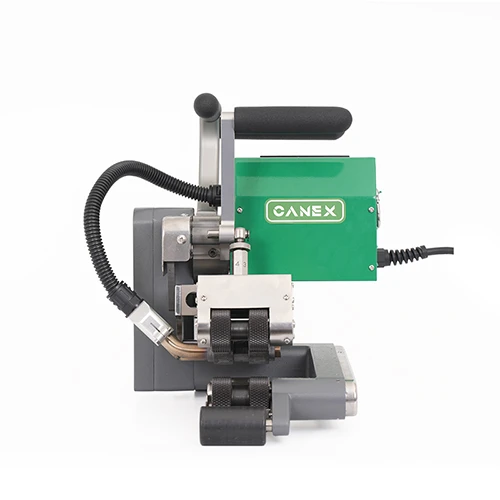
Related Video

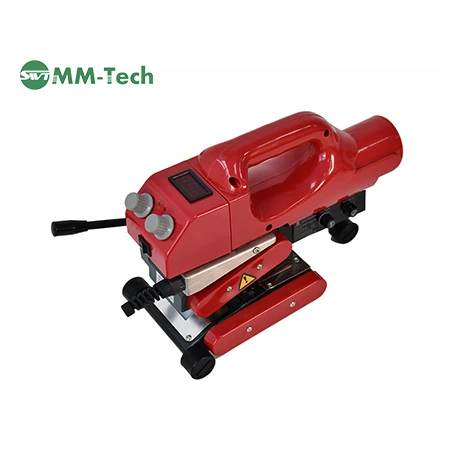

Geo Hot Wedge Welder With Digital Display SWT NS800D Operation Guide
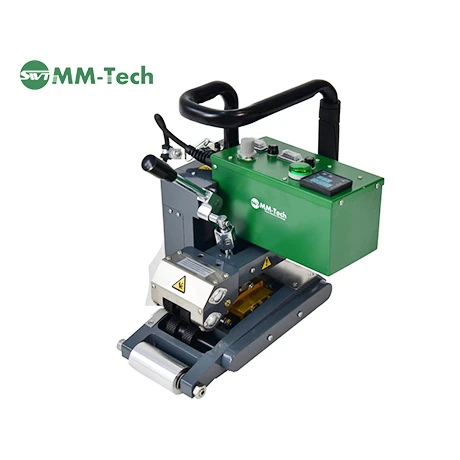
Heavy-Duty Geo Hot Wedge Welder SWT-NS900 Operation Guide
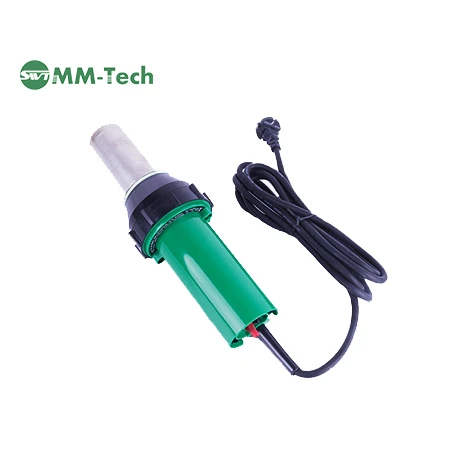
Powerful Professional Hot Air Tool SWT-NS3400A Operation Guide
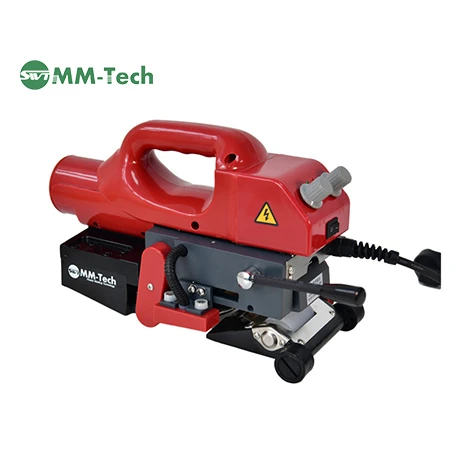
Geo Hot Wedge Welder SWT NS800 Operation Guide
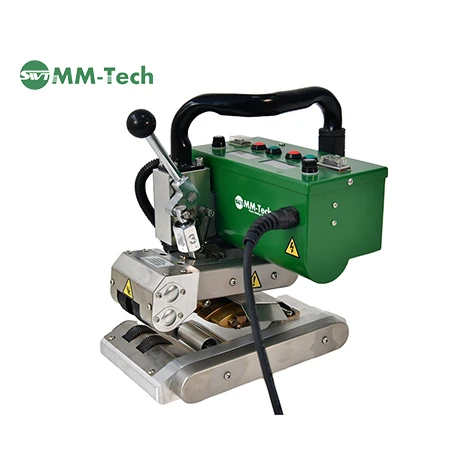
Compact HDPE Hot Wedge Welding Machine SWT-NSGM1 Operation Guide
Related News
2026-02-24 11:15:19
Comprehensive Guide to Plastic Extrusion Welding Machine Technology and Applications
Plastic extrusion welding machines are vital tools in numerous industries, facilitating the joining of thermoplastic materials with precision and efficiency. From constructing large tanks and vessels to fabricating pipelines and specialized components, these machines offer a robust and reliable solution. Understanding the different types, applications, and key features is crucial for making informed investment decisions. At MMTech Weld, we specialize in delivering high-quality plastic extrusion welding solutions tailored to diverse industrial needs. Choosing the right machine can significantly impact your production efficiency and the quality of your finished products. Plastic extrusion welding is a process where thermoplastic materials are melted and fused together using heat and pressure. The machine precisely controls the temperature, feed rate, and welding speed to create strong, leak-proof joints. These machines typically consist of a heating element, feed roller, welding shoe, and control panel. Different types of machines cater to specific applications and materials, ranging from portable units for smaller projects to automated systems for large-scale production. The key to a successful weld is ensuring consistent heat distribution and proper material compatibility.
2026-02-11 02:45:23
Comprehensive Guide to Plastic Extrusion Welding Techniques and Equipment Selection
Plastic extrusion welding is a versatile and efficient process used to join thermoplastic materials. This technique is widely employed across various industries, from automotive and construction to marine and chemical processing. At MM Tech Weld, we specialize in providing high-quality plastic extrusion welders and related solutions. This article delves into the intricacies of plastic extrusion welding, its applications, benefits, and key considerations for choosing the right equipment. Understanding this process can significantly improve your project efficiency and product quality. Plastic extrusion welding is a process where a thermoplastic welding material, typically a rod or wire, is melted and fed into the joint between two thermoplastic workpieces. The welding material is melted using a heated shoe, and as it cools, it fuses the two pieces together, creating a strong, leak-proof bond. Unlike other welding methods, extrusion welding doesn’t require the base materials to be completely melted, making it ideal for thicker sections and on-site repairs.
2026-01-30 14:55:50
Comprehensive Guide to Hand Extrusion Welder Applications and Selection
A hand extrusion welder is a portable and versatile tool used for joining thermoplastic materials. It’s a crucial piece of equipment in various industries, from plastic fabrication to pipeline repair. This article provides a comprehensive guide to hand extrusion welders, exploring their applications, benefits, key considerations when choosing one, and how MM Tech Weld delivers high-quality solutions. Understanding this technology allows professionals to optimize welding processes and achieve durable, reliable results. A hand extrusion welder operates by melting thermoplastic welding rods and extruding the molten material into the joint to be welded. The welder consists of a heating element, a feed mechanism for the welding rods, and a shoe or nozzle that guides the molten plastic.
2026-01-28 11:20:05
Comprehensive Guide to Pressure Leak Detectors for Enhanced Safety and Efficiency
In industries dealing with gases, vacuum systems, and pressurized environments, identifying leaks quickly and accurately is paramount for safety, efficiency, and cost control. A pressure leak detector is a critical tool for these applications, offering a non-destructive method to pinpoint even the smallest breaches in containment. This article will explore the different types of pressure leak detectors, their applications, advantages, and considerations for choosing the right detector for your specific needs. Efficient leak detection translates directly to minimized product loss, reduced energy consumption, and a safer working environment. Several technologies are employed in pressure leak detectors, each with its strengths and weaknesses. Some common types include: Bubble leak detectors, using a soap solution to reveal leaks as bubbles; Halogen leak detectors, sensitive to halogen-containing refrigerants; Ultrasonic leak detectors, detecting the high-frequency sound generated by escaping gas; and Mass spectrometer leak detectors (helium leak detectors), offering extremely high sensitivity by identifying helium molecules.
2026-01-27 22:55:02
Comprehensive Guide to Vacuum Leak Detection and Repair Techniques
Detecting and repairing vacuum leaks is crucial for maintaining optimal performance in various systems, from automotive engines to industrial processes. A seemingly small leak can lead to significant inefficiencies, reduced power, and even system failure. This article will provide a detailed look into understanding vacuum leaks, the tools used to find them – specifically, vacuum leak finders – troubleshooting techniques, and preventative measures. We’ll cover common causes, best practices, and how to choose the right equipment for your needs. Addressing vacuum leaks promptly can save you time, money, and potential headaches. Several methods can be used to locate vacuum leaks. The most basic involves a visual inspection of hoses, gaskets, and connections. However, many leaks are small and difficult to detect with the naked eye.
2026-01-27 19:55:20
Bullseye Leak Detector A Comprehensive Guide for Efficient Leak Detection
Maintaining the integrity of pressurized systems is critical in numerous industries, from HVAC and refrigeration to automotive and plumbing. A seemingly small leak can lead to significant inefficiencies, costly repairs, and even safety hazards. The Bullseye leak detector is a powerful tool designed to quickly and accurately pinpoint leaks in a variety of applications. This article will delve into the features, benefits, and applications of this versatile detector, ensuring you can effectively identify and address leaks before they escalate. Accurate leak detection is paramount for ensuring system efficiency and safety, and the Bullseye provides a reliable solution for professionals across various trades.
2026-01-27 18:25:14
Wegener Extrusion Welder Technology for Robust Thermoplastic Joining Solutions
When it comes to reliable and efficient solutions for joining thermoplastic materials, a Wegener Extrusion Welder stands as a leading choice. Known for its precision and durability, Wegener technology is trusted by professionals in diverse industries. This article delves into the features, applications, and benefits of Wegener Extrusion Welders, providing a thorough overview for those seeking a robust welding solution. Choosing the right equipment can significantly impact project quality and efficiency, and Wegener consistently delivers. Wegener extrusion welding utilizes a specialized machine that melts thermoplastic material and precisely extrudes it onto the joint area. This process creates a strong, homogenous weld, free from the weaknesses often associated with other joining methods. The controlled heat input minimizes distortion and stress on the materials. Unlike traditional welding techniques, it is exceptionally well-suited for large diameter pipe and complex geometries. MM Tech Weld’s Wegener machines offer unparalleled control and consistency for critical applications.
2026-01-25 02:10:06
Extrusion Welding HDPE Liner: A Guide
Learn about extrusion welding HDPE liner for industrial applications. Material specs, vendor comparison & why it’s a top choice for containment.
SUBSCRIBE NEWSLETTER
Dear customer, thank you for your attention! We provide high-quality machinery and equipment and look forward to your orders. Please inform us of your needs and we will respond quickly!






 English
  Arabic
  Bengali
  Czech
Czech  Dutch
Dutch  Finnish
  French
  German
  Hungarian
  Italian
  Japanese
  Korean
  Latin
Latin  Norwegian
  Polish
  Portuguese
  Russian
  Spanish
  Thai
Thai  Vietnamese