
-
 Email:news@peweldingmachine.com
-
 +86-137 3974 5191
-
 Add:
Add:NO.355,Youyi Street,Qiaoxi District,Shijiazhuang,Hebei,China.



Discover the Power and Precision of Digital Heat Guns for Industry and DIY

Discover the Power and Precision of Digital Heat Guns for Industry and DIY
Nov . 29, 2025 21:40
What is a Digital Heat Gun and Why It Matters Today?
If you’ve ever peeled paint, shrunk wrap, or tinkered with electronics, you might have used a heat gun—well, a digital heat gun is its smarter, more precise cousin. It packs all the traditional heat gun punch but with digital controls to dial in exact temperatures and airflow. Modern industries and even DIYers increasingly rely on these tools because they cut down guesswork, reduce waste, and safeguard sensitive materials.
Globally, using technology like this ties into bigger issues — energy efficiency, worker safety, and quality control, to name a few. Understanding how digital heat guns function and their benefits means industries worldwide can operate cleaner, smarter, and with more respect for their resources and people.
Takeaway: Digital heat guns represent the crossroads of traditional craftsmanship and digital precision — a tool that truly brings better control and efficiency to heat applications.
The Global Demand for Precision: How Digital Heat Guns Fit In
As manufacturing and repair sectors evolve worldwide, the need for accurate temperature control can't be overstated. The World Bank highlights that industrial output, especially in electronics, automotive, and construction materials, is growing steadily—with thermal processing being a key step. Traditional heat guns, frankly, can be all over the place temperature-wise, risking damage or ineffectiveness. Enter the digital heat gun, which promises repeatability and safer operation.
Moreover, international standards such as ISO 9001 advocate precision in manufacturing processes, making digital tools not just desirable but essential in many settings. From China to Germany, whether in sprawling factories or small workshops, these guns address the challenge: how to apply heat with finesse and minimal error.
Takeaway: Precision heat tools are becoming vital globally for meeting regulatory demands and maintaining product integrity.
Breaking It Down: What Exactly Is a Digital Heat Gun?
Simply put, a digital heat gun is an electric device that blows heated air, but with electronically controlled temperature settings and digital displays. Unlike basic heat guns where you guess the heat level, these have sensors feeding back to a microprocessor that regulates the heat element instantly.
This technology makes them indispensable in various environments—from delicate electronics soldering to stripping paint without scorching surfaces. Humanitarian efforts, like repairing communications equipment in remote areas, also benefit; they need reliable, precise tools to fix essential gear quickly.
Core Features That Define Digital Heat Guns
1. Precision Temperature Control
With digital settings, users pick exact temperatures, often ranging from 50°C to 650°C (122°F to 1200°F). This precision prevents damage when working on temperature-sensitive materials.
2. Adjustable Airflow
Digital fans allow modulation of airspeed, making sure you don't blast heat too aggressively—important for finer jobs or fragile components.
3. Ergonomic and Safe Design
Manufacturers increasingly use heat-resistant housings and integrated cooling to keep users safe, plus some offer thermal cut-offs to prevent overheating.
4. Energy Efficiency
Thanks to better heating element control and insulation, digital heat guns often consume less power than older models, making them greener for long work sessions.
5. Durability and Portability
Many come in rugged casings, designed for workshop floors or fieldwork, including battery-powered versions allowing on-site flexibility.
Takeaway: Digital heat guns fuse advanced control with practical design to handle diverse tasks reliably and safely.
Global Applications: Where Digital Heat Guns Make a Difference
- Electronics Manufacturing: For soldering and heat shrinking components with microscopic precision.
- Automotive Repair: Removing paint, decals, or heat-treating plastics without cracking.
- Construction and Renovation: Stripping old paint, drying materials, or bending plastics.
- Post-Disaster Relief: Quick fixes on wiring or equipment in remote zones where delicate electronics matter.
- DIY and Craftwork: Hobbyists love the control for custom jobs, from model making to jewelry design.
For example, in Southeast Asia’s booming electronics assembly hubs, the ability to adjust heat precisely translates to fewer flawed circuit boards and less material waste. The peace of mind when tasks require exact heat levels means a lot, really.
Takeaway: From factories in Germany to field teams in Africa, digital heat guns serve diverse industries with tailored heat delivery.
Advantages and Long-Term Benefits of Using a Digital Heat Gun
- Cost Efficiency: Reduced material damage means fewer costly mistakes.
- Sustainability: Lower energy use and less waste align with environmental goals.
- Safety: Precise temperatures cut down burn risks for workers.
- Innovation: Digital controls enable new techniques that weren’t possible before.
- Reliability: Consistency in output boosts product quality and customer trust.
On a personal note, many engineers I’ve talked to swear by these digital devices. It’s not just convenience — it's confidence that their work won’t be ruined by overheating or uneven heat.
What the Future Holds for Digital Heat Guns
Innovation isn’t slowing down. Expect to see more integration with IoT technology — heat guns that log usage data, can be remotely controlled, or adjust automatically based on materials detected via AI. Green energy is another angle; solar-powered or ultra low-power models might soon become common.
Materials science also plays a role: more heat-resistant composites in heat gun nozzles and lighter, more durable housings improve user comfort across extended jobs.
Facing Challenges and Emerging Solutions
Despite advantages, digital heat guns have some hurdles:
- Cost: They tend to cost more upfront than analog models.
- Complexity: New users can be overwhelmed by settings and displays.
- Maintenance: Sensors and electronics require care.
Industry tips include thorough user training, choosing models with intuitive UI, and regular calibration checks. Some vendors offer modular designs to simplify repairs.
Product Specification Table: Sample Digital Heat Gun Model
| Feature | Specification |
|---|---|
| Temperature Range | 50°C – 650°C (122°F – 1200°F) |
| Airflow | 120 – 500 L/min adjustable |
| Display | Digital LCD with temperature readout |
| Power Source | 110-240V AC / Battery option |
| Weight | 650g (1.43 lbs) |
| Safety Features | Thermal cut-off, insulated handle |
Vendor Comparison: Market Leaders in Digital Heat Guns
| Brand | Price Range | Unique Selling Point | Warranty |
|---|---|---|---|
| HeatPro | $80 – $120 | Highly accurate, quick heat up | 2 years |
| ThermoSmart | $100 – $150 | Ergonomic with IoT connectivity | 3 years |
| FlexiHeat | $70 – $110 | Battery powered, lightweight | 1 year |
Frequently Asked Questions About Digital Heat Guns
Q1: How do I choose the right digital heat gun temperature for my project?
A: Start by identifying the material you are working with and its heat tolerance. Most digital heat guns offer presets or manual control to match those needs. For example, when shrinking plastic tubing, 120°C–150°C might suffice, while paint stripping often requires 350°C+. Always start low and increase the temperature gradually.
Q2: Can digital heat guns be used safely outdoors?
A: Yes, but keep them away from rain or wet surfaces. Battery-operated versions add flexibility for outdoor jobs. Also, watch wind conditions as they may interfere with precise heat application.
Q3: What maintenance is required for a digital heat gun?
A: Regularly clean the nozzle from debris, inspect power cords for damage, and ensure vents are clear. Calibration every 1–2 years keeps temperature readings accurate. Follow the manufacturer's manual for specific guidelines.
Q4: Are digital heat guns environmentally friendly?
A: Relatively yes. Because they provide controlled heat and reduce overheating, they consume less energy over time. Lower wasted materials also mean fewer environmental impacts. Choosing energy-efficient models supports greener practices.
Q5: What safety features should I look for?
A: Look for features like thermal cut-off switches, insulated handles, stable nozzles, and overheat warnings. Some models have automatic shutdown when not in use, enhancing safety in busy workshops.
Wrapping It Up: Why Digital Heat Guns Are Here to Stay
Overall, digital heat guns bring a smart, reliable, and versatile upgrade to traditional heat tools, especially as industries push for more precision, safety, and efficiency. Their impact spans everything from manufacturing to humanitarian aid, proving they’re not just fancy gadgets but tools that genuinely improve work and outcomes.
Thinking about upgrading your toolkit? Check out a selection of top-rated digital heat guns at digital heat gun and choose one that fits your workflow and budget.
In the end, investing in smarter heat tools is a small change with big ripple effects—better products, safer work, and less waste. Not bad, right?
References

Related Products
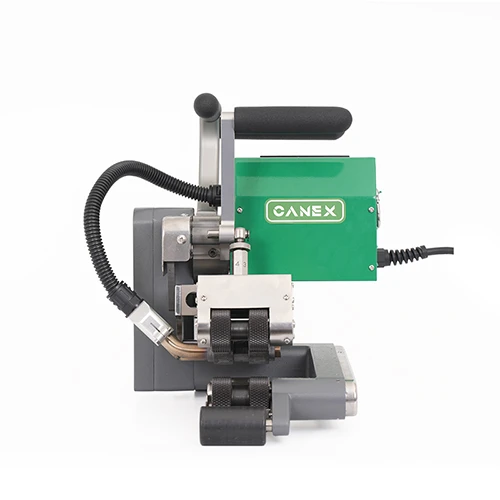
Related Video

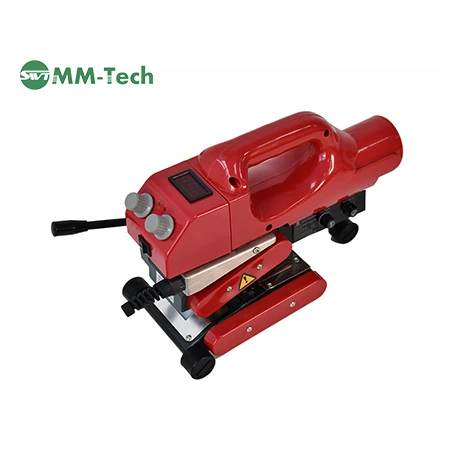

Geo Hot Wedge Welder With Digital Display SWT NS800D Operation Guide
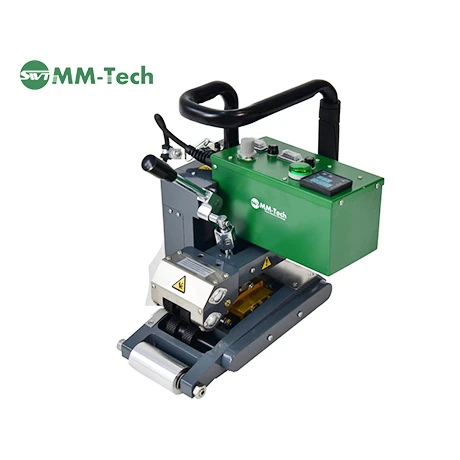
Heavy-Duty Geo Hot Wedge Welder SWT-NS900 Operation Guide
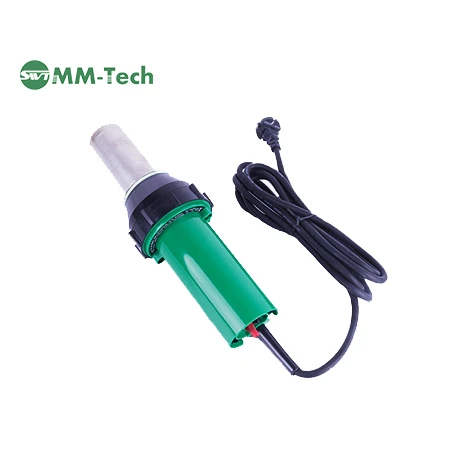
Powerful Professional Hot Air Tool SWT-NS3400A Operation Guide
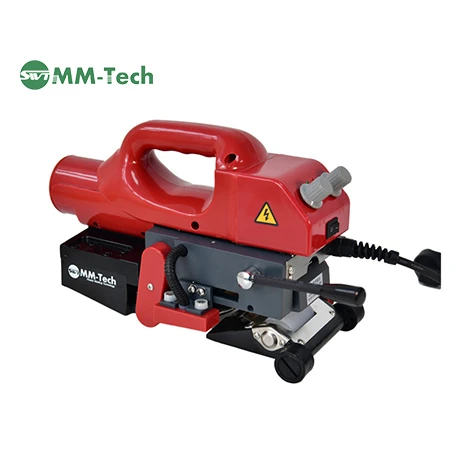
Geo Hot Wedge Welder SWT NS800 Operation Guide
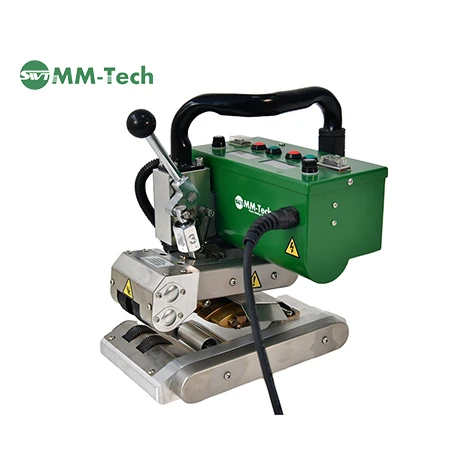
Compact HDPE Hot Wedge Welding Machine SWT-NSGM1 Operation Guide
Related News
2026-02-24 11:15:19
Comprehensive Guide to Plastic Extrusion Welding Machine Technology and Applications
Plastic extrusion welding machines are vital tools in numerous industries, facilitating the joining of thermoplastic materials with precision and efficiency. From constructing large tanks and vessels to fabricating pipelines and specialized components, these machines offer a robust and reliable solution. Understanding the different types, applications, and key features is crucial for making informed investment decisions. At MMTech Weld, we specialize in delivering high-quality plastic extrusion welding solutions tailored to diverse industrial needs. Choosing the right machine can significantly impact your production efficiency and the quality of your finished products. Plastic extrusion welding is a process where thermoplastic materials are melted and fused together using heat and pressure. The machine precisely controls the temperature, feed rate, and welding speed to create strong, leak-proof joints. These machines typically consist of a heating element, feed roller, welding shoe, and control panel. Different types of machines cater to specific applications and materials, ranging from portable units for smaller projects to automated systems for large-scale production. The key to a successful weld is ensuring consistent heat distribution and proper material compatibility.
2026-02-11 02:45:23
Comprehensive Guide to Plastic Extrusion Welding Techniques and Equipment Selection
Plastic extrusion welding is a versatile and efficient process used to join thermoplastic materials. This technique is widely employed across various industries, from automotive and construction to marine and chemical processing. At MM Tech Weld, we specialize in providing high-quality plastic extrusion welders and related solutions. This article delves into the intricacies of plastic extrusion welding, its applications, benefits, and key considerations for choosing the right equipment. Understanding this process can significantly improve your project efficiency and product quality. Plastic extrusion welding is a process where a thermoplastic welding material, typically a rod or wire, is melted and fed into the joint between two thermoplastic workpieces. The welding material is melted using a heated shoe, and as it cools, it fuses the two pieces together, creating a strong, leak-proof bond. Unlike other welding methods, extrusion welding doesn’t require the base materials to be completely melted, making it ideal for thicker sections and on-site repairs.
2026-01-30 14:55:50
Comprehensive Guide to Hand Extrusion Welder Applications and Selection
A hand extrusion welder is a portable and versatile tool used for joining thermoplastic materials. It’s a crucial piece of equipment in various industries, from plastic fabrication to pipeline repair. This article provides a comprehensive guide to hand extrusion welders, exploring their applications, benefits, key considerations when choosing one, and how MM Tech Weld delivers high-quality solutions. Understanding this technology allows professionals to optimize welding processes and achieve durable, reliable results. A hand extrusion welder operates by melting thermoplastic welding rods and extruding the molten material into the joint to be welded. The welder consists of a heating element, a feed mechanism for the welding rods, and a shoe or nozzle that guides the molten plastic.
2026-01-28 11:20:05
Comprehensive Guide to Pressure Leak Detectors for Enhanced Safety and Efficiency
In industries dealing with gases, vacuum systems, and pressurized environments, identifying leaks quickly and accurately is paramount for safety, efficiency, and cost control. A pressure leak detector is a critical tool for these applications, offering a non-destructive method to pinpoint even the smallest breaches in containment. This article will explore the different types of pressure leak detectors, their applications, advantages, and considerations for choosing the right detector for your specific needs. Efficient leak detection translates directly to minimized product loss, reduced energy consumption, and a safer working environment. Several technologies are employed in pressure leak detectors, each with its strengths and weaknesses. Some common types include: Bubble leak detectors, using a soap solution to reveal leaks as bubbles; Halogen leak detectors, sensitive to halogen-containing refrigerants; Ultrasonic leak detectors, detecting the high-frequency sound generated by escaping gas; and Mass spectrometer leak detectors (helium leak detectors), offering extremely high sensitivity by identifying helium molecules.
2026-01-27 22:55:02
Comprehensive Guide to Vacuum Leak Detection and Repair Techniques
Detecting and repairing vacuum leaks is crucial for maintaining optimal performance in various systems, from automotive engines to industrial processes. A seemingly small leak can lead to significant inefficiencies, reduced power, and even system failure. This article will provide a detailed look into understanding vacuum leaks, the tools used to find them – specifically, vacuum leak finders – troubleshooting techniques, and preventative measures. We’ll cover common causes, best practices, and how to choose the right equipment for your needs. Addressing vacuum leaks promptly can save you time, money, and potential headaches. Several methods can be used to locate vacuum leaks. The most basic involves a visual inspection of hoses, gaskets, and connections. However, many leaks are small and difficult to detect with the naked eye.
2026-01-27 19:55:20
Bullseye Leak Detector A Comprehensive Guide for Efficient Leak Detection
Maintaining the integrity of pressurized systems is critical in numerous industries, from HVAC and refrigeration to automotive and plumbing. A seemingly small leak can lead to significant inefficiencies, costly repairs, and even safety hazards. The Bullseye leak detector is a powerful tool designed to quickly and accurately pinpoint leaks in a variety of applications. This article will delve into the features, benefits, and applications of this versatile detector, ensuring you can effectively identify and address leaks before they escalate. Accurate leak detection is paramount for ensuring system efficiency and safety, and the Bullseye provides a reliable solution for professionals across various trades.
2026-01-27 18:25:14
Wegener Extrusion Welder Technology for Robust Thermoplastic Joining Solutions
When it comes to reliable and efficient solutions for joining thermoplastic materials, a Wegener Extrusion Welder stands as a leading choice. Known for its precision and durability, Wegener technology is trusted by professionals in diverse industries. This article delves into the features, applications, and benefits of Wegener Extrusion Welders, providing a thorough overview for those seeking a robust welding solution. Choosing the right equipment can significantly impact project quality and efficiency, and Wegener consistently delivers. Wegener extrusion welding utilizes a specialized machine that melts thermoplastic material and precisely extrudes it onto the joint area. This process creates a strong, homogenous weld, free from the weaknesses often associated with other joining methods. The controlled heat input minimizes distortion and stress on the materials. Unlike traditional welding techniques, it is exceptionally well-suited for large diameter pipe and complex geometries. MM Tech Weld’s Wegener machines offer unparalleled control and consistency for critical applications.
2026-01-25 02:10:06
Extrusion Welding HDPE Liner: A Guide
Learn about extrusion welding HDPE liner for industrial applications. Material specs, vendor comparison & why it’s a top choice for containment.
SUBSCRIBE NEWSLETTER
Dear customer, thank you for your attention! We provide high-quality machinery and equipment and look forward to your orders. Please inform us of your needs and we will respond quickly!






 English
  Arabic
  Bengali
  Czech
Czech  Dutch
Dutch  Finnish
  French
  German
  Hungarian
  Italian
  Japanese
  Korean
  Latin
Latin  Norwegian
  Polish
  Portuguese
  Russian
  Spanish
  Thai
Thai  Vietnamese