
-
 Email:news@peweldingmachine.com
-
 +86-137 3974 5191
-
 Add:
Add:NO.355,Youyi Street,Qiaoxi District,Shijiazhuang,Hebei,China.



Inline Spark Tester: Essential Industry Safety & Quality Assurance Tool

Inline Spark Tester: Essential Industry Safety & Quality Assurance Tool
Dec . 03, 2025 14:46
Understanding the Inline Spark Tester: A Crucial Tool in Quality Control
If you've ever wondered how manufacturers ensure product safety from fiery defects or prevent sparks that could cause disasters, then the concept of an inline spark tester probably deserves your attention. Globally, industries rely heavily on this tool to maintain quality assurance, mitigate fire hazards, and uphold operational efficiency. From manufacturing plants to aerospace sectors, understanding how inline spark testers function and their benefits is not just technical trivia—it’s a crucial aspect of modern industrial safety and product reliability.
Global Context: Why Inline Spark Testers Matter
According to the International Labour Organization (ILO), unsafe industrial environments contribute significantly to workplace accidents worldwide. Sparks igniting flammable materials are often the hidden culprits behind many such incidents. The global push for safer workplaces and stricter quality standards (driven partly by ISO 9001 and ISO 45001 certifications) means inline spark testers are more than just a tool — they’re becoming industry essentials. Industries spanning from cable manufacturing to textile plants and even food packaging facilities leverage these testers to catch tiny sparks in production lines before things spiral out of control.
Frankly, with industrial automation on the rise, inline spark testers are gaining momentum as part of an integrated safety protocol. They help reduce costly downtimes, regulatory fines, and, most importantly, prevent accidents, which saves lives and reputations alike.
What Is an Inline Spark Tester?
Simply put, an inline spark tester is a device installed directly in production lines that detects sparks or electrical discharges in real-time. Unlike manual spot-check devices, inline spark testers continuously monitor products—like wires, cables, or fiber optic components—as they come through machinery. This continuous monitoring feature helps operators quickly identify defects such as insulation breaks or faulty conductors that emit sparks, facilitating proactive removal before packaging and shipping.
In modern industries, especially those where electrical safety is paramount, the inline spark tester bridges a critical gap between manufacturing quality and customer safety. Oddly enough, it’s also increasingly used in humanitarian tech scenarios, such as verifying wiring integrity in off-grid solar kits destined for remote villages—where safety simply can’t be compromised.
Key Components and Features of Inline Spark Testers
1. Sensitivity & Detection Accuracy
One of the fundamental aspects is how finely the tester detects micro-sparks or electrical leakage. Higher sensitivity reduces false negatives, which could otherwise allow defective products to pass.
2. Inline Integration Capability
Because it operates within continuous production lines, the tester’s design must be compact and compatible with existing manufacturing speeds. The easier it is to integrate inline, the less disruption it causes.
3. Real-Time Monitoring & Alerts
Modern inline spark testers often feature digital interfaces, logging, and real-time alerts. This tech enables operators to react instantly, optimizing productivity and safety.
4. Durability & Environmental Resistance
Industrial lines aren’t the gentlest environments—tester units must withstand dust, vibration, temperature fluctuations, and sometimes moisture.
5. Calibration & Maintenance
Ease of calibration ensures sustained accuracy without prolonged downtimes. Simple maintenance reduces costs and improves reliability over long-term deployments.
Product Specification Snapshot: Typical Inline Spark Tester Model
| Specification | Details |
|---|---|
| Detection Voltage | Up to 6000V |
| Sensitivity | 0.1 µA leakage current |
| Operating Speed | Max 300 m/min |
| Output Interface | Digital LCD + Analog Signal |
| Dimensions | 420 x 200 x 150 mm |
| Weight | 4.2 kg |
Global Applications & Use Cases
Inline spark testers find their utility across various continents and sectors:
- Electrical Cable Manufacturing: In Asia and Europe, stringent electrical safety laws demand continuous spark detection to prevent faulty cables shipped globally.
- Automotive Industry: Inline testers are embedded in assembly lines to monitor wiring harnesses for new vehicles, especially in Germany and the US.
- Renewable Energy Equipment: Testing solar panel cables and wind turbine wiring in remote areas like Sub-Saharan Africa ensures safe household electrification.
- Textile Industry: Synthetic fibers processed with high voltage pose spark risks; industries in South America apply these testers to prevent fires.
In post-disaster recovery zones, such as after hurricanes in the Caribbean, portable versions of inline spark testers are used to verify the safety of emergency power cables before deployment—which is frankly life-saving.
Vendor Comparison for Popular Inline Spark Testers
| Feature | Vendor A | Vendor B | Vendor C |
|---|---|---|---|
| Max Speed (m/min) | 250 | 300 | 270 |
| Detection Sensitivity (µA) | 0.2 | 0.1 | 0.15 |
| Interface | LCD + Buttons | Touchscreen + Software | LED Display + Analog Output |
| Price Range | $4,200 - $5,000 | $5,500 - $6,200 | $3,900 - $4,500 |
| Warranty | 2 Years | 3 Years | 1 Year |
Advantages & Long-Term Value
What really stands out about inline spark testers is not just their ability to catch defects but how they impact safety culture and operational budgets. They reduce the risk of catastrophic fires and costly recalls. They bolster customer trust by certifying products that are electrically sound.
Also, the green aspect is compelling—preventing product failures lowers waste and minimizes resource consumption. On an emotional level, industries using these testers say it feels reassuring to know that workers and end consumers are protected by the tech silently working behind the scenes.
Emerging Trends & Innovations
The next wave of inline spark testers is embracing digital transformation. IoT-enabled devices communicate defects upstream to factory management software, enabling predictive maintenance cycles.
Materials-wise, testers are becoming more compact and energy-efficient, aligned with sustainability goals. Researchers are exploring AI algorithms for better defect recognition, even distinguishing between harmless static discharges and dangerous sparks.
Challenges & Practical Solutions
Of course, no technology is flawless. Inline spark testers sometimes face issues with false alarms caused by noisy electrical environments. Calibration drift over time can challenge accuracy. But experts suggest combining tester readings with visual inspections and leveraging automated software filtering to reduce errors.
FAQ About Inline Spark Testers
- Q: How quickly can an inline spark tester be installed in an existing production line?
A: Most models are designed for quick integration, often requiring less than a day for installation and calibration—though complex lines might take longer. Partnering with vendors ensures smoother setup. - Q: Can inline spark testers handle different cable sizes or types?
A: Yes, many testers offer adjustable settings or interchangeable probes to accommodate various cable diameters and materials, making them versatile across industries. - Q: What maintenance does an inline spark tester typically need?
A: Routine calibration checks every 6–12 months and occasional cleaning of sensor components are standard. Some modern devices provide calibration alerts to simplify upkeep. - Q: Are inline spark testers compatible with automation systems?
A: Most advanced testers support data output protocols like Modbus or Ethernet, enabling seamless integration with factory automation and monitoring systems.
Conclusion & Next Steps
To sum it up, the inline spark tester is more than just a sensor; it’s an indispensable guardian of industrial safety and product integrity in a fast-moving world. The blend of accuracy, continuous monitoring, and adaptability ensures it will remain pivotal for years to come.
If you want to explore inline spark tester solutions tailored for your business, don’t hesitate to visit our website. Whether you're upgrading a cable manufacturing line or ensuring safety compliance in emergent industries, the right tester makes all the difference.
Mini takeaway: Investing in inline spark testing technology is a pragmatic step towards safer factories, better products, and ultimately, peace of mind.
References

Related Products
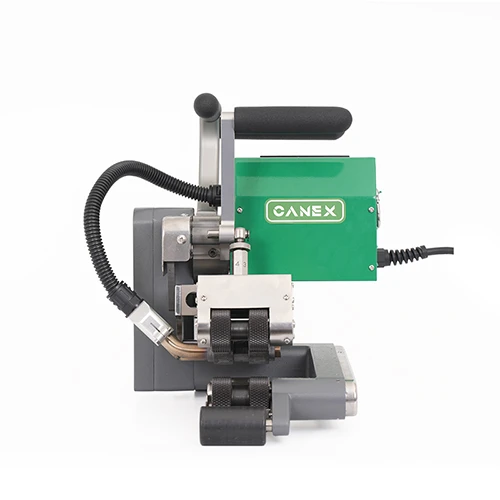
Related Video

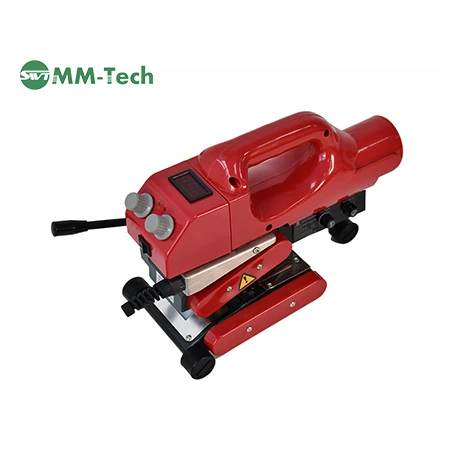

Geo Hot Wedge Welder With Digital Display SWT NS800D Operation Guide
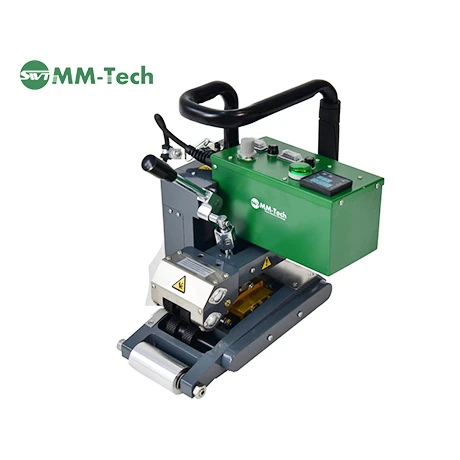
Heavy-Duty Geo Hot Wedge Welder SWT-NS900 Operation Guide
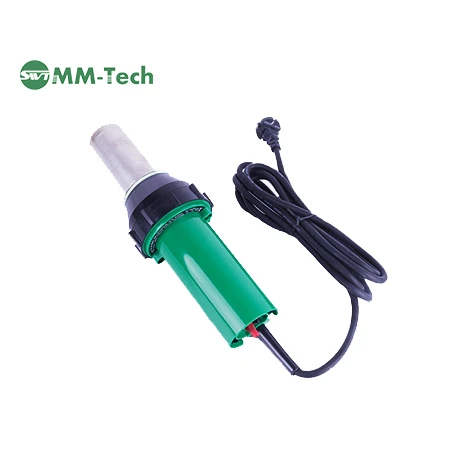
Powerful Professional Hot Air Tool SWT-NS3400A Operation Guide
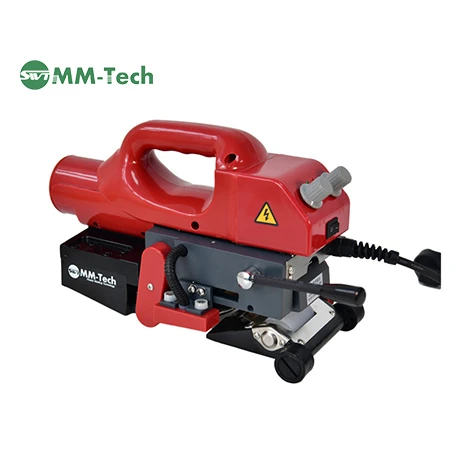
Geo Hot Wedge Welder SWT NS800 Operation Guide
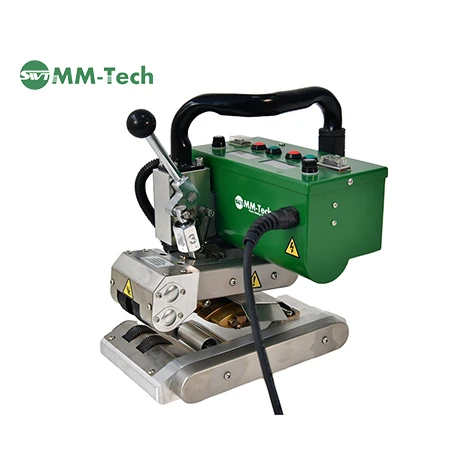
Compact HDPE Hot Wedge Welding Machine SWT-NSGM1 Operation Guide
Related News
2026-02-24 11:15:19
Comprehensive Guide to Plastic Extrusion Welding Machine Technology and Applications
Plastic extrusion welding machines are vital tools in numerous industries, facilitating the joining of thermoplastic materials with precision and efficiency. From constructing large tanks and vessels to fabricating pipelines and specialized components, these machines offer a robust and reliable solution. Understanding the different types, applications, and key features is crucial for making informed investment decisions. At MMTech Weld, we specialize in delivering high-quality plastic extrusion welding solutions tailored to diverse industrial needs. Choosing the right machine can significantly impact your production efficiency and the quality of your finished products. Plastic extrusion welding is a process where thermoplastic materials are melted and fused together using heat and pressure. The machine precisely controls the temperature, feed rate, and welding speed to create strong, leak-proof joints. These machines typically consist of a heating element, feed roller, welding shoe, and control panel. Different types of machines cater to specific applications and materials, ranging from portable units for smaller projects to automated systems for large-scale production. The key to a successful weld is ensuring consistent heat distribution and proper material compatibility.
2026-02-11 02:45:23
Comprehensive Guide to Plastic Extrusion Welding Techniques and Equipment Selection
Plastic extrusion welding is a versatile and efficient process used to join thermoplastic materials. This technique is widely employed across various industries, from automotive and construction to marine and chemical processing. At MM Tech Weld, we specialize in providing high-quality plastic extrusion welders and related solutions. This article delves into the intricacies of plastic extrusion welding, its applications, benefits, and key considerations for choosing the right equipment. Understanding this process can significantly improve your project efficiency and product quality. Plastic extrusion welding is a process where a thermoplastic welding material, typically a rod or wire, is melted and fed into the joint between two thermoplastic workpieces. The welding material is melted using a heated shoe, and as it cools, it fuses the two pieces together, creating a strong, leak-proof bond. Unlike other welding methods, extrusion welding doesn’t require the base materials to be completely melted, making it ideal for thicker sections and on-site repairs.
2026-01-30 14:55:50
Comprehensive Guide to Hand Extrusion Welder Applications and Selection
A hand extrusion welder is a portable and versatile tool used for joining thermoplastic materials. It’s a crucial piece of equipment in various industries, from plastic fabrication to pipeline repair. This article provides a comprehensive guide to hand extrusion welders, exploring their applications, benefits, key considerations when choosing one, and how MM Tech Weld delivers high-quality solutions. Understanding this technology allows professionals to optimize welding processes and achieve durable, reliable results. A hand extrusion welder operates by melting thermoplastic welding rods and extruding the molten material into the joint to be welded. The welder consists of a heating element, a feed mechanism for the welding rods, and a shoe or nozzle that guides the molten plastic.
2026-01-28 11:20:05
Comprehensive Guide to Pressure Leak Detectors for Enhanced Safety and Efficiency
In industries dealing with gases, vacuum systems, and pressurized environments, identifying leaks quickly and accurately is paramount for safety, efficiency, and cost control. A pressure leak detector is a critical tool for these applications, offering a non-destructive method to pinpoint even the smallest breaches in containment. This article will explore the different types of pressure leak detectors, their applications, advantages, and considerations for choosing the right detector for your specific needs. Efficient leak detection translates directly to minimized product loss, reduced energy consumption, and a safer working environment. Several technologies are employed in pressure leak detectors, each with its strengths and weaknesses. Some common types include: Bubble leak detectors, using a soap solution to reveal leaks as bubbles; Halogen leak detectors, sensitive to halogen-containing refrigerants; Ultrasonic leak detectors, detecting the high-frequency sound generated by escaping gas; and Mass spectrometer leak detectors (helium leak detectors), offering extremely high sensitivity by identifying helium molecules.
2026-01-27 22:55:02
Comprehensive Guide to Vacuum Leak Detection and Repair Techniques
Detecting and repairing vacuum leaks is crucial for maintaining optimal performance in various systems, from automotive engines to industrial processes. A seemingly small leak can lead to significant inefficiencies, reduced power, and even system failure. This article will provide a detailed look into understanding vacuum leaks, the tools used to find them – specifically, vacuum leak finders – troubleshooting techniques, and preventative measures. We’ll cover common causes, best practices, and how to choose the right equipment for your needs. Addressing vacuum leaks promptly can save you time, money, and potential headaches. Several methods can be used to locate vacuum leaks. The most basic involves a visual inspection of hoses, gaskets, and connections. However, many leaks are small and difficult to detect with the naked eye.
2026-01-27 19:55:20
Bullseye Leak Detector A Comprehensive Guide for Efficient Leak Detection
Maintaining the integrity of pressurized systems is critical in numerous industries, from HVAC and refrigeration to automotive and plumbing. A seemingly small leak can lead to significant inefficiencies, costly repairs, and even safety hazards. The Bullseye leak detector is a powerful tool designed to quickly and accurately pinpoint leaks in a variety of applications. This article will delve into the features, benefits, and applications of this versatile detector, ensuring you can effectively identify and address leaks before they escalate. Accurate leak detection is paramount for ensuring system efficiency and safety, and the Bullseye provides a reliable solution for professionals across various trades.
2026-01-27 18:25:14
Wegener Extrusion Welder Technology for Robust Thermoplastic Joining Solutions
When it comes to reliable and efficient solutions for joining thermoplastic materials, a Wegener Extrusion Welder stands as a leading choice. Known for its precision and durability, Wegener technology is trusted by professionals in diverse industries. This article delves into the features, applications, and benefits of Wegener Extrusion Welders, providing a thorough overview for those seeking a robust welding solution. Choosing the right equipment can significantly impact project quality and efficiency, and Wegener consistently delivers. Wegener extrusion welding utilizes a specialized machine that melts thermoplastic material and precisely extrudes it onto the joint area. This process creates a strong, homogenous weld, free from the weaknesses often associated with other joining methods. The controlled heat input minimizes distortion and stress on the materials. Unlike traditional welding techniques, it is exceptionally well-suited for large diameter pipe and complex geometries. MM Tech Weld’s Wegener machines offer unparalleled control and consistency for critical applications.
2026-01-25 02:10:06
Extrusion Welding HDPE Liner: A Guide
Learn about extrusion welding HDPE liner for industrial applications. Material specs, vendor comparison & why it’s a top choice for containment.
SUBSCRIBE NEWSLETTER
Dear customer, thank you for your attention! We provide high-quality machinery and equipment and look forward to your orders. Please inform us of your needs and we will respond quickly!






 English
  Arabic
  Bengali
  Czech
Czech  Dutch
Dutch  Finnish
  French
  German
  Hungarian
  Italian
  Japanese
  Korean
  Latin
Latin  Norwegian
  Polish
  Portuguese
  Russian
  Spanish
  Thai
Thai  Vietnamese