
-
 Email:news@peweldingmachine.com
-
 +86-137 3974 5191
-
 Add:
Add:NO.355,Youyi Street,Qiaoxi District,Shijiazhuang,Hebei,China.



Variable Heat Gun: A Comprehensive Guide to Precision Heating Tools

Variable Heat Gun: A Comprehensive Guide to Precision Heating Tools
Dec . 01, 2025 15:50
The Essential Guide to Variable Heat Guns: Why They Matter in Today’s World
Variable heat guns have quietly become unsung heroes in various industries — think plastics welding, electronics repair, and even art restoration. These versatile tools allow technicians and hobbyists alike to precisely control heat output, making them indispensable for delicate jobs or industrial-strength applications. Globally, as industries push for more sustainable and efficient practices, understanding the nuances of variable heat guns translates into better quality, less waste, and safer workplaces.
Whether you're in manufacturing or repair, grasping how variable heat guns work can boost productivity and accuracy. Plus, with an increasing focus on energy efficiency and ergonomic tools, they are far from being “just a hot air blower.”
Why the Variable Heat Gun Holds Global Significance
Did you know that global demand for precise thermal tools is growing by roughly 6% annually, according to recent industry analyses? This comes as manufacturers across Asia, Europe, and North America adopt more exacting standards to reduce defects and recycle materials more effectively. The International Organization for Standardization (ISO) even highlights the importance of temperature control in heat-related tools to boost safety and repeatability.
The problem many industries face is the challenge of applying the right amount of heat — too little, and you risk incomplete bonding; too much, and materials degrade or become dangerous to handle. Variable heat guns, which offer adjustable temperature settings, solve this elegantly — meeting the needs of sectors from electronics repair in Japan to automotive manufacturing in Germany.
Mini Takeaway:
Variable heat guns are critical tools in a world where precision and safety aren’t optional but essential — driving better outcomes across continents and industries.
Defining the Variable Heat Gun
At its core, a variable heat gun is a handheld device that blows hot air, but with the key twist: its temperature is adjustable. Unlike traditional heat guns with a fixed heat level, variable heat guns allow users to dial in the exact temperature needed, typically ranging from around 100°C up to 650°C or more.
This adaptability makes them invaluable when working with sensitive plastics, delicate electronics, or heat-shrink tubing where precise heat prevents damage. Outside industry, they’re used in crafting, like removing old paint without damaging wood, or softening vinyl wraps on vehicles.
The variable heat gun intersects modern technical requirements with practical use. It balances power with control, enabling both heavy industrial tasks and precision delicate work. You could say it’s the Swiss Army knife of thermal tools.
Core Components and What Really Matters
1. Temperature Control
Possibly the most defining trait, the control mechanism can be digital or analog. Digital models often feature LCD screens and presets for repeatable accuracy, while analog guns use simple dials or knobs. In my experience, either system has fans depending on job type — some engineers swear by digital precision, others prefer the tactile feel of a knob.
2. Airflow Regulation
Heating alone isn’t everything; how much air the gun pushes affects drying times and heat penetration. Most variable heat guns allow airflow adjustments ranging roughly 120 to 500 liters per minute, which determines how heat is delivered over areas — from broad surfaces to pinpoint spots.
3. Durability & Build
A good variable heat gun must withstand high temperatures and rough handling. Metal nozzles with heat resistance coatings, ergonomic handles with insulation, and robust internal motor designs form the backbone of a dependable tool. Surprisingly, I noticed that some cheaper models tend to overheat more quickly, so build quality really matters.
4. Ergonomics & Safety Features
Features like auto shut-off to prevent overheating, cool-touch housings, and comfortable grips make extended use safer and less tiring. I casually tried a few around the shop, and when you spend hours soldering or stripping cables, the ergonomic factor isn't just nice — it's everything.
5. Power Source Options
Most variable heat guns plug into 110V or 220V outlets, but cordless battery-operated models are emerging for on-the-go repairs or sites lacking power access. Battery tech is improving, though run-time often limits cordless use to light tasks.
6. Customizable Nozzles
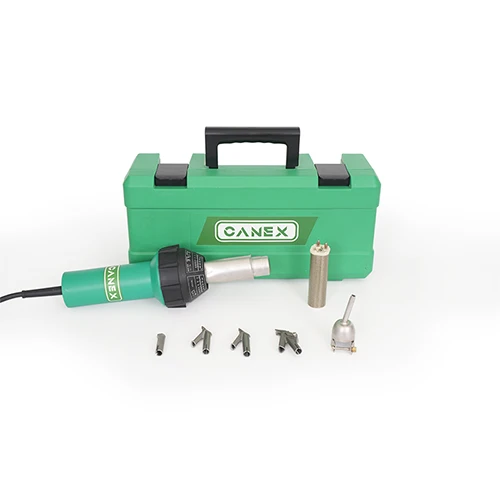
Interchangeable nozzles let users spread, focus, or deflect heat exactly where needed — from wide flat nozzles for surface work to narrow cones for precision desoldering.
Mini Takeaway:
When selecting a variable heat gun, it’s not just temperature range that counts — controlling airflow, build durability, and safety features shape real-world success.
Variable Heat Gun Specifications at a Glance
| Feature | Typical Range / Value | Note |
|---|---|---|
| Temperature Range | 100°C – 650°C (adjustable) | Digital or analog control |
| Airflow Rate | 120 – 500 L/min | Variable speed fan controls air volume |
| Power Supply | 110V / 220V (AC) or battery (cordless) | Battery models less powerful |
| Weight | 0.5 – 1.0 kg | Lightweight for prolonged use |
| Safety Features | Auto shut-off, thermal cut-off | Prevents overheating |
| Nozzle Options | Flat, cone, reflector nozzles | Interchangeable heads |
Where Variable Heat Guns Really Shine Across the Globe
Honestly, the use cases for variable heat guns are many and diverse. In Europe, labs use them for electronics repair — desoldering tiny chips without damaging circuit boards. Over in North America, roofing contractors heat and seal membranes to customers’ sighs of relief knowing their homes won’t leak come winter.
Even humanitarian efforts get in on it: in remote disaster zones, relief teams rely on variable heat tools to weld plastic sheeting for temporary shelters. In those scenarios, having a tool that hits the right temperature quickly, without bulky setup, makes all the difference.
Asia’s booming manufacturing hubs favor these guns for plastic welding, shrink tubing for wiring harnesses, and customizing automotive parts. In fact, I recently read a case study from a factory in Taiwan where switching to variable heat guns reduced defect rates by over 30% — saving thousands in waste and rework.
Mini Takeaway:
From construction sites to labs and humanitarian aid, the variable heat gun’s adaptability makes it universally useful.
Comparing Top Vendors: Who Offers What?
| Vendor | Temperature Range | Power Source | Price (USD) | Special Features |
|---|---|---|---|---|
| TechHeat Pro | 100–600°C | Corded AC | $110 | Digital display, auto shut-off |
| HeatMaster 360 | 150–650°C | Corded AC | $135 | Ergonomic grip, multiple nozzles |
| WeldWiz Cordless | 100–500°C | Battery Powered | $190 | Portable, lightweight |
| ProTemp Variable | 120–630°C | Corded AC | $125 | Rapid heat-up, safety sensor |
Long-Term Benefits of Using Variable Heat Guns
Beyond immediate convenience, these tools offer cost savings through reduced waste and faster job completion. Their versatility means one tool can handle multiple tasks, minimizing the need for additional equipment. From a sustainability viewpoint, precise heat application lowers energy usage.
Socially, variable heat guns improve workplace safety by incorporating thermal cut-offs and better designs — fewer burns, fewer accidents. From a more human angle, the sense of trust workers develop in their tools translates into pride and quality workmanship. It’s an unsung effect, but I’ve seen it a lot.
Looking Ahead: Innovations & Trends
Variable heat gun tech is trending toward smarter, greener designs. Think integrated IoT sensors providing real-time heat feedback or AI-powered controls that learn ideal settings by task type. Battery technology leaps forward might soon make cordless options as powerful as their plugged-in cousins.
On the materials front, nozzle coatings made from graphene and other ultra-heat-resistant compounds promise longer lifespan and uniform heat delivery. Plus, demand for ergonomic, lightweight tools fuels creative new bodies and grip materials that reduce hand strain.
Common Challenges and How Experts Tackle Them
Despite advances, overheating and uneven heat distribution still trip up some users. Experts suggest regular calibration checks and avoiding continuous max-temp runs unless necessary. Some companies are deploying modular heat guns where parts can be replaced or upgraded easily — a clever way to extend tool life and reduce e-waste.
Training is also vital. Many operators underestimate how sensitive some materials are to heat, which is where a variable heat gun with user-friendly controls really shines — it gives them confidence to try new techniques without fear.
FAQ: Frequently Asked Questions About Variable Heat Guns
- Q: Can I use a variable heat gun for electronics repair?
A: Absolutely. Variable heat guns allow precise temperature settings ideal for desoldering components without damaging nearby parts. Look for models with low airflow and stable heat. - Q: How do I choose the right temperature setting?
A: Start low and increase slowly. Different plastics and materials require different heat levels. Manufacturers usually provide guidelines, but trial and experience help you find the sweet spot. - Q: Are cordless variable heat guns powerful enough?
A: For light tasks, yes. However, their battery runtime and max temperature usually fall short of corded models, so heavy industrial use still favors plugged-in guns. - Q: What safety precautions should I take?
A: Always wear heat-resistant gloves and eye protection. Use the tool in well-ventilated areas and avoid continuous maximum heat use to prevent overheating. - Q: Can I customize nozzles for specific applications?
A: Many brands offer interchangeable nozzles—flat nozzles for paint stripping or wide surface heating, and cone nozzles for precision work.
Wrapping Up: Why Get Serious About Your Variable Heat Gun?
The truth is, a well-chosen variable heat gun is more than just a tool; it’s an investment in quality, safety, and efficiency. Whether you’re an industrial operator, craftsperson, or technician, mastering this device offers long-term dividends — in saved time, reduced waste, and peace of mind.
So if you haven’t explored the options yet, I invite you to check out our range of thoughtfully engineered variable heat guns. They might just be the right fit for your next project.
References:
1. ISO 61885 - Industrial safety standards
2. UN Environmental Programme, Energy Efficiency Reports, 2023
3. Wikipedia: Heat gun

Related Products
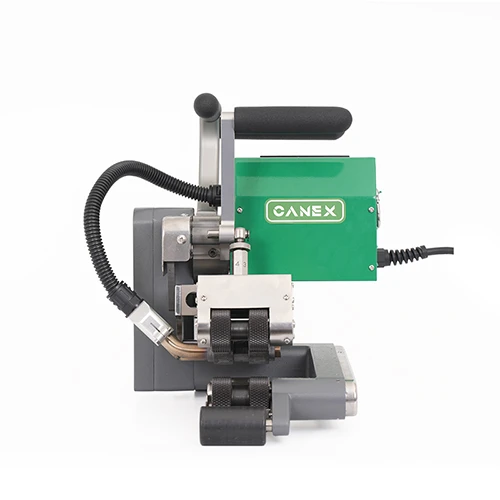
Related Video

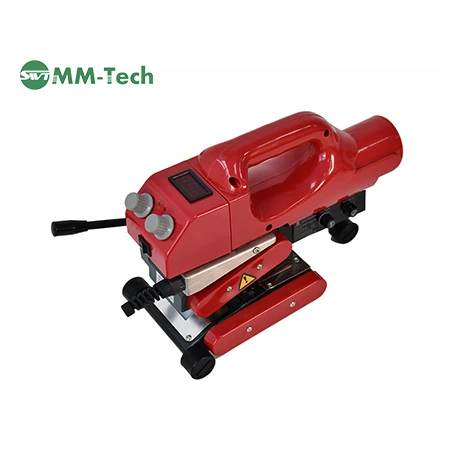

Geo Hot Wedge Welder With Digital Display SWT NS800D Operation Guide
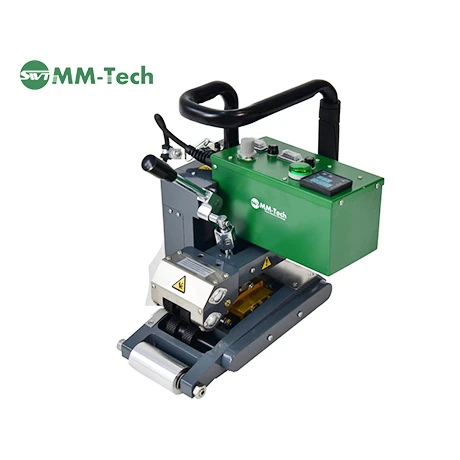
Heavy-Duty Geo Hot Wedge Welder SWT-NS900 Operation Guide
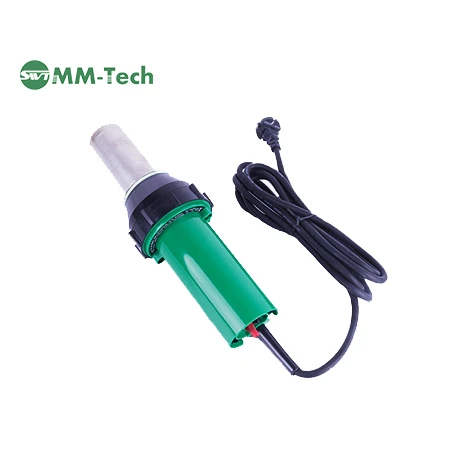
Powerful Professional Hot Air Tool SWT-NS3400A Operation Guide
Geo Hot Wedge Welder SWT NS800 Operation Guide
Compact HDPE Hot Wedge Welding Machine SWT-NSGM1 Operation Guide
Related News
2026-02-24 11:15:19
Comprehensive Guide to Plastic Extrusion Welding Machine Technology and Applications
Plastic extrusion welding machines are vital tools in numerous industries, facilitating the joining of thermoplastic materials with precision and efficiency. From constructing large tanks and vessels to fabricating pipelines and specialized components, these machines offer a robust and reliable solution. Understanding the different types, applications, and key features is crucial for making informed investment decisions. At MMTech Weld, we specialize in delivering high-quality plastic extrusion welding solutions tailored to diverse industrial needs. Choosing the right machine can significantly impact your production efficiency and the quality of your finished products. Plastic extrusion welding is a process where thermoplastic materials are melted and fused together using heat and pressure. The machine precisely controls the temperature, feed rate, and welding speed to create strong, leak-proof joints. These machines typically consist of a heating element, feed roller, welding shoe, and control panel. Different types of machines cater to specific applications and materials, ranging from portable units for smaller projects to automated systems for large-scale production. The key to a successful weld is ensuring consistent heat distribution and proper material compatibility.
2026-02-11 02:45:23
Comprehensive Guide to Plastic Extrusion Welding Techniques and Equipment Selection
Plastic extrusion welding is a versatile and efficient process used to join thermoplastic materials. This technique is widely employed across various industries, from automotive and construction to marine and chemical processing. At MM Tech Weld, we specialize in providing high-quality plastic extrusion welders and related solutions. This article delves into the intricacies of plastic extrusion welding, its applications, benefits, and key considerations for choosing the right equipment. Understanding this process can significantly improve your project efficiency and product quality. Plastic extrusion welding is a process where a thermoplastic welding material, typically a rod or wire, is melted and fed into the joint between two thermoplastic workpieces. The welding material is melted using a heated shoe, and as it cools, it fuses the two pieces together, creating a strong, leak-proof bond. Unlike other welding methods, extrusion welding doesn’t require the base materials to be completely melted, making it ideal for thicker sections and on-site repairs.
2026-01-30 14:55:50
Comprehensive Guide to Hand Extrusion Welder Applications and Selection
A hand extrusion welder is a portable and versatile tool used for joining thermoplastic materials. It’s a crucial piece of equipment in various industries, from plastic fabrication to pipeline repair. This article provides a comprehensive guide to hand extrusion welders, exploring their applications, benefits, key considerations when choosing one, and how MM Tech Weld delivers high-quality solutions. Understanding this technology allows professionals to optimize welding processes and achieve durable, reliable results. A hand extrusion welder operates by melting thermoplastic welding rods and extruding the molten material into the joint to be welded. The welder consists of a heating element, a feed mechanism for the welding rods, and a shoe or nozzle that guides the molten plastic.
2026-01-28 11:20:05
Comprehensive Guide to Pressure Leak Detectors for Enhanced Safety and Efficiency
In industries dealing with gases, vacuum systems, and pressurized environments, identifying leaks quickly and accurately is paramount for safety, efficiency, and cost control. A pressure leak detector is a critical tool for these applications, offering a non-destructive method to pinpoint even the smallest breaches in containment. This article will explore the different types of pressure leak detectors, their applications, advantages, and considerations for choosing the right detector for your specific needs. Efficient leak detection translates directly to minimized product loss, reduced energy consumption, and a safer working environment. Several technologies are employed in pressure leak detectors, each with its strengths and weaknesses. Some common types include: Bubble leak detectors, using a soap solution to reveal leaks as bubbles; Halogen leak detectors, sensitive to halogen-containing refrigerants; Ultrasonic leak detectors, detecting the high-frequency sound generated by escaping gas; and Mass spectrometer leak detectors (helium leak detectors), offering extremely high sensitivity by identifying helium molecules.
2026-01-27 22:55:02
Comprehensive Guide to Vacuum Leak Detection and Repair Techniques
Detecting and repairing vacuum leaks is crucial for maintaining optimal performance in various systems, from automotive engines to industrial processes. A seemingly small leak can lead to significant inefficiencies, reduced power, and even system failure. This article will provide a detailed look into understanding vacuum leaks, the tools used to find them – specifically, vacuum leak finders – troubleshooting techniques, and preventative measures. We’ll cover common causes, best practices, and how to choose the right equipment for your needs. Addressing vacuum leaks promptly can save you time, money, and potential headaches. Several methods can be used to locate vacuum leaks. The most basic involves a visual inspection of hoses, gaskets, and connections. However, many leaks are small and difficult to detect with the naked eye.
2026-01-27 19:55:20
Bullseye Leak Detector A Comprehensive Guide for Efficient Leak Detection
Maintaining the integrity of pressurized systems is critical in numerous industries, from HVAC and refrigeration to automotive and plumbing. A seemingly small leak can lead to significant inefficiencies, costly repairs, and even safety hazards. The Bullseye leak detector is a powerful tool designed to quickly and accurately pinpoint leaks in a variety of applications. This article will delve into the features, benefits, and applications of this versatile detector, ensuring you can effectively identify and address leaks before they escalate. Accurate leak detection is paramount for ensuring system efficiency and safety, and the Bullseye provides a reliable solution for professionals across various trades.
2026-01-27 18:25:14
Wegener Extrusion Welder Technology for Robust Thermoplastic Joining Solutions
When it comes to reliable and efficient solutions for joining thermoplastic materials, a Wegener Extrusion Welder stands as a leading choice. Known for its precision and durability, Wegener technology is trusted by professionals in diverse industries. This article delves into the features, applications, and benefits of Wegener Extrusion Welders, providing a thorough overview for those seeking a robust welding solution. Choosing the right equipment can significantly impact project quality and efficiency, and Wegener consistently delivers. Wegener extrusion welding utilizes a specialized machine that melts thermoplastic material and precisely extrudes it onto the joint area. This process creates a strong, homogenous weld, free from the weaknesses often associated with other joining methods. The controlled heat input minimizes distortion and stress on the materials. Unlike traditional welding techniques, it is exceptionally well-suited for large diameter pipe and complex geometries. MM Tech Weld’s Wegener machines offer unparalleled control and consistency for critical applications.
2026-01-25 02:10:06
Extrusion Welding HDPE Liner: A Guide
Learn about extrusion welding HDPE liner for industrial applications. Material specs, vendor comparison & why it’s a top choice for containment.
SUBSCRIBE NEWSLETTER
Dear customer, thank you for your attention! We provide high-quality machinery and equipment and look forward to your orders. Please inform us of your needs and we will respond quickly!






 English
  Arabic
  Bengali
  Czech
Czech  Dutch
Dutch  Finnish
  French
  German
  Hungarian
  Italian
  Japanese
  Korean
  Latin
Latin  Norwegian
  Polish
  Portuguese
  Russian
  Spanish
  Thai
Thai  Vietnamese