
-
 Email:news@peweldingmachine.com
-
 +86-137 3974 5191
-
 Add:
Add:NO.355,Youyi Street,Qiaoxi District,Shijiazhuang,Hebei,China.



Professional Air Pressure Tester | Accurate & Versatile Testing

Professional Air Pressure Tester | Accurate & Versatile Testing
Sep . 22, 2025 19:10
Understanding the Critical Role of Air Pressure Testers in Industrial Integrity
In diverse industrial sectors, the integrity of systems that manage fluids and gases is paramount. From intricate hydraulic circuits to vast pipeline networks, maintaining precise pressure and detecting leaks are not just operational concerns but critical safety and efficiency mandates. This is where a reliable air pressure tester becomes an indispensable tool. These devices are engineered to rigorously assess the airtightness and pressure sustainability of various components and systems, ensuring compliance with stringent safety standards and operational specifications. The following discourse delves into the comprehensive aspects of this vital equipment, exploring its technical underpinnings, applications, and strategic significance for B2B stakeholders.
Current Industry Trends in Pressure Testing
The landscape of industrial pressure testing is continually evolving, driven by demands for enhanced safety, efficiency, and environmental compliance. Key trends include the integration of IoT for real-time monitoring, advanced data analytics for predictive maintenance, and the development of more ergonomic and portable testing solutions. There is a strong push towards automation in testing procedures, minimizing human error and accelerating diagnostic processes. Furthermore, the increasing complexity of material science necessitates testers capable of handling a wider range of pressures and media, including specialized gases for specific industrial applications. Digitalization is transforming traditional analog pressure gauges into high-precision digital displays with data logging capabilities, offering unparalleled accuracy and traceability crucial for regulated industries.
Another significant trend involves the focus on non-destructive testing (NDT) methodologies, where the air pressure tester plays a crucial role in assessing component integrity without compromising its structure. This is particularly vital in sectors like aerospace and automotive, where component failure can have catastrophic consequences. The adoption of smart sensors and wireless communication protocols is enabling remote diagnostics and predictive analytics, shifting maintenance strategies from reactive to proactive, thereby reducing downtime and operational costs.
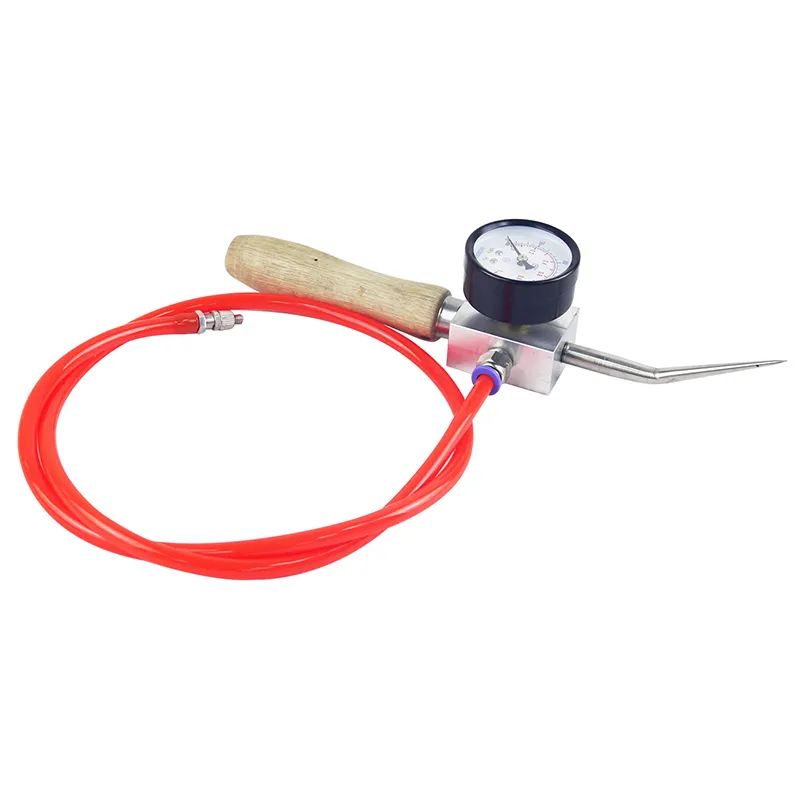
Technical Specifications: Air Pressure Tester SWT-NS001
The SWT-NS001 exemplifies precision engineering in pneumatic testing. Designed for robust performance and high accuracy, this air pressure tester is a cornerstone for critical applications requiring meticulous pressure verification. Its design incorporates advanced materials and calibrated components to ensure long-term reliability and repeatable results.
Product Specification Table: SWT-NS001
| Parameter | Specification (SWT-NS001) |
|---|---|
| Pressure Range | 0-10 Bar (0-145 PSI), configurable up to 20 Bar (290 PSI) |
| Accuracy | ±0.5% Full Scale (FS) standard, optional ±0.25% FS |
| Media Compatibility | Clean, dry air; nitrogen; other inert gases |
| Display | Digital LCD with backlight, selectable pressure units (Bar, PSI, kPa, MPa) |
| Connection Type | G 1/4" NPT female, various adapters available |
| Operating Temperature | -10°C to +50°C (14°F to 122°F) |
| Power Supply | Internal rechargeable Li-ion battery (20 hours typical operation), AC adapter |
| Data Logging | Up to 10,000 readings, USB interface for PC export |
| Housing Material | High-impact ABS/Polycarbonate blend with protective rubber boot |
| Dimensions & Weight | 200 x 100 x 50 mm, Approx. 0.8 kg |
The SWT-NS001 is designed with a high-resolution digital transducer for accurate pressure readings and features robust construction suitable for challenging industrial environments. Its user-friendly interface simplifies operation, while advanced data logging capabilities support comprehensive test report generation and compliance tracking.
The Manufacturing Process of a High-Precision Air Pressure Tester
The production of a sophisticated air pressure tester like the SWT-NS001 involves a meticulous multi-stage process, ensuring both precision and durability. This journey from raw material to a calibrated instrument reflects stringent quality control and adherence to international manufacturing standards.
Process Flow Schematic:
High-grade stainless steel (316L for wetted parts), brass, high-impact polymers. Sourcing from certified suppliers.
Precision CNC machining for sensor bodies and connectors; injection molding for housing and interface components.
Integration of high-precision pressure transducers, circuit boards, and digital display modules in a controlled environment.
Preliminary calibration against NIST-traceable master gauges. Functional testing of all electronic and mechanical components.
Assembling all sub-components into the protective housing, ensuring sealed connections and ergonomic fit.
Leak testing, environmental chamber testing (temperature, humidity), shock and vibration testing. Adherence to ISO 9001 standards.
Final calibration check and issuance of calibration certificates. Packaging and dispatch.
The use of high-grade materials, such as 316L stainless steel for wetted components, ensures superior corrosion resistance, critical for applications in petrochemical and water treatment industries. Advanced CNC machining guarantees the precise fit and finish required for maintaining seal integrity at high pressures. Each air pressure tester undergoes rigorous testing according to international standards like ISO 17025 for calibration and ANSI B16.34 for valve body integrity, contributing to an expected service life of 5-10 years under typical industrial usage. This meticulous process ensures that the device delivers consistent, reliable performance even in demanding environments, offering significant advantages such as energy saving through efficient leak detection and extended system life.
Diverse Application Scenarios
The versatility of an air pressure tester extends across numerous industries, serving vital functions in ensuring system integrity and operational safety.
- Plumbing and HVAC Systems: An air pressure tester for plumbing is essential for verifying the leak-tightness of new installations or detecting faults in existing water lines. This includes residential, commercial, and industrial plumbing, preventing costly water damage and ensuring efficient fluid transport. Similarly, in HVAC, these testers ensure ductwork and refrigerant lines are sealed, enhancing energy efficiency and indoor air quality. The process of air pressure testing water lines is far more efficient and less messy than traditional water-based hydrostatic tests for initial checks.
- Automotive Industry: From checking the integrity of braking systems to verifying the seal of engine components and cooling systems, the air pressure tester is indispensable. An air powered coolant pressure tester allows technicians to quickly diagnose leaks in radiators, hoses, and expansion tanks without introducing contaminants.
- Petrochemical and Oil & Gas: For pipelines, valves, and processing equipment handling volatile or corrosive substances, precise leak detection is critical for safety and environmental protection. These testers are used for pneumatic leak tests on gas lines, storage tanks, and various process piping.
- Manufacturing and Assembly: Verifying the seal of pneumatic tools, industrial robots, and critical components before deployment. This includes quality control for manufactured parts that rely on air-tight seals.
- Aerospace Industry: Testing fuel lines, hydraulic systems, and cabin pressurization components where even minute leaks can have severe consequences. Specialized air to air pressure tester units are used for differential pressure checks between critical compartments.
- Medical and Pharmaceutical: Ensuring the integrity of sterile packaging, medical gas lines, and specialized equipment where purity and absence of leaks are non-negotiable.
In each of these scenarios, the ability to accurately measure and hold pressure with a reliable air pressure tester translates directly into enhanced safety, reduced operational costs, and compliance with industry-specific regulations.
Technical Advantages and Benefits
The advanced design and construction of modern air pressure testers offer significant technical and operational advantages for B2B users:
- High Precision and Accuracy: Equipped with sophisticated pressure transducers, these devices deliver readings with exceptional accuracy (e.g., ±0.25% FS), crucial for meeting stringent industrial standards and for precise leak rate calculations. This minimizes the risk of false positives or missed leaks.
- Durability and Robustness: Constructed from industrial-grade materials like stainless steel and high-impact polymers, the testers withstand harsh operating conditions, including exposure to chemicals, vibrations, and extreme temperatures, ensuring a prolonged service life.
- Digital Functionality and Data Logging: Modern testers feature clear digital displays, customizable pressure units, and integrated data logging. This allows for comprehensive record-keeping, trend analysis, and simplifies compliance auditing. USB or wireless connectivity enables seamless data transfer to control systems or for reporting.
- Enhanced Safety Features: Designed with over-pressure protection and robust connections, these testers prioritize operator safety, particularly when dealing with high-pressure systems. Integrated safety relief valves are common.
- Portability and Ergonomics: Many units are compact and lightweight, designed for easy transportation and use in various field conditions. Ergonomic designs reduce operator fatigue during prolonged testing procedures.
- Cost-Effectiveness & Energy Saving: By accurately identifying and localizing leaks, these testers significantly reduce energy waste associated with compressed air systems (estimated to be up to 30% in some facilities). This translates to substantial operational cost savings and a reduced carbon footprint. Furthermore, early detection of potential failures prevents catastrophic system breakdowns, minimizing repair costs and downtime.
Vendor Comparison: Key Differentiators
When selecting an air pressure tester, businesses often face a multitude of options. A comparative analysis highlights critical factors beyond mere price, focusing on long-term value, reliability, and support.
Comparative Table: Premium vs. Standard Air Pressure Testers
| Feature | Premium Tester (e.g., SWT-NS001 class) | Standard Tester |
|---|---|---|
| Pressure Sensor | High-precision digital transducer (MEMS/Piezoresistive) | Analog bourdon tube or basic digital sensor |
| Accuracy | ±0.25% - ±0.5% FS, factory calibrated (ISO 17025) | ±1.0% - ±2.5% FS, basic calibration |
| Data Logging & Connectivity | Extensive internal memory (10,000+ readings), USB/Bluetooth, PC software | Limited or no data logging, manual recording |
| Construction Materials | 316L Stainless Steel, high-impact polymers, robust seals | Brass, plastic, basic elastomers |
| Certifications | CE, RoHS, ISO 9001, ATEX (for specific models) | Basic safety compliance, if any |
| Features | Peak hold, tare, selectable units, customizable test routines, real-time graph | Basic pressure display |
| After-sales Support | Comprehensive warranty, calibration services, technical support, spare parts availability | Limited or no dedicated support |
While a standard air pressure tester might seem cost-effective initially, the long-term benefits of a premium instrument, such as superior accuracy, durability, and comprehensive support, often outweigh the initial investment, particularly in regulated or high-stakes environments. Our commitment to quality, backed by over 20 years of industry experience, ensures that our products, like the SWT-NS001, consistently deliver authoritative and trustworthy performance.
Customized Solutions
Recognizing that every industrial application has unique requirements, we offer customized solutions for our air pressure tester range. This flexibility ensures that clients receive equipment perfectly tailored to their specific operational needs.
- Pressure Range & Resolution: Custom calibration and sensor integration for specific pressure ranges, from ultra-low vacuum to high-pressure pneumatic systems.
- Media Compatibility: Options for specialized materials (e.g., Hastelloy, Monel) for wetted parts to handle corrosive or aggressive gases beyond standard air and inert gases.
- Connection Types: A wide array of bespoke fittings and adapters (e.g., NPT, BSPT, JIC, SAE, sanitary connections) to seamlessly integrate into existing systems.
- Software Integration: Development of custom software interfaces for seamless integration with client SCADA systems, PLCs, or enterprise resource planning (ERP) platforms for automated data capture and analysis.
- Environmental Hardening: Tailored enclosures for extreme environments, including intrinsically safe (ATEX/IECEx) models for hazardous locations, or units designed for extreme temperatures.
- Specific Test Protocols: Programming of specialized test sequences, such as pressure decay test profiles with specific hold times and acceptance criteria, directly into the device firmware.
Our engineering team collaborates closely with clients to understand their precise requirements, delivering a solution that not only meets but exceeds expectations. This consultative approach ensures optimal performance and a high return on investment.
Application Case Studies
Real-world applications demonstrate the tangible benefits of a reliable air pressure tester.
A leading commercial building contractor faced challenges in certifying extensive new HVAC ductwork for a large hospital complex. Traditional methods were time-consuming and prone to human error, resulting in delays and reworks. Implementing our SWT-NS001 air pressure tester, equipped with automated pressure decay testing protocols and data logging, streamlined the validation process. The digital precision allowed for rapid identification of leakage points, reducing testing time by 40% and ensuring compliance with ASHRAE standards, leading to significant energy savings for the client upon system operation.
An automotive parts manufacturer specializing in critical engine components needed to improve the quality control process for intake manifolds. Micro-leaks, undetectable by conventional methods, were causing warranty claims. Our customized air pressure tester, integrated into their assembly line, performed high-sensitivity pressure decay tests on each manifold. The instrument's ability to detect pressure drops as low as 0.001 PSI over a short cycle time enabled the manufacturer to identify and rectify defects before shipment, drastically reducing field failures and improving product reputation.
A municipal water utility utilized a custom-configured air pressure tester for plumbing network expansion. Rather than hydrostatically testing newly laid water mains, which risked contamination and wasted water, they adopted pneumatic testing using our robust field unit. The tester's durable construction and precise readings allowed utility workers to quickly pressurize sections of pipeline with air, identify leaks, and certify segments without introducing water, significantly accelerating project completion and conserving resources. This approach, centered on air pressure testing water lines, proved highly efficient.
Frequently Asked Questions (FAQ)
A: An air pressure tester (pneumatic tester) uses compressed air or inert gas to check system integrity, typically for leak detection and lower pressure applications. A hydraulic pressure tester uses liquid (usually water or oil) and is used for higher pressure applications, proof testing, or burst testing, where the incompressibility of liquid offers different safety and performance characteristics.
A: Regular calibration is crucial for maintaining accuracy. We recommend annual calibration by an accredited laboratory, or more frequently if the device is used in critical applications, subjected to harsh conditions, or if measurement discrepancies are suspected. Our calibration services comply with ISO 17025 standards.
A: The standard SWT-NS001 is not intrinsically safe. However, we offer specialized versions designed and certified for ATEX/IECEx hazardous areas. Please consult our sales team for specific requirements and certifications for your environment.
A: The SWT-NS001 typically comes with a standard G 1/4" NPT female connection. We also provide a comprehensive range of adapters for various industrial connection types, including BSPT, JIC, SAE, and quick-connect fittings, to ensure seamless integration into diverse systems.
Lead Time, Warranty, and Customer Support
We understand the importance of timely delivery and reliable post-purchase support for our B2B clients.
- Lead Time: Standard SWT-NS001 units typically ship within 2-4 weeks of order confirmation. Custom configurations or large orders may require extended lead times, which will be communicated clearly at the time of quotation. We strive for efficient fulfillment to minimize project delays.
- Warranty: All our air pressure tester units, including the SWT-NS001, are backed by a comprehensive 2-year manufacturer's warranty covering defects in materials and workmanship. Extended warranty options are available upon request for added peace of mind.
- Customer Support: Our dedicated technical support team is available 24/7 to assist with installation, operation, troubleshooting, and calibration queries. We offer phone, email, and online portal support, ensuring that our clients receive prompt and expert assistance whenever needed. We also provide training programs to maximize the utility and longevity of our products.
Conclusion
The modern air pressure tester is far more than a simple gauge; it is a sophisticated diagnostic instrument critical for ensuring the safety, efficiency, and environmental compliance of industrial systems. With ongoing advancements in precision, data management, and material science, these testers provide invaluable insights into system integrity, preventing costly failures and optimizing operational performance. For businesses operating in high-stakes environments, investing in a high-quality, reliable, and expertly supported pressure testing solution like the SWT-NS001 is not just an option, but a strategic imperative.
References
- International Organization for Standardization (ISO). ISO 17025:2017 - General requirements for the competence of testing and calibration laboratories.
- American Society of Mechanical Engineers (ASME). ASME B16.34 - Valves—Flanged, Threaded, and Welding End.
- U.S. Department of Energy. Improving Compressed Air System Performance: A Sourcebook for Industry.
- American Society of Heating, Refrigerating and Air-Conditioning Engineers (ASHRAE). ASHRAE Standard 193-2010 - Method of Test for Rating Leakage of Ducts.
- National Institute of Standards and Technology (NIST). Guide to the Expression of Uncertainty in Measurement (GUM).

Related Products
Related Video


Geo Hot Wedge Welder With Digital Display SWT NS800D Operation Guide
Heavy-Duty Geo Hot Wedge Welder SWT-NS900 Operation Guide
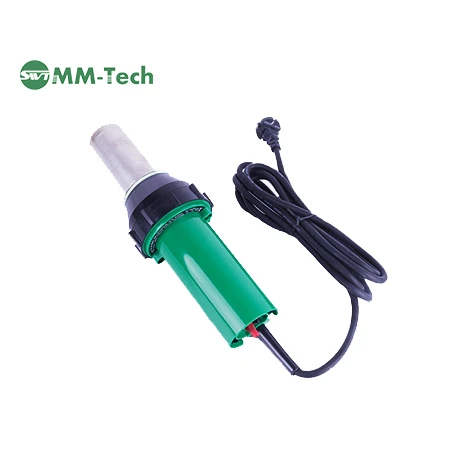
Powerful Professional Hot Air Tool SWT-NS3400A Operation Guide
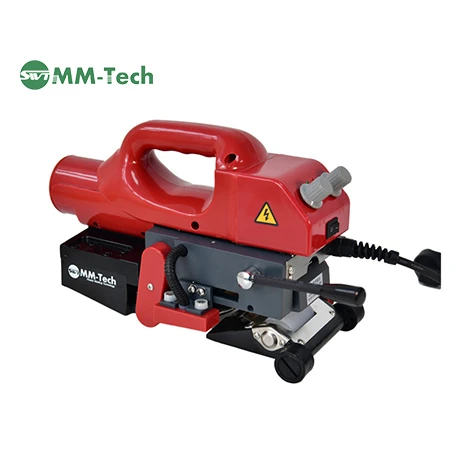
Geo Hot Wedge Welder SWT NS800 Operation Guide
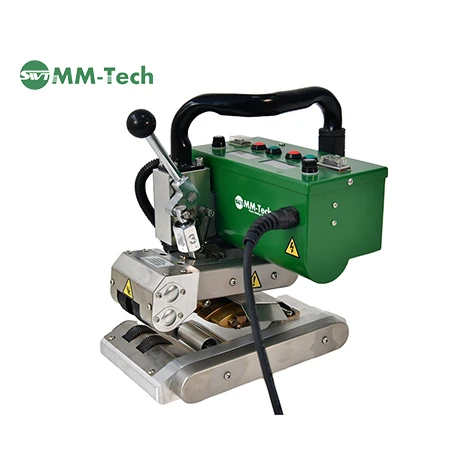
Compact HDPE Hot Wedge Welding Machine SWT-NSGM1 Operation Guide
Related News
2026-02-24 11:15:19
Comprehensive Guide to Plastic Extrusion Welding Machine Technology and Applications
Plastic extrusion welding machines are vital tools in numerous industries, facilitating the joining of thermoplastic materials with precision and efficiency. From constructing large tanks and vessels to fabricating pipelines and specialized components, these machines offer a robust and reliable solution. Understanding the different types, applications, and key features is crucial for making informed investment decisions. At MMTech Weld, we specialize in delivering high-quality plastic extrusion welding solutions tailored to diverse industrial needs. Choosing the right machine can significantly impact your production efficiency and the quality of your finished products. Plastic extrusion welding is a process where thermoplastic materials are melted and fused together using heat and pressure. The machine precisely controls the temperature, feed rate, and welding speed to create strong, leak-proof joints. These machines typically consist of a heating element, feed roller, welding shoe, and control panel. Different types of machines cater to specific applications and materials, ranging from portable units for smaller projects to automated systems for large-scale production. The key to a successful weld is ensuring consistent heat distribution and proper material compatibility.
2026-02-11 02:45:23
Comprehensive Guide to Plastic Extrusion Welding Techniques and Equipment Selection
Plastic extrusion welding is a versatile and efficient process used to join thermoplastic materials. This technique is widely employed across various industries, from automotive and construction to marine and chemical processing. At MM Tech Weld, we specialize in providing high-quality plastic extrusion welders and related solutions. This article delves into the intricacies of plastic extrusion welding, its applications, benefits, and key considerations for choosing the right equipment. Understanding this process can significantly improve your project efficiency and product quality. Plastic extrusion welding is a process where a thermoplastic welding material, typically a rod or wire, is melted and fed into the joint between two thermoplastic workpieces. The welding material is melted using a heated shoe, and as it cools, it fuses the two pieces together, creating a strong, leak-proof bond. Unlike other welding methods, extrusion welding doesn’t require the base materials to be completely melted, making it ideal for thicker sections and on-site repairs.
2026-01-30 14:55:50
Comprehensive Guide to Hand Extrusion Welder Applications and Selection
A hand extrusion welder is a portable and versatile tool used for joining thermoplastic materials. It’s a crucial piece of equipment in various industries, from plastic fabrication to pipeline repair. This article provides a comprehensive guide to hand extrusion welders, exploring their applications, benefits, key considerations when choosing one, and how MM Tech Weld delivers high-quality solutions. Understanding this technology allows professionals to optimize welding processes and achieve durable, reliable results. A hand extrusion welder operates by melting thermoplastic welding rods and extruding the molten material into the joint to be welded. The welder consists of a heating element, a feed mechanism for the welding rods, and a shoe or nozzle that guides the molten plastic.
2026-01-28 11:20:05
Comprehensive Guide to Pressure Leak Detectors for Enhanced Safety and Efficiency
In industries dealing with gases, vacuum systems, and pressurized environments, identifying leaks quickly and accurately is paramount for safety, efficiency, and cost control. A pressure leak detector is a critical tool for these applications, offering a non-destructive method to pinpoint even the smallest breaches in containment. This article will explore the different types of pressure leak detectors, their applications, advantages, and considerations for choosing the right detector for your specific needs. Efficient leak detection translates directly to minimized product loss, reduced energy consumption, and a safer working environment. Several technologies are employed in pressure leak detectors, each with its strengths and weaknesses. Some common types include: Bubble leak detectors, using a soap solution to reveal leaks as bubbles; Halogen leak detectors, sensitive to halogen-containing refrigerants; Ultrasonic leak detectors, detecting the high-frequency sound generated by escaping gas; and Mass spectrometer leak detectors (helium leak detectors), offering extremely high sensitivity by identifying helium molecules.
2026-01-27 22:55:02
Comprehensive Guide to Vacuum Leak Detection and Repair Techniques
Detecting and repairing vacuum leaks is crucial for maintaining optimal performance in various systems, from automotive engines to industrial processes. A seemingly small leak can lead to significant inefficiencies, reduced power, and even system failure. This article will provide a detailed look into understanding vacuum leaks, the tools used to find them – specifically, vacuum leak finders – troubleshooting techniques, and preventative measures. We’ll cover common causes, best practices, and how to choose the right equipment for your needs. Addressing vacuum leaks promptly can save you time, money, and potential headaches. Several methods can be used to locate vacuum leaks. The most basic involves a visual inspection of hoses, gaskets, and connections. However, many leaks are small and difficult to detect with the naked eye.
2026-01-27 19:55:20
Bullseye Leak Detector A Comprehensive Guide for Efficient Leak Detection
Maintaining the integrity of pressurized systems is critical in numerous industries, from HVAC and refrigeration to automotive and plumbing. A seemingly small leak can lead to significant inefficiencies, costly repairs, and even safety hazards. The Bullseye leak detector is a powerful tool designed to quickly and accurately pinpoint leaks in a variety of applications. This article will delve into the features, benefits, and applications of this versatile detector, ensuring you can effectively identify and address leaks before they escalate. Accurate leak detection is paramount for ensuring system efficiency and safety, and the Bullseye provides a reliable solution for professionals across various trades.
2026-01-27 18:25:14
Wegener Extrusion Welder Technology for Robust Thermoplastic Joining Solutions
When it comes to reliable and efficient solutions for joining thermoplastic materials, a Wegener Extrusion Welder stands as a leading choice. Known for its precision and durability, Wegener technology is trusted by professionals in diverse industries. This article delves into the features, applications, and benefits of Wegener Extrusion Welders, providing a thorough overview for those seeking a robust welding solution. Choosing the right equipment can significantly impact project quality and efficiency, and Wegener consistently delivers. Wegener extrusion welding utilizes a specialized machine that melts thermoplastic material and precisely extrudes it onto the joint area. This process creates a strong, homogenous weld, free from the weaknesses often associated with other joining methods. The controlled heat input minimizes distortion and stress on the materials. Unlike traditional welding techniques, it is exceptionally well-suited for large diameter pipe and complex geometries. MM Tech Weld’s Wegener machines offer unparalleled control and consistency for critical applications.
2026-01-25 02:10:06
Extrusion Welding HDPE Liner: A Guide
Learn about extrusion welding HDPE liner for industrial applications. Material specs, vendor comparison & why it’s a top choice for containment.
Professional Air Pressure Tester | Accurate & Versatile Testing
Professional Air Pressure Tester | Accurate & Versatile Testing
Sep . 08, 2025 16:38
Understanding the Critical Role of Air Pressure Testers in Industrial Integrity
In diverse industrial sectors, the integrity of systems that manage fluids and gases is paramount. From intricate hydraulic circuits to vast pipeline networks, maintaining precise pressure and detecting leaks are not just operational concerns but critical safety and efficiency mandates. This is where a reliable air pressure tester becomes an indispensable tool. These devices are engineered to rigorously assess the airtightness and pressure sustainability of various components and systems, ensuring compliance with stringent safety standards and operational specifications. The following discourse delves into the comprehensive aspects of this vital equipment, exploring its technical underpinnings, applications, and strategic significance for B2B stakeholders.
Current Industry Trends in Pressure Testing
The landscape of industrial pressure testing is continually evolving, driven by demands for enhanced safety, efficiency, and environmental compliance. Key trends include the integration of IoT for real-time monitoring, advanced data analytics for predictive maintenance, and the development of more ergonomic and portable testing solutions. There is a strong push towards automation in testing procedures, minimizing human error and accelerating diagnostic processes. Furthermore, the increasing complexity of material science necessitates testers capable of handling a wider range of pressures and media, including specialized gases for specific industrial applications. Digitalization is transforming traditional analog pressure gauges into high-precision digital displays with data logging capabilities, offering unparalleled accuracy and traceability crucial for regulated industries.
Another significant trend involves the focus on non-destructive testing (NDT) methodologies, where the air pressure tester plays a crucial role in assessing component integrity without compromising its structure. This is particularly vital in sectors like aerospace and automotive, where component failure can have catastrophic consequences. The adoption of smart sensors and wireless communication protocols is enabling remote diagnostics and predictive analytics, shifting maintenance strategies from reactive to proactive, thereby reducing downtime and operational costs.
Technical Specifications: Air Pressure Tester SWT-NS001
The SWT-NS001 exemplifies precision engineering in pneumatic testing. Designed for robust performance and high accuracy, this air pressure tester is a cornerstone for critical applications requiring meticulous pressure verification. Its design incorporates advanced materials and calibrated components to ensure long-term reliability and repeatable results.
Product Specification Table: SWT-NS001
| Parameter | Specification (SWT-NS001) |
|---|---|
| Pressure Range | 0-10 Bar (0-145 PSI), configurable up to 20 Bar (290 PSI) |
| Accuracy | ±0.5% Full Scale (FS) standard, optional ±0.25% FS |
| Media Compatibility | Clean, dry air; nitrogen; other inert gases |
| Display | Digital LCD with backlight, selectable pressure units (Bar, PSI, kPa, MPa) |
| Connection Type | G 1/4" NPT female, various adapters available |
| Operating Temperature | -10°C to +50°C (14°F to 122°F) |
| Power Supply | Internal rechargeable Li-ion battery (20 hours typical operation), AC adapter |
| Data Logging | Up to 10,000 readings, USB interface for PC export |
| Housing Material | High-impact ABS/Polycarbonate blend with protective rubber boot |
| Dimensions & Weight | 200 x 100 x 50 mm, Approx. 0.8 kg |
The SWT-NS001 is designed with a high-resolution digital transducer for accurate pressure readings and features robust construction suitable for challenging industrial environments. Its user-friendly interface simplifies operation, while advanced data logging capabilities support comprehensive test report generation and compliance tracking.
The Manufacturing Process of a High-Precision Air Pressure Tester
The production of a sophisticated air pressure tester like the SWT-NS001 involves a meticulous multi-stage process, ensuring both precision and durability. This journey from raw material to a calibrated instrument reflects stringent quality control and adherence to international manufacturing standards.
Process Flow Schematic:
High-grade stainless steel (316L for wetted parts), brass, high-impact polymers. Sourcing from certified suppliers.
Precision CNC machining for sensor bodies and connectors; injection molding for housing and interface components.
Integration of high-precision pressure transducers, circuit boards, and digital display modules in a controlled environment.
Preliminary calibration against NIST-traceable master gauges. Functional testing of all electronic and mechanical components.
Assembling all sub-components into the protective housing, ensuring sealed connections and ergonomic fit.
Leak testing, environmental chamber testing (temperature, humidity), shock and vibration testing. Adherence to ISO 9001 standards.
Final calibration check and issuance of calibration certificates. Packaging and dispatch.
The use of high-grade materials, such as 316L stainless steel for wetted components, ensures superior corrosion resistance, critical for applications in petrochemical and water treatment industries. Advanced CNC machining guarantees the precise fit and finish required for maintaining seal integrity at high pressures. Each air pressure tester undergoes rigorous testing according to international standards like ISO 17025 for calibration and ANSI B16.34 for valve body integrity, contributing to an expected service life of 5-10 years under typical industrial usage. This meticulous process ensures that the device delivers consistent, reliable performance even in demanding environments, offering significant advantages such as energy saving through efficient leak detection and extended system life.
Diverse Application Scenarios
The versatility of an air pressure tester extends across numerous industries, serving vital functions in ensuring system integrity and operational safety.
- Plumbing and HVAC Systems: An air pressure tester for plumbing is essential for verifying the leak-tightness of new installations or detecting faults in existing water lines. This includes residential, commercial, and industrial plumbing, preventing costly water damage and ensuring efficient fluid transport. Similarly, in HVAC, these testers ensure ductwork and refrigerant lines are sealed, enhancing energy efficiency and indoor air quality. The process of air pressure testing water lines is far more efficient and less messy than traditional water-based hydrostatic tests for initial checks.
- Automotive Industry: From checking the integrity of braking systems to verifying the seal of engine components and cooling systems, the air pressure tester is indispensable. An air powered coolant pressure tester allows technicians to quickly diagnose leaks in radiators, hoses, and expansion tanks without introducing contaminants.
- Petrochemical and Oil & Gas: For pipelines, valves, and processing equipment handling volatile or corrosive substances, precise leak detection is critical for safety and environmental protection. These testers are used for pneumatic leak tests on gas lines, storage tanks, and various process piping.
- Manufacturing and Assembly: Verifying the seal of pneumatic tools, industrial robots, and critical components before deployment. This includes quality control for manufactured parts that rely on air-tight seals.
- Aerospace Industry: Testing fuel lines, hydraulic systems, and cabin pressurization components where even minute leaks can have severe consequences. Specialized air to air pressure tester units are used for differential pressure checks between critical compartments.
- Medical and Pharmaceutical: Ensuring the integrity of sterile packaging, medical gas lines, and specialized equipment where purity and absence of leaks are non-negotiable.
In each of these scenarios, the ability to accurately measure and hold pressure with a reliable air pressure tester translates directly into enhanced safety, reduced operational costs, and compliance with industry-specific regulations.
Technical Advantages and Benefits
The advanced design and construction of modern air pressure testers offer significant technical and operational advantages for B2B users:
- High Precision and Accuracy: Equipped with sophisticated pressure transducers, these devices deliver readings with exceptional accuracy (e.g., ±0.25% FS), crucial for meeting stringent industrial standards and for precise leak rate calculations. This minimizes the risk of false positives or missed leaks.
- Durability and Robustness: Constructed from industrial-grade materials like stainless steel and high-impact polymers, the testers withstand harsh operating conditions, including exposure to chemicals, vibrations, and extreme temperatures, ensuring a prolonged service life.
- Digital Functionality and Data Logging: Modern testers feature clear digital displays, customizable pressure units, and integrated data logging. This allows for comprehensive record-keeping, trend analysis, and simplifies compliance auditing. USB or wireless connectivity enables seamless data transfer to control systems or for reporting.
- Enhanced Safety Features: Designed with over-pressure protection and robust connections, these testers prioritize operator safety, particularly when dealing with high-pressure systems. Integrated safety relief valves are common.
- Portability and Ergonomics: Many units are compact and lightweight, designed for easy transportation and use in various field conditions. Ergonomic designs reduce operator fatigue during prolonged testing procedures.
- Cost-Effectiveness & Energy Saving: By accurately identifying and localizing leaks, these testers significantly reduce energy waste associated with compressed air systems (estimated to be up to 30% in some facilities). This translates to substantial operational cost savings and a reduced carbon footprint. Furthermore, early detection of potential failures prevents catastrophic system breakdowns, minimizing repair costs and downtime.
Vendor Comparison: Key Differentiators
When selecting an air pressure tester, businesses often face a multitude of options. A comparative analysis highlights critical factors beyond mere price, focusing on long-term value, reliability, and support.
Comparative Table: Premium vs. Standard Air Pressure Testers
| Feature | Premium Tester (e.g., SWT-NS001 class) | Standard Tester |
|---|---|---|
| Pressure Sensor | High-precision digital transducer (MEMS/Piezoresistive) | Analog bourdon tube or basic digital sensor |
| Accuracy | ±0.25% - ±0.5% FS, factory calibrated (ISO 17025) | ±1.0% - ±2.5% FS, basic calibration |
| Data Logging & Connectivity | Extensive internal memory (10,000+ readings), USB/Bluetooth, PC software | Limited or no data logging, manual recording |
| Construction Materials | 316L Stainless Steel, high-impact polymers, robust seals | Brass, plastic, basic elastomers |
| Certifications | CE, RoHS, ISO 9001, ATEX (for specific models) | Basic safety compliance, if any |
| Features | Peak hold, tare, selectable units, customizable test routines, real-time graph | Basic pressure display |
| After-sales Support | Comprehensive warranty, calibration services, technical support, spare parts availability | Limited or no dedicated support |
While a standard air pressure tester might seem cost-effective initially, the long-term benefits of a premium instrument, such as superior accuracy, durability, and comprehensive support, often outweigh the initial investment, particularly in regulated or high-stakes environments. Our commitment to quality, backed by over 20 years of industry experience, ensures that our products, like the SWT-NS001, consistently deliver authoritative and trustworthy performance.
Customized Solutions
Recognizing that every industrial application has unique requirements, we offer customized solutions for our air pressure tester range. This flexibility ensures that clients receive equipment perfectly tailored to their specific operational needs.
- Pressure Range & Resolution: Custom calibration and sensor integration for specific pressure ranges, from ultra-low vacuum to high-pressure pneumatic systems.
- Media Compatibility: Options for specialized materials (e.g., Hastelloy, Monel) for wetted parts to handle corrosive or aggressive gases beyond standard air and inert gases.
- Connection Types: A wide array of bespoke fittings and adapters (e.g., NPT, BSPT, JIC, SAE, sanitary connections) to seamlessly integrate into existing systems.
- Software Integration: Development of custom software interfaces for seamless integration with client SCADA systems, PLCs, or enterprise resource planning (ERP) platforms for automated data capture and analysis.
- Environmental Hardening: Tailored enclosures for extreme environments, including intrinsically safe (ATEX/IECEx) models for hazardous locations, or units designed for extreme temperatures.
- Specific Test Protocols: Programming of specialized test sequences, such as pressure decay test profiles with specific hold times and acceptance criteria, directly into the device firmware.
Our engineering team collaborates closely with clients to understand their precise requirements, delivering a solution that not only meets but exceeds expectations. This consultative approach ensures optimal performance and a high return on investment.
Application Case Studies
Real-world applications demonstrate the tangible benefits of a reliable air pressure tester.
A leading commercial building contractor faced challenges in certifying extensive new HVAC ductwork for a large hospital complex. Traditional methods were time-consuming and prone to human error, resulting in delays and reworks. Implementing our SWT-NS001 air pressure tester, equipped with automated pressure decay testing protocols and data logging, streamlined the validation process. The digital precision allowed for rapid identification of leakage points, reducing testing time by 40% and ensuring compliance with ASHRAE standards, leading to significant energy savings for the client upon system operation.
An automotive parts manufacturer specializing in critical engine components needed to improve the quality control process for intake manifolds. Micro-leaks, undetectable by conventional methods, were causing warranty claims. Our customized air pressure tester, integrated into their assembly line, performed high-sensitivity pressure decay tests on each manifold. The instrument's ability to detect pressure drops as low as 0.001 PSI over a short cycle time enabled the manufacturer to identify and rectify defects before shipment, drastically reducing field failures and improving product reputation.
A municipal water utility utilized a custom-configured air pressure tester for plumbing network expansion. Rather than hydrostatically testing newly laid water mains, which risked contamination and wasted water, they adopted pneumatic testing using our robust field unit. The tester's durable construction and precise readings allowed utility workers to quickly pressurize sections of pipeline with air, identify leaks, and certify segments without introducing water, significantly accelerating project completion and conserving resources. This approach, centered on air pressure testing water lines, proved highly efficient.
Frequently Asked Questions (FAQ)
A: An air pressure tester (pneumatic tester) uses compressed air or inert gas to check system integrity, typically for leak detection and lower pressure applications. A hydraulic pressure tester uses liquid (usually water or oil) and is used for higher pressure applications, proof testing, or burst testing, where the incompressibility of liquid offers different safety and performance characteristics.
A: Regular calibration is crucial for maintaining accuracy. We recommend annual calibration by an accredited laboratory, or more frequently if the device is used in critical applications, subjected to harsh conditions, or if measurement discrepancies are suspected. Our calibration services comply with ISO 17025 standards.
A: The standard SWT-NS001 is not intrinsically safe. However, we offer specialized versions designed and certified for ATEX/IECEx hazardous areas. Please consult our sales team for specific requirements and certifications for your environment.
A: The SWT-NS001 typically comes with a standard G 1/4" NPT female connection. We also provide a comprehensive range of adapters for various industrial connection types, including BSPT, JIC, SAE, and quick-connect fittings, to ensure seamless integration into diverse systems.
Lead Time, Warranty, and Customer Support
We understand the importance of timely delivery and reliable post-purchase support for our B2B clients.
- Lead Time: Standard SWT-NS001 units typically ship within 2-4 weeks of order confirmation. Custom configurations or large orders may require extended lead times, which will be communicated clearly at the time of quotation. We strive for efficient fulfillment to minimize project delays.
- Warranty: All our air pressure tester units, including the SWT-NS001, are backed by a comprehensive 2-year manufacturer's warranty covering defects in materials and workmanship. Extended warranty options are available upon request for added peace of mind.
- Customer Support: Our dedicated technical support team is available 24/7 to assist with installation, operation, troubleshooting, and calibration queries. We offer phone, email, and online portal support, ensuring that our clients receive prompt and expert assistance whenever needed. We also provide training programs to maximize the utility and longevity of our products.
Conclusion
The modern air pressure tester is far more than a simple gauge; it is a sophisticated diagnostic instrument critical for ensuring the safety, efficiency, and environmental compliance of industrial systems. With ongoing advancements in precision, data management, and material science, these testers provide invaluable insights into system integrity, preventing costly failures and optimizing operational performance. For businesses operating in high-stakes environments, investing in a high-quality, reliable, and expertly supported pressure testing solution like the SWT-NS001 is not just an option, but a strategic imperative.
References
- International Organization for Standardization (ISO). ISO 17025:2017 - General requirements for the competence of testing and calibration laboratories.
- American Society of Mechanical Engineers (ASME). ASME B16.34 - Valves—Flanged, Threaded, and Welding End.
- U.S. Department of Energy. Improving Compressed Air System Performance: A Sourcebook for Industry.
- American Society of Heating, Refrigerating and Air-Conditioning Engineers (ASHRAE). ASHRAE Standard 193-2010 - Method of Test for Rating Leakage of Ducts.
- National Institute of Standards and Technology (NIST). Guide to the Expression of Uncertainty in Measurement (GUM).
Related Products
Related Video
Geo Hot Wedge Welder With Digital Display SWT NS800D Operation Guide
Heavy-Duty Geo Hot Wedge Welder SWT-NS900 Operation Guide
Powerful Professional Hot Air Tool SWT-NS3400A Operation Guide
Geo Hot Wedge Welder SWT NS800 Operation Guide
Compact HDPE Hot Wedge Welding Machine SWT-NSGM1 Operation Guide
Related News
2026-02-24 11:15:19
Comprehensive Guide to Plastic Extrusion Welding Machine Technology and Applications
Plastic extrusion welding machines are vital tools in numerous industries, facilitating the joining of thermoplastic materials with precision and efficiency. From constructing large tanks and vessels to fabricating pipelines and specialized components, these machines offer a robust and reliable solution. Understanding the different types, applications, and key features is crucial for making informed investment decisions. At MMTech Weld, we specialize in delivering high-quality plastic extrusion welding solutions tailored to diverse industrial needs. Choosing the right machine can significantly impact your production efficiency and the quality of your finished products. Plastic extrusion welding is a process where thermoplastic materials are melted and fused together using heat and pressure. The machine precisely controls the temperature, feed rate, and welding speed to create strong, leak-proof joints. These machines typically consist of a heating element, feed roller, welding shoe, and control panel. Different types of machines cater to specific applications and materials, ranging from portable units for smaller projects to automated systems for large-scale production. The key to a successful weld is ensuring consistent heat distribution and proper material compatibility.
2026-02-11 02:45:23
Comprehensive Guide to Plastic Extrusion Welding Techniques and Equipment Selection
Plastic extrusion welding is a versatile and efficient process used to join thermoplastic materials. This technique is widely employed across various industries, from automotive and construction to marine and chemical processing. At MM Tech Weld, we specialize in providing high-quality plastic extrusion welders and related solutions. This article delves into the intricacies of plastic extrusion welding, its applications, benefits, and key considerations for choosing the right equipment. Understanding this process can significantly improve your project efficiency and product quality. Plastic extrusion welding is a process where a thermoplastic welding material, typically a rod or wire, is melted and fed into the joint between two thermoplastic workpieces. The welding material is melted using a heated shoe, and as it cools, it fuses the two pieces together, creating a strong, leak-proof bond. Unlike other welding methods, extrusion welding doesn’t require the base materials to be completely melted, making it ideal for thicker sections and on-site repairs.
2026-01-30 14:55:50
Comprehensive Guide to Hand Extrusion Welder Applications and Selection
A hand extrusion welder is a portable and versatile tool used for joining thermoplastic materials. It’s a crucial piece of equipment in various industries, from plastic fabrication to pipeline repair. This article provides a comprehensive guide to hand extrusion welders, exploring their applications, benefits, key considerations when choosing one, and how MM Tech Weld delivers high-quality solutions. Understanding this technology allows professionals to optimize welding processes and achieve durable, reliable results. A hand extrusion welder operates by melting thermoplastic welding rods and extruding the molten material into the joint to be welded. The welder consists of a heating element, a feed mechanism for the welding rods, and a shoe or nozzle that guides the molten plastic.
2026-01-28 11:20:05
Comprehensive Guide to Pressure Leak Detectors for Enhanced Safety and Efficiency
In industries dealing with gases, vacuum systems, and pressurized environments, identifying leaks quickly and accurately is paramount for safety, efficiency, and cost control. A pressure leak detector is a critical tool for these applications, offering a non-destructive method to pinpoint even the smallest breaches in containment. This article will explore the different types of pressure leak detectors, their applications, advantages, and considerations for choosing the right detector for your specific needs. Efficient leak detection translates directly to minimized product loss, reduced energy consumption, and a safer working environment. Several technologies are employed in pressure leak detectors, each with its strengths and weaknesses. Some common types include: Bubble leak detectors, using a soap solution to reveal leaks as bubbles; Halogen leak detectors, sensitive to halogen-containing refrigerants; Ultrasonic leak detectors, detecting the high-frequency sound generated by escaping gas; and Mass spectrometer leak detectors (helium leak detectors), offering extremely high sensitivity by identifying helium molecules.
2026-01-27 22:55:02
Comprehensive Guide to Vacuum Leak Detection and Repair Techniques
Detecting and repairing vacuum leaks is crucial for maintaining optimal performance in various systems, from automotive engines to industrial processes. A seemingly small leak can lead to significant inefficiencies, reduced power, and even system failure. This article will provide a detailed look into understanding vacuum leaks, the tools used to find them – specifically, vacuum leak finders – troubleshooting techniques, and preventative measures. We’ll cover common causes, best practices, and how to choose the right equipment for your needs. Addressing vacuum leaks promptly can save you time, money, and potential headaches. Several methods can be used to locate vacuum leaks. The most basic involves a visual inspection of hoses, gaskets, and connections. However, many leaks are small and difficult to detect with the naked eye.
2026-01-27 19:55:20
Bullseye Leak Detector A Comprehensive Guide for Efficient Leak Detection
Maintaining the integrity of pressurized systems is critical in numerous industries, from HVAC and refrigeration to automotive and plumbing. A seemingly small leak can lead to significant inefficiencies, costly repairs, and even safety hazards. The Bullseye leak detector is a powerful tool designed to quickly and accurately pinpoint leaks in a variety of applications. This article will delve into the features, benefits, and applications of this versatile detector, ensuring you can effectively identify and address leaks before they escalate. Accurate leak detection is paramount for ensuring system efficiency and safety, and the Bullseye provides a reliable solution for professionals across various trades.
2026-01-27 18:25:14
Wegener Extrusion Welder Technology for Robust Thermoplastic Joining Solutions
When it comes to reliable and efficient solutions for joining thermoplastic materials, a Wegener Extrusion Welder stands as a leading choice. Known for its precision and durability, Wegener technology is trusted by professionals in diverse industries. This article delves into the features, applications, and benefits of Wegener Extrusion Welders, providing a thorough overview for those seeking a robust welding solution. Choosing the right equipment can significantly impact project quality and efficiency, and Wegener consistently delivers. Wegener extrusion welding utilizes a specialized machine that melts thermoplastic material and precisely extrudes it onto the joint area. This process creates a strong, homogenous weld, free from the weaknesses often associated with other joining methods. The controlled heat input minimizes distortion and stress on the materials. Unlike traditional welding techniques, it is exceptionally well-suited for large diameter pipe and complex geometries. MM Tech Weld’s Wegener machines offer unparalleled control and consistency for critical applications.
2026-01-25 02:10:06
Extrusion Welding HDPE Liner: A Guide
Learn about extrusion welding HDPE liner for industrial applications. Material specs, vendor comparison & why it’s a top choice for containment.
SUBSCRIBE NEWSLETTER
Dear customer, thank you for your attention! We provide high-quality machinery and equipment and look forward to your orders. Please inform us of your needs and we will respond quickly!






 English
  Arabic
  Bengali
  Czech
Czech  Dutch
Dutch  Finnish
  French
  German
  Hungarian
  Italian
  Japanese
  Korean
  Latin
Latin  Norwegian
  Polish
  Portuguese
  Russian
  Spanish
  Thai
Thai  Vietnamese