
-
 Email:news@peweldingmachine.com
-
 +86-137 3974 5191
-
 Add:
Add:NO.355,Youyi Street,Qiaoxi District,Shijiazhuang,Hebei,China.



Precision Tools for Delicate Jobs: Hot Air Gun for Electronics Explained

Precision Tools for Delicate Jobs: Hot Air Gun for Electronics Explained
Dec . 01, 2025 20:46
Why a Hot Air Gun for Electronics Matters in Today’s Tech-Heavy World
When you think about the delicate work of assembling or repairing electronics, the tools that come to mind might be tweezers, soldering irons, maybe even microscopes for tiny PCBs. But the humble hot air gun for electronics is one unsung hero — and for good reason. This tool provides precise heat in a controlled flow that can make or break critical repair jobs, like removing surface mount devices or reflowing solder without burning the surroundings. Globally, the electronics industry is booming — with over $2.5 trillion in global revenue as of 2023 and rising demand especially in Asia-Pacific and Europe. As devices get smaller and more complex, the challenges of soldering and repairing delicate boards increase proportionally. Rough or imprecise heat application risks component damage or functionality loss, raising costs and electronic waste. Understanding the hot air gun designed specifically for electronics isn’t just about owning a tool; it’s about anticipating precision, sustainability, and improving repairability. That’s crucial in a world increasingly obsessed with circular economies and reducing landfill waste. ---Hot Air Guns for Electronics: What Exactly Are They?
Simply put, a hot air gun for electronics is a precision heat tool engineered to deliver controlled, adjustable hot air — usually between 100°C and 500°C — for tasks like soldering, desoldering, or heat-shrinking components without scorching the delicate parts. Unlike your typical construction-grade heat gun, these are specifically designed with electronic work in mind. That means adjustable nozzles, temperature stability, airflow control, and often digital temperature displays. The idea is to protect sensitive chips or circuit boards while providing enough heat to melt solder or soften adhesives. In the humanitarian context, these tools can assist in rapid equipment repairs in disaster zones or remote clinics, boosting the uptime of medical devices or communication hardware critical to relief efforts. So it's not just an industry gadget — it’s part of modern infrastructure resilience. ---4 Core Features Every Hot Air Gun for Electronics Must Have
1. Precise Temperature Control
For electronics, a difference of a few degrees can either reflow solder perfectly or wreck the entire circuit board. Hence, digital adjustable temperature settings are a must-have. Some models even come with presets for different tasks — which can save time and reduce human error.2. Stable and Adjustable Airflow
Too strong an airflow risks blowing tiny components off the board; too weak means uneven heating. A variable fan speed enables technicians to tailor the flow for each job, offering a balance between gentle and effective heating.3. Interchangeable Nozzles
Nozzle design isn’t just an afterthought: the right shape and size can concentrate the heat exactly where you want it. Flat, round, or focused nozzles help in targeting different shapes or dense circuit arrangements without collateral damage.4. Ergonomic and Lightweight Design
Repair jobs often take a quarter-hour or longer, sometimes under a microscope. A comfortable grip, balanced weight, and intuitive buttons reduce strain, making work more efficient and less prone to errors.5. Overheat Protection & Safety Features
Because these devices push hot air, safety is paramount. Built-in overheat cutoffs or cool-down cycles protect not just equipment but the user as well — and hospitals or education labs appreciate that peace of mind. Mini Takeaway: At its core, the hot air gun for electronics combines precision, safety, and ergonomics — all essential for delicate electronic tasks. ---Where in the World Are Hot Air Guns for Electronics Changing the Game?
From Silicon Valley’s high-tech labs to repair shops in Shenzhen, and from European R&D centers to humanitarian missions in Sub-Saharan Africa — these hot air tools silently fuel innovation and repair. - Asia-Pacific dominates manufacturing, demanding large-scale precision tools to sustain its electronics foundries. - In places like Kenya and India, NGOs use hot air guns to refurbish medical devices, extending their service life in underfunded clinics. - The European Union’s push for the right-to-repair movement has raised the demand for user-friendly, reliable repair tools — making hot air guns even more mainstream. One memorable example hails from a disaster recovery team in the Philippines where a portable hot air gun kit restored damaged communication gear within hours, facilitating critical coordination that saved lives. ---Advantages & Enduring Value of Using a Hot Air Gun for Electronics
On the surface, benefits appear tangible: faster repairs, improved precision, less waste. But there’s also a deeper emotional value in knowing you can restore cherished tech devices instead of discarding them. - Cost Efficiency: Less component damage means fewer costly replacements. - Sustainability: Repair over replace, reducing electronic waste (an estimated 53.6 million metric tons globally per year, per UN data). - Safety: Controlled heating minimizes fires or burns. - Trust & Innovation: A reliable tool builds confidence among technicians and end-users alike. It’s about dignity for devices, for technicians, and even for users, knowing they’re part of a smarter, greener tech cycle. ---The Future is Hot (Air): Trends & Innovations to Watch
The hot air gun for electronics isn’t standing still. Here’s what’s coming down the pike: - Smart Temperature Sensors: IoT-enabled guns that log usage data optimizing workflow. - Green Energy Compatibility: Battery-powered models running on renewable energy for remote jobs. - AI-Enhanced Precision: Predictive heat control adapting to component responses on the fly. - Sustainable Materials: Tools with recyclable plastics and low-impact manufacturing. Indeed, as electronics get smaller and more complex, the tools evolve — becoming more adaptable, smarter, and environmentally sensitive. ---Common Challenges & Smart Workarounds
No tool arrives perfect on day one. Some common issues and how the industry addresses them: - Component Damage Due to Excess Heat: Using thermal cameras or sensor arrays to monitor temperature in real time can prevent this. - Learning Curve for New Users: Modern manufacturers provide online video tutorials and bundled nozzle sets catered to beginners. - Inconsistent Airflow & Heating: Advanced heating elements and stepper-motor fans ensure stable output. It’s a process of constant refinement, with manufacturers listening closely to field feedback. ---Frequently Asked Questions About Hot Air Guns for Electronics
Q1: Can I use a regular heat gun for electronics repairs? A: Generally not recommended. Conventional heat guns often exceed temperature ranges safe for electronics and lack precise airflow control, risking irreversible damage. Q2: What temperature range is ideal for reflow soldering? A: Solder reflow typically happens between 230°C and 260°C. A hot air gun with adjustable temperature control in this region is essential. Q3: How portable are these devices for field work? A: Many come in compact designs, with lightweight bodies and cordless options, ideal for remote repairs or field operations. Q4: Are hot air guns suitable for both soldering and heat shrinking? A: Absolutely. They can soften solder for reworking and shrink tubing for insulation, making them versatile tools for technicians. Q5: How do I maintain my hot air gun? A: Regularly clean nozzles, check for airflow blockages, and store in a cool, dust-free place. Calibration every year keeps temperature accuracy intact. ---Product Specifications for Popular Hot Air Guns for Electronics
| Model | Temp. Range (°C) | Airflow (L/min) | Nozzle Types | Weight (g) | Power Source |
|---|---|---|---|---|---|
| TechHeat Pro 500 | 100 – 500 | 10 – 25 | 4 (flat, round, reflector, precision) | 450 | Corded (240 V) |
| MiniSolder Air 250 | 120 – 400 | 8 – 20 | 3 (flat, narrow, round) | 370 | Cordless (Li-ion Battery) |
| Electronix HeatMaster | 150 – 480 | 12 – 30 | 5 (includes precision & reflector) | 520 | Corded (110 V/220 V) |
How Leading Vendors Stack Up
| Vendor | Price Range | Warranty | Special Features | Customer Ratings |
|---|---|---|---|---|
| TechPro Tools | $90 - $150 | 2 Years | Digital display, multi-nozzle kit | 4.5/5 |
| Electronix Gear | $110 - $180 | 3 Years | Smart temp sensors, ergonomic grip | 4.7/5 |
| ProHeat Solutions | $80 - $140 | 1 Year | Lightweight, cordless options | 4.3/5 |
Final Thoughts
I suppose in some ways, the hot air gun for electronics feels like a backstage technician quietly supporting lead actors on the stage — those tiny chips, circuits, and devices we rely on. Without proper tools designed for precision and care, those devices wouldn't just fail; entire industries and innovations could stall. As we move into a future where electronics are ever more integral—and repair increasingly becomes part of sustainability strategies—these tools will only gain importance. So, if you’re serious about quality repairs or production, investing in the right hot air gun is a no-brainer. Ready to upgrade your workshop? Check out specialized options and expert advice at hot air gun for electronics and see what fits your workflow best. ---References

Related Products
Related Video

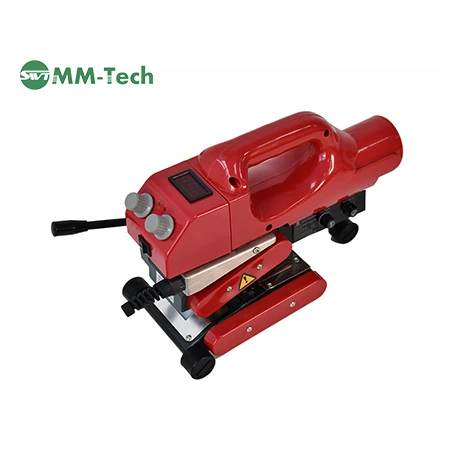

Geo Hot Wedge Welder With Digital Display SWT NS800D Operation Guide
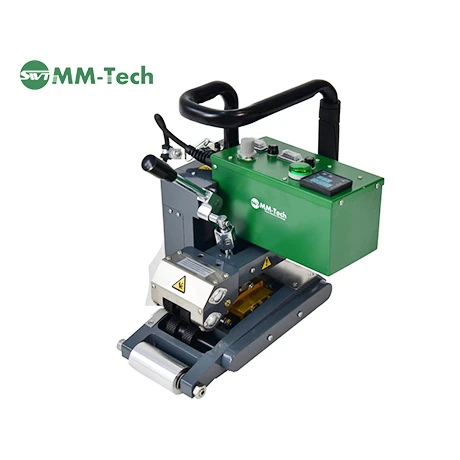
Heavy-Duty Geo Hot Wedge Welder SWT-NS900 Operation Guide
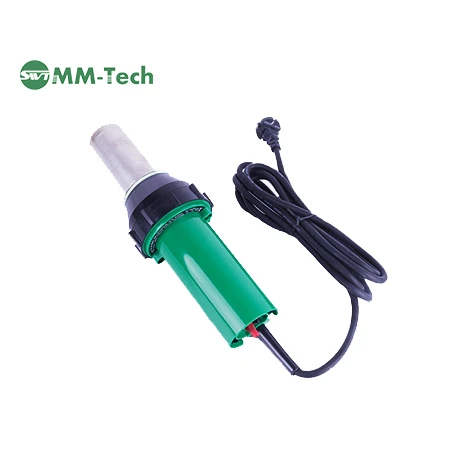
Powerful Professional Hot Air Tool SWT-NS3400A Operation Guide
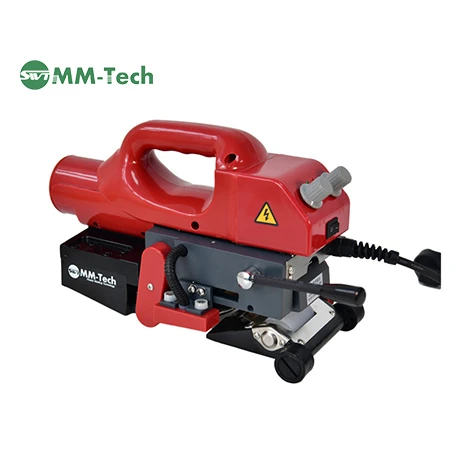
Geo Hot Wedge Welder SWT NS800 Operation Guide
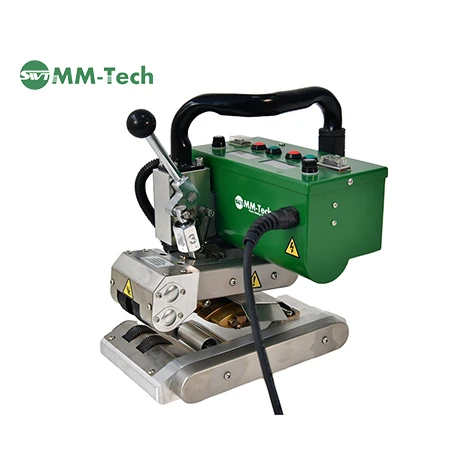
Compact HDPE Hot Wedge Welding Machine SWT-NSGM1 Operation Guide
Related News
2026-02-24 11:15:19
Comprehensive Guide to Plastic Extrusion Welding Machine Technology and Applications
Plastic extrusion welding machines are vital tools in numerous industries, facilitating the joining of thermoplastic materials with precision and efficiency. From constructing large tanks and vessels to fabricating pipelines and specialized components, these machines offer a robust and reliable solution. Understanding the different types, applications, and key features is crucial for making informed investment decisions. At MMTech Weld, we specialize in delivering high-quality plastic extrusion welding solutions tailored to diverse industrial needs. Choosing the right machine can significantly impact your production efficiency and the quality of your finished products. Plastic extrusion welding is a process where thermoplastic materials are melted and fused together using heat and pressure. The machine precisely controls the temperature, feed rate, and welding speed to create strong, leak-proof joints. These machines typically consist of a heating element, feed roller, welding shoe, and control panel. Different types of machines cater to specific applications and materials, ranging from portable units for smaller projects to automated systems for large-scale production. The key to a successful weld is ensuring consistent heat distribution and proper material compatibility.
2026-02-11 02:45:23
Comprehensive Guide to Plastic Extrusion Welding Techniques and Equipment Selection
Plastic extrusion welding is a versatile and efficient process used to join thermoplastic materials. This technique is widely employed across various industries, from automotive and construction to marine and chemical processing. At MM Tech Weld, we specialize in providing high-quality plastic extrusion welders and related solutions. This article delves into the intricacies of plastic extrusion welding, its applications, benefits, and key considerations for choosing the right equipment. Understanding this process can significantly improve your project efficiency and product quality. Plastic extrusion welding is a process where a thermoplastic welding material, typically a rod or wire, is melted and fed into the joint between two thermoplastic workpieces. The welding material is melted using a heated shoe, and as it cools, it fuses the two pieces together, creating a strong, leak-proof bond. Unlike other welding methods, extrusion welding doesn’t require the base materials to be completely melted, making it ideal for thicker sections and on-site repairs.
2026-01-30 14:55:50
Comprehensive Guide to Hand Extrusion Welder Applications and Selection
A hand extrusion welder is a portable and versatile tool used for joining thermoplastic materials. It’s a crucial piece of equipment in various industries, from plastic fabrication to pipeline repair. This article provides a comprehensive guide to hand extrusion welders, exploring their applications, benefits, key considerations when choosing one, and how MM Tech Weld delivers high-quality solutions. Understanding this technology allows professionals to optimize welding processes and achieve durable, reliable results. A hand extrusion welder operates by melting thermoplastic welding rods and extruding the molten material into the joint to be welded. The welder consists of a heating element, a feed mechanism for the welding rods, and a shoe or nozzle that guides the molten plastic.
2026-01-28 11:20:05
Comprehensive Guide to Pressure Leak Detectors for Enhanced Safety and Efficiency
In industries dealing with gases, vacuum systems, and pressurized environments, identifying leaks quickly and accurately is paramount for safety, efficiency, and cost control. A pressure leak detector is a critical tool for these applications, offering a non-destructive method to pinpoint even the smallest breaches in containment. This article will explore the different types of pressure leak detectors, their applications, advantages, and considerations for choosing the right detector for your specific needs. Efficient leak detection translates directly to minimized product loss, reduced energy consumption, and a safer working environment. Several technologies are employed in pressure leak detectors, each with its strengths and weaknesses. Some common types include: Bubble leak detectors, using a soap solution to reveal leaks as bubbles; Halogen leak detectors, sensitive to halogen-containing refrigerants; Ultrasonic leak detectors, detecting the high-frequency sound generated by escaping gas; and Mass spectrometer leak detectors (helium leak detectors), offering extremely high sensitivity by identifying helium molecules.
2026-01-27 22:55:02
Comprehensive Guide to Vacuum Leak Detection and Repair Techniques
Detecting and repairing vacuum leaks is crucial for maintaining optimal performance in various systems, from automotive engines to industrial processes. A seemingly small leak can lead to significant inefficiencies, reduced power, and even system failure. This article will provide a detailed look into understanding vacuum leaks, the tools used to find them – specifically, vacuum leak finders – troubleshooting techniques, and preventative measures. We’ll cover common causes, best practices, and how to choose the right equipment for your needs. Addressing vacuum leaks promptly can save you time, money, and potential headaches. Several methods can be used to locate vacuum leaks. The most basic involves a visual inspection of hoses, gaskets, and connections. However, many leaks are small and difficult to detect with the naked eye.
2026-01-27 19:55:20
Bullseye Leak Detector A Comprehensive Guide for Efficient Leak Detection
Maintaining the integrity of pressurized systems is critical in numerous industries, from HVAC and refrigeration to automotive and plumbing. A seemingly small leak can lead to significant inefficiencies, costly repairs, and even safety hazards. The Bullseye leak detector is a powerful tool designed to quickly and accurately pinpoint leaks in a variety of applications. This article will delve into the features, benefits, and applications of this versatile detector, ensuring you can effectively identify and address leaks before they escalate. Accurate leak detection is paramount for ensuring system efficiency and safety, and the Bullseye provides a reliable solution for professionals across various trades.
2026-01-27 18:25:14
Wegener Extrusion Welder Technology for Robust Thermoplastic Joining Solutions
When it comes to reliable and efficient solutions for joining thermoplastic materials, a Wegener Extrusion Welder stands as a leading choice. Known for its precision and durability, Wegener technology is trusted by professionals in diverse industries. This article delves into the features, applications, and benefits of Wegener Extrusion Welders, providing a thorough overview for those seeking a robust welding solution. Choosing the right equipment can significantly impact project quality and efficiency, and Wegener consistently delivers. Wegener extrusion welding utilizes a specialized machine that melts thermoplastic material and precisely extrudes it onto the joint area. This process creates a strong, homogenous weld, free from the weaknesses often associated with other joining methods. The controlled heat input minimizes distortion and stress on the materials. Unlike traditional welding techniques, it is exceptionally well-suited for large diameter pipe and complex geometries. MM Tech Weld’s Wegener machines offer unparalleled control and consistency for critical applications.
2026-01-25 02:10:06
Extrusion Welding HDPE Liner: A Guide
Learn about extrusion welding HDPE liner for industrial applications. Material specs, vendor comparison & why it’s a top choice for containment.
SUBSCRIBE NEWSLETTER
Dear customer, thank you for your attention! We provide high-quality machinery and equipment and look forward to your orders. Please inform us of your needs and we will respond quickly!






 English
  Arabic
  Bengali
  Czech
Czech  Dutch
Dutch  Finnish
  French
  German
  Hungarian
  Italian
  Japanese
  Korean
  Latin
Latin  Norwegian
  Polish
  Portuguese
  Russian
  Spanish
  Thai
Thai  Vietnamese