
-
 Email:news@peweldingmachine.com
-
 +86-137 3974 5191
-
 Add:
Add:NO.355,Youyi Street,Qiaoxi District,Shijiazhuang,Hebei,China.



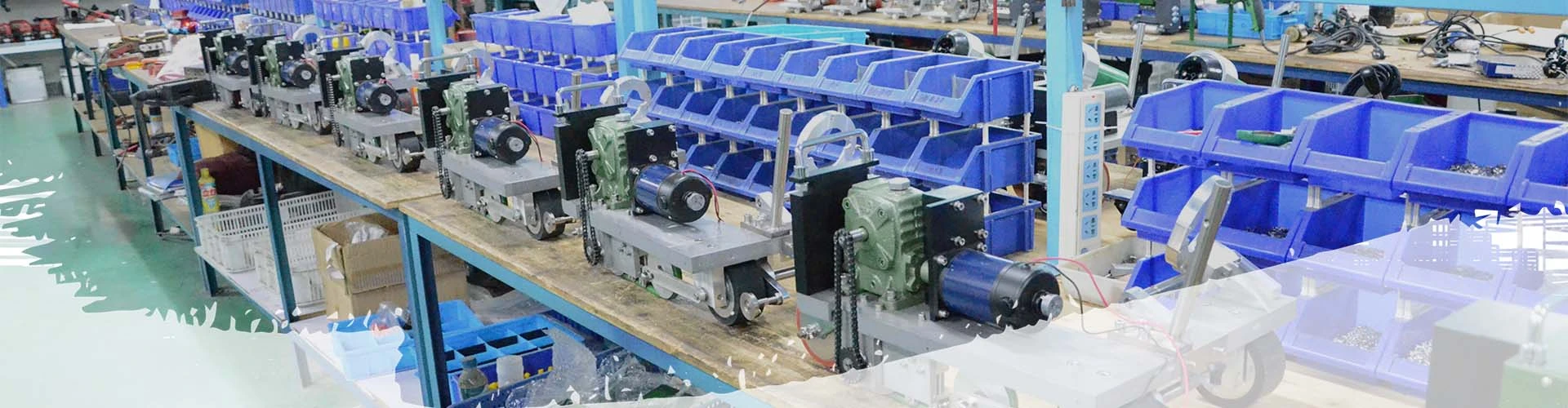
Plastic Welding Torch | Fast-Heat, Precise Temp, Pro-Grade

Plastic Welding Torch | Fast-Heat, Precise Temp, Pro-Grade
Oct . 19, 2025 16:30
Field Notes from the Roof: The Real Story on the Plastic Welding Torch
On any windy rooftop, consistency beats bravado. That’s why crews keep asking me which plastic welding torch setup actually holds a seam when the weather turns. Short answer: automation and tight temperature control are winning. Longer answer below.
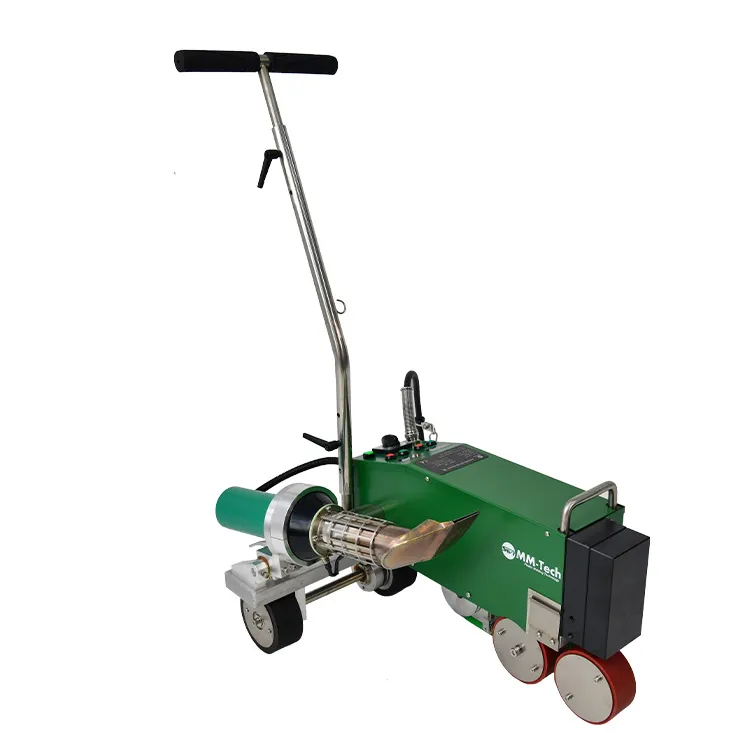
Trend check: from open flame to precise hot air
Infrastructure owners are leaning into PVC and TPO for reflectivity and lifecycle costs, while EPDM still holds ground in specific climates. The move to automated, guided hot-air units (yes, the modern plastic welding torch) is about fewer rework calls and cleaner QC data. IoT counters, seam temperature logging, and quick peel-test verification are increasingly standard on large bids.
Product spotlight: Polymer Welding Machine SWT-WP1
Made in NO.355, Youyi Street, Qiaoxi District, Shijiazhuang, Hebei, China, the SWT-WP1 is built for PVC, TPO, and EPDM membrane welding. In practice, it’s fast to dial, steady in wind, and—surprisingly—quiet. Many customers say it reduces morning “trial-and-error” time compared with older rigs, especially on dew-kissed surfaces. It’s purpose-built for thermoplastic waterproof membranes, not a gimmick.
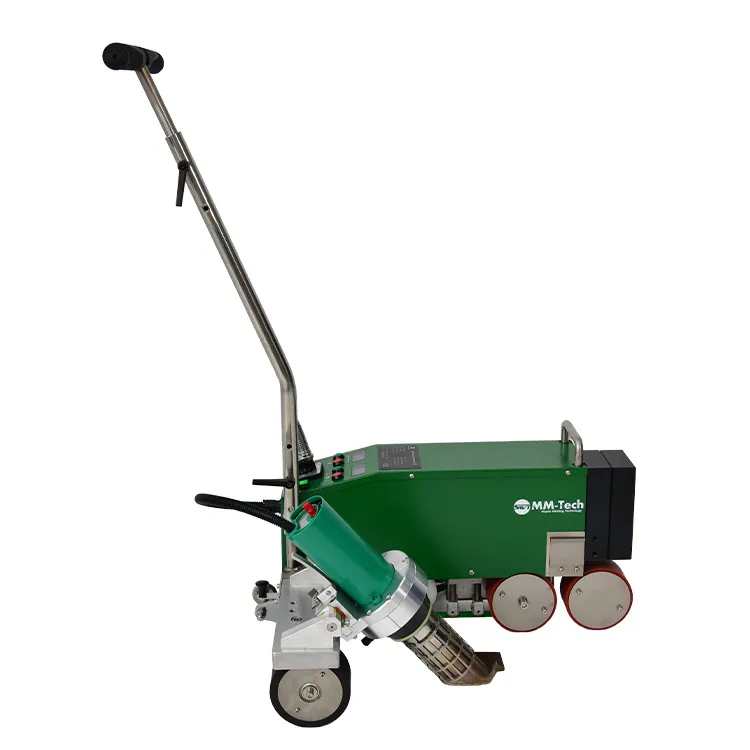
SWT-WP1 quick specs (field-oriented)
| Machine type | Automatic hot-air membrane welder (roofing/civil) |
| Compatible materials | PVC, TPO, EPDM (thermoplastic membranes) |
| Typical temp range | ≈ 100–620°C (real-world use may vary by ambient and color) |
| Seam width | ≈ 40 mm primary weld (common roofing spec), with overlap guide |
| Speed | ≈ 2–12 m/min depending on membrane and weather |
| Use cases | Commercial roofs, tunnels, basements, liners, podium decks |
Note: Values are indicative; confirm with the official datasheet and on-site test welds.
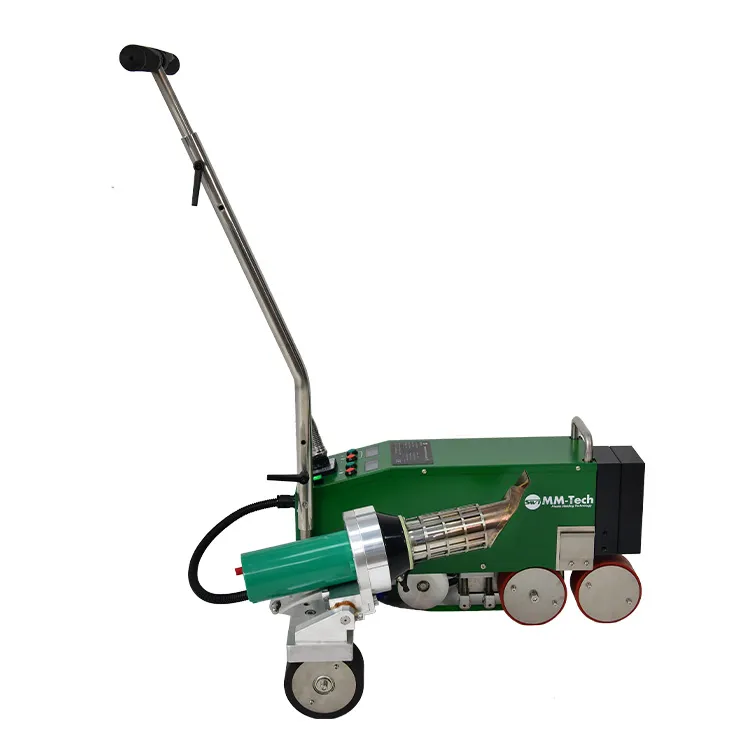
How crews run it: process flow
- Material prep: clean overlap (≥ 75 mm), square edges; check manufacturer sheet specs (ASTM D4434 for PVC, D6878 for TPO, D4637 for EPDM).
- Settings: start around 480–560°C, 3–6 m/min, adjust for ambient/cloud cover. Dark membranes often need slightly less heat.
- Tack and weld: guide the plastic welding torch nozzle into the overlap; maintain uniform pressure at the drive wheel.
- Testing: probe test entire seam; peel tests per ASTM D1876 or EN 12316-2 every roll change or weather shift.
- QC logging: record temp/speed, ambient, and pass/fail. Service-life targets on well-installed systems often run 20–30 years, subject to design and maintenance.
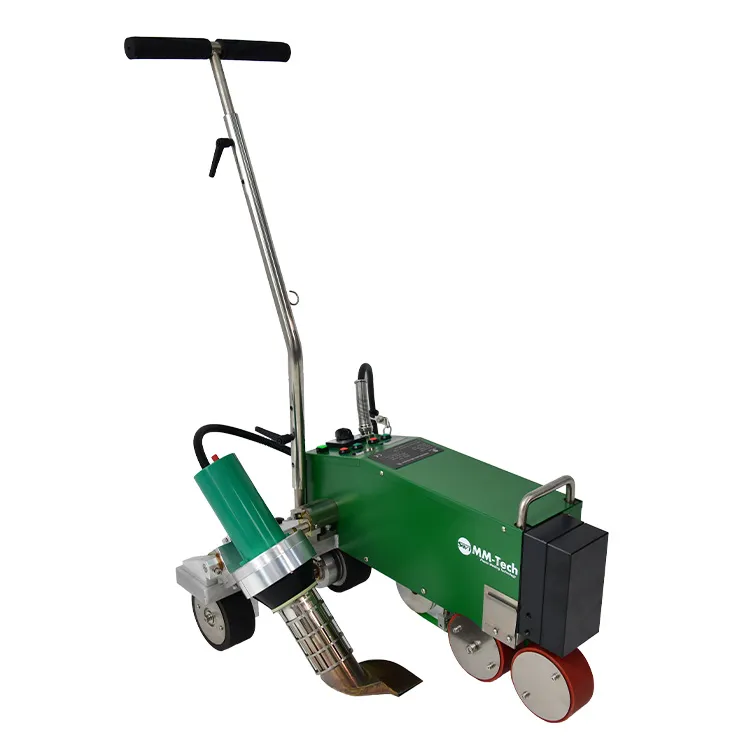
Vendor snapshot: how SWT-WP1 stacks up
| Model | Temp range | Speed | Notes |
|---|---|---|---|
| MM-Tech SWT-WP1 | ≈100–620°C | ≈2–12 m/min | Strong on PVC/TPO/EPDM; straightforward controls; good value. |
| Leister VARIMAT V2 | ≈100–620°C | ≈2–12 m/min | Widely specified; lots of accessories; premium pricing. |
| BAK LarOn | ≈80–620°C | ≈1.5–12 m/min | Robust chassis; popular in large liners; competitive cost. |
Comparison based on publicly available brochures and field notes; confirm exact specs with vendors.
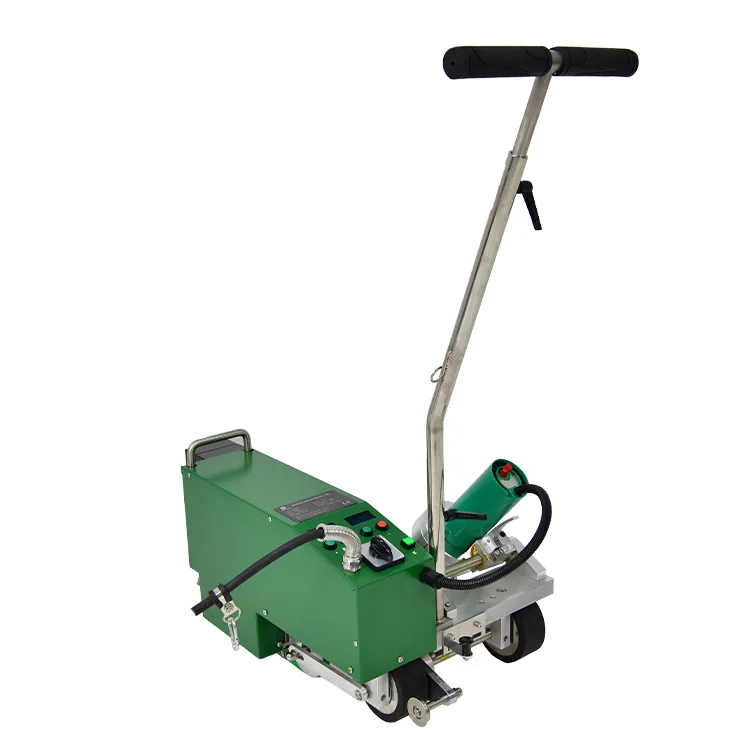
Field performance, tests, and feedback
On a 20,000 m² logistics roof in Hebei last fall, crews ran SWT-WP1 at ≈520°C and 4.5 m/min on 1.5 mm TPO; peel checks per ASTM D1876 logged ≥6–10 N/mm in cool mornings. Probe tests passed with minimal touch-ups. One foreman told me, “It just holds, even when the sun goes behind the clouds.” That’s the whole point of a reliable plastic welding torch.
What to look for on compliance: installers certified through IAGI’s CWT program; membranes conforming to ASTM (D4434/D6878/D4637); seam verification to EN 12316-2; and, for some owners, FM 4470 approvals on the full assembly.
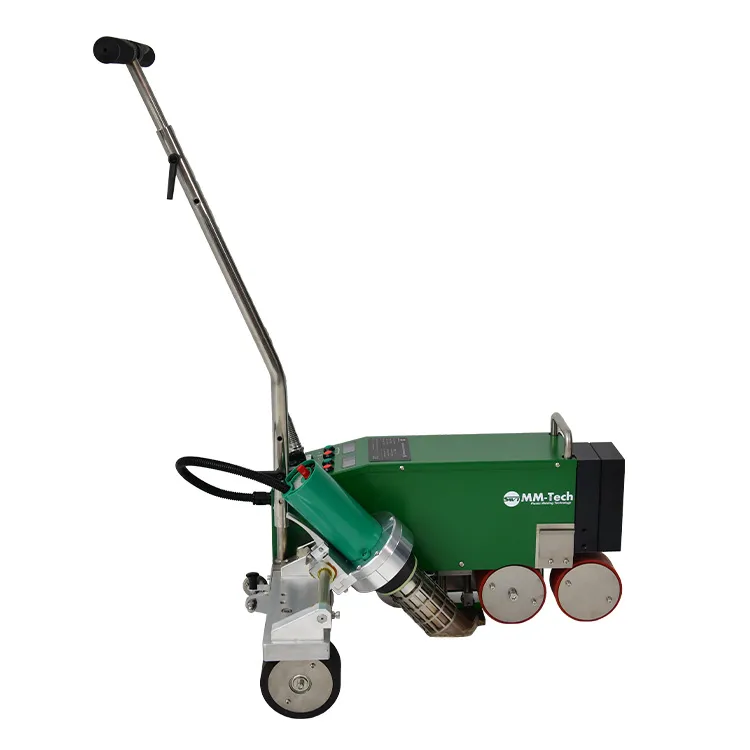
Customization tips
- Nozzle widths and pressure wheel durometers for specific membranes.
- Edge guides for straight laps on long runs; ballast kits for gusty days.
- Data logging modules for temp/speed traces—handy in QA submittals.
If you care more about seam data than marketing adjectives (I do), run test coupons every weather change and document everything. The right plastic welding torch makes that routine, not painful.
Authoritative references
- ASTM D6878 — Standard Specification for Thermoplastic Polyolefin (TPO) Sheet Roofing.
- ASTM D4434 — Standard Specification for Poly(Vinyl Chloride) (PVC) Sheet Roofing.
- ASTM D4637 — Standard Specification for EPDM Sheet Roofing.
- ASTM D1876 — Standard Test Method for Peel Resistance of Adhesives (T-Peel).
- EN 12316-2 — Flexible sheets for waterproofing — Determination of peel resistance of joints.
- IAGI CWT — Certified Welding Technician Program.
- FM 4470 — Approval Standard for Single-Ply, Polymer-Modified Bitumen Sheet, Built-Up Roof (BUR) and Liquid Applied Roof Assemblies.

Related Products
Related Video


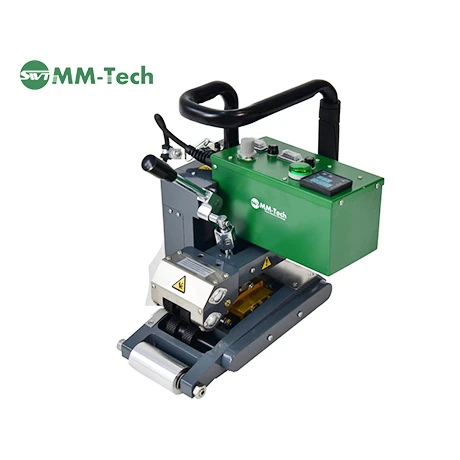
Geo Hot Wedge Welder With Digital Display SWT NS800D Operation Guide
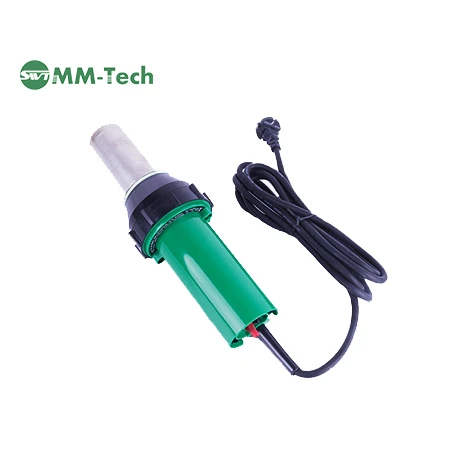
Heavy-Duty Geo Hot Wedge Welder SWT-NS900 Operation Guide
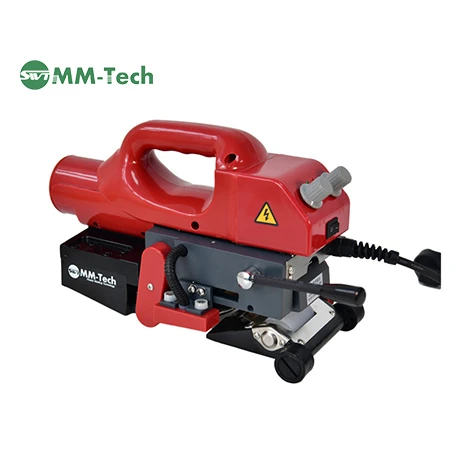
Powerful Professional Hot Air Tool SWT-NS3400A Operation Guide
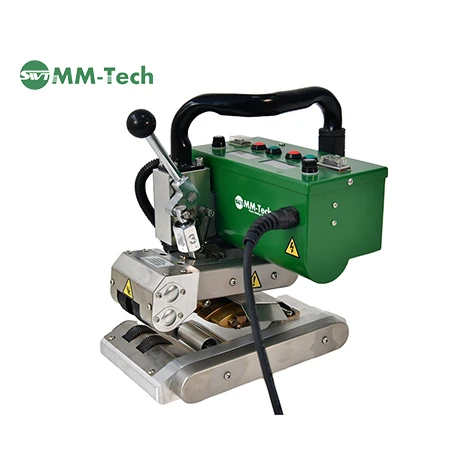
Geo Hot Wedge Welder SWT NS800 Operation Guide
Compact HDPE Hot Wedge Welding Machine SWT-NSGM1 Operation Guide
Related News
2026-02-24 11:15:19
Comprehensive Guide to Plastic Extrusion Welding Machine Technology and Applications
Plastic extrusion welding machines are vital tools in numerous industries, facilitating the joining of thermoplastic materials with precision and efficiency. From constructing large tanks and vessels to fabricating pipelines and specialized components, these machines offer a robust and reliable solution. Understanding the different types, applications, and key features is crucial for making informed investment decisions. At MMTech Weld, we specialize in delivering high-quality plastic extrusion welding solutions tailored to diverse industrial needs. Choosing the right machine can significantly impact your production efficiency and the quality of your finished products. Plastic extrusion welding is a process where thermoplastic materials are melted and fused together using heat and pressure. The machine precisely controls the temperature, feed rate, and welding speed to create strong, leak-proof joints. These machines typically consist of a heating element, feed roller, welding shoe, and control panel. Different types of machines cater to specific applications and materials, ranging from portable units for smaller projects to automated systems for large-scale production. The key to a successful weld is ensuring consistent heat distribution and proper material compatibility.
2026-02-11 02:45:23
Comprehensive Guide to Plastic Extrusion Welding Techniques and Equipment Selection
Plastic extrusion welding is a versatile and efficient process used to join thermoplastic materials. This technique is widely employed across various industries, from automotive and construction to marine and chemical processing. At MM Tech Weld, we specialize in providing high-quality plastic extrusion welders and related solutions. This article delves into the intricacies of plastic extrusion welding, its applications, benefits, and key considerations for choosing the right equipment. Understanding this process can significantly improve your project efficiency and product quality. Plastic extrusion welding is a process where a thermoplastic welding material, typically a rod or wire, is melted and fed into the joint between two thermoplastic workpieces. The welding material is melted using a heated shoe, and as it cools, it fuses the two pieces together, creating a strong, leak-proof bond. Unlike other welding methods, extrusion welding doesn’t require the base materials to be completely melted, making it ideal for thicker sections and on-site repairs.
2026-01-30 14:55:50
Comprehensive Guide to Hand Extrusion Welder Applications and Selection
A hand extrusion welder is a portable and versatile tool used for joining thermoplastic materials. It’s a crucial piece of equipment in various industries, from plastic fabrication to pipeline repair. This article provides a comprehensive guide to hand extrusion welders, exploring their applications, benefits, key considerations when choosing one, and how MM Tech Weld delivers high-quality solutions. Understanding this technology allows professionals to optimize welding processes and achieve durable, reliable results. A hand extrusion welder operates by melting thermoplastic welding rods and extruding the molten material into the joint to be welded. The welder consists of a heating element, a feed mechanism for the welding rods, and a shoe or nozzle that guides the molten plastic.
2026-01-28 11:20:05
Comprehensive Guide to Pressure Leak Detectors for Enhanced Safety and Efficiency
In industries dealing with gases, vacuum systems, and pressurized environments, identifying leaks quickly and accurately is paramount for safety, efficiency, and cost control. A pressure leak detector is a critical tool for these applications, offering a non-destructive method to pinpoint even the smallest breaches in containment. This article will explore the different types of pressure leak detectors, their applications, advantages, and considerations for choosing the right detector for your specific needs. Efficient leak detection translates directly to minimized product loss, reduced energy consumption, and a safer working environment. Several technologies are employed in pressure leak detectors, each with its strengths and weaknesses. Some common types include: Bubble leak detectors, using a soap solution to reveal leaks as bubbles; Halogen leak detectors, sensitive to halogen-containing refrigerants; Ultrasonic leak detectors, detecting the high-frequency sound generated by escaping gas; and Mass spectrometer leak detectors (helium leak detectors), offering extremely high sensitivity by identifying helium molecules.
2026-01-27 22:55:02
Comprehensive Guide to Vacuum Leak Detection and Repair Techniques
Detecting and repairing vacuum leaks is crucial for maintaining optimal performance in various systems, from automotive engines to industrial processes. A seemingly small leak can lead to significant inefficiencies, reduced power, and even system failure. This article will provide a detailed look into understanding vacuum leaks, the tools used to find them – specifically, vacuum leak finders – troubleshooting techniques, and preventative measures. We’ll cover common causes, best practices, and how to choose the right equipment for your needs. Addressing vacuum leaks promptly can save you time, money, and potential headaches. Several methods can be used to locate vacuum leaks. The most basic involves a visual inspection of hoses, gaskets, and connections. However, many leaks are small and difficult to detect with the naked eye.
2026-01-27 19:55:20
Bullseye Leak Detector A Comprehensive Guide for Efficient Leak Detection
Maintaining the integrity of pressurized systems is critical in numerous industries, from HVAC and refrigeration to automotive and plumbing. A seemingly small leak can lead to significant inefficiencies, costly repairs, and even safety hazards. The Bullseye leak detector is a powerful tool designed to quickly and accurately pinpoint leaks in a variety of applications. This article will delve into the features, benefits, and applications of this versatile detector, ensuring you can effectively identify and address leaks before they escalate. Accurate leak detection is paramount for ensuring system efficiency and safety, and the Bullseye provides a reliable solution for professionals across various trades.
2026-01-27 18:25:14
Wegener Extrusion Welder Technology for Robust Thermoplastic Joining Solutions
When it comes to reliable and efficient solutions for joining thermoplastic materials, a Wegener Extrusion Welder stands as a leading choice. Known for its precision and durability, Wegener technology is trusted by professionals in diverse industries. This article delves into the features, applications, and benefits of Wegener Extrusion Welders, providing a thorough overview for those seeking a robust welding solution. Choosing the right equipment can significantly impact project quality and efficiency, and Wegener consistently delivers. Wegener extrusion welding utilizes a specialized machine that melts thermoplastic material and precisely extrudes it onto the joint area. This process creates a strong, homogenous weld, free from the weaknesses often associated with other joining methods. The controlled heat input minimizes distortion and stress on the materials. Unlike traditional welding techniques, it is exceptionally well-suited for large diameter pipe and complex geometries. MM Tech Weld’s Wegener machines offer unparalleled control and consistency for critical applications.
2026-01-25 02:10:06
Extrusion Welding HDPE Liner: A Guide
Learn about extrusion welding HDPE liner for industrial applications. Material specs, vendor comparison & why it’s a top choice for containment.
SUBSCRIBE NEWSLETTER
Dear customer, thank you for your attention! We provide high-quality machinery and equipment and look forward to your orders. Please inform us of your needs and we will respond quickly!






 English
  Arabic
  Bengali
  Czech
Czech  Dutch
Dutch  Finnish
  French
  German
  Hungarian
  Italian
  Japanese
  Korean
  Latin
Latin  Norwegian
  Polish
  Portuguese
  Russian
  Spanish
  Thai
Thai  Vietnamese