
-
 Email:news@peweldingmachine.com
-
 +86-137 3974 5191
-
 Add:
Add:NO.355,Youyi Street,Qiaoxi District,Shijiazhuang,Hebei,China.



Industrial Hot Air Gun: Essential Tool for Precision Heating & Manufacturing

Industrial Hot Air Gun: Essential Tool for Precision Heating & Manufacturing
Dec . 01, 2025 12:35
Why Industrial Hot Air Guns Matter in Today’s World
Industrial hot air guns might not steal the spotlight like some flashy tech, but they quietly power a surprising range of industries worldwide. For anyone who’s ever peeled a stubborn sticker, shrunk packaging film, or tackled precision soldering, these tools are invaluable. But their utility goes deeper: from large factory floors to disaster relief zones, understanding the role industrial hot air guns play can reveal a lot about modern production efficiency and even humanitarian responses.
Why does this matter globally? According to ISO standards and industry reports, reliable heating tools like industrial hot air guns reduce waste, improve safety, and boost productivity. They make processes faster without sacrificing precision. And in a world that increasingly demands sustainable manufacturing and quick repairs, these devices fit right in.
Mini takeaway: Although small and often unseen, industrial hot air guns have a hand in making manufacturing smoother and emergency responses swifter worldwide.
Global Context: Facing Industrial Challenges with Practical Heat Tools
Industrial production is evolving at an unprecedented clip. The World Bank notes rapid growth in manufacturing hubs across Asia, Latin America, and Africa. These regions increasingly rely on flexible tools that can adapt to different materials and conditions — enter the industrial hot air gun.
Yet, challenges abound: processors face difficulties with inconsistent material quality, energy costs, and worker safety. Effective temperature control is crucial, particularly in sectors like electronics assembly or packaging. Industrial hot air guns help bridge these gaps by providing a controlled stream of hot air without direct flame, reducing hazards while accelerating workflows.
Mini takeaway: In an expanding global market, industrial hot air guns address real problems like safety and efficiency in manufacturing and repair.
What Is an Industrial Hot Air Gun?
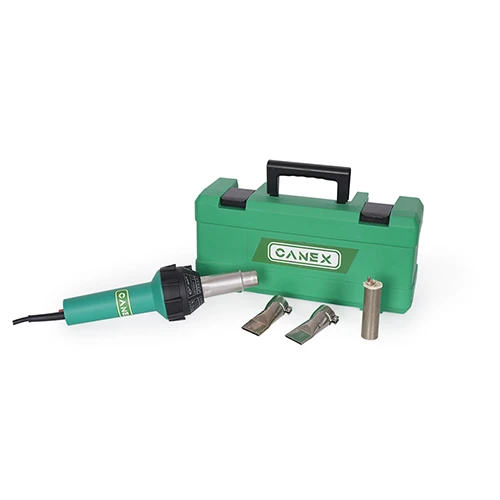
Simply put, an industrial hot air gun is a handheld device that emits a stream of hot air at controlled temperatures. Unlike a household hairdryer, these guns can reach much higher temperatures — up to around 650°C (1200°F) — and often come with adjustable airflow and nozzle attachments.
Connected deeply to modern industry, these tools are found in assembly lines, automotive shops, and even humanitarian settings, where they aid in plastic welding, paint stripping, shrink-wrapping, and more. They offer a flameless, precise alternative to open flames or ovens, reducing risk and increasing versatility.
Mini takeaway: Industrial hot air guns are powerful, precision heating tools critical for a variety of technical and practical tasks.
Core Components to Consider
1. Temperature Range and Control
The efficiency of an industrial hot air gun largely depends on its ability to reach and maintain specific temperatures, often between 100°C and 650°C. Many models have digital controls or stepless dials to adjust heat output, crucial for delicate materials that might melt or burn easily.
2. Airflow and Nozzle Versatility
Adjustable airflow helps direct heat precisely where needed. Swappable nozzles—such as flat, concentrator, or reflector types—mean operators can tailor the heat spread for different tasks, whether shrinking tubing or drying coatings.
3. Durability and Build Quality
Given the rugged environments they operate in, industrial hot air guns are designed with robust housings, often with heat-resistant plastics or metals. Some models include thermal cutoffs to prevent overheating, extending tool lifespan and safety.
4. Portability and Ergonomics
Most are handheld and lightweight, but design details like grip shape, trigger style, and cord length can impact operator comfort during prolonged use — obviously a big deal on factory floors.
Mini takeaway: When investing in an industrial hot air gun, consider temperature accuracy, airflow options, durability, and user comfort as essential factors.
Global Applications & Use Cases
From automotive manufacturing in Germany’s industrial belt to electronics assembly lines in Southeast Asia, industrial hot air guns serve many purposes. In post-disaster relief efforts (for example, after hurricanes), they’re used for rapid plastic welding to repair shelters. Remote regions in Africa benefit from their role in solar panel assembly, helping technicians install and fix components efficiently.
Even the packaging industry relies heavily on these tools for shrinking film wraps and heat sealing goods, ensuring shipments arrive intact across continents.
Mini takeaway: Whether it’s high-tech factories or humanitarian operations, industrial hot air guns are versatile tools for heating, sealing, and assembling tasks worldwide.
Advantages and Long-Term Benefits
- Cost Efficiency: Faster jobs mean labor savings and less energy waste.
- Safety: A flameless, controlled heat reduces risks compared to open flames.
- Sustainability: Durable tools reduce replacement frequency and lower environmental impact.
- Innovation Enablement: Allows new manufacturing techniques like plastic welding and controlled material shaping.
Besides the logical benefits, there’s an emotional layer: workers feel safer and more confident using tools that don’t “flare up” unexpectedly. Innovation brings pride, and trust in reliable equipment builds morale.
Mini takeaway: Industrial hot air guns combine practical savings with intangible benefits like worker safety and innovation.
The Future of Industrial Hot Air Guns: Trends & Innovations
The industry is gently shifting toward greener and smarter tools. Expect more hot air guns powered by energy-efficient heating elements, or rechargeable battery models offering cordless freedom (finally!). Integration with sensors and IoT could allow automatic temperature adjustments based on material feedback — reducing errors and waste.
Materials advances mean lighter but tougher housings, and digital interfaces let users save presets for specific jobs, making workflow smoother. These tools are also starting to appear in automated robotic stations, bringing precision heating into Industry 4.0 factories.
Mini takeaway: Upcoming advances will blend energy efficiency, digital control, and ergonomics in next-gen industrial hot air guns.
Challenges and Solutions
A few hitches remain. Heat consistency over long use can falter; lower-end models overheat; operators sometimes struggle with noisy fans or bulky designs. Not every unit is easy to repair either — which can stall production unexpectedly.
Luckily, many manufacturers improve these by upgrading electric components, adding thermal cutoffs, and designing modular parts for easier maintenance. Training operators carefully also cuts misuse, increasing tool longevity.
Mini takeaway: Understanding and addressing limitations in design and use fosters better industrial hot air gun reliability.
Product Specification Table
| Feature | Standard Model A1000 | Pro Model X500 |
|---|---|---|
| Temperature Range | 100°C – 550°C | 80°C – 650°C (Digital control) |
| Airflow Control | Fixed | Stepless adjustment |
| Weight | 750g | 680g |
| Safety Features | Thermal fuse | Thermal fuse + overheat sensor |
| Cord Length | 2.5 meters | 3 meters |
Comparing Industrial Hot Air Gun Vendors
| Vendor | Product Range | Warranty | Customer Support | Price Range |
|---|---|---|---|---|
| BrandHeat | Basic to Pro Levels | 2 years | 24/7 phone and online | $60–$180 |
| ThermoPro Tools | Wide, includes cordless | 3 years | Online ticket system, email | $90–$220 |
| HeatWeld Inc. | Specialized welding tools | 1 year | Phone support business hours | $150–$250 |
Frequently Asked Questions About Industrial Hot Air Guns
Q1: What makes an industrial hot air gun better than a regular heat gun?
Industrial hot air guns offer higher temperature control, more durable build suitable for long production cycles, and adjustable airflow/nozzle options that regular heat guns often lack. They’re designed for industrial environments where precision and safety matter more, so you get reliable and consistent performance on tougher tasks.
Q2: Can I use an industrial hot air gun for electronics soldering?
Absolutely. Many industrial hot air guns support delicate soldering because they allow precise temperature settings and focused airflow. Just make sure the model you pick offers fine control and appropriate nozzles, so you don’t risk damaging sensitive components.
Q3: How do I maintain my industrial hot air gun to ensure it lasts?
Regularly clean the air intake vents, avoid overheating by not running at maximum temperature unnecessarily, and inspect the power cord for damage. Using the tool with the right nozzle and proper storage after use also extends its life significantly.
Q4: Are industrial hot air guns energy efficient?
Many modern models are designed with energy-saving features like rapid heat-up and thermal cutoffs to prevent waste. However, efficiency varies by brand and model, so consider energy specs if sustainability is a priority for your operations.
Conclusion: Why Investing in an Industrial Hot Air Gun Pays Off
In the long run, these heating tools are economic, safe, and versatile workhorses. Whether you're assembling electronics down the street or providing rapid repairs after natural disasters, industrial hot air guns help you get the job done faster and cleaner. Their ability to evolve with renewable energy trends and digital controls also means they’ll remain relevant in the near future.
Ready to upgrade your toolkit? Visit our website for the latest selections and expert advice on industrial hot air guns.
References

Related Products
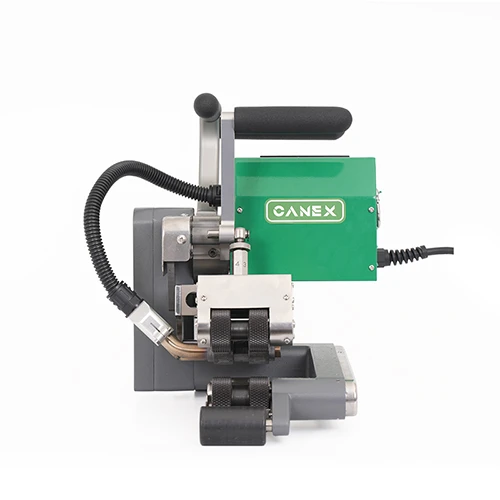
Related Video

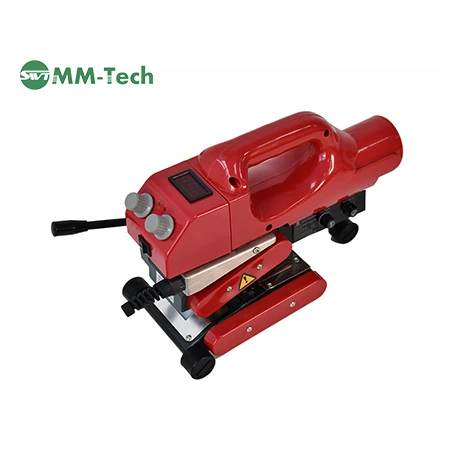

Geo Hot Wedge Welder With Digital Display SWT NS800D Operation Guide
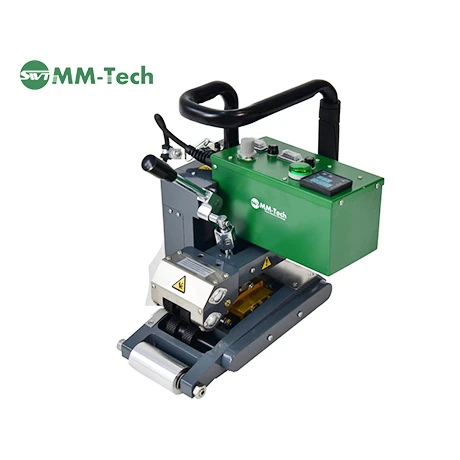
Heavy-Duty Geo Hot Wedge Welder SWT-NS900 Operation Guide
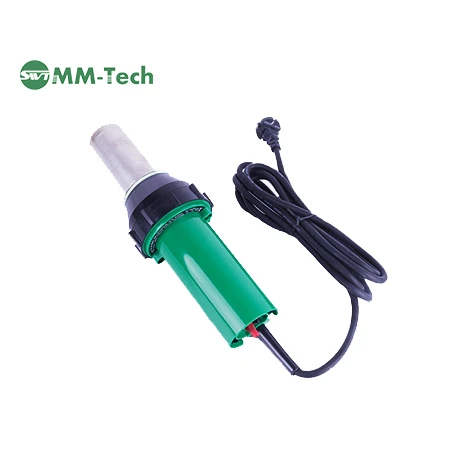
Powerful Professional Hot Air Tool SWT-NS3400A Operation Guide
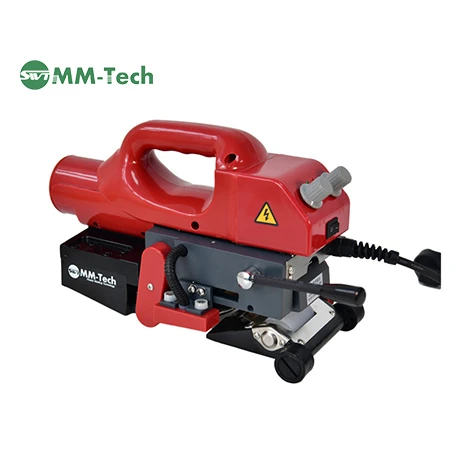
Geo Hot Wedge Welder SWT NS800 Operation Guide
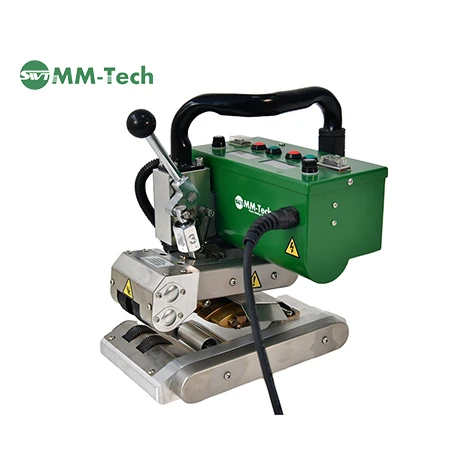
Compact HDPE Hot Wedge Welding Machine SWT-NSGM1 Operation Guide
Related News
2026-02-24 11:15:19
Comprehensive Guide to Plastic Extrusion Welding Machine Technology and Applications
Plastic extrusion welding machines are vital tools in numerous industries, facilitating the joining of thermoplastic materials with precision and efficiency. From constructing large tanks and vessels to fabricating pipelines and specialized components, these machines offer a robust and reliable solution. Understanding the different types, applications, and key features is crucial for making informed investment decisions. At MMTech Weld, we specialize in delivering high-quality plastic extrusion welding solutions tailored to diverse industrial needs. Choosing the right machine can significantly impact your production efficiency and the quality of your finished products. Plastic extrusion welding is a process where thermoplastic materials are melted and fused together using heat and pressure. The machine precisely controls the temperature, feed rate, and welding speed to create strong, leak-proof joints. These machines typically consist of a heating element, feed roller, welding shoe, and control panel. Different types of machines cater to specific applications and materials, ranging from portable units for smaller projects to automated systems for large-scale production. The key to a successful weld is ensuring consistent heat distribution and proper material compatibility.
2026-02-11 02:45:23
Comprehensive Guide to Plastic Extrusion Welding Techniques and Equipment Selection
Plastic extrusion welding is a versatile and efficient process used to join thermoplastic materials. This technique is widely employed across various industries, from automotive and construction to marine and chemical processing. At MM Tech Weld, we specialize in providing high-quality plastic extrusion welders and related solutions. This article delves into the intricacies of plastic extrusion welding, its applications, benefits, and key considerations for choosing the right equipment. Understanding this process can significantly improve your project efficiency and product quality. Plastic extrusion welding is a process where a thermoplastic welding material, typically a rod or wire, is melted and fed into the joint between two thermoplastic workpieces. The welding material is melted using a heated shoe, and as it cools, it fuses the two pieces together, creating a strong, leak-proof bond. Unlike other welding methods, extrusion welding doesn’t require the base materials to be completely melted, making it ideal for thicker sections and on-site repairs.
2026-01-30 14:55:50
Comprehensive Guide to Hand Extrusion Welder Applications and Selection
A hand extrusion welder is a portable and versatile tool used for joining thermoplastic materials. It’s a crucial piece of equipment in various industries, from plastic fabrication to pipeline repair. This article provides a comprehensive guide to hand extrusion welders, exploring their applications, benefits, key considerations when choosing one, and how MM Tech Weld delivers high-quality solutions. Understanding this technology allows professionals to optimize welding processes and achieve durable, reliable results. A hand extrusion welder operates by melting thermoplastic welding rods and extruding the molten material into the joint to be welded. The welder consists of a heating element, a feed mechanism for the welding rods, and a shoe or nozzle that guides the molten plastic.
2026-01-28 11:20:05
Comprehensive Guide to Pressure Leak Detectors for Enhanced Safety and Efficiency
In industries dealing with gases, vacuum systems, and pressurized environments, identifying leaks quickly and accurately is paramount for safety, efficiency, and cost control. A pressure leak detector is a critical tool for these applications, offering a non-destructive method to pinpoint even the smallest breaches in containment. This article will explore the different types of pressure leak detectors, their applications, advantages, and considerations for choosing the right detector for your specific needs. Efficient leak detection translates directly to minimized product loss, reduced energy consumption, and a safer working environment. Several technologies are employed in pressure leak detectors, each with its strengths and weaknesses. Some common types include: Bubble leak detectors, using a soap solution to reveal leaks as bubbles; Halogen leak detectors, sensitive to halogen-containing refrigerants; Ultrasonic leak detectors, detecting the high-frequency sound generated by escaping gas; and Mass spectrometer leak detectors (helium leak detectors), offering extremely high sensitivity by identifying helium molecules.
2026-01-27 22:55:02
Comprehensive Guide to Vacuum Leak Detection and Repair Techniques
Detecting and repairing vacuum leaks is crucial for maintaining optimal performance in various systems, from automotive engines to industrial processes. A seemingly small leak can lead to significant inefficiencies, reduced power, and even system failure. This article will provide a detailed look into understanding vacuum leaks, the tools used to find them – specifically, vacuum leak finders – troubleshooting techniques, and preventative measures. We’ll cover common causes, best practices, and how to choose the right equipment for your needs. Addressing vacuum leaks promptly can save you time, money, and potential headaches. Several methods can be used to locate vacuum leaks. The most basic involves a visual inspection of hoses, gaskets, and connections. However, many leaks are small and difficult to detect with the naked eye.
2026-01-27 19:55:20
Bullseye Leak Detector A Comprehensive Guide for Efficient Leak Detection
Maintaining the integrity of pressurized systems is critical in numerous industries, from HVAC and refrigeration to automotive and plumbing. A seemingly small leak can lead to significant inefficiencies, costly repairs, and even safety hazards. The Bullseye leak detector is a powerful tool designed to quickly and accurately pinpoint leaks in a variety of applications. This article will delve into the features, benefits, and applications of this versatile detector, ensuring you can effectively identify and address leaks before they escalate. Accurate leak detection is paramount for ensuring system efficiency and safety, and the Bullseye provides a reliable solution for professionals across various trades.
2026-01-27 18:25:14
Wegener Extrusion Welder Technology for Robust Thermoplastic Joining Solutions
When it comes to reliable and efficient solutions for joining thermoplastic materials, a Wegener Extrusion Welder stands as a leading choice. Known for its precision and durability, Wegener technology is trusted by professionals in diverse industries. This article delves into the features, applications, and benefits of Wegener Extrusion Welders, providing a thorough overview for those seeking a robust welding solution. Choosing the right equipment can significantly impact project quality and efficiency, and Wegener consistently delivers. Wegener extrusion welding utilizes a specialized machine that melts thermoplastic material and precisely extrudes it onto the joint area. This process creates a strong, homogenous weld, free from the weaknesses often associated with other joining methods. The controlled heat input minimizes distortion and stress on the materials. Unlike traditional welding techniques, it is exceptionally well-suited for large diameter pipe and complex geometries. MM Tech Weld’s Wegener machines offer unparalleled control and consistency for critical applications.
2026-01-25 02:10:06
Extrusion Welding HDPE Liner: A Guide
Learn about extrusion welding HDPE liner for industrial applications. Material specs, vendor comparison & why it’s a top choice for containment.
SUBSCRIBE NEWSLETTER
Dear customer, thank you for your attention! We provide high-quality machinery and equipment and look forward to your orders. Please inform us of your needs and we will respond quickly!






 English
  Arabic
  Bengali
  Czech
Czech  Dutch
Dutch  Finnish
  French
  German
  Hungarian
  Italian
  Japanese
  Korean
  Latin
Latin  Norwegian
  Polish
  Portuguese
  Russian
  Spanish
  Thai
Thai  Vietnamese