
-
 Email:news@peweldingmachine.com
-
 +86-137 3974 5191
-
 Add:
Add:NO.355,Youyi Street,Qiaoxi District,Shijiazhuang,Hebei,China.



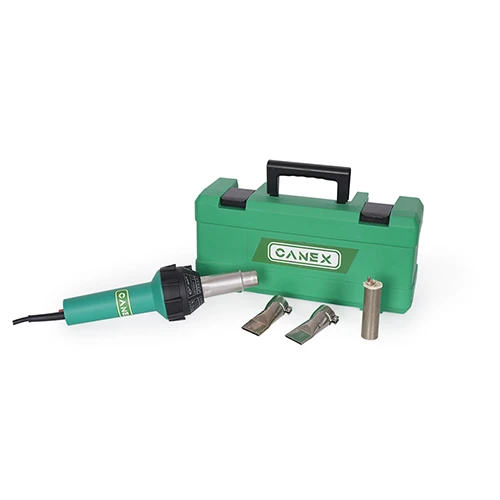
Heat Gun for Soldering Electronics – Precise Tools for Global Tech Innovations

Heat Gun for Soldering Electronics – Precise Tools for Global Tech Innovations
Dec . 02, 2025 04:25
Understanding the Heat Gun for Soldering Electronics: A Modern Essential Tool
It might sound peculiar at first—why is a heat gun so crucial for soldering electronics? Well, in our increasingly connected world, tiny circuitry and delicate components are everywhere. Think smartphones, medical devices, or even satellite hardware. The precision and control offered by a heat gun meant specifically for soldering electronics are invaluable, not just in industrial giants but also in small repair shops or humanitarian tech hubs. Globally, leveraging these tools efficiently can mean longer device lifespans, reduced electronic waste, and faster repair turnaround times – a win-win for sustainability and tech accessibility.
Mini takeaway: The heat gun for soldering electronics serves as a vital bridge between component durability and efficient assembly or repair, impacting industries worldwide.
Introduction: Why This Technology Matters Globally
According to ISO standards and World Bank reports, the electronics manufacturing industry contributes substantially to the global GDP, with approximately 10% growth annually. Yet, challenges arise with intricate device repair and manufacturing precision—enter the heat gun for soldering electronics. It solves a core problem: how to deliver heat accurately enough to melt solder without damaging sensitive parts.
In developing countries, tangled e-waste and scarce replacement parts make repair a matter of necessity, not choice. Here, the right soldering equipment, especially heat guns tailored for electronics, can transform lifecycles of devices—extending utility and reducing landfill contributions.
Mini takeaway: Heat guns for soldering are pivotal tools addressing industry growth, repair challenges, and sustainability worldwide.
Definition & Meaning: What Exactly Is a Heat Gun for Soldering Electronics?
Simply put, a heat gun for soldering electronics is a handheld device engineered to deliver precise, controlled bursts of heat, usually ranging between 100 °C to 600 °C, targeting delicate circuit components. Unlike construction heat guns designed for paint stripping or plumbing, these guns have adjustable temperature control and often come with specialized nozzles to direct heat narrowly.
They are indispensable in tasks like surface-mount device (SMD) reflow, shrink tubing, or desoldering components without damaging surrounding parts. Their role reaches beyond industry — NGOs working in disaster relief or educational tech hubs rely on these tools for repairing essential devices under tough conditions.
Mini takeaway: Heat guns for electronics soldering are precise heating tools adapted specifically for delicate, high-tech tasks across industries and humanitarian aid.
Key Factors or Core Components
1. Temperature Control
Accurate temperature settings are non-negotiable. Overheating can damage PCBs; too little heat won't melt the solder properly. The adjustable thermostats or digital displays help users maintain the right heat.
2. Nozzle Design
The nozzle directs airflow. Different sizes—from broad for even heating to fine tips for pinpoint accuracy—allow versatility in various soldering scenarios.
3. Power Consumption
Devices usually range between 300W and 700W. Higher wattage means faster heating but might be bulkier. Portability matters, especially in fieldwork or repair vans.
4. Durability & Safety Features
Because electronics work involves sensitive environments, heat guns often come with built-in thermal cutoffs and ergonomic grips to minimize hazards.
5. Accessories and Compatibility
Extra items like ceramic nozzles, carrying cases, and built-in stands enhance usability across applications.
Mini takeaway: Optimal soldering performance hinges on fine-tuned temperature controls, nozzle types, power efficiency, and safety.
Global Applications & Use Cases
- Consumer Electronics Repair Shops: Delicate device repairs need precision heat for removing SMD chips or repairing connectors.
- Manufacturing Plants: Automated soldering plus manual touch-ups often require specialized heat guns.
- Humanitarian Tech Centers: In disaster-hit regions, quickly refurbishing communication devices helps maintain connectivity.
- Education & Maker Spaces: Students and hobbyists use these guns for prototyping and learning electronics basics.
- Aerospace and Medical Device Assembly: High precision and regulatory standards make these heat guns necessary for safety-critical components.
Oddly enough, the diversity of regions using heat guns ranges from Silicon Valley’s advanced labs to small electronics workshops in Nairobi or Mumbai.
Mini takeaway: From high-tech manufacturing to grassroots repair, heat guns for soldering electronics find essential roles worldwide.
Advantages & Long-Term Value
Quickly: cost savings. Repair is often less expensive than replacing whole assemblies. Sustainability? Absolutely — less electronics waste and longer device lifetimes. Safety aspects also matter—heat guns with proper controls reduce the risk of burns or fire hazards. For engineers or technicians, the innovation embedded in these tools translates into better precision, reducing human errors.
More broadly, these devices help uphold a sense of dignity—think of communities using tech to rebuild after a natural disaster, enabled by simple yet vital tools like a reliable heat gun for soldering.
Mini takeaway: Efficiency, sustainability, safety, and empowerment are core values delivered by proper soldering heat guns.
Future Trends & Innovations
In recent years, demand for greener electronics tools spurred development of energy-efficient heat guns with improved thermal insulation. Digital control interfaces allow for programmability and integration with Industry 4.0 systems—meaning automated precision and data logging. Some models incorporate infrared sensors for real-time temperature monitoring to prevent component damage.
Material advances also suggest lighter, more durable housings from composites. Besides, as electronic devices become smaller, nozzles are evolving to finer designs, enabling microsoldering tasks that would have been nearly impossible a decade ago.
Mini takeaway: The future of heat guns for electronics embraces automation, sustainability, and miniaturization to match advancing tech demands.
Challenges & Solutions
A major challenge remains skill level—misuse can damage sophisticated boards. Also, counterfeit or subpar heat guns flood certain markets, risking safety and reliability.
Experts suggest investing in reputable brands and comprehensive training. Some vendors now bundle interactive tutorials or augmented reality guides to support new users. Additionally, ongoing R&D aims to introduce smarter heat guns with built-in diagnostic feedback to guide novices.
Mini takeaway: Proper education, trustworthy tools, and smart tech can overcome current limitations in soldering heat gun use.
Product Specifications Table
| Feature | Model A (Basic) | Model B (Pro) | Model C (Smart) |
|---|---|---|---|
| Temperature Range | 100–450 °C | 100–600 °C | 50–600 °C (Digital control) |
| Power Consumption | 350W | 500W | 450W (Energy Efficient) |
| Nozzle Types Included | 2 | 4 | 5 + Infrared sensor |
| Weight | 450g | 620g | 570g |
| Price Range | $30–50 | $70–90 | $110–140 |
Vendor Comparison Table
| Vendor | Warranty | Customer Support | Global Shipping | Training Material |
|---|---|---|---|---|
| TechHeat Co. | 2 years | 24/7 live chat | Yes | Video tutorials & manuals |
| SolderPro Ltd. | 1 year | Email support | Limited countries | PDF guides |
| InnovateHeat | 3 years | Phone & live chat | Yes | Online courses + webinars |
Frequently Asked Questions About Heat Gun for Soldering Electronics
- What temperature should I set for soldering delicate components?
- For most SMD components, a temperature between 250 °C and 350 °C works well. However, it's essential to follow the solder manufacturer's recommendations and test on scraps. Higher temperatures risk burning components or PCB layers.
- Can I use a regular heat gun for electronics soldering?
- Regular heat guns often lack precise temperature control and have wide nozzles, which can damage sensitive components. It's best to use a dedicated heat gun designed for electronics to avoid costly damage.
- How do I prevent static damage while using a heat gun on electronics?
- Always work on an antistatic mat and wear an anti-static wrist strap. Also, ensure the heat gun itself is designed with ESD-safe materials, which helps minimize the risk of electrostatic discharge harming components.
- Are heat guns for soldering electronics safe for beginners?
- Yes, modern models often include safety features such as automatic shut-off and precise temperature controls. Still, training is recommended to avoid overheating and injury. Many vendors offer tutorials or support.
Conclusion
To sum up, the heat gun for soldering electronics is more than a fancy tool—it's a critical enabler of precision, sustainability, and innovation worldwide. Whether you’re in a high-tech facility or rebooting communication networks post-disaster, having the right heat gun can make all the difference.
For those interested in exploring top-notch options and expert guidance, I encourage visiting heat gun for soldering electronics resource page. Investing in quality and training now paves the way for future-ready, reliable electronic assemblies.
Oddly enough, sometimes a simple tool like this quietly underpins the incredible electronic marvels shaping our world...
Reflection: As electronics continue shrinking and complexity grows, the role of tailored heat guns will only expand. Staying informed and choosing the right equipment guarantees both operational success and environmental stewardship.
References

Related Products
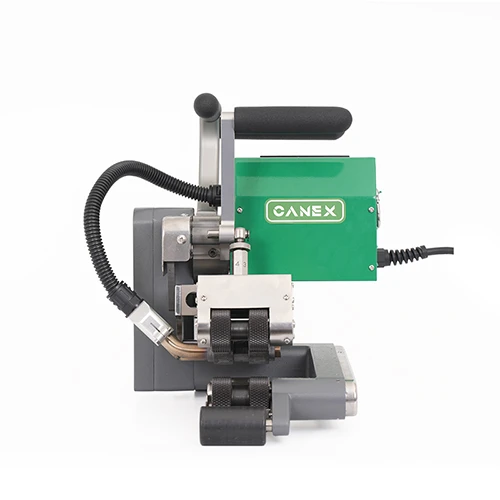
Related Video

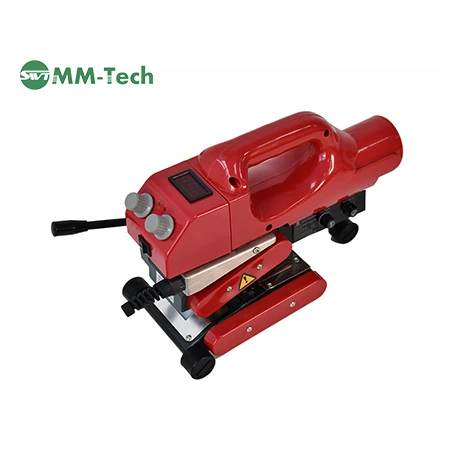

Geo Hot Wedge Welder With Digital Display SWT NS800D Operation Guide
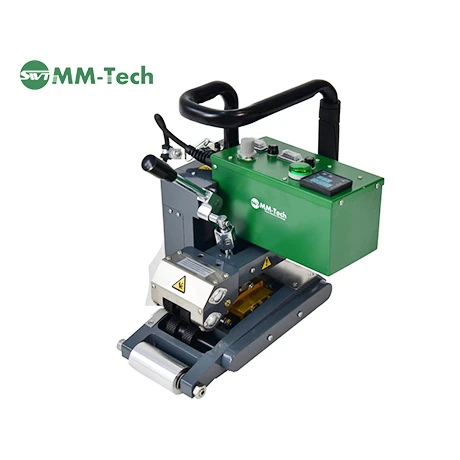
Heavy-Duty Geo Hot Wedge Welder SWT-NS900 Operation Guide
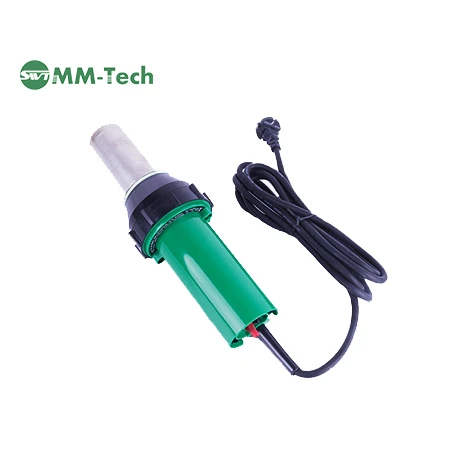
Powerful Professional Hot Air Tool SWT-NS3400A Operation Guide
Geo Hot Wedge Welder SWT NS800 Operation Guide
Compact HDPE Hot Wedge Welding Machine SWT-NSGM1 Operation Guide
Related News
2026-02-24 11:15:19
Comprehensive Guide to Plastic Extrusion Welding Machine Technology and Applications
Plastic extrusion welding machines are vital tools in numerous industries, facilitating the joining of thermoplastic materials with precision and efficiency. From constructing large tanks and vessels to fabricating pipelines and specialized components, these machines offer a robust and reliable solution. Understanding the different types, applications, and key features is crucial for making informed investment decisions. At MMTech Weld, we specialize in delivering high-quality plastic extrusion welding solutions tailored to diverse industrial needs. Choosing the right machine can significantly impact your production efficiency and the quality of your finished products. Plastic extrusion welding is a process where thermoplastic materials are melted and fused together using heat and pressure. The machine precisely controls the temperature, feed rate, and welding speed to create strong, leak-proof joints. These machines typically consist of a heating element, feed roller, welding shoe, and control panel. Different types of machines cater to specific applications and materials, ranging from portable units for smaller projects to automated systems for large-scale production. The key to a successful weld is ensuring consistent heat distribution and proper material compatibility.
2026-02-11 02:45:23
Comprehensive Guide to Plastic Extrusion Welding Techniques and Equipment Selection
Plastic extrusion welding is a versatile and efficient process used to join thermoplastic materials. This technique is widely employed across various industries, from automotive and construction to marine and chemical processing. At MM Tech Weld, we specialize in providing high-quality plastic extrusion welders and related solutions. This article delves into the intricacies of plastic extrusion welding, its applications, benefits, and key considerations for choosing the right equipment. Understanding this process can significantly improve your project efficiency and product quality. Plastic extrusion welding is a process where a thermoplastic welding material, typically a rod or wire, is melted and fed into the joint between two thermoplastic workpieces. The welding material is melted using a heated shoe, and as it cools, it fuses the two pieces together, creating a strong, leak-proof bond. Unlike other welding methods, extrusion welding doesn’t require the base materials to be completely melted, making it ideal for thicker sections and on-site repairs.
2026-01-30 14:55:50
Comprehensive Guide to Hand Extrusion Welder Applications and Selection
A hand extrusion welder is a portable and versatile tool used for joining thermoplastic materials. It’s a crucial piece of equipment in various industries, from plastic fabrication to pipeline repair. This article provides a comprehensive guide to hand extrusion welders, exploring their applications, benefits, key considerations when choosing one, and how MM Tech Weld delivers high-quality solutions. Understanding this technology allows professionals to optimize welding processes and achieve durable, reliable results. A hand extrusion welder operates by melting thermoplastic welding rods and extruding the molten material into the joint to be welded. The welder consists of a heating element, a feed mechanism for the welding rods, and a shoe or nozzle that guides the molten plastic.
2026-01-28 11:20:05
Comprehensive Guide to Pressure Leak Detectors for Enhanced Safety and Efficiency
In industries dealing with gases, vacuum systems, and pressurized environments, identifying leaks quickly and accurately is paramount for safety, efficiency, and cost control. A pressure leak detector is a critical tool for these applications, offering a non-destructive method to pinpoint even the smallest breaches in containment. This article will explore the different types of pressure leak detectors, their applications, advantages, and considerations for choosing the right detector for your specific needs. Efficient leak detection translates directly to minimized product loss, reduced energy consumption, and a safer working environment. Several technologies are employed in pressure leak detectors, each with its strengths and weaknesses. Some common types include: Bubble leak detectors, using a soap solution to reveal leaks as bubbles; Halogen leak detectors, sensitive to halogen-containing refrigerants; Ultrasonic leak detectors, detecting the high-frequency sound generated by escaping gas; and Mass spectrometer leak detectors (helium leak detectors), offering extremely high sensitivity by identifying helium molecules.
2026-01-27 22:55:02
Comprehensive Guide to Vacuum Leak Detection and Repair Techniques
Detecting and repairing vacuum leaks is crucial for maintaining optimal performance in various systems, from automotive engines to industrial processes. A seemingly small leak can lead to significant inefficiencies, reduced power, and even system failure. This article will provide a detailed look into understanding vacuum leaks, the tools used to find them – specifically, vacuum leak finders – troubleshooting techniques, and preventative measures. We’ll cover common causes, best practices, and how to choose the right equipment for your needs. Addressing vacuum leaks promptly can save you time, money, and potential headaches. Several methods can be used to locate vacuum leaks. The most basic involves a visual inspection of hoses, gaskets, and connections. However, many leaks are small and difficult to detect with the naked eye.
2026-01-27 19:55:20
Bullseye Leak Detector A Comprehensive Guide for Efficient Leak Detection
Maintaining the integrity of pressurized systems is critical in numerous industries, from HVAC and refrigeration to automotive and plumbing. A seemingly small leak can lead to significant inefficiencies, costly repairs, and even safety hazards. The Bullseye leak detector is a powerful tool designed to quickly and accurately pinpoint leaks in a variety of applications. This article will delve into the features, benefits, and applications of this versatile detector, ensuring you can effectively identify and address leaks before they escalate. Accurate leak detection is paramount for ensuring system efficiency and safety, and the Bullseye provides a reliable solution for professionals across various trades.
2026-01-27 18:25:14
Wegener Extrusion Welder Technology for Robust Thermoplastic Joining Solutions
When it comes to reliable and efficient solutions for joining thermoplastic materials, a Wegener Extrusion Welder stands as a leading choice. Known for its precision and durability, Wegener technology is trusted by professionals in diverse industries. This article delves into the features, applications, and benefits of Wegener Extrusion Welders, providing a thorough overview for those seeking a robust welding solution. Choosing the right equipment can significantly impact project quality and efficiency, and Wegener consistently delivers. Wegener extrusion welding utilizes a specialized machine that melts thermoplastic material and precisely extrudes it onto the joint area. This process creates a strong, homogenous weld, free from the weaknesses often associated with other joining methods. The controlled heat input minimizes distortion and stress on the materials. Unlike traditional welding techniques, it is exceptionally well-suited for large diameter pipe and complex geometries. MM Tech Weld’s Wegener machines offer unparalleled control and consistency for critical applications.
2026-01-25 02:10:06
Extrusion Welding HDPE Liner: A Guide
Learn about extrusion welding HDPE liner for industrial applications. Material specs, vendor comparison & why it’s a top choice for containment.
SUBSCRIBE NEWSLETTER
Dear customer, thank you for your attention! We provide high-quality machinery and equipment and look forward to your orders. Please inform us of your needs and we will respond quickly!






 English
  Arabic
  Bengali
  Czech
Czech  Dutch
Dutch  Finnish
  French
  German
  Hungarian
  Italian
  Japanese
  Korean
  Latin
Latin  Norwegian
  Polish
  Portuguese
  Russian
  Spanish
  Thai
Thai  Vietnamese