
-
 Email:news@peweldingmachine.com
-
 +86-137 3974 5191
-
 Add:
Add:NO.355,Youyi Street,Qiaoxi District,Shijiazhuang,Hebei,China.



Heat Glue Gun: Versatile Adhesion Solutions for Industry and Crafts

Heat Glue Gun: Versatile Adhesion Solutions for Industry and Crafts
Dec . 01, 2025 07:45
What Exactly Is a Heat Glue Gun and Why It Matters Today
There’s something oddly satisfying about the whir of a heat glue gun warming up on a workbench. Whether you’re a DIY enthusiast, a professional craftsperson, or part of a larger industrial operation, understanding how these handy tools work has a surprisingly global significance. At its core, a heat glue gun is about making strong, quick bonds with thermoplastic adhesives — yet its ripple effects touch everything from manufacturing lines in Germany to repair workshops in remote African villages. The concise benefit? It simplifies fixes, empowers creativity, and supports efficient production globally.
Why Heat Glue Guns Have Become Globally Relevant
Statistically speaking, adhesives and bonding technologies constitute a multi-billion dollar industry worldwide, with the global hot melt adhesives market expected to exceed $13 billion by 2027 (source: MarketsandMarkets). Heat glue guns, which utilize these adhesives in a meltable form, have been quietly but firmly taking root in numerous sectors — packaging, automotive, textiles, electronics, and beyond. A problem many face is the need for rapid, durable, and often portable adhesion solutions, especially where conventional mechanical fasteners aren’t practical.
These tools address issues like time consumption, labor costs, and waste management challenges, which are central for manufacturing hubs and humanitarian operations alike. For example, in disaster relief zones where temporary repairs or quick assembly of shelters are necessary, heat glue guns bring speed and reliability. This simple device meets an otherwise complex need — efficient, accessible bonding.
Defining the Heat Glue Gun: Simple Yet Sophisticated
Put simply, a heat glue gun is a handheld device that heats solid glue sticks until they melt, allowing the user to apply the molten adhesive precisely. Once applied, the glue cools and solidifies almost instantly, producing a strong bond. Despite this simplicity, the technology is quite adaptable, branching into multiple glue formulations (from general-purpose sticks to specialized ones for plastics, metals, or fabric).
The heat glue gun is more than a craft tool; it's a bridge between manual skill and mechanized efficiency. It meets modern industrial demands and humanitarian needs for quick, strong, and sometimes temporary assembly solutions, embodying the idea that innovation doesn’t always mean complexity.
Core Components and Key Factors of Heat Glue Guns
1. Temperature Control
One major factor is how precisely the gun controls its temperature. Many advance models offer adjustable settings, which is vital because different adhesives melt at different temperatures. Using the right temperature avoids damage to sensitive materials and ensures optimal bonding.
2. Power Source and Portability
From corded mains-powered units to cordless rechargeable variants, portability decides whether a glue gun suits static workshop tasks or dynamic, on-site jobs. There’s something liberating about cordless models, especially in confined spaces or fieldwork.
3. Adhesive Types Compatibility
Today’s guns cater not only to basic EVA (ethylene-vinyl acetate) adhesives but also to more specialized formulations. This diversity means you can glue plastics, fabrics, wood, even metal composites — adapting the tool to the application.
4. Durability and Build Quality
The physical design matters. Many professional-grade heat glue guns feature metal nozzles for precision and longevity, heat-resistant casing, and ergonomic shapes for extended use without fatigue.
5. Safety Features
Auto shut-off functions, insulated nozzles, and built-in stands are all parts of the modern heat glue gun’s safety package, helping avoid burns or accidental contact with the hot tip.
Mini takeaway: The best glue gun balances power, control, material versatility, and user safety — a deceptively simple device with intricate design considerations beneath the surface.
Heat Glue Gun Global Applications: Where and How They Are Used
You might be surprised to learn the extent of their reach. In Southeast Asia, textile factories use heat glue guns extensively for temporary hemming and fabric assembly. In North America, manufacturers integrate them on assembly lines for rapid bonding of electrical components. Meanwhile, NGOs delivering aid in fragile environments employ glue guns for quick shelter repairs, avoiding time-consuming mechanical fixing methods.
Take, for instance, a remote industrial zone in South America, where fuel efficiency and limited electrical infrastructure mean a cordless heat glue gun keeps toolkits functional for repairs without access to mains power. Or consider post-disaster relief operations in the Philippines, where heat glue guns help rebuild shelters more quickly and efficiently than traditional nails and screws.
Product Specification Table: A Typical Mid-Range Heat Glue Gun
| Specification | Details |
|---|---|
| Power Supply | Corded, 100-240V AC |
| Temperature Range | 120°C - 200°C (Adjustable) |
| Nozzle Diameter | 4 mm (interchangeable) |
| Weight | 350 grams |
| Warm-up Time | 3-5 minutes |
| Compatible Glue Sticks | 7 mm diameter standard sticks |
The Advantages and Long-Term Value of Using Heat Glue Guns
What strikes many first-time users is how clean, fast, and versatile this tool is. From a cost standpoint, glue guns reduce waste compared to liquid adhesives requiring drying time or more complex bonders needing specialized equipment. Heat glue guns also save labor hours—a critical factor in competitive industries.
Then there’s the sustainability angle: newer glue sticks are being developed with bio-based materials reducing environmental impact. Feel-good innovation, anyone? Beyond pure economics, there’s a social dimension too. When repair shops or small businesses can affordably fix things quickly, it promotes local economies and reduces landfill waste. Plus, the reliability of a heat glue bond under typical conditions is reassuring — no flimsiness or surprise failures.
Vendor Comparison Table: Three Popular Heat Glue Guns On the Market
| Brand & Model | Power Type | Temp Range | Special Features | Price (USD) |
|---|---|---|---|---|
| DeltaCraft Pro | Corded | 120-200°C | Digital temp control, auto shutoff | $56 |
| TechWeld Mini | Cordless (Rechargeable) | 130-190°C | Battery life 90 min, lightweight | $68 |
| GlueMaster 5000 | Corded | 100-180°C | Ergonomic grip, multiple nozzle sizes | $49 |
Looking Ahead: Innovations in Heat Glue Gun Technology
Oddly enough, the world of heat glue guns is quietly embracing tech trends you’d expect in more “high-tech” tools. Bluetooth-enabled temperature control, integration with factory IoT systems for real-time maintenance feedback, and environmentally friendly glue sticks crafted from renewable plant-based polymers all point to a future that’s smarter and greener.
Meanwhile, more ergonomic designs continue to emerge, some aiming to eliminate user strain during extended glue applications. The rise of cordless models with faster charging and longer battery life is particularly notable, making mobility on the job site nearly frictionless.
Challenges Industry Faces and How They’re Overcome
Of course, not everything is sunshine and smooth bonds. One of the biggest issues is temperature fluctuation consistency — cheap glue guns can either overheat or fail to keep a steady melt temperature, risking poor adhesive performance. There’s also the environmental challenge of traditional plastic-based glue sticks contributing to non-biodegradable waste.
Experts suggest investing in higher-quality guns with digital sensors and promoting reuse or recycling programs for spent glue sticks. Furthermore, manufacturers are experimenting with biodegradable adhesives, helping to tackle the waste problem at the source.
FAQ: Frequently Asked Questions About Heat Glue Guns
Q1: Can I use a heat glue gun on all materials?
A1: Generally, heat glue guns work well on wood, fabric, certain plastics, and metals, but their effectiveness depends on the glue stick type. For special materials, such as vinyl or polyethylene, choose compatible adhesive sticks. Always test on a small area first.
Q2: How long does it take for a heat glue gun to warm up?
A2: Most standard glue guns take 3-5 minutes to heat to working temperature, sometimes less for advanced models. Some cordless guns charge quickly but may have a slightly longer initial warm-up.
Q3: Can I leave a heat glue gun plugged in all day?
A3: It’s advisable to use a model with auto shut-off for safety. Leaving a glue gun unattended while plugged in can be unsafe. Continuous use should be broken up according to manufacturer guidance to prevent overheating.
Q4: What’s the best way to clean a heat glue gun nozzle?
A4: While warm, wipe the nozzle carefully with a cloth or use manufacturer-recommended cleaning tools. Avoid sharp objects that can damage the nozzle surface.
Mini takeaway: The heat glue gun is straightforward but needs smart usage for safe, effective results.
Wrapping Up: The Lasting Benefits of Heat Glue Guns
At the end of the day, heat glue guns are more than just “tools.” They’re enablers — for inventors, manufacturers, repair workers, and relief teams worldwide. The blend of speed, durability, versatility, and increasing sustainability efforts creates something that’s not only practical but increasingly essential. If you haven’t already, try seeing the world through the lens of one simple device melting glue — and you might just find new appreciation for its quiet ingenuity.
Explore our range and insights further at https://www.mmtechweld.com.
References

Related Products
Related Video

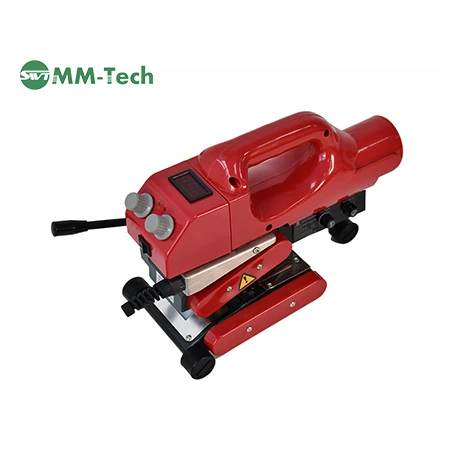

Geo Hot Wedge Welder With Digital Display SWT NS800D Operation Guide
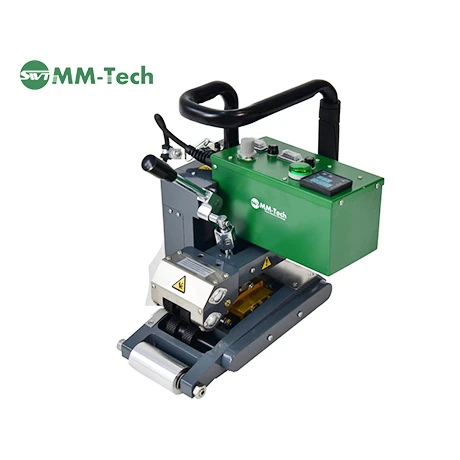
Heavy-Duty Geo Hot Wedge Welder SWT-NS900 Operation Guide
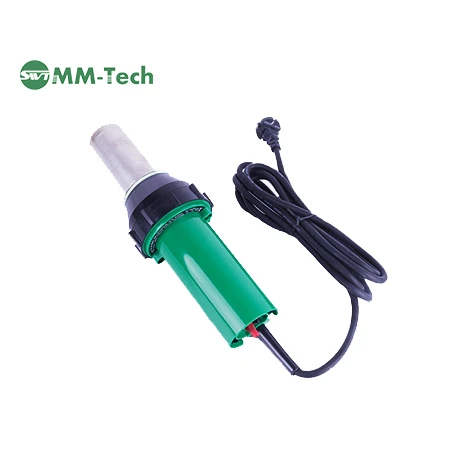
Powerful Professional Hot Air Tool SWT-NS3400A Operation Guide
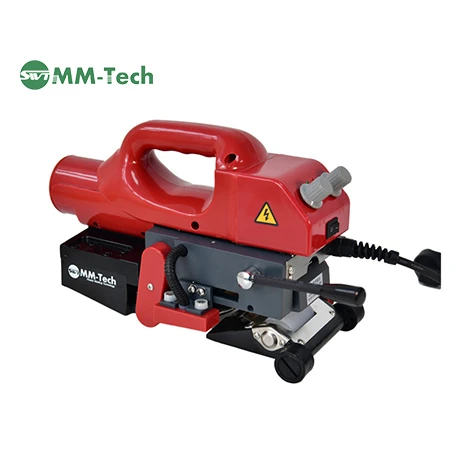
Geo Hot Wedge Welder SWT NS800 Operation Guide
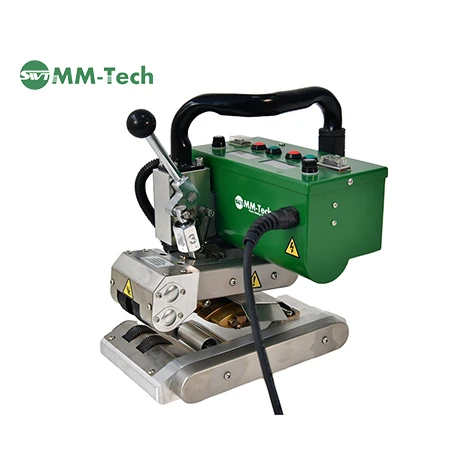
Compact HDPE Hot Wedge Welding Machine SWT-NSGM1 Operation Guide
Related News
2026-02-24 11:15:19
Comprehensive Guide to Plastic Extrusion Welding Machine Technology and Applications
Plastic extrusion welding machines are vital tools in numerous industries, facilitating the joining of thermoplastic materials with precision and efficiency. From constructing large tanks and vessels to fabricating pipelines and specialized components, these machines offer a robust and reliable solution. Understanding the different types, applications, and key features is crucial for making informed investment decisions. At MMTech Weld, we specialize in delivering high-quality plastic extrusion welding solutions tailored to diverse industrial needs. Choosing the right machine can significantly impact your production efficiency and the quality of your finished products. Plastic extrusion welding is a process where thermoplastic materials are melted and fused together using heat and pressure. The machine precisely controls the temperature, feed rate, and welding speed to create strong, leak-proof joints. These machines typically consist of a heating element, feed roller, welding shoe, and control panel. Different types of machines cater to specific applications and materials, ranging from portable units for smaller projects to automated systems for large-scale production. The key to a successful weld is ensuring consistent heat distribution and proper material compatibility.
2026-02-11 02:45:23
Comprehensive Guide to Plastic Extrusion Welding Techniques and Equipment Selection
Plastic extrusion welding is a versatile and efficient process used to join thermoplastic materials. This technique is widely employed across various industries, from automotive and construction to marine and chemical processing. At MM Tech Weld, we specialize in providing high-quality plastic extrusion welders and related solutions. This article delves into the intricacies of plastic extrusion welding, its applications, benefits, and key considerations for choosing the right equipment. Understanding this process can significantly improve your project efficiency and product quality. Plastic extrusion welding is a process where a thermoplastic welding material, typically a rod or wire, is melted and fed into the joint between two thermoplastic workpieces. The welding material is melted using a heated shoe, and as it cools, it fuses the two pieces together, creating a strong, leak-proof bond. Unlike other welding methods, extrusion welding doesn’t require the base materials to be completely melted, making it ideal for thicker sections and on-site repairs.
2026-01-30 14:55:50
Comprehensive Guide to Hand Extrusion Welder Applications and Selection
A hand extrusion welder is a portable and versatile tool used for joining thermoplastic materials. It’s a crucial piece of equipment in various industries, from plastic fabrication to pipeline repair. This article provides a comprehensive guide to hand extrusion welders, exploring their applications, benefits, key considerations when choosing one, and how MM Tech Weld delivers high-quality solutions. Understanding this technology allows professionals to optimize welding processes and achieve durable, reliable results. A hand extrusion welder operates by melting thermoplastic welding rods and extruding the molten material into the joint to be welded. The welder consists of a heating element, a feed mechanism for the welding rods, and a shoe or nozzle that guides the molten plastic.
2026-01-28 11:20:05
Comprehensive Guide to Pressure Leak Detectors for Enhanced Safety and Efficiency
In industries dealing with gases, vacuum systems, and pressurized environments, identifying leaks quickly and accurately is paramount for safety, efficiency, and cost control. A pressure leak detector is a critical tool for these applications, offering a non-destructive method to pinpoint even the smallest breaches in containment. This article will explore the different types of pressure leak detectors, their applications, advantages, and considerations for choosing the right detector for your specific needs. Efficient leak detection translates directly to minimized product loss, reduced energy consumption, and a safer working environment. Several technologies are employed in pressure leak detectors, each with its strengths and weaknesses. Some common types include: Bubble leak detectors, using a soap solution to reveal leaks as bubbles; Halogen leak detectors, sensitive to halogen-containing refrigerants; Ultrasonic leak detectors, detecting the high-frequency sound generated by escaping gas; and Mass spectrometer leak detectors (helium leak detectors), offering extremely high sensitivity by identifying helium molecules.
2026-01-27 22:55:02
Comprehensive Guide to Vacuum Leak Detection and Repair Techniques
Detecting and repairing vacuum leaks is crucial for maintaining optimal performance in various systems, from automotive engines to industrial processes. A seemingly small leak can lead to significant inefficiencies, reduced power, and even system failure. This article will provide a detailed look into understanding vacuum leaks, the tools used to find them – specifically, vacuum leak finders – troubleshooting techniques, and preventative measures. We’ll cover common causes, best practices, and how to choose the right equipment for your needs. Addressing vacuum leaks promptly can save you time, money, and potential headaches. Several methods can be used to locate vacuum leaks. The most basic involves a visual inspection of hoses, gaskets, and connections. However, many leaks are small and difficult to detect with the naked eye.
2026-01-27 19:55:20
Bullseye Leak Detector A Comprehensive Guide for Efficient Leak Detection
Maintaining the integrity of pressurized systems is critical in numerous industries, from HVAC and refrigeration to automotive and plumbing. A seemingly small leak can lead to significant inefficiencies, costly repairs, and even safety hazards. The Bullseye leak detector is a powerful tool designed to quickly and accurately pinpoint leaks in a variety of applications. This article will delve into the features, benefits, and applications of this versatile detector, ensuring you can effectively identify and address leaks before they escalate. Accurate leak detection is paramount for ensuring system efficiency and safety, and the Bullseye provides a reliable solution for professionals across various trades.
2026-01-27 18:25:14
Wegener Extrusion Welder Technology for Robust Thermoplastic Joining Solutions
When it comes to reliable and efficient solutions for joining thermoplastic materials, a Wegener Extrusion Welder stands as a leading choice. Known for its precision and durability, Wegener technology is trusted by professionals in diverse industries. This article delves into the features, applications, and benefits of Wegener Extrusion Welders, providing a thorough overview for those seeking a robust welding solution. Choosing the right equipment can significantly impact project quality and efficiency, and Wegener consistently delivers. Wegener extrusion welding utilizes a specialized machine that melts thermoplastic material and precisely extrudes it onto the joint area. This process creates a strong, homogenous weld, free from the weaknesses often associated with other joining methods. The controlled heat input minimizes distortion and stress on the materials. Unlike traditional welding techniques, it is exceptionally well-suited for large diameter pipe and complex geometries. MM Tech Weld’s Wegener machines offer unparalleled control and consistency for critical applications.
2026-01-25 02:10:06
Extrusion Welding HDPE Liner: A Guide
Learn about extrusion welding HDPE liner for industrial applications. Material specs, vendor comparison & why it’s a top choice for containment.
SUBSCRIBE NEWSLETTER
Dear customer, thank you for your attention! We provide high-quality machinery and equipment and look forward to your orders. Please inform us of your needs and we will respond quickly!






 English
  Arabic
  Bengali
  Czech
Czech  Dutch
Dutch  Finnish
  French
  German
  Hungarian
  Italian
  Japanese
  Korean
  Latin
Latin  Norwegian
  Polish
  Portuguese
  Russian
  Spanish
  Thai
Thai  Vietnamese