
-
 Email:news@peweldingmachine.com
-
 +86-137 3974 5191
-
 Add:
Add:NO.355,Youyi Street,Qiaoxi District,Shijiazhuang,Hebei,China.



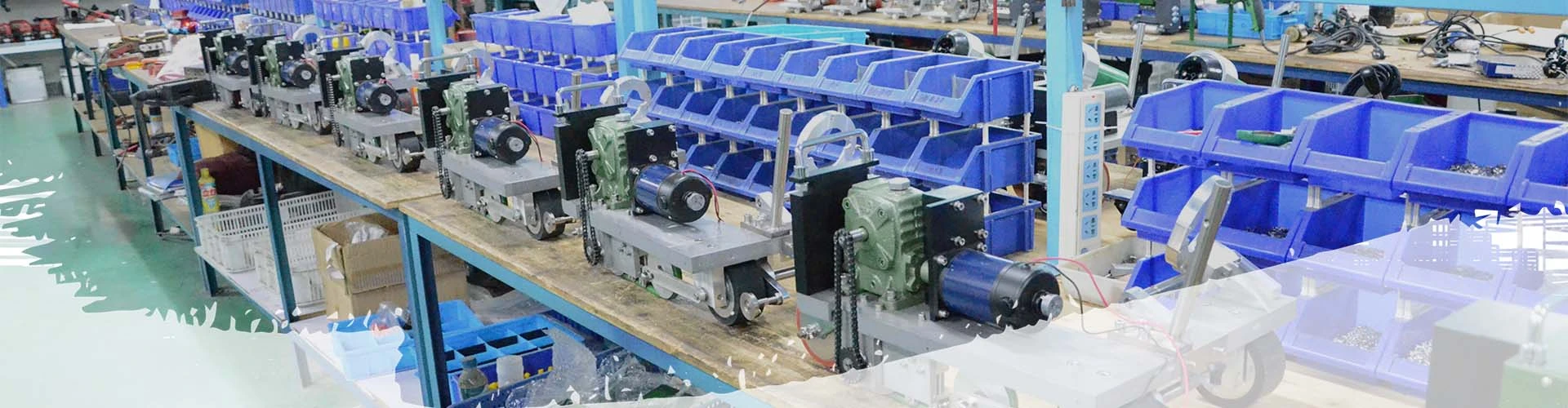
Hand Extrusion Welder: Portable, Professional Plastic Welding Tools

Hand Extrusion Welder: Portable, Professional Plastic Welding Tools
Aug . 30, 2025 07:20
Advancing Thermoplastic Welding with Modern Extrusion Technology
The landscape of thermoplastic welding is continuously evolving, driven by demands for enhanced durability, efficiency, and material compatibility. In this dynamic environment, the hand extrusion welder stands as a cornerstone technology, indispensable for various industrial applications. These versatile tools are critical for creating robust, homogeneous welds in a wide array of plastic materials, from geomembranes in environmental engineering to complex fabrications in chemical processing plants.
Current industry trends indicate a significant shift towards more automated and precise welding solutions, yet the agility and control offered by a handheld unit remain paramount for intricate work, repairs, and projects where larger, automated machinery is impractical. The market for extrusion welders, including the highly specialized hand extrusion welder, is experiencing steady growth, fueled by infrastructure development, stringent environmental regulations requiring high-integrity containment systems, and the increasing adoption of plastics in construction and manufacturing. Key challenges include the need for consistent weld quality across diverse materials and operator skill dependency, which advanced welding extruders are designed to mitigate through sophisticated temperature control and material feed mechanisms.
Innovation in material science and digital control systems is leading to more intelligent and user-friendly devices. The integration of advanced diagnostics and real-time parameter monitoring is not just enhancing weld integrity but also significantly improving operational safety and efficiency for the professional using an extrusion welder for sale. As industries demand higher performance and reliability from their plastic fabrications, the role of precision welding equipment, specifically a robust hand extrusion welder, becomes ever more critical.
The Intricate Manufacturing Process of a Hand Extrusion Welder
The production of a high-performance hand extrusion welder involves a meticulous multi-stage manufacturing process, ensuring precision, durability, and consistent operation. This complex process begins with the selection of high-grade raw materials and culminates in rigorous testing, adhering to global industrial standards.
Material Selection and Initial Processing
- Housing and Structural Components: Typically, robust, impact-resistant engineering plastics (e.g., PA6+GF30 for strength and heat resistance) or lightweight, corrosion-resistant alloys (e.g., anodized aluminum) are chosen. These materials ensure ergonomic handling and protection of internal components.
- Heating Elements: High-purity ceramic or specific resistance alloys (e.g., Nichrome) are selected for their excellent thermal stability and efficiency, ensuring rapid and consistent heating of both the pre-heat air and the plastic welding rod.
- Extrusion Screw and Barrel: Made from specialized high-strength, wear-resistant steel alloys, often nitride-hardened or coated with wear-resistant compounds to withstand abrasive plastic melts and high temperatures over extended service life.
- Motors and Gearboxes: Precision-engineered, high-torque electric motors with durable gear reduction systems for consistent extrusion pressure and reliable operation.
Key Manufacturing Stages
- CNC Machining of Precision Parts: Components like the extrusion screw, barrel, and critical air nozzles are manufactured using advanced CNC (Computer Numerical Control) machining. This ensures ultra-tight tolerances, critical for efficient plastic melting and consistent weld bead formation. Forging might be used for initial shaping of high-stress metallic parts before final machining.
- Heating Element Integration: The design incorporates robust heating chambers for both the pre-heat air and the melt zone. High-precision temperature sensors are strategically placed to allow for accurate digital control.
- Motor and Drive Assembly: The powerful drive motor and its gearbox are assembled, providing the necessary torque to convey and extrude the plastic welding rod through the heated barrel.
- Control System Development: Sophisticated PID (Proportional-Integral-Derivative) controllers manage heating temperatures and motor speed. These electronic systems are rigorously tested for accuracy and responsiveness.
- Ergonomic Housing Fabrication: The welder's exterior casing is designed for operator comfort and safety. Injection molding is typically used for complex plastic housings, ensuring a lightweight yet durable enclosure.
- Final Assembly and Calibration: All sub-assemblies are integrated, and the entire unit undergoes comprehensive calibration. This includes verifying temperature accuracy, extrusion rate, and overall power consumption.
Testing Standards and Service Life
All manufacturing phases are subjected to stringent quality control, adhering to international standards such as ISO 9001 for quality management systems. Individual components and the final product may also meet specific performance and safety standards like CE (Conformité Européenne) for European markets or ANSI standards where applicable. Each hand extrusion welder undergoes electrical safety tests, melt-flow index consistency checks, and operational stress tests to simulate real-world usage. A well-maintained hand extrusion welder, manufactured to these standards, typically boasts a service life of 5-10 years or more, depending on usage intensity and adherence to maintenance schedules.
Target Industries and Application Advantages
These robust welding extruders are essential across various demanding sectors:
- Petrochemical Industry: For welding corrosion-resistant plastic linings in tanks, pipes, and process equipment, offering superior chemical resistance compared to traditional materials.
- Metallurgy: Fabricating acid-resistant baths and protective coatings for harsh environments, leveraging the corrosion resistance of plastics.
- Water Supply & Drainage: Joining large-diameter HDPE pipes, geomembrane liners for reservoirs, landfills, and wastewater treatment ponds, providing leak-proof and energy-saving seals.
- Mining: Constructing leach pads and containment ponds, where geomembrane integrity is paramount for environmental protection.
- Civil Engineering: Tunnel waterproofing, foundation damp-proofing, and bridge deck protection.
In these scenarios, the advantages are clear: energy-saving due to efficient heating and precise material delivery, exceptional corrosion resistance from the welded plastic, and a durable, long-lasting bond that minimizes maintenance and replacement costs. The capability to achieve these benefits relies heavily on the quality and design integrity of the hand extrusion welder itself.
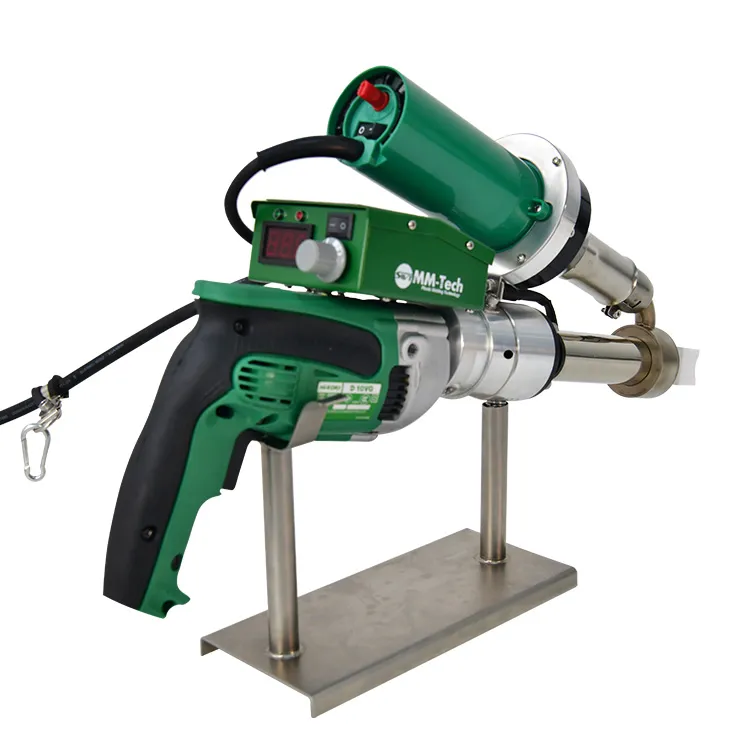
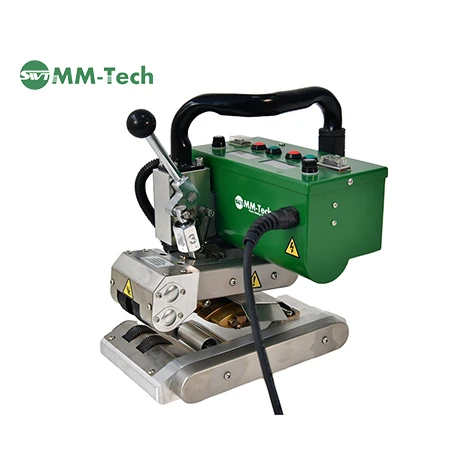
Technical Specifications: The SWT-NS600A Hand Extrusion Welder
The SWT-NS600A hand extrusion welder exemplifies advanced engineering in handheld plastic welding technology. Designed for heavy-duty applications, it delivers precise control and robust performance, making it a preferred choice for professionals seeking an efficient extruder welder for sale.
Key Components and Their Functions:
- Powerful Drive Motor: Provides consistent torque to feed and extrude plastic material, ensuring a steady, uniform weld bead even under varying loads. The motor is often brush-less for extended life and reduced maintenance.
- Dual Heating Elements: Separately controlled heating systems for the pre-heat air and the plastic melt. This allows for optimal temperature management, crucial for different plastic types (HDPE, PP, PVC, PVDF, etc.) and varying ambient conditions.
- Sophisticated Control System: Digital display and intuitive controls enable precise adjustment of extrusion temperature, pre-heat air temperature, and motor speed. Advanced models include memory functions for common material settings and error diagnostics.
- Optimized Screw Design: The extrusion screw is engineered for efficient plasticization and homogeneous melt delivery, minimizing degradation and maximizing weld strength. Different screw geometries may be available for specific plastic types.
- Robust Gearbox: Designed for heavy continuous operation, ensuring smooth and powerful material feed without slippage or excessive wear.
- Ergonomic Handle and Body: Balances weight distribution and grip design to reduce operator fatigue during prolonged use, enhancing safety and precision.
SWT-NS600A Hand Extrusion Welder Product Specifications:
| Parameter | Specification (SWT-NS600A) |
|---|---|
| Voltage | 230V (or 110V upon request) |
| Total Power | 3400W - 3900W (approx.) |
| Welding Rod Diameter | Ø3.0mm - Ø5.0mm (standard) |
| Extrusion Output | Up to 2.5 kg/h (HDPE) |
| Extrusion Temperature | 200°C - 300°C (adjustable) |
| Pre-heating Air Temperature | 20°C - 600°C (adjustable) |
| Weight | Approx. 7.5 kg (without cable) |
| Applicable Materials | HDPE, PP, PVC, PVDF (with appropriate welding rod) |
| Digital Display | Yes, for temperature and speed control |
| Safety Features | Overheat protection, cold start prevention |
These specifications highlight the SWT-NS600A's capability to deliver high-quality, consistent welds in demanding industrial settings. Its ergonomic design combined with robust internal components ensures both operator comfort and long-term reliability for critical applications.
Application Scenarios and Technical Advantages
The versatility of a hand extrusion welder makes it indispensable across a spectrum of industries requiring high-integrity plastic fabrications. Its ability to produce strong, homogeneous welds is critical in preventing leaks, ensuring structural stability, and extending the service life of plastic components.
Typical Application Scenarios:
- Geomembrane Lining Projects: Crucial for welding HDPE, LLDPE, or PVC geomembranes in landfills, mining heap leach pads, artificial ponds, and wastewater treatment lagoons. The welding extruder ensures robust, impermeable seams vital for environmental containment.
- Plastic Tank and Container Fabrication: Used extensively in the chemical industry for constructing and repairing large chemical storage tanks, process vessels, and acid baths made from HDPE or PP. The precise control of a hand extrusion welder allows for complex joint geometries.
- Piping Systems: For repairing, modifying, or connecting large-diameter plastic pipes (HDPE, PP) used in water supply, sewage, and industrial fluid transfer. It's particularly useful for field repairs where electrofusion or butt-fusion is impractical.
- Ventilation Systems: Fabricating and sealing plastic ductwork for corrosive fume extraction in laboratories and industrial facilities.
- Automotive and Marine Industries: Repairing plastic components, bumpers, boat hulls, and fuel tanks where high strength and chemical resistance are required.
- Specialized Structural Welding: Creating custom plastic fabrications for laboratories, cleanrooms, and medical facilities, adhering to strict hygiene and structural integrity standards.
Technical Advantages:
- Superior Weld Strength and Homogeneity: By heating and extruding molten plastic directly onto the weld area, the process creates a fully homogeneous bond, often stronger than the parent material itself. This eliminates the weak points common with hot-air or solvent welding.
- High Output and Efficiency: Extrusion welders deliver a significant volume of molten material per hour, accelerating project completion compared to manual hot-air welding, especially for thick-walled components.
- Material Versatility: Capable of welding a wide range of thermoplastics, including HDPE, PP, PVC, PVDF, and more, by simply changing the welding rod and adjusting temperature settings. This flexibility is key for diverse industrial applications.
- Excellent Penetration: The pressurized extrusion ensures deep penetration into the joint, filling gaps and voids effectively to create a solid, continuous seam.
- Reduced Operator Fatigue: While manual, modern designs focus on ergonomics and balanced weight, making them manageable for extended periods, contributing to consistent weld quality.
- Portability for On-site Work: Despite their power, these units are designed to be hand-held, allowing for precise work in confined spaces, at height, or in remote locations where automated machines cannot reach.
These advantages underscore why the extrusion welder is a critical tool for engineers and fabricators demanding reliability, performance, and durability in their plastic welding operations. The ability to perform high-quality welds on challenging materials and in difficult access areas makes it an indispensable asset.
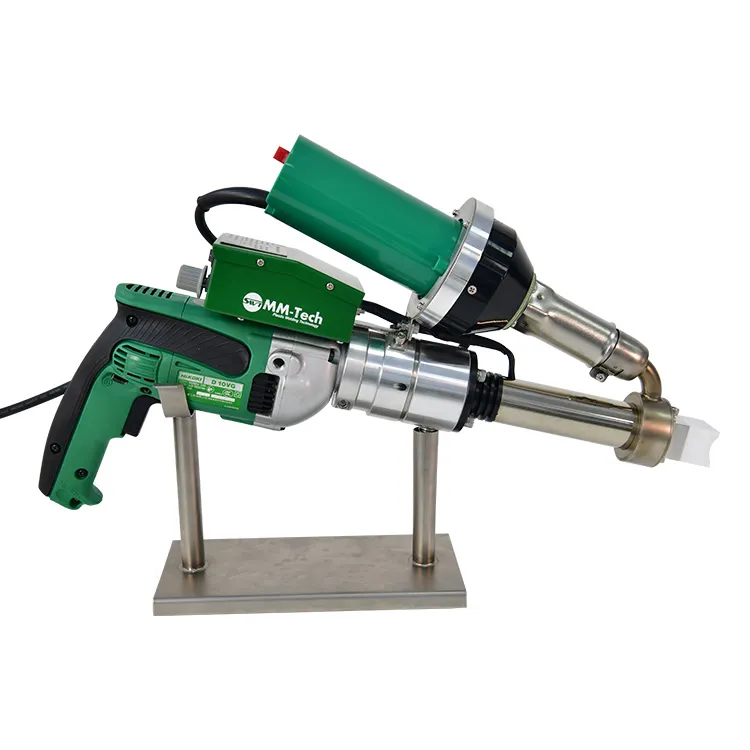
Vendor Comparison and Customized Solutions
Choosing the right hand extrusion welder involves more than just reviewing specifications; it requires a comprehensive evaluation of vendor capabilities, support, and the potential for customized solutions. The market offers a range of options, and discerning professionals prioritize reliability, performance, and long-term value.
Key Differentiators in Vendor Comparison:
- Build Quality & Durability: Assess the materials used for the housing, motor, and heating elements. Premium vendors use robust, corrosion-resistant components designed for continuous industrial use, providing a longer service life for their extrusion welder.
- Precision Control Systems: Look for digital displays with precise temperature and speed controls, ideally with programmable memory settings for different materials. This ensures repeatable, high-quality welds and reduces operator error.
- Output Capacity: Compare the extrusion output (kg/h) to match project demands. Higher output signifies faster project completion for extensive welding tasks.
- Ergonomics & Weight: For a hand extrusion welder, balance, grip, and overall weight significantly impact operator comfort and productivity. Lighter, well-balanced units reduce fatigue.
- After-Sales Support & Warranty: A strong warranty, readily available spare parts, and responsive technical support are crucial for minimizing downtime and maximizing the return on investment.
- Certifications & Compliance: Verify that the equipment meets international safety and quality standards (e.g., CE, ISO). This indicates adherence to rigorous manufacturing practices.
Product Comparison Table: Key Features Across Extrusion Welders
| Feature | Entry-Level Model (Typical) | Mid-Range Model (e.g., SWT-NS600A) | High-End Model (Typical) |
|---|---|---|---|
| Extrusion Output (kg/h, HDPE) | 0.8 - 1.5 | 1.8 - 2.5 | 2.8 - 6.0+ |
| Total Power (W) | 1800 - 2500 | 3000 - 4000 | 4500 - 6000+ |
| Digital Display & Control | Basic analog/digital | Full digital, PID control | Advanced digital, data logging |
| Applicable Materials | HDPE, PP | HDPE, PP, PVC, PVDF | Wide range, specialized polymers |
| Weight (approx. kg) | 5 - 7 | 7 - 9 | 9 - 15+ |
Customized Solutions and Consultation:
Recognizing that no two projects are identical, leading manufacturers offer customized solutions to meet specific operational demands. This can include:
- Specialized Welding Shoes: Custom-designed shoes for unique joint geometries, intricate corner welds, or specific material thicknesses.
- Voltage and Plug Adaptations: Configuring the welding extruder for different regional power supplies and plug types.
- Enhanced Durability Features: Incorporating additional protective coatings or heavier-duty components for use in extremely abrasive or corrosive environments.
- Training and Certification: Providing comprehensive training programs for welding technicians to ensure optimal use and maintenance of the equipment, leading to consistent, high-quality results.
Engaging with a vendor that offers such flexibility and expertise ensures that the chosen hand extrusion welder not only meets current project requirements but also provides a scalable and reliable solution for future endeavors. This partnership approach, where a supplier acts as a solution provider rather than just a product vendor, adds significant value for B2B clients.
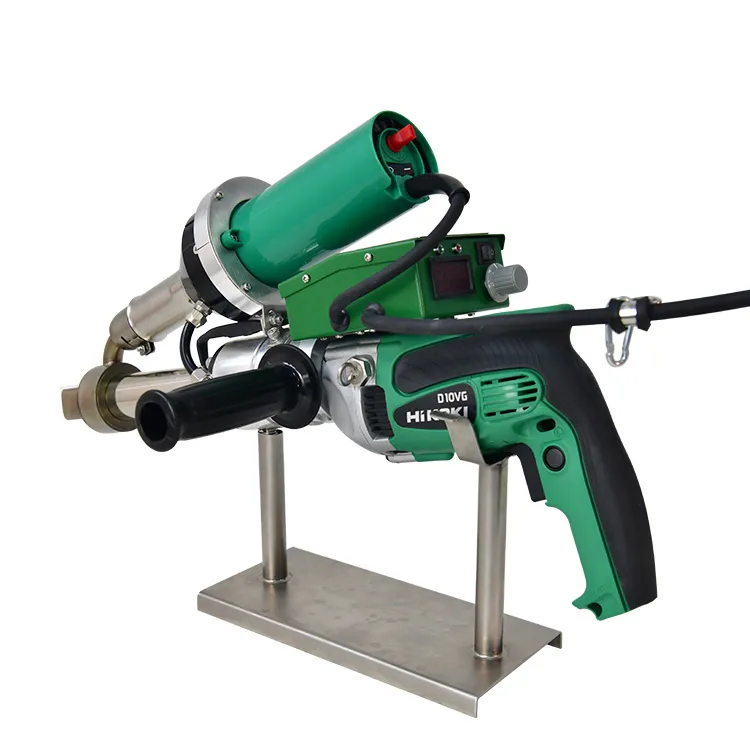
Real-World Application Case Studies & Customer Experience
The true testament to a hand extrusion welder's performance lies in its successful deployment in challenging real-world scenarios. These case studies highlight not only the technical prowess of the equipment but also the invaluable experience and expertise that accompanies its use.
Case Study 1: Large-Scale Wastewater Treatment Plant Liner Installation
Client: Municipal Water Authority, North America
Challenge: Installation of over 200,000 square meters of 2.0mm HDPE geomembrane for new sedimentation basins, requiring precise, leak-proof seams to prevent environmental contamination. Complex geometries around inlets, outlets, and pipe penetrations necessitated a versatile extrusion welder.
Solution: A fleet of SWT-NS600A hand extrusion welders was deployed. Their high output and robust build allowed for rapid seam creation on straight runs, while the precise temperature control and interchangeable welding shoes proved invaluable for intricate detail work and repairs in tight corners. Project managers noted a 15% reduction in overall welding time compared to previous projects using alternative methods, attributing it to the reliability and consistent performance of the equipment. Post-installation spark testing and air pressure tests confirmed zero leaks, demonstrating exceptional weld integrity.
Case Study 2: Chemical Process Tank Fabrication and Repair
Client: Specialty Chemicals Manufacturer, Europe
Challenge: Fabrication of custom-sized polypropylene (PP) tanks for highly corrosive acids and the in-situ repair of existing PVDF-lined process vessels. The welding required exceptional chemical resistance and structural strength.
Solution: The SWT-NS600A hand extrusion welder, specifically equipped with PP and PVDF welding rods and appropriate shoe profiles, proved ideal. The dual heating zones provided the precise thermal management required for these demanding materials, minimizing thermal degradation and ensuring maximum chemical inertness of the weld. Engineers praised the welder's ability to maintain a consistent melt temperature and extrusion pressure, which was crucial for achieving homogenous, stress-free welds that could withstand aggressive chemical exposure. The agility of the handheld unit allowed for easy access to confined spaces within the existing plant for repairs, significantly reducing downtime and avoiding costly vessel replacement.
Customer Feedback Highlights:
- "The SWT-NS600A has become our go-to welding extruder for all geomembrane repairs. Its consistent output and reliable temperature control mean we get perfect welds every time, reducing re-work significantly." - Site Supervisor, Environmental Engineering Firm
- "We appreciate the robust build quality and the intuitive digital interface. It makes training new technicians easier and ensures our experienced welders can maintain peak performance throughout long shifts." - Production Manager, Plastic Fabrication Workshop
- "For pipe repairs in the field, portability and power are key. This hand extrusion welder delivers both, allowing us to complete critical infrastructure repairs quickly and effectively, minimizing service interruptions." - Field Engineer, Utility Services Provider
These testimonials and case studies underscore the practical benefits and operational excellence delivered by advanced hand extrusion welding technology, making it a trusted choice for critical B2B applications worldwide.
Trust and Authority: Ensuring Reliability and Support
For B2B clients, the decision to invest in a hand extrusion welder is heavily influenced by the manufacturer's reliability, adherence to quality standards, and comprehensive support infrastructure. Establishing trust and demonstrating authority are paramount in this sector.
Certifications, Partnerships, and Industry Standing:
- ISO 9001:2015 Certification: Demonstrates a commitment to quality management systems across design, manufacturing, and after-sales service. This ensures consistent product quality and customer satisfaction.
- CE Mark Compliance: Guarantees that the equipment meets European safety, health, and environmental protection requirements, essential for international markets.
- Strategic Partnerships: Collaborations with leading plastic material manufacturers or industry associations (e.g., IFAI for geomembranes) enhance product development and application expertise.
- Years of Service: A track record of many years in the industry signifies deep market understanding, product evolution, and sustained customer relationships. For instance, reputable manufacturers often have decades of experience in welding technology.
- Authoritative References: Products are designed to meet or exceed relevant industry standards and best practices, often cited in technical specifications and user manuals.
Warranty, Lead Time, and Customer Support:
- Warranty Commitments: Standard warranty for a hand extrusion welder typically ranges from 12 to 24 months, covering manufacturing defects. Extended warranty options may be available for added peace of mind.
- Lead Time & Fulfillment: Efficient supply chain management ensures prompt order processing and delivery. Standard lead times for the SWT-NS600A are typically 7-14 business days, with expedited shipping options for urgent requirements. Exact lead times are confirmed at the time of order based on current stock and customization needs.
- Comprehensive After-Sales Support: Includes multilingual technical support, online troubleshooting guides, video tutorials, and a global network of service centers for repairs and maintenance. Availability of genuine spare parts is guaranteed for the product's lifespan.
- Training Programs: Offering detailed operational and maintenance training, either on-site or through digital modules, empowers operators to maximize equipment performance and minimize issues.
FAQ: Common Questions About Hand Extrusion Welders
- Q: What types of plastic can the SWT-NS600A weld?
A: The SWT-NS600A is designed to weld a wide range of thermoplastics, including HDPE (High-Density Polyethylene), PP (Polypropylene), PVC (Polyvinyl Chloride), and PVDF (Polyvinylidene Fluoride), by using the appropriate welding rod and temperature settings. - Q: How do I ensure optimal weld quality?
A: Optimal weld quality depends on several factors: correct pre-heating, accurate melt temperature, consistent extrusion pressure, proper surface preparation of the materials, and operator skill. Regular calibration and using genuine welding rods are also crucial. - Q: What maintenance is required for a hand extrusion welder?
A: Regular maintenance includes cleaning the extrusion screw and barrel, inspecting and replacing worn welding shoes, checking electrical connections, and cleaning air filters. Refer to the operator's manual for a detailed schedule. - Q: Can I use different size welding rods with the SWT-NS600A?
A: The SWT-NS600A supports welding rod diameters typically ranging from Ø3.0mm to Ø5.0mm. Ensure the feeder mechanism is adjusted correctly for the chosen rod size to prevent feeding issues. - Q: Is training available for operating the equipment?
A: Yes, comprehensive training programs, including operational guides, video tutorials, and often on-site training sessions, are available to ensure operators are proficient and safe in using the welding extruder.
By focusing on these pillars of trust and authority, manufacturers of the hand extrusion welder aim to provide not just a product, but a complete solution that supports their B2B clients through every stage of their projects, from initial investment to long-term operational success.
Conclusion
The modern hand extrusion welder represents a critical investment for industries demanding high-performance, durable, and reliable plastic welding solutions. From its meticulously engineered manufacturing process, incorporating high-grade materials and precision machining, to its versatile application across sectors like petrochemical, water management, and civil engineering, this technology delivers unmatched advantages. The SWT-NS600A, specifically, stands out with its robust technical specifications, superior weld quality, and ergonomic design, catering to the exacting standards of B2B professionals. The focus on comprehensive support, clear warranty commitments, and readily available expertise ensures that clients not only acquire a powerful tool but also a trustworthy partner for their most challenging projects. As the demands for plastic fabrication continue to evolve, the hand extrusion welder will remain at the forefront, driving efficiency, integrity, and innovation.
References
- ISO. (2015). ISO 9001:2015, Quality management systems – Requirements. International Organization for Standardization.
- TWI Ltd. (2023). Welding of Plastics: Techniques and Applications. The Welding Institute.
- ASTM International. (2022). ASTM D638, Standard Test Method for Tensile Properties of Plastics.
- Plastic Pipe Institute (PPI). (2021). Handbook of Polyethylene Pipe.

Related Products
Related Video

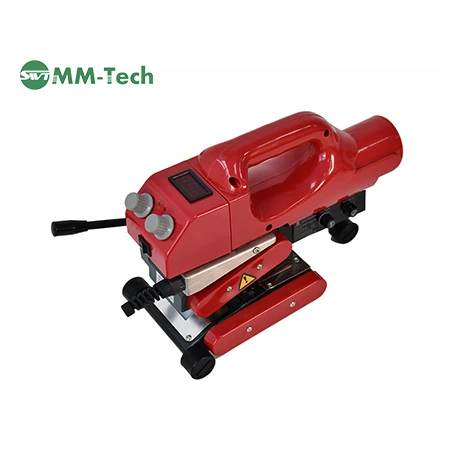

Geo Hot Wedge Welder With Digital Display SWT NS800D Operation Guide
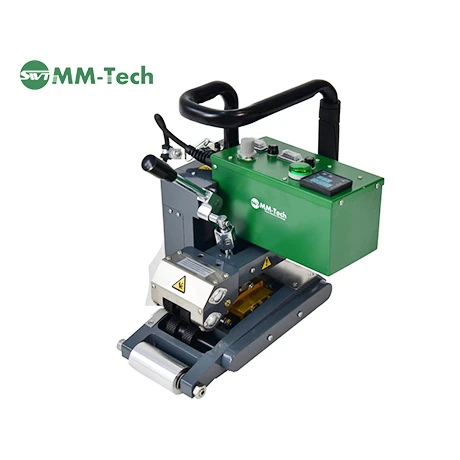
Heavy-Duty Geo Hot Wedge Welder SWT-NS900 Operation Guide
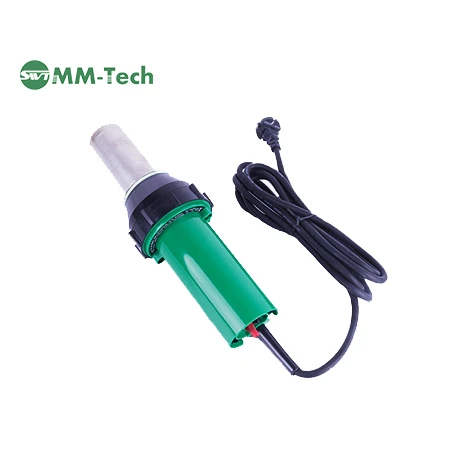
Powerful Professional Hot Air Tool SWT-NS3400A Operation Guide
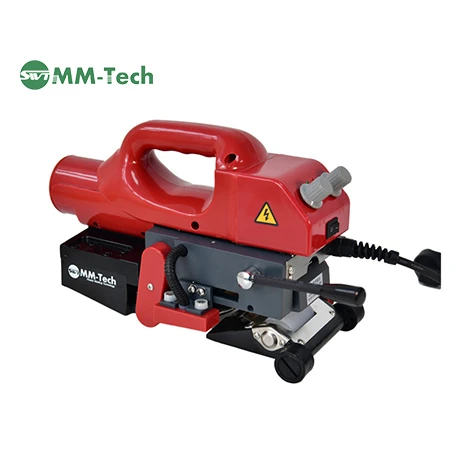
Geo Hot Wedge Welder SWT NS800 Operation Guide
Compact HDPE Hot Wedge Welding Machine SWT-NSGM1 Operation Guide
Related News
2026-02-24 11:15:19
Comprehensive Guide to Plastic Extrusion Welding Machine Technology and Applications
Plastic extrusion welding machines are vital tools in numerous industries, facilitating the joining of thermoplastic materials with precision and efficiency. From constructing large tanks and vessels to fabricating pipelines and specialized components, these machines offer a robust and reliable solution. Understanding the different types, applications, and key features is crucial for making informed investment decisions. At MMTech Weld, we specialize in delivering high-quality plastic extrusion welding solutions tailored to diverse industrial needs. Choosing the right machine can significantly impact your production efficiency and the quality of your finished products. Plastic extrusion welding is a process where thermoplastic materials are melted and fused together using heat and pressure. The machine precisely controls the temperature, feed rate, and welding speed to create strong, leak-proof joints. These machines typically consist of a heating element, feed roller, welding shoe, and control panel. Different types of machines cater to specific applications and materials, ranging from portable units for smaller projects to automated systems for large-scale production. The key to a successful weld is ensuring consistent heat distribution and proper material compatibility.
2026-02-11 02:45:23
Comprehensive Guide to Plastic Extrusion Welding Techniques and Equipment Selection
Plastic extrusion welding is a versatile and efficient process used to join thermoplastic materials. This technique is widely employed across various industries, from automotive and construction to marine and chemical processing. At MM Tech Weld, we specialize in providing high-quality plastic extrusion welders and related solutions. This article delves into the intricacies of plastic extrusion welding, its applications, benefits, and key considerations for choosing the right equipment. Understanding this process can significantly improve your project efficiency and product quality. Plastic extrusion welding is a process where a thermoplastic welding material, typically a rod or wire, is melted and fed into the joint between two thermoplastic workpieces. The welding material is melted using a heated shoe, and as it cools, it fuses the two pieces together, creating a strong, leak-proof bond. Unlike other welding methods, extrusion welding doesn’t require the base materials to be completely melted, making it ideal for thicker sections and on-site repairs.
2026-01-30 14:55:50
Comprehensive Guide to Hand Extrusion Welder Applications and Selection
A hand extrusion welder is a portable and versatile tool used for joining thermoplastic materials. It’s a crucial piece of equipment in various industries, from plastic fabrication to pipeline repair. This article provides a comprehensive guide to hand extrusion welders, exploring their applications, benefits, key considerations when choosing one, and how MM Tech Weld delivers high-quality solutions. Understanding this technology allows professionals to optimize welding processes and achieve durable, reliable results. A hand extrusion welder operates by melting thermoplastic welding rods and extruding the molten material into the joint to be welded. The welder consists of a heating element, a feed mechanism for the welding rods, and a shoe or nozzle that guides the molten plastic.
2026-01-28 11:20:05
Comprehensive Guide to Pressure Leak Detectors for Enhanced Safety and Efficiency
In industries dealing with gases, vacuum systems, and pressurized environments, identifying leaks quickly and accurately is paramount for safety, efficiency, and cost control. A pressure leak detector is a critical tool for these applications, offering a non-destructive method to pinpoint even the smallest breaches in containment. This article will explore the different types of pressure leak detectors, their applications, advantages, and considerations for choosing the right detector for your specific needs. Efficient leak detection translates directly to minimized product loss, reduced energy consumption, and a safer working environment. Several technologies are employed in pressure leak detectors, each with its strengths and weaknesses. Some common types include: Bubble leak detectors, using a soap solution to reveal leaks as bubbles; Halogen leak detectors, sensitive to halogen-containing refrigerants; Ultrasonic leak detectors, detecting the high-frequency sound generated by escaping gas; and Mass spectrometer leak detectors (helium leak detectors), offering extremely high sensitivity by identifying helium molecules.
2026-01-27 22:55:02
Comprehensive Guide to Vacuum Leak Detection and Repair Techniques
Detecting and repairing vacuum leaks is crucial for maintaining optimal performance in various systems, from automotive engines to industrial processes. A seemingly small leak can lead to significant inefficiencies, reduced power, and even system failure. This article will provide a detailed look into understanding vacuum leaks, the tools used to find them – specifically, vacuum leak finders – troubleshooting techniques, and preventative measures. We’ll cover common causes, best practices, and how to choose the right equipment for your needs. Addressing vacuum leaks promptly can save you time, money, and potential headaches. Several methods can be used to locate vacuum leaks. The most basic involves a visual inspection of hoses, gaskets, and connections. However, many leaks are small and difficult to detect with the naked eye.
2026-01-27 19:55:20
Bullseye Leak Detector A Comprehensive Guide for Efficient Leak Detection
Maintaining the integrity of pressurized systems is critical in numerous industries, from HVAC and refrigeration to automotive and plumbing. A seemingly small leak can lead to significant inefficiencies, costly repairs, and even safety hazards. The Bullseye leak detector is a powerful tool designed to quickly and accurately pinpoint leaks in a variety of applications. This article will delve into the features, benefits, and applications of this versatile detector, ensuring you can effectively identify and address leaks before they escalate. Accurate leak detection is paramount for ensuring system efficiency and safety, and the Bullseye provides a reliable solution for professionals across various trades.
2026-01-27 18:25:14
Wegener Extrusion Welder Technology for Robust Thermoplastic Joining Solutions
When it comes to reliable and efficient solutions for joining thermoplastic materials, a Wegener Extrusion Welder stands as a leading choice. Known for its precision and durability, Wegener technology is trusted by professionals in diverse industries. This article delves into the features, applications, and benefits of Wegener Extrusion Welders, providing a thorough overview for those seeking a robust welding solution. Choosing the right equipment can significantly impact project quality and efficiency, and Wegener consistently delivers. Wegener extrusion welding utilizes a specialized machine that melts thermoplastic material and precisely extrudes it onto the joint area. This process creates a strong, homogenous weld, free from the weaknesses often associated with other joining methods. The controlled heat input minimizes distortion and stress on the materials. Unlike traditional welding techniques, it is exceptionally well-suited for large diameter pipe and complex geometries. MM Tech Weld’s Wegener machines offer unparalleled control and consistency for critical applications.
2026-01-25 02:10:06
Extrusion Welding HDPE Liner: A Guide
Learn about extrusion welding HDPE liner for industrial applications. Material specs, vendor comparison & why it’s a top choice for containment.
SUBSCRIBE NEWSLETTER
Dear customer, thank you for your attention! We provide high-quality machinery and equipment and look forward to your orders. Please inform us of your needs and we will respond quickly!






 English
  Arabic
  Bengali
  Czech
Czech  Dutch
Dutch  Finnish
  French
  German
  Hungarian
  Italian
  Japanese
  Korean
  Latin
Latin  Norwegian
  Polish
  Portuguese
  Russian
  Spanish
  Thai
Thai  Vietnamese