
-
 Email:news@peweldingmachine.com
-
 +86-137 3974 5191
-
 Thêm vào:
Số 355, phố Youyi, quận Qiaoxi, thành phố Thạch Gia Trang, tỉnh Hà Bắc, Trung Quốc.



Maximizing Precision and Versatility with Mini Heat Gun Solutions

Maximizing Precision and Versatility with Mini Heat Gun Solutions
Th8 . 27, 2025 10:54
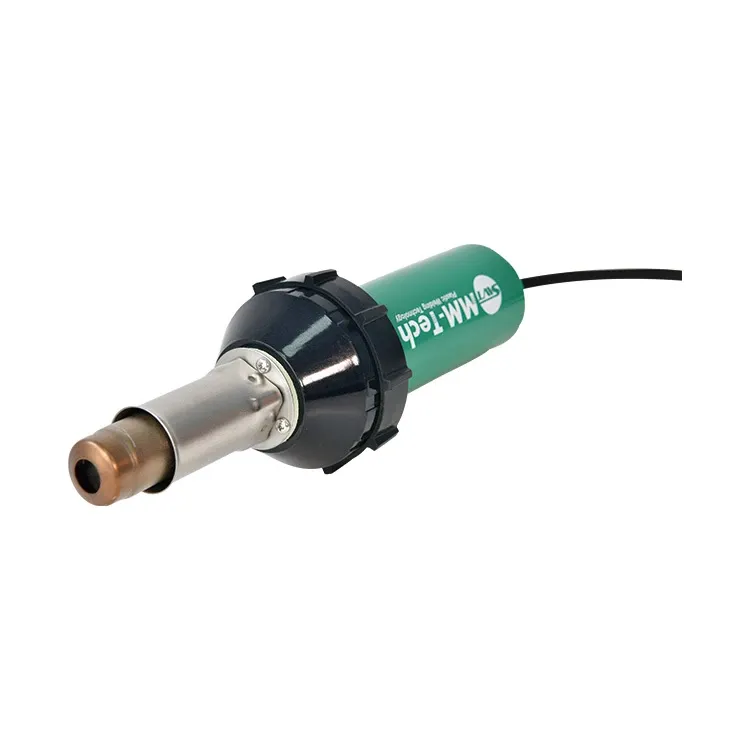
In the realm of crafting, electronics, and DIY projects, mini heat guns have emerged as indispensable tools for their ability to deliver controlled heat in compact applications. Whether for working with resin, shrink tubing, soldering, SMD components, or modeling, these tools offer tailored functionality. The mini heat gun for resin, mini heat gun for shrink tubing, mini hot air gun soldering, mini SMD hot air gun, and modelling heat gun each cater to specific needs, combining efficiency with precision.
Enhancing Resin Work with Mini Heat Guns
For artisans and crafters, a mini heat gun for resin is essential for achieving smooth, bubble - free results. When working with epoxy or UV resin, gently applying heat from a mini gun helps eliminate air bubbles that form during mixing or pouring. The controlled temperature output of these tools ensures that the resin remains workable without overheating, which could cause discoloration or premature curing. For example, in jewelry making, a mini heat gun for resin can be used to smooth the surface of a resin pendant or remove imperfections before the resin fully hardens, resulting in a professional - looking finish.
Precision Shrink Tubing with Specialized Mini Heat Guns
A mini heat gun for shrink tubing is designed to evenly heat shrinkable materials, such as polyolefin or PVC tubing, to create a tight, protective seal around wires, cables, or connectors. The compact size of these heat guns allows for easy maneuvering in tight spaces, making them ideal for electronics repair or automotive wiring projects. The key is to apply heat uniformly while avoiding excessive temperature that could damage the tubing or underlying components. A mini heat gun for shrink tubing often features adjustable temperature settings, enabling users to match the heat output to the specific shrink tubing ,ensuring a secure and reliable finish.
Soldering Excellence with Mini Hot Air Guns
In electronics assembly and repair, the mini hot air gun soldering tool has revolutionized the way the soldering is performed, especially for delicate components. Unlike traditional soldering irons, these guns use hot air to melt solder, offering greater precision and reduced risk of overheating sensitive parts. For through - hole components or larger solder joints, a mini hot air gun can quickly and evenly distribute heat, facilitating faster soldering and desoldering processes. This tool is particularly useful in DIY electronics projects where space is limited, allowing hobbyists and professionals alike to achieve clean, reliable solder connections with ease.
SMD Component Mastery with Mini SMD Hot Air Guns
The mini SMD hot air gun is a specialized tool designed for working with surface - mount devices (SMDs), which are tiny electronic components mounted directly onto circuit boards. Due to their small size, SMDs require precise heat application to avoid damage. Mini SMD hot air guns feature fine - tipped nozzles and highly adjustable temperature and airflow settings, allowing users to target individual components with accuracy. Whether removing a faulty SMD resistor or soldering a new integrated circuit, this tool ensures that the heat is concentrated exactly where needed, minimizing the risk of damaging adjacent components or the circuit board itself.
Modeling Marvels with Specialized Heat Guns
For model builders and hobbyists, a modelling heat gun is a versatile tool for shaping and manipulating materials like plastic, resin, or foam. It can be used to bend plastic sheets into curved shapes for model car bodies or aircraft parts, or to texture foam terrain for dioramas by creating realistic rock or wood patterns. The controlled heat from a modelling heat gun allows for gradual shaping, giving users the flexibility to refine their work as needed. Additionally, when working with synthetic modeling materials, the heat gun can help fuse layers together or smooth rough edges, enhancing the overall quality and detail of the finished model.
FAQ: Optimizing Mini Heat Gun Usage
How to select the right mini heat gun for resin projects?
When choosing a mini heat gun for resin, prioritize models with adjustable temperature settings (typically between 100°C and 300°C) to avoid overheating the resin. Look for a tool with a narrow nozzle for precise heat application, which is crucial for small resin pieces or detailed work. Additionally, consider the weight and grip of the gun for extended use, as comfort can impact the quality of your craftsmanship.
What temperature is ideal for shrink tubing with a mini heat gun?
The ideal temperature for shrink tubing depends on the material. Most polyolefin shrink tubing requires temperatures between 120°C and 170°C. Use a mini heat gun for shrink tubing with adjustable settings to start at a lower temperature and gradually increase if needed, ensuring even shrinkage without burning the tubing. Always test on a scrap piece first to determine the optimal heat level.
Can a mini hot air gun be used for both soldering and desoldering?
Yes, a mini hot air gun soldering tool is versatile for both tasks. For soldering, it melts solder to join components; for desoldering, it heats the existing solder to remove components. Ensure the gun has sufficient airflow to lift solder evenly and consider using desoldering wick or a vacuum pump for cleaner results when removing components.
How to prevent damage to SMD components with a mini SMD hot air gun?
To protect SMD components, always preheat the circuit board slightly before applying heat to the component. Use a low - to - medium temperature setting (around 250°C–300°C) and a small nozzle to focus heat on the component’s leads. Avoid prolonged heat exposure; most SMD soldering or desoldering tasks should take no more than 10–15 seconds per joint.
What safety precautions should be taken with a modelling heat gun?
When using a modelling heat gun, always work in a well - ventilated area to avoid inhaling fumes from heated materials. Wear heat - resistant gloves and safety glasses to protect your hands and eyes. Keep the gun moving continuously to prevent localized overheating, which can cause materials to warp or release harmful gases. Store the tool in a cool, dry place away from flammable materials when not in use.

Sản phẩm liên quan
Video liên quan

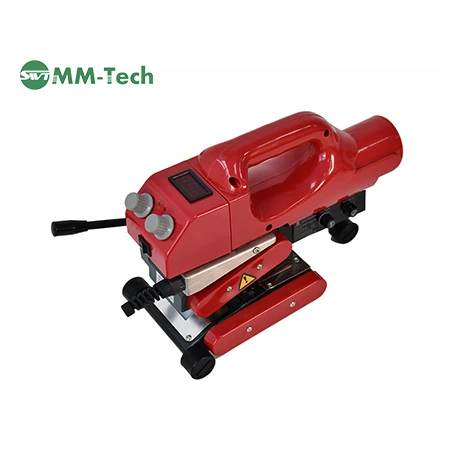

Hướng dẫn vận hành máy hàn Geo Hot Wedge có màn hình hiển thị kỹ thuật số SWT NS800D
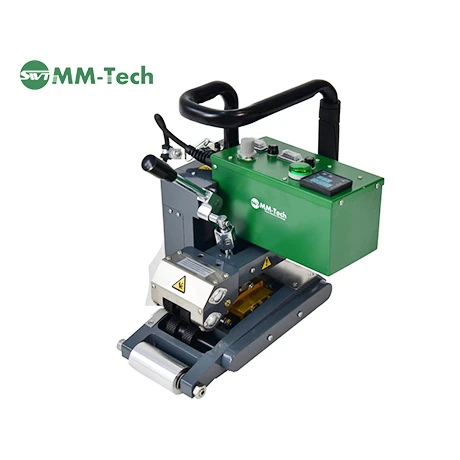
Hướng dẫn vận hành máy hàn Geo Hot Wedge hạng nặng SWT-NS900
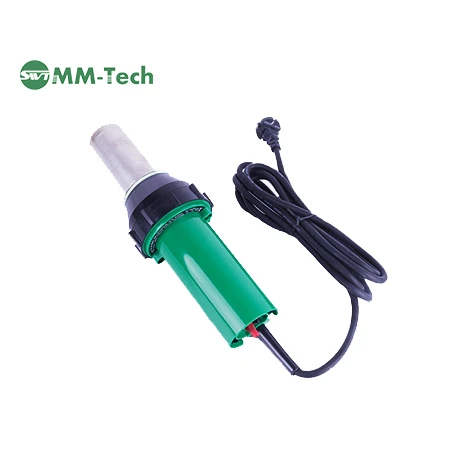
Hướng dẫn sử dụng dụng cụ khí nóng chuyên nghiệp mạnh mẽ SWT-NS3400A
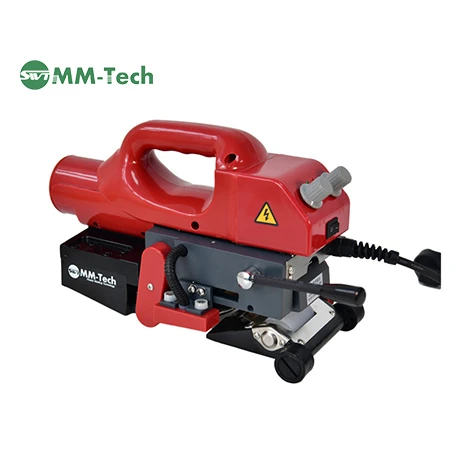
Hướng dẫn vận hành máy hàn Geo Hot Wedge SWT NS800
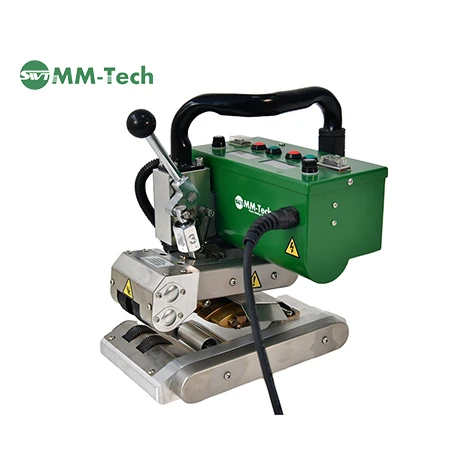
Hướng dẫn vận hành máy hàn nêm nóng HDPE nhỏ gọn SWT-NSGM1
Tin tức liên quan
2026-02-24 11:15:19
Comprehensive Guide to Plastic Extrusion Welding Machine Technology and Applications
Plastic extrusion welding machines are vital tools in numerous industries, facilitating the joining of thermoplastic materials with precision and efficiency. From constructing large tanks and vessels to fabricating pipelines and specialized components, these machines offer a robust and reliable solution. Understanding the different types, applications, and key features is crucial for making informed investment decisions. At MMTech Weld, we specialize in delivering high-quality plastic extrusion welding solutions tailored to diverse industrial needs. Choosing the right machine can significantly impact your production efficiency and the quality of your finished products. Plastic extrusion welding is a process where thermoplastic materials are melted and fused together using heat and pressure. The machine precisely controls the temperature, feed rate, and welding speed to create strong, leak-proof joints. These machines typically consist of a heating element, feed roller, welding shoe, and control panel. Different types of machines cater to specific applications and materials, ranging from portable units for smaller projects to automated systems for large-scale production. The key to a successful weld is ensuring consistent heat distribution and proper material compatibility.
2026-02-11 02:45:23
Comprehensive Guide to Plastic Extrusion Welding Techniques and Equipment Selection
Plastic extrusion welding is a versatile and efficient process used to join thermoplastic materials. This technique is widely employed across various industries, from automotive and construction to marine and chemical processing. At MM Tech Weld, we specialize in providing high-quality plastic extrusion welders and related solutions. This article delves into the intricacies of plastic extrusion welding, its applications, benefits, and key considerations for choosing the right equipment. Understanding this process can significantly improve your project efficiency and product quality. Plastic extrusion welding is a process where a thermoplastic welding material, typically a rod or wire, is melted and fed into the joint between two thermoplastic workpieces. The welding material is melted using a heated shoe, and as it cools, it fuses the two pieces together, creating a strong, leak-proof bond. Unlike other welding methods, extrusion welding doesn’t require the base materials to be completely melted, making it ideal for thicker sections and on-site repairs.
2026-01-30 14:55:50
Comprehensive Guide to Hand Extrusion Welder Applications and Selection
A hand extrusion welder is a portable and versatile tool used for joining thermoplastic materials. It’s a crucial piece of equipment in various industries, from plastic fabrication to pipeline repair. This article provides a comprehensive guide to hand extrusion welders, exploring their applications, benefits, key considerations when choosing one, and how MM Tech Weld delivers high-quality solutions. Understanding this technology allows professionals to optimize welding processes and achieve durable, reliable results. A hand extrusion welder operates by melting thermoplastic welding rods and extruding the molten material into the joint to be welded. The welder consists of a heating element, a feed mechanism for the welding rods, and a shoe or nozzle that guides the molten plastic.
2026-01-28 11:20:05
Comprehensive Guide to Pressure Leak Detectors for Enhanced Safety and Efficiency
In industries dealing with gases, vacuum systems, and pressurized environments, identifying leaks quickly and accurately is paramount for safety, efficiency, and cost control. A pressure leak detector is a critical tool for these applications, offering a non-destructive method to pinpoint even the smallest breaches in containment. This article will explore the different types of pressure leak detectors, their applications, advantages, and considerations for choosing the right detector for your specific needs. Efficient leak detection translates directly to minimized product loss, reduced energy consumption, and a safer working environment. Several technologies are employed in pressure leak detectors, each with its strengths and weaknesses. Some common types include: Bubble leak detectors, using a soap solution to reveal leaks as bubbles; Halogen leak detectors, sensitive to halogen-containing refrigerants; Ultrasonic leak detectors, detecting the high-frequency sound generated by escaping gas; and Mass spectrometer leak detectors (helium leak detectors), offering extremely high sensitivity by identifying helium molecules.
2026-01-27 22:55:02
Comprehensive Guide to Vacuum Leak Detection and Repair Techniques
Detecting and repairing vacuum leaks is crucial for maintaining optimal performance in various systems, from automotive engines to industrial processes. A seemingly small leak can lead to significant inefficiencies, reduced power, and even system failure. This article will provide a detailed look into understanding vacuum leaks, the tools used to find them – specifically, vacuum leak finders – troubleshooting techniques, and preventative measures. We’ll cover common causes, best practices, and how to choose the right equipment for your needs. Addressing vacuum leaks promptly can save you time, money, and potential headaches. Several methods can be used to locate vacuum leaks. The most basic involves a visual inspection of hoses, gaskets, and connections. However, many leaks are small and difficult to detect with the naked eye.
2026-01-27 19:55:20
Bullseye Leak Detector A Comprehensive Guide for Efficient Leak Detection
Maintaining the integrity of pressurized systems is critical in numerous industries, from HVAC and refrigeration to automotive and plumbing. A seemingly small leak can lead to significant inefficiencies, costly repairs, and even safety hazards. The Bullseye leak detector is a powerful tool designed to quickly and accurately pinpoint leaks in a variety of applications. This article will delve into the features, benefits, and applications of this versatile detector, ensuring you can effectively identify and address leaks before they escalate. Accurate leak detection is paramount for ensuring system efficiency and safety, and the Bullseye provides a reliable solution for professionals across various trades.
2026-01-27 18:25:14
Wegener Extrusion Welder Technology for Robust Thermoplastic Joining Solutions
When it comes to reliable and efficient solutions for joining thermoplastic materials, a Wegener Extrusion Welder stands as a leading choice. Known for its precision and durability, Wegener technology is trusted by professionals in diverse industries. This article delves into the features, applications, and benefits of Wegener Extrusion Welders, providing a thorough overview for those seeking a robust welding solution. Choosing the right equipment can significantly impact project quality and efficiency, and Wegener consistently delivers. Wegener extrusion welding utilizes a specialized machine that melts thermoplastic material and precisely extrudes it onto the joint area. This process creates a strong, homogenous weld, free from the weaknesses often associated with other joining methods. The controlled heat input minimizes distortion and stress on the materials. Unlike traditional welding techniques, it is exceptionally well-suited for large diameter pipe and complex geometries. MM Tech Weld’s Wegener machines offer unparalleled control and consistency for critical applications.
2026-01-25 02:10:06
Extrusion Welding HDPE Liner: A Guide
Learn about extrusion welding HDPE liner for industrial applications. Material specs, vendor comparison & why it’s a top choice for containment.
ĐĂNG KÝ NHẬN BẢN TIN
Dear customer, thank you for your attention! We provide high-quality machinery and equipment and look forward to your orders. Please inform us of your needs and we will respond quickly!






 Vietnamese
  Arabic
  Bengali
  Czech
Czech  Dutch
Dutch  English
  Finnish
  French
  German
  Hungarian
  Italian
  Japanese
  Korean
  Latin
Latin  Norwegian
  Polish
  Portuguese
  Russian
  Spanish
  Thai
Thai