
-
 Email:news@peweldingmachine.com
-
 +86-137 3974 5191
-
 Legge til:
NO.355, Youyi Street, Qiaoxi-distriktet, Shijiazhuang, Hebei, Kina.



Professional Hand Held Plastic Extrusion Welder | Efficient & Durable

Professional Hand Held Plastic Extrusion Welder | Efficient & Durable
sep . 22, 2025 15:26
The Evolution and Impact of Handheld Plastic Extrusion Welders
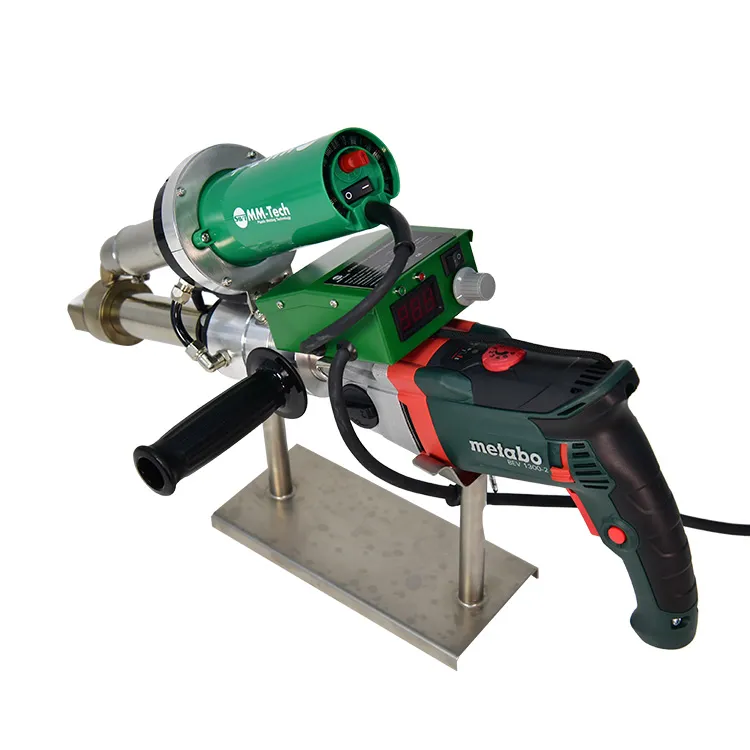
In modern industrial fabrication, the integrity of plastic joins is paramount. Traditional welding methods often fall short in demanding applications, leading to the rise of advanced solutions like the håndholdt plastekstruderingssveiser. This technology represents a significant leap forward in creating robust, homogeneous welds for thermoplastic materials, addressing critical needs across various sectors. The shift towards durable, corrosion-resistant plastic infrastructure has amplified the demand for efficient and reliable welding equipment.
Current industry trends highlight an increasing adoption of plastic in construction, chemical processing, environmental protection, and water management. This growth is driven by plastics' inherent advantages such as light weight, chemical inertness, and extended service life. Consequently, the market for high-performance welding tools, especially those offered by reputable leverandører av ekstruderingssveiser, is experiencing robust expansion. Innovations focus on enhancing portability, weld quality, and operator ergonomics, making these devices indispensable for both on-site repairs and complex fabrication projects.
Manufacturing Process of a Handheld Plastic Extrusion Welder
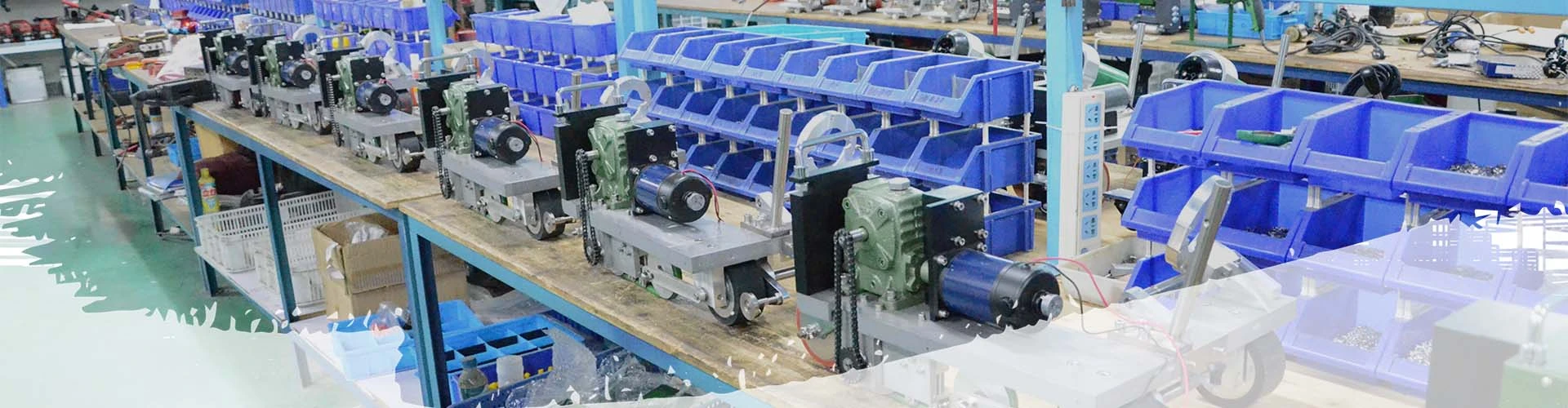
The creation of a high-quality håndholdt plastekstruderingssveiser is a testament to precision engineering and advanced manufacturing techniques. The process ensures durability, performance, and compliance with stringent international standards.
- Material Selection: Components are meticulously selected for specific functions. High-grade, heat-resistant polymers (e.g., PA6+GF30 for housings) are chosen for their insulating properties and structural integrity. Critical metallic parts, such as the screw, barrel, and heating elements, are typically crafted from specialized stainless steels or high-strength aluminum alloys, ensuring corrosion resistance and optimal thermal transfer.
- Component Manufacturing:
- Casting: Used for intricate shapes like motor housings or gearboxes, ensuring precise internal geometries and material density.
- Forging: Employed for high-stress components such as gears or critical structural brackets to enhance their strength and fatigue resistance.
- CNC Machining: Essential for precision parts like the extrusion screw, barrel, and various nozzles. This ensures minimal tolerances, optimal material flow, and consistent heating. Heating elements and temperature sensors are also precision-manufactured to guarantee accurate thermal regulation.
- Assembly & Integration: Skilled technicians assemble the device, integrating electrical systems (motor, control board, heating elements), mechanical components (gearbox, screw mechanism), and pneumatic systems (air blower). Wiring harnesses are carefully routed to prevent interference and ensure safety.
- Quality Control & Testing: Each unit undergoes rigorous testing to meet international standards such as ISO 9001 for quality management and CE marking for European conformity.
- Performance Tests: Evaluate extrusion rate (e.g., 2.5-5.0 kg/h), temperature stability (e.g., ±5°C), weld strength, and air output.
- Electrical Safety Tests: Adherence to ANSI/UL standards for insulation resistance, ground continuity, and dielectric strength.
- Material Compatibility: Verification that the welder performs optimally across a range of common thermoplastics like HDPE, PP, and PVDF.
Target industries benefiting from these highly engineered welders include petrochemical, metallurgy, water supply & drainage, mining, municipal engineering, and environmental protection. The inherent advantages, such as energy-saving designs and exceptional corrosion resistance of the welds produced, make them a superior choice for critical infrastructure projects.
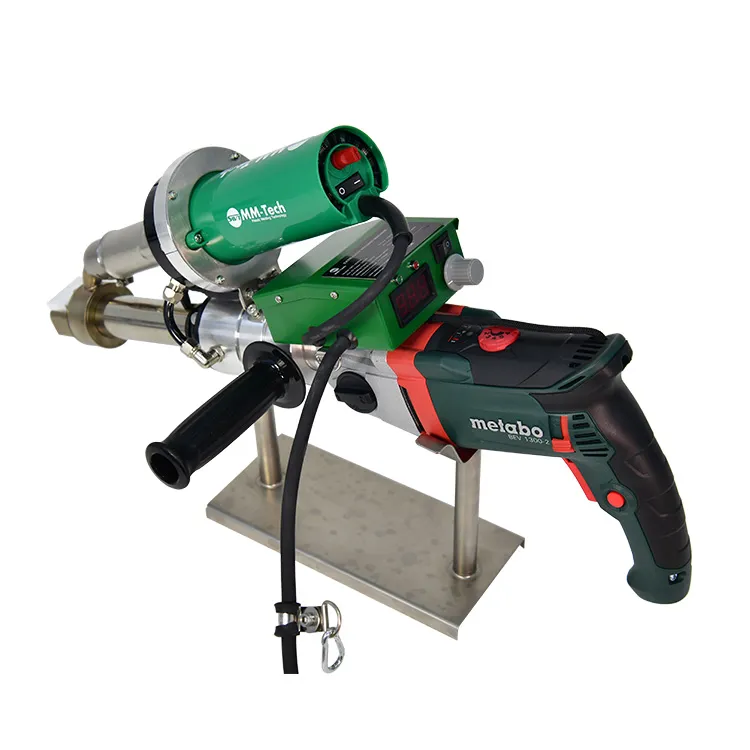
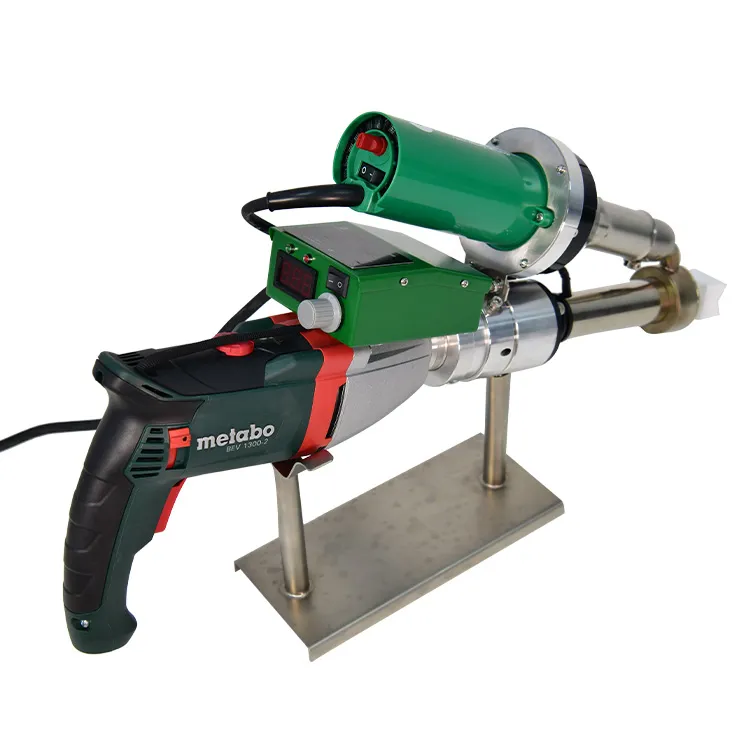
Technical Specifications: SWT-NS610A Handheld Plastic Extrusion Welder
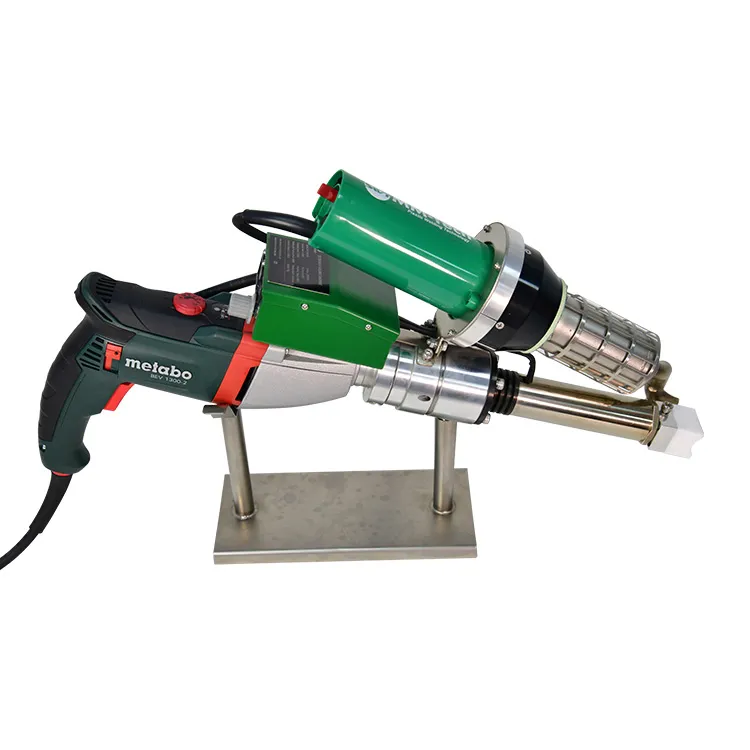
The SWT-NS610A Handheld Plastic Extrusion Welder is engineered for superior performance, offering a blend of power, precision, and reliability. Below are its key technical parameters, showcasing its capability to meet demanding industrial requirements.
| Parameter | Value/Description |
|---|---|
| Model | SWT-NS610A |
| Input Voltage | 230V / 50Hz (Other voltages available) |
| Makt | Drive motor: 1300W, Hot air: 1600W, Heater power:800W |
| Extrusion Output | 2.5 - 3.0 kg/h (PE/PP) |
| Welding Rod Diameter | 3mm - 5mm (Standard) |
| Plastic Materials | HDPE, LDPE, PP, PVDF |
| Hot Air Temperature Range | 20 - 600°C (Adjustable) |
| Extrusion Temperature Range | 50 - 380°C (Adjustable) |
| Weight | Approx. 7.5 kg |
| Dimensions (L x W x H) | Approx. 650 x 210 x 520 mm |
| Kontrollsystem | Intelligent Digital Temperature Control with LCD Display |
| Safety Features | Cold Start Protection, Overheating Protection |
| Certifications | CE, ISO 9001:2015 |
This precision-engineered håndholdt plastekstruderingssveiser offers exceptional control over welding parameters, crucial for achieving consistent and high-strength welds in critical applications. The digital display provides real-time feedback, empowering operators to maintain optimal conditions throughout the welding process.
Key Technical Advantages and Performance Excellence
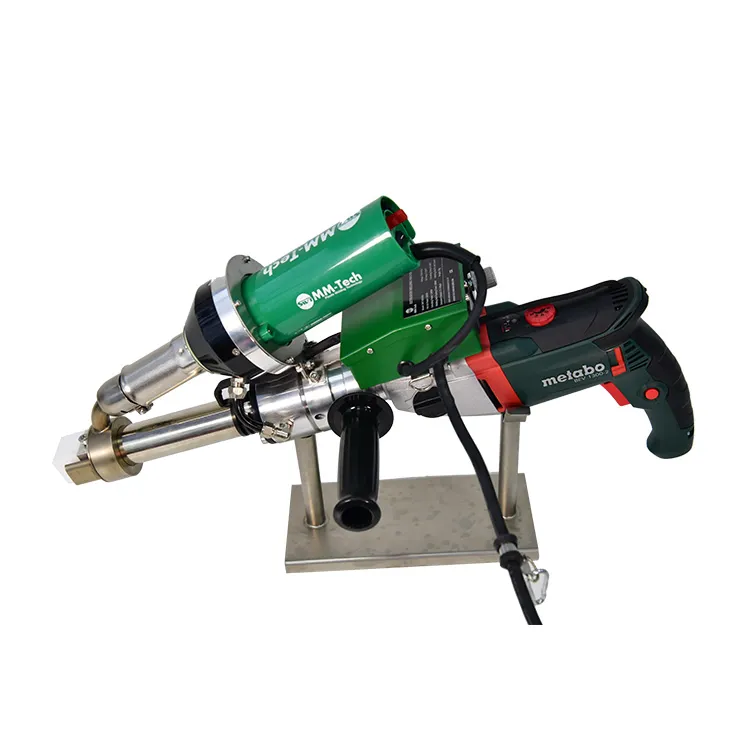
The design philosophy behind the SWT-NS610A håndholdt plastekstruderingssveiser centers on delivering unparalleled performance and user-centric advantages, critical for maximizing productivity and weld quality in challenging industrial environments.
- Superior Weld Integrity: Unlike traditional hot-air welding, extrusion welding introduces molten plastic material into the weld joint under pressure, ensuring molecular fusion and creating a homogeneous, monolithic weld that is often stronger than the parent material. This process minimizes porosity and creates a durable, leak-proof seal.
- Versatility Across Polymers: The precisely controlled heating zones and adjustable extrusion rates allow for optimal welding of various thermoplastics, including HDPE, PP, PVDF. This adaptability is crucial for industries working with diverse plastic compositions, from geomembranes to chemical storage tanks.
- Ergonomic Design & Portability: Weighing approximately 7.5 kg, the SWT-NS610A is designed for extended use with minimal operator fatigue. Its compact form factor facilitates access to confined spaces and simplifies on-site operations, significantly enhancing efficiency compared to larger, more cumbersome equipment.
- Advanced Temperature Control: Equipped with an intelligent digital control system, the welder ensures precise and consistent temperatures for both the hot air preheating and the molten extrusion material. This critical feature prevents material degradation and ensures optimal fusion, vital for weld strength and longevity.
- High Extrusion Output: With an impressive output of up to 5.0 kg/h for PE/PP, the welder significantly speeds up the welding process, especially for large projects and thick materials, leading to substantial time and cost savings.
- Robust Construction & Safety: Built with high-quality, durable materials, the welder is designed for rigorous industrial use. Integrated safety features like cold-start protection (preventing extrusion before optimal temperature is reached) and overheating protection safeguard both the equipment and the operator, extending service life and ensuring safe operation.
Application Scenarios & Real-World Case Studies
The versatility and robust performance of the håndholdt plastekstruderingssveiser make it an indispensable tool across a broad spectrum of industrial applications where reliable plastic fabrication is critical.
Typical Application Areas:
- Geomembrane Lining Systems: Essential for landfill sites, wastewater treatment ponds, mining heap leach pads, and secondary containment for chemical storage. The welder ensures impermeability and structural integrity of large-scale plastic liners, preventing environmental contamination.
- Pipeline Construction & Repair: Used for welding large-diameter plastic pipes (HDPE, PP) in water supply and drainage systems, gas distribution, and industrial process piping. Its portability is crucial for on-site repairs and connecting complex pipe networks.
- Chemical Storage Tanks & Fume Hoods: Critical for fabricating and repairing acid/alkali resistant tanks, ventilation ducts, and process equipment in chemical plants, ensuring robust, corrosion-resistant joints for aggressive media.
- Marine & Aquaculture Applications: For constructing and repairing large plastic structures like floating docks, fish farming cages, and marine pontoons, where durability and resistance to harsh environments are key.
- Ventilation Systems & Air Ducts: Fabrication of custom plastic ducting and fittings in industrial settings to handle corrosive fumes or maintain cleanroom environments.
Application Case Studies:
Challenge: A municipal water treatment plant required the installation of large HDPE settling tanks and a complex network of PP pipes for chemical dosing. Traditional welding methods were proving too slow and prone to minor leaks, impacting project timelines and operational integrity.
Solution: The project utilized the SWT-NS610A håndholdt plastekstruderingssveiser. Its high extrusion output and precise temperature control allowed for rapid, high-quality welding of thick HDPE sheets for the tanks and various diameters of PP pipes.
Outcome: The plant achieved a 30% reduction in welding time and passed all hydrostatic pressure tests on the first attempt, demonstrating superior weld strength and leak-proof performance critical for public infrastructure.
Challenge: An aging chemical processing facility needed to replace corroded steel ventilation ducts with PVDF-lined plastic alternatives due to exposure to aggressive chemical fumes. The intricate shapes and confined spaces presented significant fabrication challenges.
Solution: Specialized welding technicians employed the SWT-NS610A to fabricate custom PVDF ducting sections on-site. The welder's precise hot air and extrusion temperature control were crucial for working with PVDF's specific material properties.
Outcome: The new PVDF ventilation system exhibited excellent chemical resistance and structural integrity. The use of the portable extrusion welder significantly reduced the need for pre-fabrication, allowing for quick adjustments and high-quality welds in situ, leading to a safer and more durable installation.
Vendor Comparison and Customized Solutions
Selecting the right håndholdt plastekstruderingssveiser involves more than just reviewing technical specifications; it necessitates a comprehensive evaluation of `extrusion welder suppliers` to ensure long-term support and value. While specific brand comparisons are beyond this scope, key considerations for B2B decision-makers are crucial.
Key Factors in Evaluating Extrusion Welder Suppliers:
- Research & Development Capabilities: Leading suppliers invest heavily in R&D to enhance welder performance, energy efficiency, and material compatibility. This ensures access to cutting-edge technology.
- Manufacturing Quality & Certifications: Look for suppliers with robust quality control processes and international certifications (e.g., ISO 9001, CE, UL) that validate product safety and performance.
- After-Sales Support & Service: Availability of technical support, spare parts, repair services, and operator training programs is vital for minimizing downtime and maximizing equipment lifespan.
- Global Distribution & Logistics: For international operations, a supplier with a strong global network ensures timely delivery and local support.
- Experience & Reputation: Years in the industry and positive customer testimonials or case studies can indicate reliability and a deep understanding of customer needs.
Customized Solutions:
Many industrial applications have unique requirements that standard equipment cannot fully address. Reputable leverandører av ekstruderingssveiser often provide customized solutions to cater to specific project demands. These can include:
- Specialized Welding Nozzles: Development of custom-shaped nozzles for specific joint geometries or access into unusually tight spaces.
- Material-Specific Configurations: Tuning the welder's heating profiles and screw designs to optimize performance for exotic or specialty thermoplastic materials beyond standard HDPE/PP.
- Enhanced Control Systems: Integration with data logging capabilities or advanced process monitoring for highly regulated industries.
- Power & Portability Adapters: Options for different power inputs or battery-powered solutions for remote field operations where grid power is unavailable.
Engaging with suppliers who offer these tailored services ensures that the investment in a håndholdt plastekstruderingssveiser perfectly aligns with the project's unique challenges and delivers maximum operational efficiency and weld quality.
Ensuring Quality, Authoritativeness, and Trustworthiness ()
In the B2B landscape, the decision to invest in equipment like a håndholdt plastekstruderingssveiser is heavily influenced by the supplier's commitment to quality, industry authority, and trustworthiness. Manufacturers like MM-Techweld adhere to rigorous standards to build confidence.
Authoritativeness:
- Certifications: Products are typically certified with international standards such as CE (Conformité Européenne) for safety, health, and environmental protection in the European Economic Area. Furthermore, adherence to ISO 9001:2015 for Quality Management Systems demonstrates a commitment to consistent quality and customer satisfaction. Compliance with relevant ANSI (American National Standards Institute) or other national safety standards ensures broad market acceptance and operational safety.
- Industry Experience: Companies with significant years of service (e.g., over a decade) in manufacturing and supplying plastic welding equipment accumulate invaluable expertise. This experience translates into refined product designs, robust manufacturing processes, and deep insights into market needs.
- Partnerships & Client Base: Collaborations with leading industrial clients and a strong track record of successful deployments across diverse sectors (e.g., petrochemical giants, municipal water authorities) underscore a manufacturer's authoritative standing.
Trustworthiness:
Frequently Asked Questions (FAQ):
A1: The SWT-NS610A is primarily designed for welding HDPE, PP, PVDF. Its precise temperature controls allow for optimal processing of these common industrial thermoplastics.
A2: Standard lead times for the SWT-NS610A generally range from 2-4 weeks, depending on order volume and specific customization requirements. Expedited shipping options are often available upon request.
A3: A standard 12-month manufacturer's warranty typically covers defects in materials and workmanship. Extended warranty options and service contracts are often available for prolonged peace of mind.
A4: Comprehensive after-sales support includes technical assistance via phone or email, availability of genuine spare parts, maintenance guides, and, in many cases, on-site or virtual training for operators to ensure optimal use and upkeep of the welding equipment.
Lead Time & Fulfillment:
Efficient logistics and transparent fulfillment processes are crucial. Reputable leverandører av ekstruderingssveiser provide clear estimates for manufacturing and shipping, often utilizing global distribution networks to ensure timely delivery to diverse international markets. Stock availability for popular models and components also plays a key role in minimizing project delays.
Warranty Commitments:
A robust warranty policy, typically covering mechanical and electrical components for a specified period, signals confidence in product quality. Clear terms and conditions for warranty claims, along with readily accessible support, bolster customer trust.
Customer Support & Training:
High-quality customer service, including accessible technical support, readily available spare parts, and comprehensive operator training programs, are foundational to trustworthiness. This ensures that users can maximize their investment and maintain operational efficiency throughout the equipment's lifespan.
Conclusion
The advancement of the håndholdt plastekstruderingssveiser, exemplified by models like the SWT-NS610A, signifies a critical evolution in plastic fabrication. Its ability to deliver high-strength, homogeneous welds with precision and efficiency addresses the growing demands of modern industries. From enhancing infrastructure durability in municipal water projects to ensuring chemical resistance in industrial processing, these welders are proving indispensable.
As industries continue to adopt robust thermoplastic solutions, the role of reliable `extrusion welder suppliers` offering advanced technology, comprehensive support, and tailored solutions will only expand. Investing in a high-quality hand held plastic extrusion welder is an investment in operational efficiency, weld integrity, and long-term project success, ensuring that plastic structures meet the most stringent performance criteria for years to come.
References
- Crawford, R.J., & Throne, J.L. (2002). Rotational Molding of Plastics. William Andrew.
- Gedde, U. W. (1995). Polymer Physics. Chapman & Hall.
- Goodfellow, J.M. (2012). Polymer Welding Handbook. Hanser Publications.
- Standard Practice for Nondestructive Examination of Welds in Thermoplastic Liner Systems. ASTM D5820-95 (2012). ASTM International.
- Technical Specification for the Fusion Welding of Polyethylene Pipes. ISO 21307:2017. International Organization for Standardization.

Relaterte produkter
Relatert video

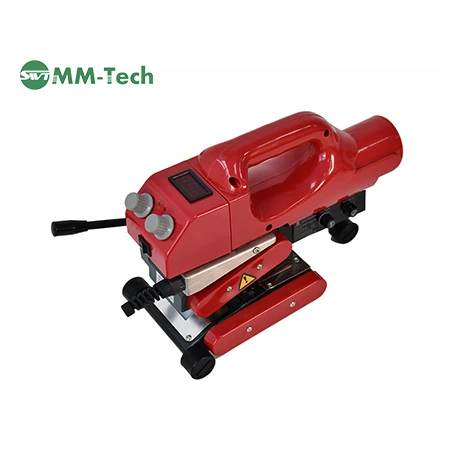

Geo Hot Wedge Welder With Digital Display SWT NS800D Driftsveiledning
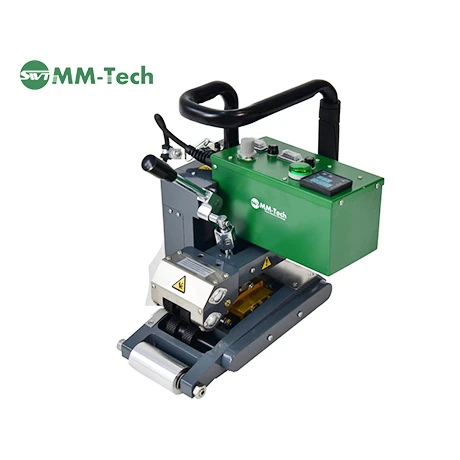
Heavy-Duty Geo Hot Wedge Welder SWT-NS900 Driftsveiledning
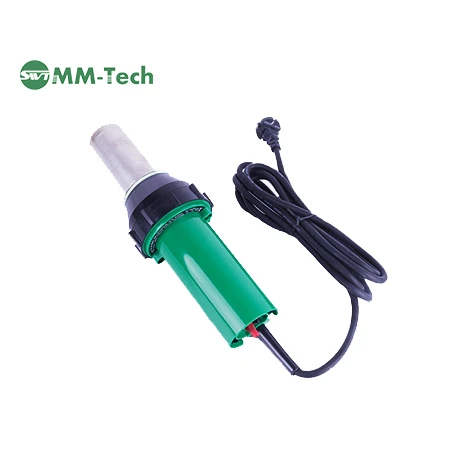
Kraftig profesjonelt varmluftverktøy SWT-NS3400A Bruksanvisning
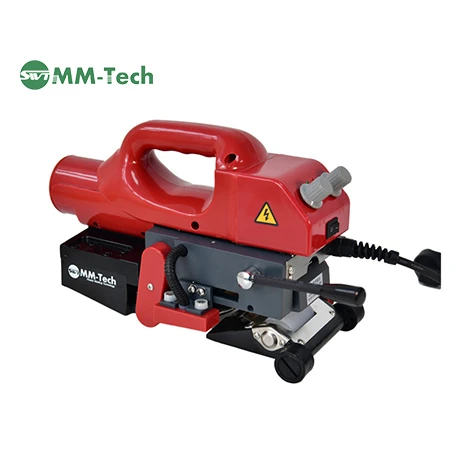
Geo Hot Wedge Welder SWT NS800 Driftsveiledning
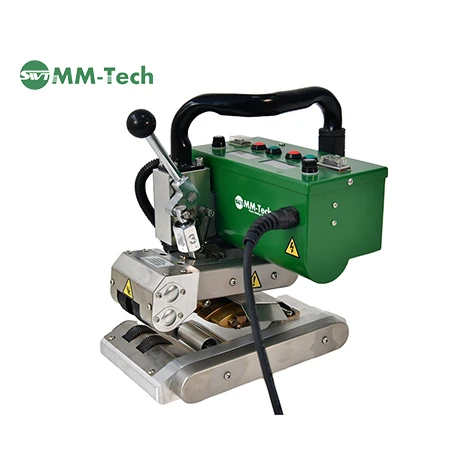
Kompakt HDPE Hot Wedge sveisemaskin SWT-NSGM1 Driftsveiledning
Relaterte nyheter
2026-02-24 11:15:19
Comprehensive Guide to Plastic Extrusion Welding Machine Technology and Applications
Plastic extrusion welding machines are vital tools in numerous industries, facilitating the joining of thermoplastic materials with precision and efficiency. From constructing large tanks and vessels to fabricating pipelines and specialized components, these machines offer a robust and reliable solution. Understanding the different types, applications, and key features is crucial for making informed investment decisions. At MMTech Weld, we specialize in delivering high-quality plastic extrusion welding solutions tailored to diverse industrial needs. Choosing the right machine can significantly impact your production efficiency and the quality of your finished products. Plastic extrusion welding is a process where thermoplastic materials are melted and fused together using heat and pressure. The machine precisely controls the temperature, feed rate, and welding speed to create strong, leak-proof joints. These machines typically consist of a heating element, feed roller, welding shoe, and control panel. Different types of machines cater to specific applications and materials, ranging from portable units for smaller projects to automated systems for large-scale production. The key to a successful weld is ensuring consistent heat distribution and proper material compatibility.
2026-02-11 02:45:23
Comprehensive Guide to Plastic Extrusion Welding Techniques and Equipment Selection
Plastic extrusion welding is a versatile and efficient process used to join thermoplastic materials. This technique is widely employed across various industries, from automotive and construction to marine and chemical processing. At MM Tech Weld, we specialize in providing high-quality plastic extrusion welders and related solutions. This article delves into the intricacies of plastic extrusion welding, its applications, benefits, and key considerations for choosing the right equipment. Understanding this process can significantly improve your project efficiency and product quality. Plastic extrusion welding is a process where a thermoplastic welding material, typically a rod or wire, is melted and fed into the joint between two thermoplastic workpieces. The welding material is melted using a heated shoe, and as it cools, it fuses the two pieces together, creating a strong, leak-proof bond. Unlike other welding methods, extrusion welding doesn’t require the base materials to be completely melted, making it ideal for thicker sections and on-site repairs.
2026-01-30 14:55:50
Comprehensive Guide to Hand Extrusion Welder Applications and Selection
A hand extrusion welder is a portable and versatile tool used for joining thermoplastic materials. It’s a crucial piece of equipment in various industries, from plastic fabrication to pipeline repair. This article provides a comprehensive guide to hand extrusion welders, exploring their applications, benefits, key considerations when choosing one, and how MM Tech Weld delivers high-quality solutions. Understanding this technology allows professionals to optimize welding processes and achieve durable, reliable results. A hand extrusion welder operates by melting thermoplastic welding rods and extruding the molten material into the joint to be welded. The welder consists of a heating element, a feed mechanism for the welding rods, and a shoe or nozzle that guides the molten plastic.
2026-01-28 11:20:05
Comprehensive Guide to Pressure Leak Detectors for Enhanced Safety and Efficiency
In industries dealing with gases, vacuum systems, and pressurized environments, identifying leaks quickly and accurately is paramount for safety, efficiency, and cost control. A pressure leak detector is a critical tool for these applications, offering a non-destructive method to pinpoint even the smallest breaches in containment. This article will explore the different types of pressure leak detectors, their applications, advantages, and considerations for choosing the right detector for your specific needs. Efficient leak detection translates directly to minimized product loss, reduced energy consumption, and a safer working environment. Several technologies are employed in pressure leak detectors, each with its strengths and weaknesses. Some common types include: Bubble leak detectors, using a soap solution to reveal leaks as bubbles; Halogen leak detectors, sensitive to halogen-containing refrigerants; Ultrasonic leak detectors, detecting the high-frequency sound generated by escaping gas; and Mass spectrometer leak detectors (helium leak detectors), offering extremely high sensitivity by identifying helium molecules.
2026-01-27 22:55:02
Comprehensive Guide to Vacuum Leak Detection and Repair Techniques
Detecting and repairing vacuum leaks is crucial for maintaining optimal performance in various systems, from automotive engines to industrial processes. A seemingly small leak can lead to significant inefficiencies, reduced power, and even system failure. This article will provide a detailed look into understanding vacuum leaks, the tools used to find them – specifically, vacuum leak finders – troubleshooting techniques, and preventative measures. We’ll cover common causes, best practices, and how to choose the right equipment for your needs. Addressing vacuum leaks promptly can save you time, money, and potential headaches. Several methods can be used to locate vacuum leaks. The most basic involves a visual inspection of hoses, gaskets, and connections. However, many leaks are small and difficult to detect with the naked eye.
2026-01-27 19:55:20
Bullseye Leak Detector A Comprehensive Guide for Efficient Leak Detection
Maintaining the integrity of pressurized systems is critical in numerous industries, from HVAC and refrigeration to automotive and plumbing. A seemingly small leak can lead to significant inefficiencies, costly repairs, and even safety hazards. The Bullseye leak detector is a powerful tool designed to quickly and accurately pinpoint leaks in a variety of applications. This article will delve into the features, benefits, and applications of this versatile detector, ensuring you can effectively identify and address leaks before they escalate. Accurate leak detection is paramount for ensuring system efficiency and safety, and the Bullseye provides a reliable solution for professionals across various trades.
2026-01-27 18:25:14
Wegener Extrusion Welder Technology for Robust Thermoplastic Joining Solutions
When it comes to reliable and efficient solutions for joining thermoplastic materials, a Wegener Extrusion Welder stands as a leading choice. Known for its precision and durability, Wegener technology is trusted by professionals in diverse industries. This article delves into the features, applications, and benefits of Wegener Extrusion Welders, providing a thorough overview for those seeking a robust welding solution. Choosing the right equipment can significantly impact project quality and efficiency, and Wegener consistently delivers. Wegener extrusion welding utilizes a specialized machine that melts thermoplastic material and precisely extrudes it onto the joint area. This process creates a strong, homogenous weld, free from the weaknesses often associated with other joining methods. The controlled heat input minimizes distortion and stress on the materials. Unlike traditional welding techniques, it is exceptionally well-suited for large diameter pipe and complex geometries. MM Tech Weld’s Wegener machines offer unparalleled control and consistency for critical applications.
2026-01-25 02:10:06
Extrusion Welding HDPE Liner: A Guide
Learn about extrusion welding HDPE liner for industrial applications. Material specs, vendor comparison & why it’s a top choice for containment.
Professional Hand Held Plastic Extrusion Welder | Efficient & Durable
Professional Hand Held Plastic Extrusion Welder | Efficient & Durable
sep . 08, 2025 16:38
The Evolution and Impact of Handheld Plastic Extrusion Welders
In modern industrial fabrication, the integrity of plastic joins is paramount. Traditional welding methods often fall short in demanding applications, leading to the rise of advanced solutions like the håndholdt plastekstruderingssveiser. This technology represents a significant leap forward in creating robust, homogeneous welds for thermoplastic materials, addressing critical needs across various sectors. The shift towards durable, corrosion-resistant plastic infrastructure has amplified the demand for efficient and reliable welding equipment.
Current industry trends highlight an increasing adoption of plastic in construction, chemical processing, environmental protection, and water management. This growth is driven by plastics' inherent advantages such as light weight, chemical inertness, and extended service life. Consequently, the market for high-performance welding tools, especially those offered by reputable leverandører av ekstruderingssveiser, is experiencing robust expansion. Innovations focus on enhancing portability, weld quality, and operator ergonomics, making these devices indispensable for both on-site repairs and complex fabrication projects.
Manufacturing Process of a Handheld Plastic Extrusion Welder
The creation of a high-quality håndholdt plastekstruderingssveiser is a testament to precision engineering and advanced manufacturing techniques. The process ensures durability, performance, and compliance with stringent international standards.
- Material Selection: Components are meticulously selected for specific functions. High-grade, heat-resistant polymers (e.g., PA6+GF30 for housings) are chosen for their insulating properties and structural integrity. Critical metallic parts, such as the screw, barrel, and heating elements, are typically crafted from specialized stainless steels or high-strength aluminum alloys, ensuring corrosion resistance and optimal thermal transfer.
-
Component Manufacturing:
- Casting: Used for intricate shapes like motor housings or gearboxes, ensuring precise internal geometries and material density.
- Forging: Employed for high-stress components such as gears or critical structural brackets to enhance their strength and fatigue resistance.
- CNC Machining: Essential for precision parts like the extrusion screw, barrel, and various nozzles. This ensures minimal tolerances, optimal material flow, and consistent heating. Heating elements and temperature sensors are also precision-manufactured to guarantee accurate thermal regulation.
- Assembly & Integration: Skilled technicians assemble the device, integrating electrical systems (motor, control board, heating elements), mechanical components (gearbox, screw mechanism), and pneumatic systems (air blower). Wiring harnesses are carefully routed to prevent interference and ensure safety.
-
Quality Control & Testing: Each unit undergoes rigorous testing to meet international standards such as ISO 9001 for quality management and CE marking for European conformity.
- Performance Tests: Evaluate extrusion rate (e.g., 2.5-5.0 kg/h), temperature stability (e.g., ±5°C), weld strength, and air output.
- Electrical Safety Tests: Adherence to ANSI/UL standards for insulation resistance, ground continuity, and dielectric strength.
- Material Compatibility: Verification that the welder performs optimally across a range of common thermoplastics like HDPE, PP, and PVDF.
Target industries benefiting from these highly engineered welders include petrochemical, metallurgy, water supply & drainage, mining, municipal engineering, and environmental protection. The inherent advantages, such as energy-saving designs and exceptional corrosion resistance of the welds produced, make them a superior choice for critical infrastructure projects.
Technical Specifications: SWT-NS610A Handheld Plastic Extrusion Welder
The SWT-NS610A Handheld Plastic Extrusion Welder is engineered for superior performance, offering a blend of power, precision, and reliability. Below are its key technical parameters, showcasing its capability to meet demanding industrial requirements.
| Parameter | Value/Description |
|---|---|
| Model | SWT-NS610A |
| Input Voltage | 230V / 50Hz (Other voltages available) |
| Total Power | 3400W (Drive motor: 1300W, Hot air: 1600W, Heating element: 500W) |
| Extrusion Output | 2.5 - 5.0 kg/h (HDPE/PP) |
| Welding Rod Diameter | 3mm - 5mm (Standard) |
| Plastic Materials | HDPE, PP, PVDF, PE |
| Hot Air Temperature Range | 20 - 600°C (Adjustable) |
| Extrusion Temperature Range | 200 - 300°C (Adjustable) |
| Weight | Approx. 7.5 kg (excluding cable) |
| Dimensions (L x W x H) | Approx. 520 x 120 x 300 mm |
| Kontrollsystem | Intelligent Digital Temperature Control with LCD Display |
| Safety Features | Cold Start Protection, Overheating Protection |
| Certifications | CE, ISO 9001:2015 |
This precision-engineered håndholdt plastekstruderingssveiser offers exceptional control over welding parameters, crucial for achieving consistent and high-strength welds in critical applications. The digital display provides real-time feedback, empowering operators to maintain optimal conditions throughout the welding process.
Key Technical Advantages and Performance Excellence
The design philosophy behind the SWT-NS610A håndholdt plastekstruderingssveiser centers on delivering unparalleled performance and user-centric advantages, critical for maximizing productivity and weld quality in challenging industrial environments.
- Superior Weld Integrity: Unlike traditional hot-air welding, extrusion welding introduces molten plastic material into the weld joint under pressure, ensuring molecular fusion and creating a homogeneous, monolithic weld that is often stronger than the parent material. This process minimizes porosity and creates a durable, leak-proof seal.
- Versatility Across Polymers: The precisely controlled heating zones and adjustable extrusion rates allow for optimal welding of various thermoplastics, including HDPE, PP, PVDF, and PE. This adaptability is crucial for industries working with diverse plastic compositions, from geomembranes to chemical storage tanks.
- Ergonomic Design & Portability: Weighing approximately 7.5 kg, the SWT-NS610A is designed for extended use with minimal operator fatigue. Its compact form factor facilitates access to confined spaces and simplifies on-site operations, significantly enhancing efficiency compared to larger, more cumbersome equipment.
- Advanced Temperature Control: Equipped with an intelligent digital control system, the welder ensures precise and consistent temperatures for both the hot air preheating and the molten extrusion material. This critical feature prevents material degradation and ensures optimal fusion, vital for weld strength and longevity.
- High Extrusion Output: With an impressive output of up to 5.0 kg/h for HDPE/PP, the welder significantly speeds up the welding process, especially for large projects and thick materials, leading to substantial time and cost savings.
- Robust Construction & Safety: Built with high-quality, durable materials, the welder is designed for rigorous industrial use. Integrated safety features like cold-start protection (preventing extrusion before optimal temperature is reached) and overheating protection safeguard both the equipment and the operator, extending service life and ensuring safe operation.
Application Scenarios & Real-World Case Studies
The versatility and robust performance of the håndholdt plastekstruderingssveiser make it an indispensable tool across a broad spectrum of industrial applications where reliable plastic fabrication is critical.
Typical Application Areas:
- Geomembrane Lining Systems: Essential for landfill sites, wastewater treatment ponds, mining heap leach pads, and secondary containment for chemical storage. The welder ensures impermeability and structural integrity of large-scale plastic liners, preventing environmental contamination.
- Pipeline Construction & Repair: Used for welding large-diameter plastic pipes (HDPE, PP) in water supply and drainage systems, gas distribution, and industrial process piping. Its portability is crucial for on-site repairs and connecting complex pipe networks.
- Chemical Storage Tanks & Fume Hoods: Critical for fabricating and repairing acid/alkali resistant tanks, ventilation ducts, and process equipment in chemical plants, ensuring robust, corrosion-resistant joints for aggressive media.
- Marine & Aquaculture Applications: For constructing and repairing large plastic structures like floating docks, fish farming cages, and marine pontoons, where durability and resistance to harsh environments are key.
- Ventilation Systems & Air Ducts: Fabrication of custom plastic ducting and fittings in industrial settings to handle corrosive fumes or maintain cleanroom environments.
Application Case Studies:
Challenge: A municipal water treatment plant required the installation of large HDPE settling tanks and a complex network of PP pipes for chemical dosing. Traditional welding methods were proving too slow and prone to minor leaks, impacting project timelines and operational integrity.
Solution: The project utilized the SWT-NS610A håndholdt plastekstruderingssveiser. Its high extrusion output and precise temperature control allowed for rapid, high-quality welding of thick HDPE sheets for the tanks and various diameters of PP pipes.
Outcome: The plant achieved a 30% reduction in welding time and passed all hydrostatic pressure tests on the first attempt, demonstrating superior weld strength and leak-proof performance critical for public infrastructure.
Challenge: An aging chemical processing facility needed to replace corroded steel ventilation ducts with PVDF-lined plastic alternatives due to exposure to aggressive chemical fumes. The intricate shapes and confined spaces presented significant fabrication challenges.
Solution: Specialized welding technicians employed the SWT-NS610A to fabricate custom PVDF ducting sections on-site. The welder's precise hot air and extrusion temperature control were crucial for working with PVDF's specific material properties.
Outcome: The new PVDF ventilation system exhibited excellent chemical resistance and structural integrity. The use of the portable extrusion welder significantly reduced the need for pre-fabrication, allowing for quick adjustments and high-quality welds in situ, leading to a safer and more durable installation.
Vendor Comparison and Customized Solutions
Selecting the right håndholdt plastekstruderingssveiser involves more than just reviewing technical specifications; it necessitates a comprehensive evaluation of `extrusion welder suppliers` to ensure long-term support and value. While specific brand comparisons are beyond this scope, key considerations for B2B decision-makers are crucial.
Key Factors in Evaluating Extrusion Welder Suppliers:
- Research & Development Capabilities: Leading suppliers invest heavily in R&D to enhance welder performance, energy efficiency, and material compatibility. This ensures access to cutting-edge technology.
- Manufacturing Quality & Certifications: Look for suppliers with robust quality control processes and international certifications (e.g., ISO 9001, CE, UL) that validate product safety and performance.
- After-Sales Support & Service: Availability of technical support, spare parts, repair services, and operator training programs is vital for minimizing downtime and maximizing equipment lifespan.
- Global Distribution & Logistics: For international operations, a supplier with a strong global network ensures timely delivery and local support.
- Experience & Reputation: Years in the industry and positive customer testimonials or case studies can indicate reliability and a deep understanding of customer needs.
Customized Solutions:
Many industrial applications have unique requirements that standard equipment cannot fully address. Reputable leverandører av ekstruderingssveiser often provide customized solutions to cater to specific project demands. These can include:
- Specialized Welding Nozzles: Development of custom-shaped nozzles for specific joint geometries or access into unusually tight spaces.
- Material-Specific Configurations: Tuning the welder's heating profiles and screw designs to optimize performance for exotic or specialty thermoplastic materials beyond standard HDPE/PP.
- Enhanced Control Systems: Integration with data logging capabilities or advanced process monitoring for highly regulated industries.
- Power & Portability Adapters: Options for different power inputs or battery-powered solutions for remote field operations where grid power is unavailable.
Engaging with suppliers who offer these tailored services ensures that the investment in a håndholdt plastekstruderingssveiser perfectly aligns with the project's unique challenges and delivers maximum operational efficiency and weld quality.
Ensuring Quality, Authoritativeness, and Trustworthiness ()
In the B2B landscape, the decision to invest in equipment like a håndholdt plastekstruderingssveiser is heavily influenced by the supplier's commitment to quality, industry authority, and trustworthiness. Manufacturers like MM-Techweld adhere to rigorous standards to build confidence.
Authoritativeness:
- Certifications: Products are typically certified with international standards such as CE (Conformité Européenne) for safety, health, and environmental protection in the European Economic Area. Furthermore, adherence to ISO 9001:2015 for Quality Management Systems demonstrates a commitment to consistent quality and customer satisfaction. Compliance with relevant ANSI (American National Standards Institute) or other national safety standards ensures broad market acceptance and operational safety.
- Industry Experience: Companies with significant years of service (e.g., over a decade) in manufacturing and supplying plastic welding equipment accumulate invaluable expertise. This experience translates into refined product designs, robust manufacturing processes, and deep insights into market needs.
- Partnerships & Client Base: Collaborations with leading industrial clients and a strong track record of successful deployments across diverse sectors (e.g., petrochemical giants, municipal water authorities) underscore a manufacturer's authoritative standing.
Trustworthiness:
Frequently Asked Questions (FAQ):
A1: The SWT-NS610A is primarily designed for welding HDPE, PP, PVDF, and PE. Its precise temperature controls allow for optimal processing of these common industrial thermoplastics.
A2: Standard lead times for the SWT-NS610A generally range from 2-4 weeks, depending on order volume and specific customization requirements. Expedited shipping options are often available upon request.
A3: A standard 12-month manufacturer's warranty typically covers defects in materials and workmanship. Extended warranty options and service contracts are often available for prolonged peace of mind.
A4: Comprehensive after-sales support includes technical assistance via phone or email, availability of genuine spare parts, maintenance guides, and, in many cases, on-site or virtual training for operators to ensure optimal use and upkeep of the welding equipment.
Lead Time & Fulfillment:
Efficient logistics and transparent fulfillment processes are crucial. Reputable leverandører av ekstruderingssveiser provide clear estimates for manufacturing and shipping, often utilizing global distribution networks to ensure timely delivery to diverse international markets. Stock availability for popular models and components also plays a key role in minimizing project delays.
Warranty Commitments:
A robust warranty policy, typically covering mechanical and electrical components for a specified period, signals confidence in product quality. Clear terms and conditions for warranty claims, along with readily accessible support, bolster customer trust.
Customer Support & Training:
High-quality customer service, including accessible technical support, readily available spare parts, and comprehensive operator training programs, are foundational to trustworthiness. This ensures that users can maximize their investment and maintain operational efficiency throughout the equipment's lifespan.
Conclusion
The advancement of the håndholdt plastekstruderingssveiser, exemplified by models like the SWT-NS610A, signifies a critical evolution in plastic fabrication. Its ability to deliver high-strength, homogeneous welds with precision and efficiency addresses the growing demands of modern industries. From enhancing infrastructure durability in municipal water projects to ensuring chemical resistance in industrial processing, these welders are proving indispensable.
As industries continue to adopt robust thermoplastic solutions, the role of reliable `extrusion welder suppliers` offering advanced technology, comprehensive support, and tailored solutions will only expand. Investing in a high-quality hand held plastic extrusion welder is an investment in operational efficiency, weld integrity, and long-term project success, ensuring that plastic structures meet the most stringent performance criteria for years to come.
References
- Crawford, R.J., & Throne, J.L. (2002). Rotational Molding of Plastics. William Andrew.
- Gedde, U. W. (1995). Polymer Physics. Chapman & Hall.
- Goodfellow, J.M. (2012). Polymer Welding Handbook. Hanser Publications.
- Standard Practice for Nondestructive Examination of Welds in Thermoplastic Liner Systems. ASTM D5820-95 (2012). ASTM International.
- Technical Specification for the Fusion Welding of Polyethylene Pipes. ISO 21307:2017. International Organization for Standardization.
Relaterte produkter
Relatert video
Geo Hot Wedge Welder With Digital Display SWT NS800D Driftsveiledning
Heavy-Duty Geo Hot Wedge Welder SWT-NS900 Driftsveiledning
Kraftig profesjonelt varmluftverktøy SWT-NS3400A Bruksanvisning
Geo Hot Wedge Welder SWT NS800 Driftsveiledning
Kompakt HDPE Hot Wedge sveisemaskin SWT-NSGM1 Driftsveiledning
Relaterte nyheter
2026-02-24 11:15:19
Comprehensive Guide to Plastic Extrusion Welding Machine Technology and Applications
Plastic extrusion welding machines are vital tools in numerous industries, facilitating the joining of thermoplastic materials with precision and efficiency. From constructing large tanks and vessels to fabricating pipelines and specialized components, these machines offer a robust and reliable solution. Understanding the different types, applications, and key features is crucial for making informed investment decisions. At MMTech Weld, we specialize in delivering high-quality plastic extrusion welding solutions tailored to diverse industrial needs. Choosing the right machine can significantly impact your production efficiency and the quality of your finished products. Plastic extrusion welding is a process where thermoplastic materials are melted and fused together using heat and pressure. The machine precisely controls the temperature, feed rate, and welding speed to create strong, leak-proof joints. These machines typically consist of a heating element, feed roller, welding shoe, and control panel. Different types of machines cater to specific applications and materials, ranging from portable units for smaller projects to automated systems for large-scale production. The key to a successful weld is ensuring consistent heat distribution and proper material compatibility.
2026-02-11 02:45:23
Comprehensive Guide to Plastic Extrusion Welding Techniques and Equipment Selection
Plastic extrusion welding is a versatile and efficient process used to join thermoplastic materials. This technique is widely employed across various industries, from automotive and construction to marine and chemical processing. At MM Tech Weld, we specialize in providing high-quality plastic extrusion welders and related solutions. This article delves into the intricacies of plastic extrusion welding, its applications, benefits, and key considerations for choosing the right equipment. Understanding this process can significantly improve your project efficiency and product quality. Plastic extrusion welding is a process where a thermoplastic welding material, typically a rod or wire, is melted and fed into the joint between two thermoplastic workpieces. The welding material is melted using a heated shoe, and as it cools, it fuses the two pieces together, creating a strong, leak-proof bond. Unlike other welding methods, extrusion welding doesn’t require the base materials to be completely melted, making it ideal for thicker sections and on-site repairs.
2026-01-30 14:55:50
Comprehensive Guide to Hand Extrusion Welder Applications and Selection
A hand extrusion welder is a portable and versatile tool used for joining thermoplastic materials. It’s a crucial piece of equipment in various industries, from plastic fabrication to pipeline repair. This article provides a comprehensive guide to hand extrusion welders, exploring their applications, benefits, key considerations when choosing one, and how MM Tech Weld delivers high-quality solutions. Understanding this technology allows professionals to optimize welding processes and achieve durable, reliable results. A hand extrusion welder operates by melting thermoplastic welding rods and extruding the molten material into the joint to be welded. The welder consists of a heating element, a feed mechanism for the welding rods, and a shoe or nozzle that guides the molten plastic.
2026-01-28 11:20:05
Comprehensive Guide to Pressure Leak Detectors for Enhanced Safety and Efficiency
In industries dealing with gases, vacuum systems, and pressurized environments, identifying leaks quickly and accurately is paramount for safety, efficiency, and cost control. A pressure leak detector is a critical tool for these applications, offering a non-destructive method to pinpoint even the smallest breaches in containment. This article will explore the different types of pressure leak detectors, their applications, advantages, and considerations for choosing the right detector for your specific needs. Efficient leak detection translates directly to minimized product loss, reduced energy consumption, and a safer working environment. Several technologies are employed in pressure leak detectors, each with its strengths and weaknesses. Some common types include: Bubble leak detectors, using a soap solution to reveal leaks as bubbles; Halogen leak detectors, sensitive to halogen-containing refrigerants; Ultrasonic leak detectors, detecting the high-frequency sound generated by escaping gas; and Mass spectrometer leak detectors (helium leak detectors), offering extremely high sensitivity by identifying helium molecules.
2026-01-27 22:55:02
Comprehensive Guide to Vacuum Leak Detection and Repair Techniques
Detecting and repairing vacuum leaks is crucial for maintaining optimal performance in various systems, from automotive engines to industrial processes. A seemingly small leak can lead to significant inefficiencies, reduced power, and even system failure. This article will provide a detailed look into understanding vacuum leaks, the tools used to find them – specifically, vacuum leak finders – troubleshooting techniques, and preventative measures. We’ll cover common causes, best practices, and how to choose the right equipment for your needs. Addressing vacuum leaks promptly can save you time, money, and potential headaches. Several methods can be used to locate vacuum leaks. The most basic involves a visual inspection of hoses, gaskets, and connections. However, many leaks are small and difficult to detect with the naked eye.
2026-01-27 19:55:20
Bullseye Leak Detector A Comprehensive Guide for Efficient Leak Detection
Maintaining the integrity of pressurized systems is critical in numerous industries, from HVAC and refrigeration to automotive and plumbing. A seemingly small leak can lead to significant inefficiencies, costly repairs, and even safety hazards. The Bullseye leak detector is a powerful tool designed to quickly and accurately pinpoint leaks in a variety of applications. This article will delve into the features, benefits, and applications of this versatile detector, ensuring you can effectively identify and address leaks before they escalate. Accurate leak detection is paramount for ensuring system efficiency and safety, and the Bullseye provides a reliable solution for professionals across various trades.
2026-01-27 18:25:14
Wegener Extrusion Welder Technology for Robust Thermoplastic Joining Solutions
When it comes to reliable and efficient solutions for joining thermoplastic materials, a Wegener Extrusion Welder stands as a leading choice. Known for its precision and durability, Wegener technology is trusted by professionals in diverse industries. This article delves into the features, applications, and benefits of Wegener Extrusion Welders, providing a thorough overview for those seeking a robust welding solution. Choosing the right equipment can significantly impact project quality and efficiency, and Wegener consistently delivers. Wegener extrusion welding utilizes a specialized machine that melts thermoplastic material and precisely extrudes it onto the joint area. This process creates a strong, homogenous weld, free from the weaknesses often associated with other joining methods. The controlled heat input minimizes distortion and stress on the materials. Unlike traditional welding techniques, it is exceptionally well-suited for large diameter pipe and complex geometries. MM Tech Weld’s Wegener machines offer unparalleled control and consistency for critical applications.
2026-01-25 02:10:06
Extrusion Welding HDPE Liner: A Guide
Learn about extrusion welding HDPE liner for industrial applications. Material specs, vendor comparison & why it’s a top choice for containment.
ABONNER NYHETSBREV
Dear customer, thank you for your attention! We provide high-quality machinery and equipment and look forward to your orders. Please inform us of your needs and we will respond quickly!






 Norwegian
  Arabic
  Bengali
  Czech
Czech  Dutch
Dutch  English
  Finnish
  French
  German
  Hungarian
  Italian
  Japanese
  Korean
  Latin
Latin  Polish
  Portuguese
  Russian
  Spanish
  Thai
Thai  Vietnamese