
-
 Email:news@peweldingmachine.com, sales2@peweldingmachine.com
-
 +86-137 3974 5191
-
 Add:
NO.355,Youyi Street,Qiaoxi District,Shijiazhuang,Hebei,China.



Paint Heat Gun: The Essential Tool for Efficient and Safe Paint Removal

Paint Heat Gun: The Essential Tool for Efficient and Safe Paint Removal
Nov . 29, 2025 16:50
What Exactly Is a Paint Heat Gun, and Why Should You Care?
If you’ve ever peeled off old paint from a wooden chair or removed a stubborn vinyl wrap, you may have encountered a paint heat gun. But it’s not just a handy tool in your garage—it’s a device with surprisingly global relevance, especially in industries from automotive refinishing to construction and manufacturing. Understanding how these guns work and their benefits can make a big difference in productivity and environmental impact.
Oddly enough, the humble paint heat gun plays its part beyond just loosening paint; it’s involved in safe coating removal, prepping surfaces for better adhesion, and even curing certain paints and adhesives. This matters at a global scale because improving efficiency in such tasks reduces toxic chemical use and downtime, cutting waste and environmental impact.
In a nutshell: learning about paint heat guns helps you save time, protect surfaces, and contribute to greener practices.
The Global Importance of Paint Heat Guns: A Closer Look
Let’s zoom out for a moment. According to ISO standards (specifically ISO 12100 relating to safety in power tools), heat guns are categorized as essential precision equipment in industrial safety and manufacturing processes. The World Bank notes that efficient industrial tools contribute significantly to reducing energy waste worldwide. While the data doesn’t break down paint heat guns themselves, the overall push to upgrade tool efficiency in manufacturing and building work means these devices are quietly boosting global productivity.
In real terms: paint removal and surface preparation account for a lion’s share of labor in repainting old structures or vehicles. Doing it faster and safer solves major workflow headaches across continents. And when you consider environmental strife about volatile organic compounds and hazardous solvent use, heat guns offer a cleaner, greener alternative.
So, the problem these devices address is straightforward but pretty profound: how to strip or cure coatings with less waste, more safety, and better control.
Paint Heat Guns Simplified: What Are They?
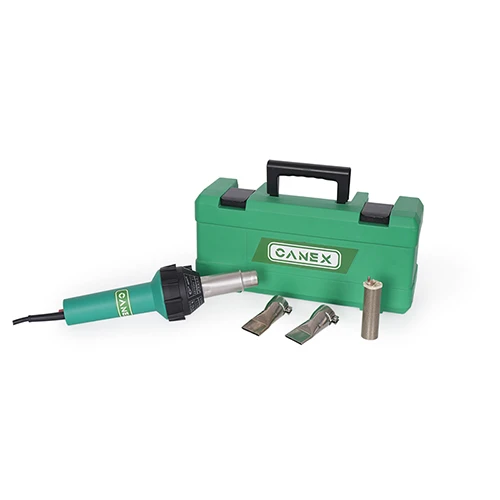
A paint heat gun is a handheld electric tool designed to emit hot air at controlled temperatures. Think of it as a carefully tamed mini hairdryer but intended to soften paint, adhesives, or plastics. By raising the temperature of the paint film, it loosens its grip on underlying surfaces, making it easier to scrape off old layers without damaging the substrate.
These guns are common in renovation, automobile bodywork, crafts, and manufacturing. Their ability to adjust temperature from roughly 100°C to over 600°C means they’re versatile—heating all sorts of materials without burning or warping them (if used properly, that is).
It’s also a neat crossroad between industrial necessity and humanitarian needs. For example, in repairing emergency housing, removing old coatings quickly improves turnaround times and keeps repairs safe, which matters during disaster recovery efforts where time and safety are critical.
Core Components That Make Paint Heat Guns Work
1. Temperature Control
Most paint heat guns come with adjustable temperature settings. This is crucial because you might want low heat to remove delicate varnishes or higher heat to tackle tough, layered automotive paints.
2. Airflow Regulation
Besides heat, controlling the amount of air blown out is key. Too much airflow might scatter paint chips or heat unevenly, while too little slows the work. Many guns allow airflow adjustments from a gentle breeze to a strong gust.
3. Safety Features
Thermal cut-offs and insulated housings protect users and surfaces from overheating. After all, these tools can get dangerously hot if left unattended.
4. Ergonomics and Build Quality
Since users often hold the gun for extended periods, a well-designed handle with balanced weight can prevent fatigue. Industrial-grade models also have durable casings to withstand shop environments.
5. Nozzle Varieties
Interchangeable nozzles focus or diffuse heat depending on the task—narrow for precision, wide for area heat.
Paint Heat Gun Specifications for Typical Industrial Models
| Specification | Typical Range / Feature |
|---|---|
| Power | 1200–2000 Watts |
| Temperature Range | 100°C to 600°C (200°F to 1100°F) |
| Airflow | 120–500 L/min adjustable |
| Weight | 0.8–1.5 kg (1.7–3.3 lbs) |
| Safety Features | Thermal cut-off, insulated handles |
| Accessory Nozzles | Flat, Reflector, Concentrator |
Global Applications & Real-World Use Cases
Here’s where it gets interesting. Paint heat guns aren’t just “tools” — they're the unsung heroes in several sectors:
- Automotive Repairs: From body shops in Detroit to paint facilities in Germany, professionals strip old paint layers to prep cars for respraying quickly and thoroughly.
- Construction & Renovation: In historic building conservation across Europe or North America, heat guns help remove lead-based paint safely without hazardous chemical solvents.
- Industrial Manufacturing: Asian electronics factories use them to cure coatings and adhesives precisely during assembly.
- Disaster Relief: In regions affected by natural disasters, rapid refurbishment of wooden shelters uses heat guns to ensure clean repainting and safety.
- DIY and Crafts: Worldwide hobbyists rely on portable models for vinyl art, shrink-wrapping, or paint touch-ups.
For example, a small NGO working in Southeast Asia repairs damaged vehicles for aid delivery. Using paint heat guns, their team cuts paint removal time in half – which feels like a game-changer when limits are many and patience thin.
Mini Takeaway:
Whether it’s sophisticated industry or grassroots repairs, paint heat guns serve diverse roles — making them surprisingly vital worldwide.
Advantages & Long-Term Value of Using Paint Heat Guns
The benefits of paint heat guns extend beyond speed:
- Cost Efficiency: Less chemical use, fewer discarded solvents, and less labor time save money.
- Ecological Impact: Reduced reliance on toxic paint strippers helps air quality and worker health.
- Safety: Proper heat application avoids accidental burns or substrate damage.
- Precision: Adjustable heat lets operators customize for sensitive surfaces, maintaining material integrity.
- Trust & Reliability: In critical infrastructure repairs, teams know these tools produce consistent results repeatedly.
Emotionally, it’s about dignity too. A clean, effective removal job means the revived surface looks fresh—not ragged—respecting the craftsman’s and user’s pride.
Looking Ahead: Future Trends in Paint Heat Gun Technology
The industry isn’t standing still.
- Eco-friendly Innovations: Battery-powered cordless heat guns with longer runtime aim to boost portability and reduce carbon footprint.
- Digital Control: Smart temperature sensors and digital displays improve precision and ease of use.
- Material Advances: New nozzle materials that resist heat damage even longer, and ergonomic designs tailored by 3D scanning customer feedback.
- Automation: Integration into robotic arms for industrial-scale paint removal and surface prep.
- Sustainability: Heat guns designed to comply with stricter ISO energy efficiency standards.
To me, these trends mean the future will blend power with delicate control — creating tools as smart as they are tough.
Common Challenges & How the Industry Is Fixing Them
Paint heat guns don’t come without quirks. Here are a few common pain points:
- Surface Damage Risk: Overheating can blister or warp substrates.
- Operator Fatigue: Long use can tire out hands, especially with clunky designs.
- Uneven Heating: Inefficient nozzles lead to patchy paint softening.
- Environmental Concerns: Improper use can release fumes from heated old paint.
Solutions? Manufacturers are responding with better insulation, vibration-dampening handles, and improved airflow engineering.
Training programs emphasize safety and proper techniques. And ventilation hats off to NGOs and industrial users advocating for proper PPE when dealing with heat and old coatings.
Paint Heat Gun Vendor Comparison
| Brand | Power (W) | Temp Range (°C) | Weight (kg) | Key Feature | Price Range (USD) |
|---|---|---|---|---|---|
| WeldPro X-1200 | 1200 | 100-600 | 1.1 | Digital temp control, ergonomic grip | $90 - $120 |
| HeatMaster Pro 2000 | 2000 | 120-650 | 1.4 | High airflow, multiple nozzles | $130 - $160 |
| EcoHeat Cordless | 1500 (battery limit) | 80-550 | 0.9 | Cordless, rechargeable, eco-friendly | $180 - $210 |
Frequently Asked Questions About Paint Heat Guns
Q1: Can paint heat guns remove lead-based paint safely?
Yes, but with precautions. While heat guns soften lead paint for easier removal, they can release toxic fumes if overheated. Use low temperatures, proper ventilation, and PPE like respirators. Following local safety regulations is essential.
Q2: How long does it typically take to strip paint with a heat gun?
It depends on paint thickness and temperature settings but generally ranges from a few minutes per square foot on thin coats to 10–15 minutes on thick or multiple layers.
Q3: Are cordless paint heat guns as effective as corded ones?
Cordless models offer great portability but usually have lower power and shorter usage times. For heavy-duty industrial work, corded guns remain preferable, but cordless models are ideal for remote jobs or quick fixes.
Q4: Can I use a paint heat gun to cure paints?
Certain types of fast-drying or specialty paints and adhesives can be cured using controlled heat guns. Always check the product specs for compatibility to avoid damage.
Q5: Where can I buy reliable paint heat guns with good warranties?
Look for specialized tool vendors like MM Tech Weld that offer warranties of 1–3 years, proper certification, and good customer support.
Wrapping It Up: Why Paint Heat Guns Deserve Your Attention
In summary, paint heat guns bring together smart design, practical versatility, and environmental benefits. From speeding up paint removal to enabling safer and cleaner jobs worldwide, these tools punch well above their weight.
Thinking long-term, investing in quality paint heat guns improves workflow, supports health and safety, and aligns with sustainable work practices. It’s no wonder professionals and hobbyists alike swear by them.
Fancy trying out some yourself? Visit our website: https://www.mmtechweld.com for expert advice, product ranges, and tailored solutions.
Final takeaway
Next time you see a shiny new finish or a freshly restored piece, remember it might just owe that brilliance to the quiet power of a paint heat gun.
References

Related Products
Related Video


Geo Hot Wedge Welder With Digital Display SWT NS800D Operation Guide
Heavy-Duty Geo Hot Wedge Welder SWT-NS900 Operation Guide
Powerful Professional Hot Air Tool SWT-NS3400A Operation Guide
Geo Hot Wedge Welder SWT NS800 Operation Guide
Compact HDPE Hot Wedge Welding Machine SWT-NSGM1 Operation Guide
Related News
2026-02-24 11:15:19
Comprehensive Guide to Plastic Extrusion Welding Machine Technology and Applications
Plastic extrusion welding machines are vital tools in numerous industries, facilitating the joining of thermoplastic materials with precision and efficiency. From constructing large tanks and vessels to fabricating pipelines and specialized components, these machines offer a robust and reliable solution. Understanding the different types, applications, and key features is crucial for making informed investment decisions. At MMTech Weld, we specialize in delivering high-quality plastic extrusion welding solutions tailored to diverse industrial needs. Choosing the right machine can significantly impact your production efficiency and the quality of your finished products. Plastic extrusion welding is a process where thermoplastic materials are melted and fused together using heat and pressure. The machine precisely controls the temperature, feed rate, and welding speed to create strong, leak-proof joints. These machines typically consist of a heating element, feed roller, welding shoe, and control panel. Different types of machines cater to specific applications and materials, ranging from portable units for smaller projects to automated systems for large-scale production. The key to a successful weld is ensuring consistent heat distribution and proper material compatibility.
2026-02-11 02:45:23
Comprehensive Guide to Plastic Extrusion Welding Techniques and Equipment Selection
Plastic extrusion welding is a versatile and efficient process used to join thermoplastic materials. This technique is widely employed across various industries, from automotive and construction to marine and chemical processing. At MM Tech Weld, we specialize in providing high-quality plastic extrusion welders and related solutions. This article delves into the intricacies of plastic extrusion welding, its applications, benefits, and key considerations for choosing the right equipment. Understanding this process can significantly improve your project efficiency and product quality. Plastic extrusion welding is a process where a thermoplastic welding material, typically a rod or wire, is melted and fed into the joint between two thermoplastic workpieces. The welding material is melted using a heated shoe, and as it cools, it fuses the two pieces together, creating a strong, leak-proof bond. Unlike other welding methods, extrusion welding doesn’t require the base materials to be completely melted, making it ideal for thicker sections and on-site repairs.
2026-01-30 14:55:50
Comprehensive Guide to Hand Extrusion Welder Applications and Selection
A hand extrusion welder is a portable and versatile tool used for joining thermoplastic materials. It’s a crucial piece of equipment in various industries, from plastic fabrication to pipeline repair. This article provides a comprehensive guide to hand extrusion welders, exploring their applications, benefits, key considerations when choosing one, and how MM Tech Weld delivers high-quality solutions. Understanding this technology allows professionals to optimize welding processes and achieve durable, reliable results. A hand extrusion welder operates by melting thermoplastic welding rods and extruding the molten material into the joint to be welded. The welder consists of a heating element, a feed mechanism for the welding rods, and a shoe or nozzle that guides the molten plastic.
2026-01-28 11:20:05
Comprehensive Guide to Pressure Leak Detectors for Enhanced Safety and Efficiency
In industries dealing with gases, vacuum systems, and pressurized environments, identifying leaks quickly and accurately is paramount for safety, efficiency, and cost control. A pressure leak detector is a critical tool for these applications, offering a non-destructive method to pinpoint even the smallest breaches in containment. This article will explore the different types of pressure leak detectors, their applications, advantages, and considerations for choosing the right detector for your specific needs. Efficient leak detection translates directly to minimized product loss, reduced energy consumption, and a safer working environment. Several technologies are employed in pressure leak detectors, each with its strengths and weaknesses. Some common types include: Bubble leak detectors, using a soap solution to reveal leaks as bubbles; Halogen leak detectors, sensitive to halogen-containing refrigerants; Ultrasonic leak detectors, detecting the high-frequency sound generated by escaping gas; and Mass spectrometer leak detectors (helium leak detectors), offering extremely high sensitivity by identifying helium molecules.
2026-01-27 22:55:02
Comprehensive Guide to Vacuum Leak Detection and Repair Techniques
Detecting and repairing vacuum leaks is crucial for maintaining optimal performance in various systems, from automotive engines to industrial processes. A seemingly small leak can lead to significant inefficiencies, reduced power, and even system failure. This article will provide a detailed look into understanding vacuum leaks, the tools used to find them – specifically, vacuum leak finders – troubleshooting techniques, and preventative measures. We’ll cover common causes, best practices, and how to choose the right equipment for your needs. Addressing vacuum leaks promptly can save you time, money, and potential headaches. Several methods can be used to locate vacuum leaks. The most basic involves a visual inspection of hoses, gaskets, and connections. However, many leaks are small and difficult to detect with the naked eye.
2026-01-27 19:55:20
Bullseye Leak Detector A Comprehensive Guide for Efficient Leak Detection
Maintaining the integrity of pressurized systems is critical in numerous industries, from HVAC and refrigeration to automotive and plumbing. A seemingly small leak can lead to significant inefficiencies, costly repairs, and even safety hazards. The Bullseye leak detector is a powerful tool designed to quickly and accurately pinpoint leaks in a variety of applications. This article will delve into the features, benefits, and applications of this versatile detector, ensuring you can effectively identify and address leaks before they escalate. Accurate leak detection is paramount for ensuring system efficiency and safety, and the Bullseye provides a reliable solution for professionals across various trades.
2026-01-27 18:25:14
Wegener Extrusion Welder Technology for Robust Thermoplastic Joining Solutions
When it comes to reliable and efficient solutions for joining thermoplastic materials, a Wegener Extrusion Welder stands as a leading choice. Known for its precision and durability, Wegener technology is trusted by professionals in diverse industries. This article delves into the features, applications, and benefits of Wegener Extrusion Welders, providing a thorough overview for those seeking a robust welding solution. Choosing the right equipment can significantly impact project quality and efficiency, and Wegener consistently delivers. Wegener extrusion welding utilizes a specialized machine that melts thermoplastic material and precisely extrudes it onto the joint area. This process creates a strong, homogenous weld, free from the weaknesses often associated with other joining methods. The controlled heat input minimizes distortion and stress on the materials. Unlike traditional welding techniques, it is exceptionally well-suited for large diameter pipe and complex geometries. MM Tech Weld’s Wegener machines offer unparalleled control and consistency for critical applications.
2026-01-25 02:10:06
Extrusion Welding HDPE Liner: A Guide
Learn about extrusion welding HDPE liner for industrial applications. Material specs, vendor comparison & why it’s a top choice for containment.
SUBSCRIBE NEWSLETTER
Dear customer, thank you for your attention! We provide high-quality machinery and equipment and look forward to your orders. Please inform us of your needs and we will respond quickly!






 English
 Arabic
 Bengali
 Czech
 Dutch
 Finnish
 French
 German
 Hungarian
 Italian
 Japanese
 Korean
 Latin
 Norwegian
 Polish
 Portuguese
 Russian
 Spanish
 Thai
 Vietnamese